Liu Huan, Chu Shujuan, Wu Zhilin
Anesthesiology Department, Union Hospital, Tongji Medical College, Huazhong University of Science and Technology, Wuhan, 430022, People's Republic of China.
Immun Ageing. 2021 Nov 5;18(1):42. doi: 10.1186/s12979-021-00251-y.
Toll-like receptor 4 (TLR4) is a pattern recognition receptor of the innate immune system. TLR4 contributes to many aging-related chronic diseases. However, whether TLR4 is involved in cardiovascular injury during the aging process has not been investigated.
The effects of TLR4 on the cardiovascular system of aged mice were investigated in TLR4 mice. An intraperitoneal glucose tolerance test (IPGTT) and insulin sensitivity test (IST) were conducted to evaluate global insulin sensitivity. Echocardiography was used to measure cardiac structure and performance. An isolated artery ring assay was used to measure the vasodilator function of the thoracic aorta. The inflammatory response was reflected by the serum concentration of cytokines.
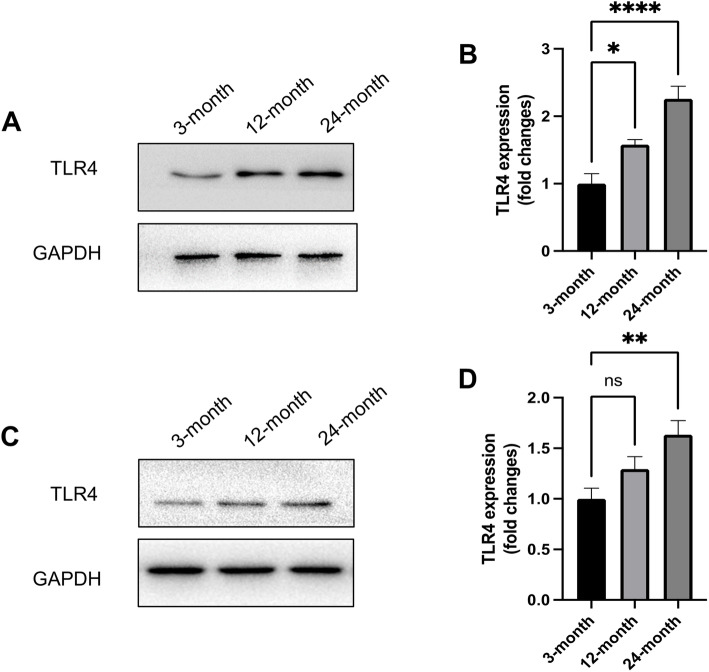
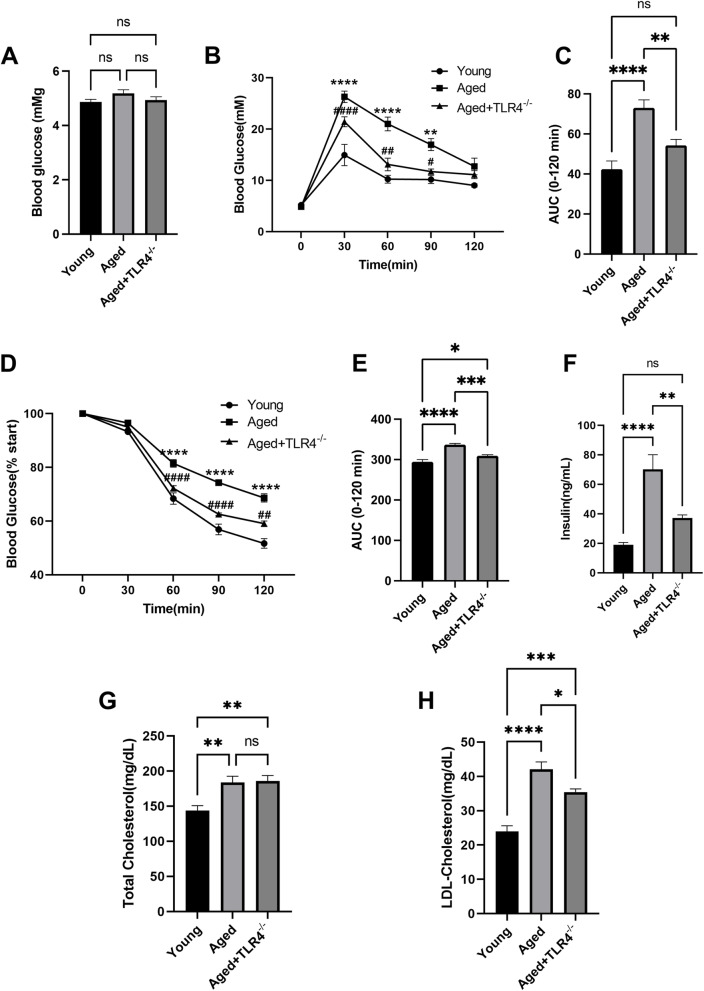
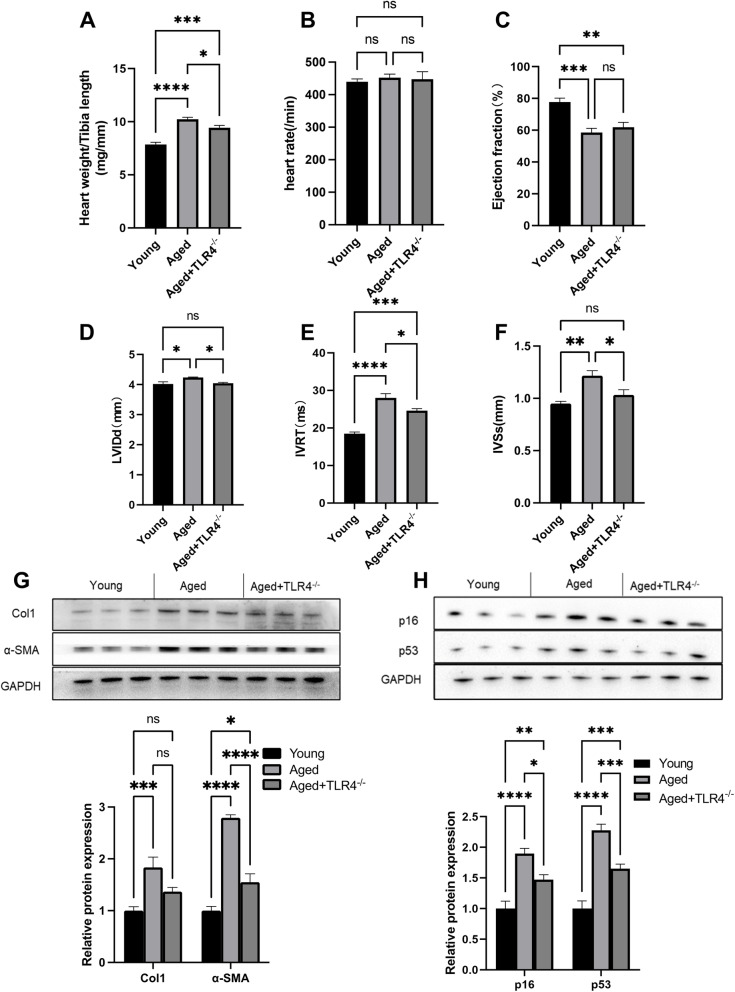
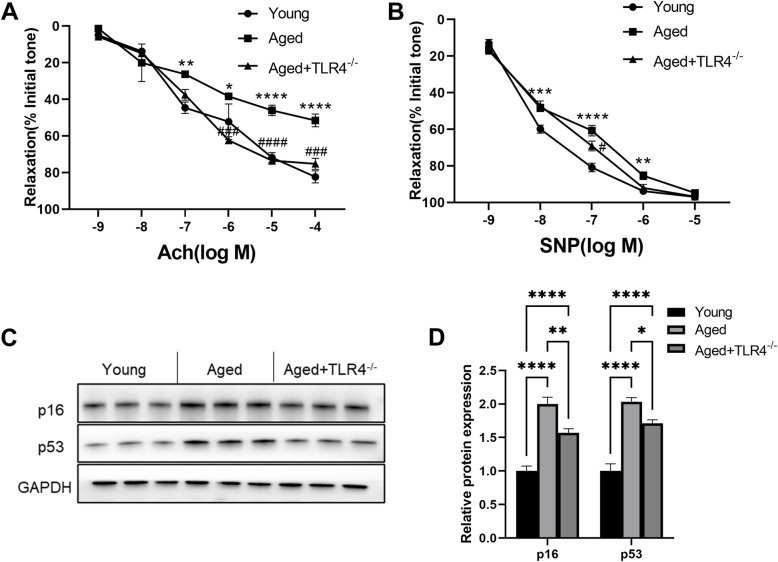
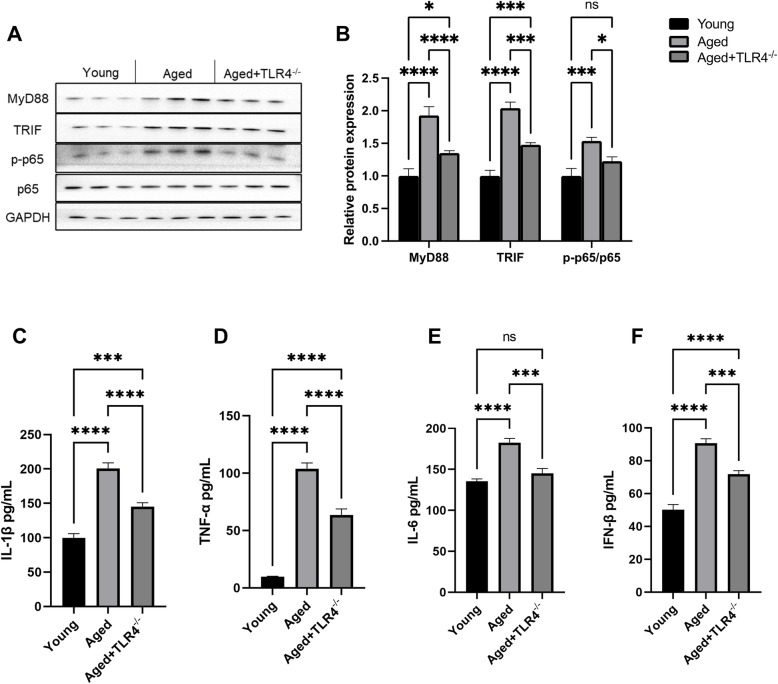
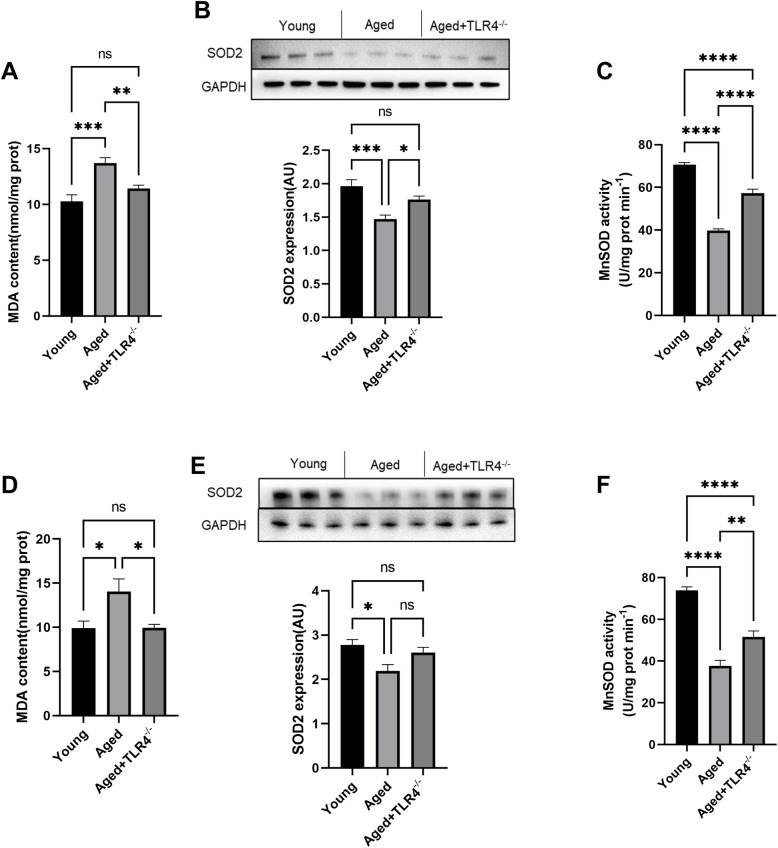
TLR4 expression increased in the hearts and aortas of mice in an age-dependent manner. Loss of TLR4 increased insulin sensitivity in aged mice. Moreover, loss of TLR4 improved cardiac performance and endothelium-dependent vascular relaxation in aged mice. Importantly, the increases in serum inflammatory cytokines and oxidative stress in the heart and aorta were also inhibited by TLR4 deficiency.
In summary, loss of TLR4 improved cardiac performance and endothelium-dependent vascular relaxation in aged mice. The reduced inflammatory responses and oxidative stress may be the reason for the protective effects of TLR4 deficiency during aging. Our study indicates that targeting TLR4 is a potential therapeutic strategy for preventing aging-related cardiovascular disease.
Toll样受体4(TLR4)是先天性免疫系统的模式识别受体。TLR4与许多衰老相关的慢性疾病有关。然而,TLR4是否参与衰老过程中的心血管损伤尚未得到研究。
在TLR4基因敲除小鼠中研究TLR4对老年小鼠心血管系统的影响。进行腹腔葡萄糖耐量试验(IPGTT)和胰岛素敏感性试验(IST)以评估整体胰岛素敏感性。超声心动图用于测量心脏结构和功能。采用离体动脉环试验测量胸主动脉的血管舒张功能。炎症反应通过细胞因子的血清浓度反映。
TLR4在小鼠心脏和主动脉中的表达随年龄增长而增加。TLR4基因敲除增加了老年小鼠的胰岛素敏感性。此外,TLR4基因敲除改善了老年小鼠的心脏功能和内皮依赖性血管舒张。重要的是,TLR4缺乏也抑制了心脏和主动脉中血清炎症细胞因子和氧化应激的增加。
总之,TLR4基因敲除改善了老年小鼠的心脏功能和内皮依赖性血管舒张。炎症反应和氧化应激的降低可能是TLR4缺乏在衰老过程中产生保护作用的原因。我们的研究表明,靶向TLR4是预防衰老相关心血管疾病的潜在治疗策略。