Department of Research and Clinical Development, Aroa Biosurgery Limited, Auckland, New Zealand.
Auckland Bioengineering Institute, 428614The University of Auckland, Auckland, New Zealand.
J Biomater Appl. 2022 Jan;36(6):996-1010. doi: 10.1177/08853282211045770. Epub 2021 Nov 7.
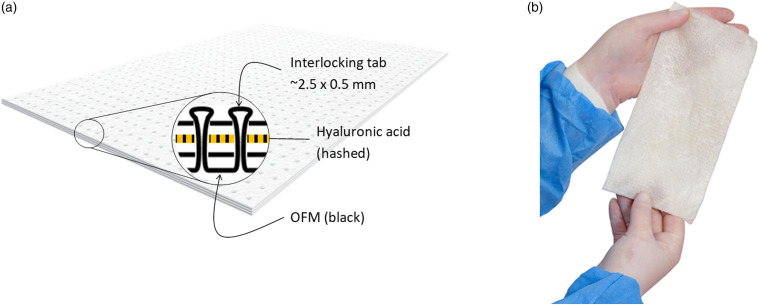
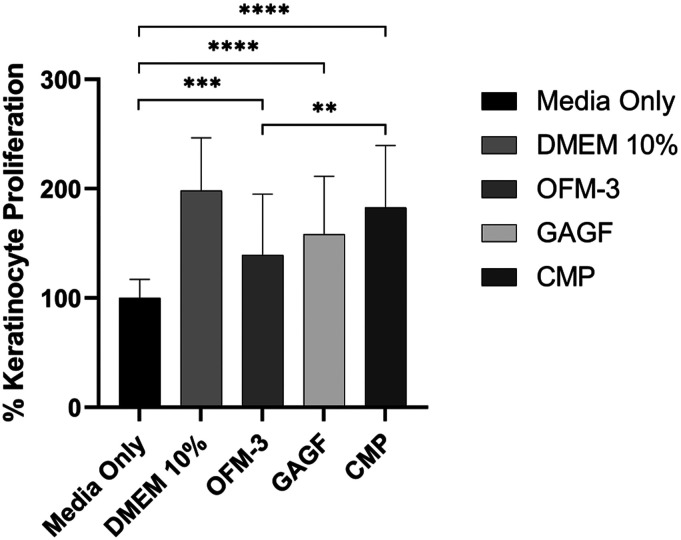
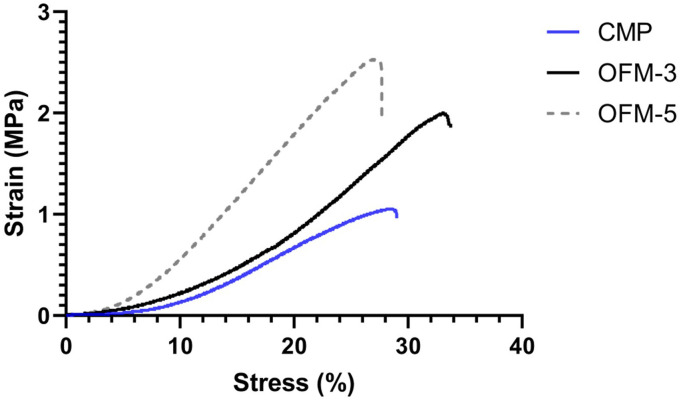
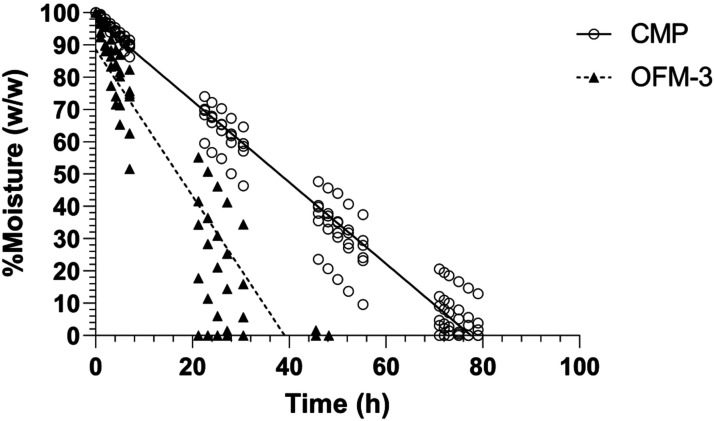
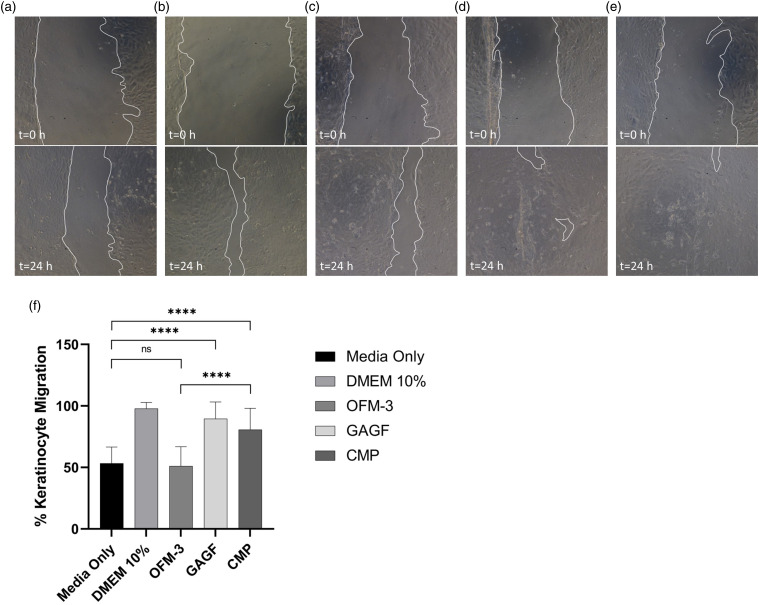
Decellularized extracellular matrix (dECM)-based biomaterials are of great clinical utility in soft tissue repair applications due to their regenerative properties. Multi-layered dECM devices have been developed for clinical indications where additional thickness and biomechanical performance are required. However, traditional approaches to the fabrication of multi-layered dECM devices introduce additional laminating materials or chemical modifications of the dECM that may impair the biological functionality of the material. Using an established dECM biomaterial, ovine forestomach matrix, a novel method for the fabrication of multi-layered dECM constructs has been developed, where layers are bonded via a physical interlocking process without the need for additional bonding materials or detrimental chemical modification of the dECM. The versatility of the interlocking process has been demonstrated by incorporating a layer of hyaluronic acid to create a composite material with additional biological functionality. Interlocked composite devices including hyaluronic acid showed improved bioactivity and moisture retention properties.
脱细胞细胞外基质(dECM)基生物材料因其再生特性,在软组织修复应用中具有重要的临床应用价值。已经开发出多层 dECM 装置,用于需要额外厚度和生物力学性能的临床适应症。然而,传统的多层 dECM 装置制造方法引入了额外的层压材料或 dECM 的化学修饰,这可能会损害材料的生物学功能。本研究使用一种成熟的 dECM 生物材料,即绵羊网胃基质,开发了一种制造多层 dECM 结构的新方法,其中各层通过物理互锁过程结合,而无需额外的结合材料或对 dECM 进行有害的化学修饰。互锁过程的多功能性已通过加入一层透明质酸来证明,从而制造出具有额外生物学功能的复合材料。包含透明质酸的互锁复合装置显示出改善的生物活性和保水性能。