Department of Vascular Medicine, Amsterdam University Medical Center, University of Amsterdam, Amsterdam, The Netherlands.
Horaizon BV, Delft, The Netherlands.
Gut Microbes. 2021 Jan-Dec;13(1):1993513. doi: 10.1080/19490976.2021.1993513.
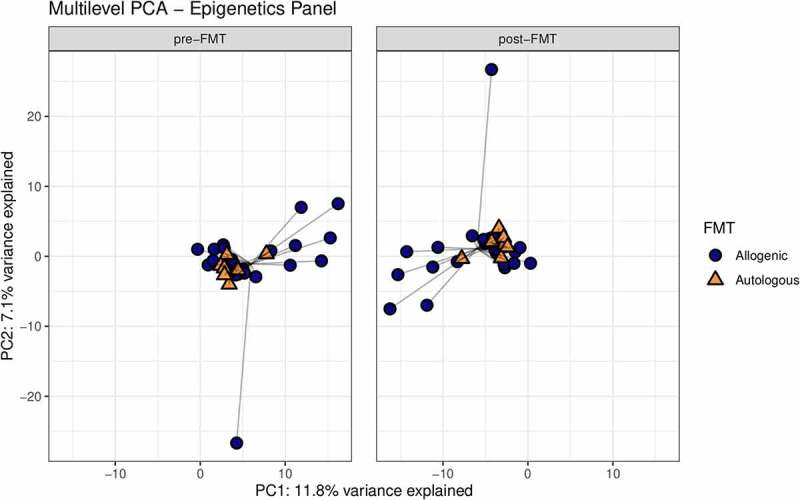
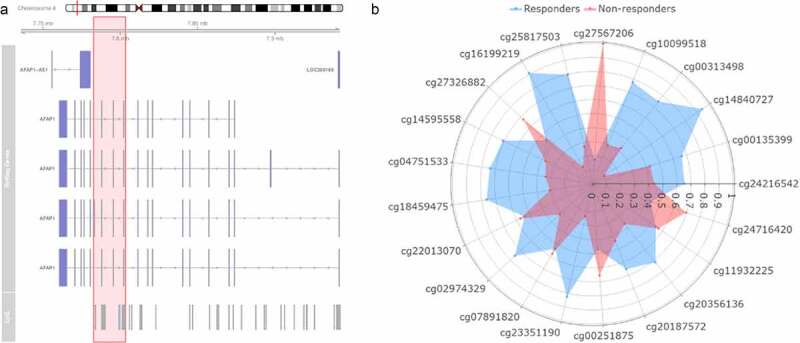
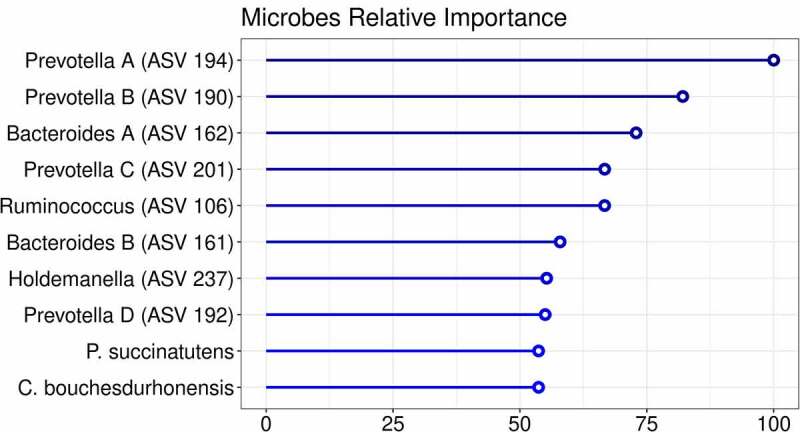
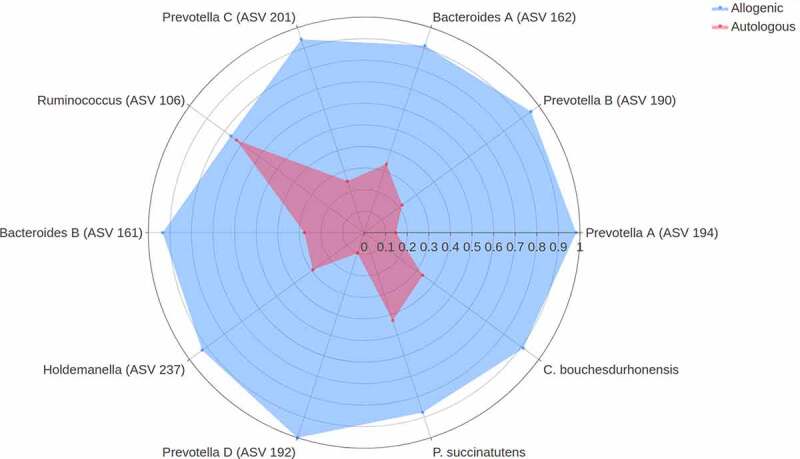
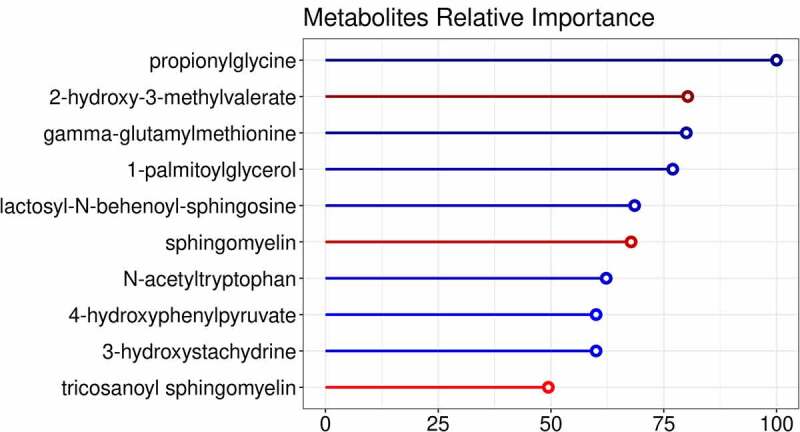
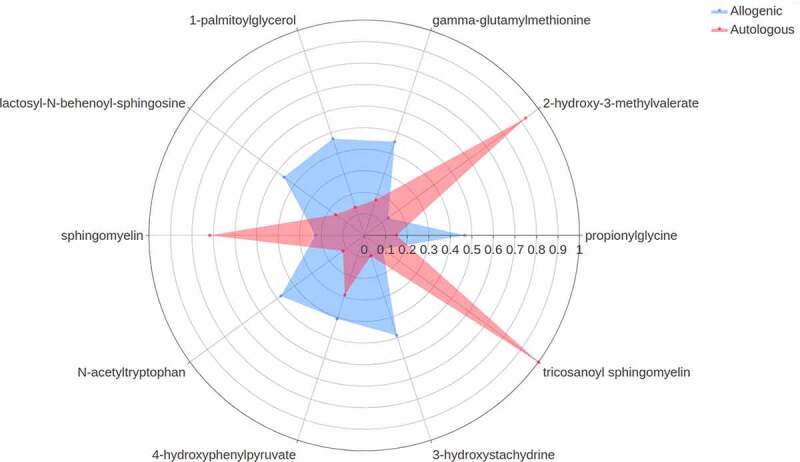
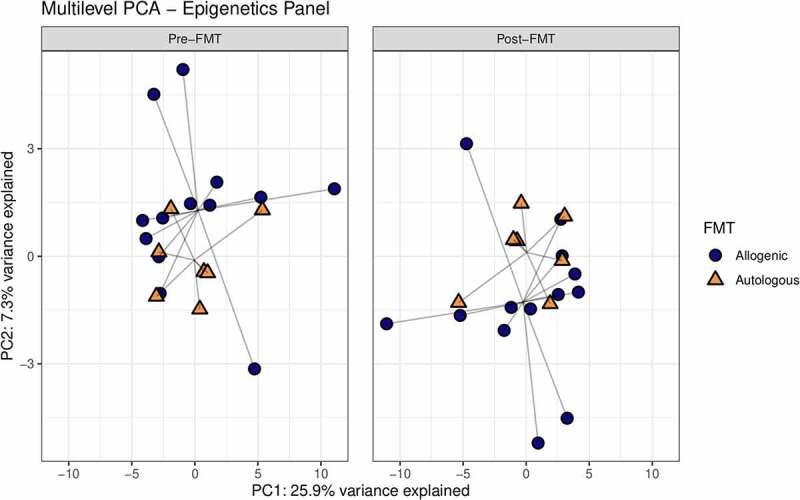
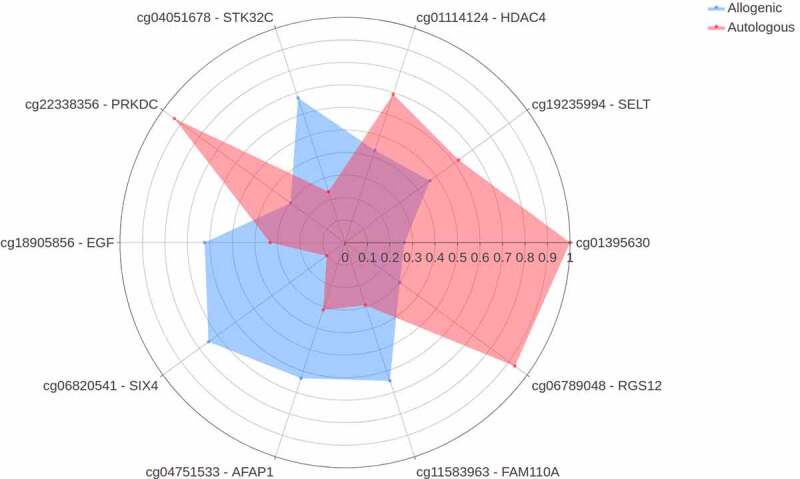
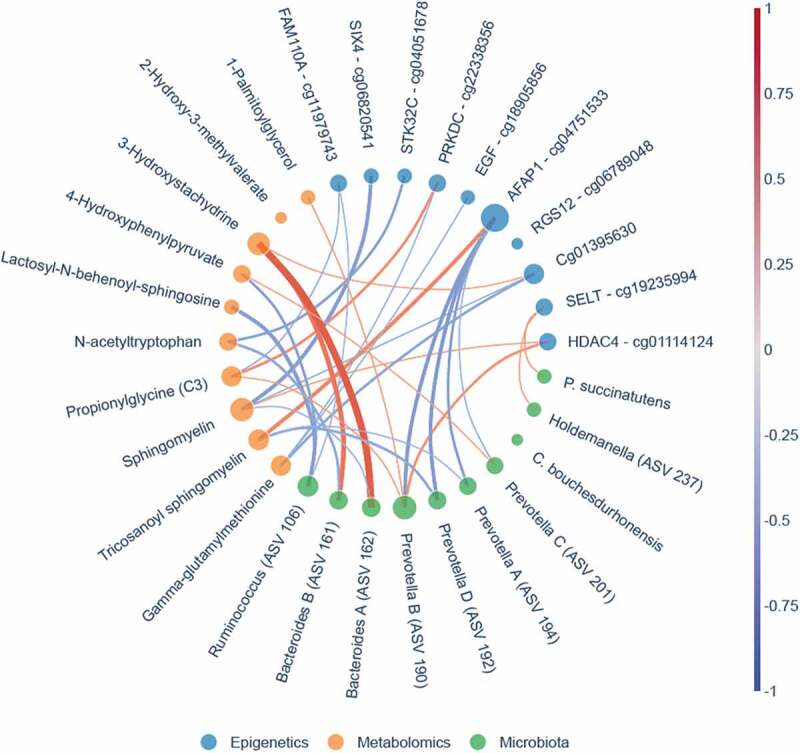
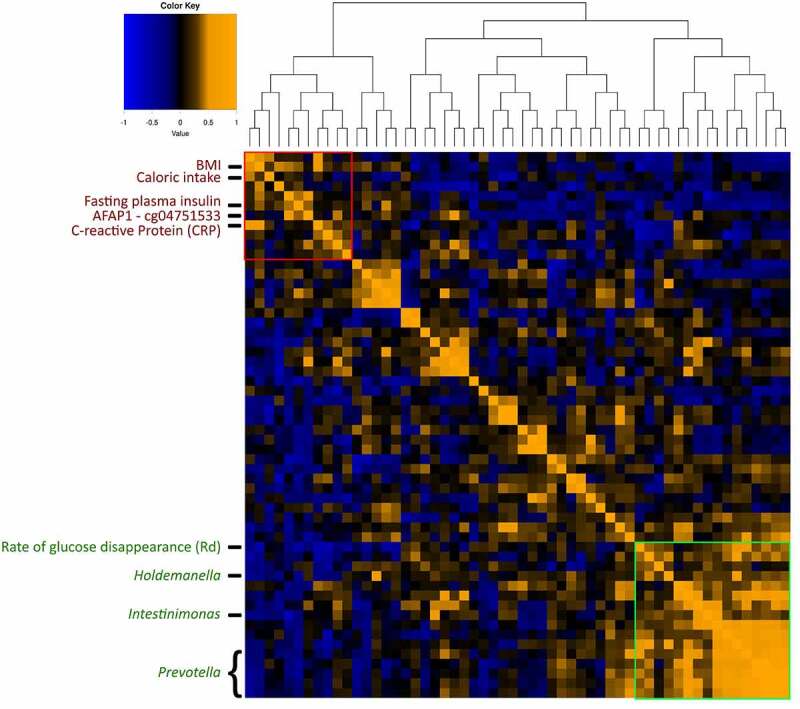
Accumulating evidence shows that microbes with their theater of activity residing within the human intestinal tract (i.e., the gut microbiome) influence host metabolism. Some of the strongest results come from recent fecal microbial transplant (FMT) studies that relate changes in intestinal microbiota to various markers of metabolism as well as the pathophysiology of insulin resistance. Despite these developments, there is still a limited understanding of the multitude of effects associated with FMT on the general physiology of the host, beyond changes in gut microbiome composition. We examined the effect of either allogenic (lean donor) or autologous FMTs on the gut microbiome, plasma metabolome, and epigenomic (DNA methylation) reprogramming in peripheral blood mononuclear cells in individuals with metabolic syndrome measured at baseline (pre-FMT) and after 6 weeks (post-FMT). Insulin sensitivity was determined with a stable isotope-based 2 step hyperinsulinemic clamp and multivariate machine learning methodology was used to uncover discriminative microbes, metabolites, and DNA methylation loci. A larger gut microbiota shift was associated with an allogenic than with autologous FMT. Furthemore, the data results of the the allogenic FMT group data indicates that the introduction of new species can potentially modulate the plasma metabolome and (as a result) the epigenome. Most notably, the introduction of ASVs directly correlated with methylation of AFAP1, a gene involved in mitochondrial function, insulin sensitivity, and peripheral insulin resistance (Rd, rate of glucose disappearance). FMT was found to have notable effects on the gut microbiome but also on the host plasma metabolome and the epigenome of immune cells providing new avenues of inquiry in the context of metabolic syndrome treatment for the manipulation of host physiology to achieve improved insulin sensitivity.
越来越多的证据表明,微生物及其活动场所——人类肠道(即肠道微生物组)会影响宿主代谢。最近的粪便微生物移植(FMT)研究得出了一些最强有力的结果,这些研究将肠道微生物群的变化与各种代谢标志物以及胰岛素抵抗的病理生理学联系起来。尽管取得了这些进展,但对于 FMT 对宿主一般生理学的多种影响,除了肠道微生物组组成的变化之外,我们的理解仍然有限。我们研究了异体(瘦供体)或自体 FMT 对代谢综合征个体肠道微生物组、血浆代谢组和外周血单个核细胞表观基因组(DNA 甲基化)重编程的影响,这些个体在基线(FMT 前)和 6 周后(FMT 后)进行了测量。胰岛素敏感性通过基于稳定同位素的 2 步高胰岛素钳夹法确定,并使用多元机器学习方法揭示了具有区分能力的微生物、代谢物和 DNA 甲基化位点。与自体 FMT 相比,异体 FMT 与更大的肠道微生物群转移相关。此外,异体 FMT 组的数据结果表明,新物种的引入可能会调节血浆代谢组,进而调节表观基因组。值得注意的是,ASV 的引入与 AFAP1 的甲基化直接相关,AFAP1 是一个参与线粒体功能、胰岛素敏感性和外周胰岛素抵抗(Rd,葡萄糖清除率)的基因。FMT 对肠道微生物组有显著影响,但也对宿主血浆代谢组和免疫细胞的表观基因组有影响,这为代谢综合征治疗中宿主生理学的操纵以实现改善胰岛素敏感性提供了新的研究途径。