Maaskant Annemiek, Voermans Bas, Levin Evgeni, de Goffau Marcus C, Plomp Nicole, Schuren Frank, Remarque Edmond J, Smits Antoine, Langermans Jan A M, Bakker Jaco, Montijn Roy
Biomedical Primate Research Centre, Lange Kleiweg 161, 2288 GJ, Rijswijk, The Netherlands.
Department Population Health Sciences, Animals in Science and Society, Faculty of Veterinary Medicine, Utrecht University, Heidelberglaan 8, 3584 CM, Utrecht, The Netherlands.
Anim Microbiome. 2024 Sep 23;6(1):53. doi: 10.1186/s42523-024-00338-z.
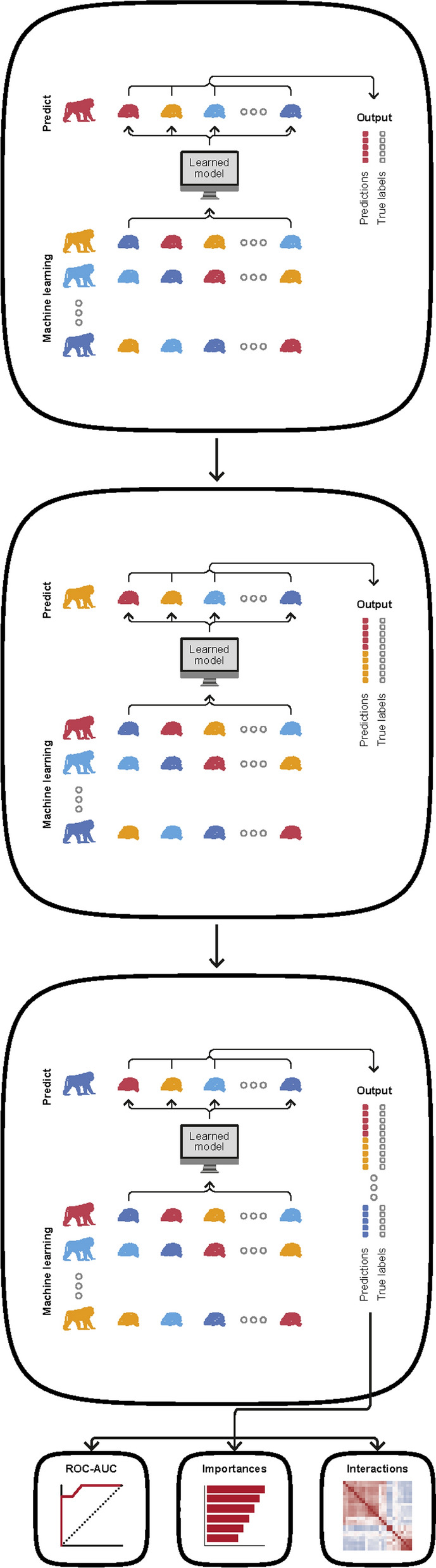
Chronic diarrhea is a common cause of mortality and morbidity in captive rhesus macaques (Macaca mulatta). The exact etiology of chronic diarrhea in macaques remains unidentified. The occurrence of diarrhea is frequently linked to dysbiosis within the gut microbiome. Research into microbiome signatures correlated with diarrhea in macaques have predominantly been conducted with single sample collections. Our analysis was based on the metagenomic composition of longitudinally acquired fecal samples from rhesus macaques with chronic diarrhea and clinically healthy rhesus macaques that were obtained over the course of two years. We aimed to investigate potential relationships between the macaque gut microbiome, the presence of diarrhea and diet interventions with a selection of commercially available monkey diets.
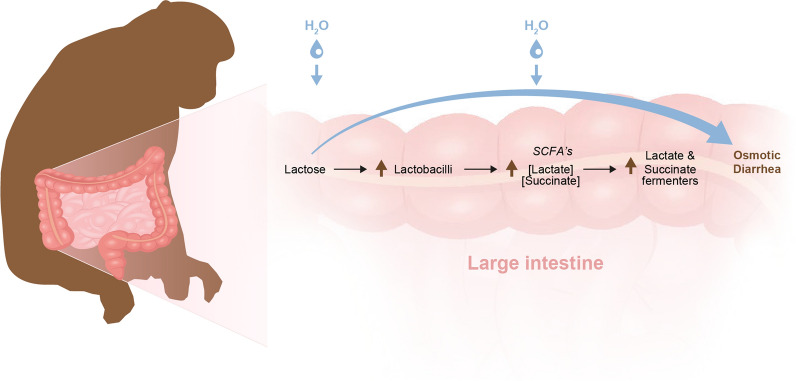
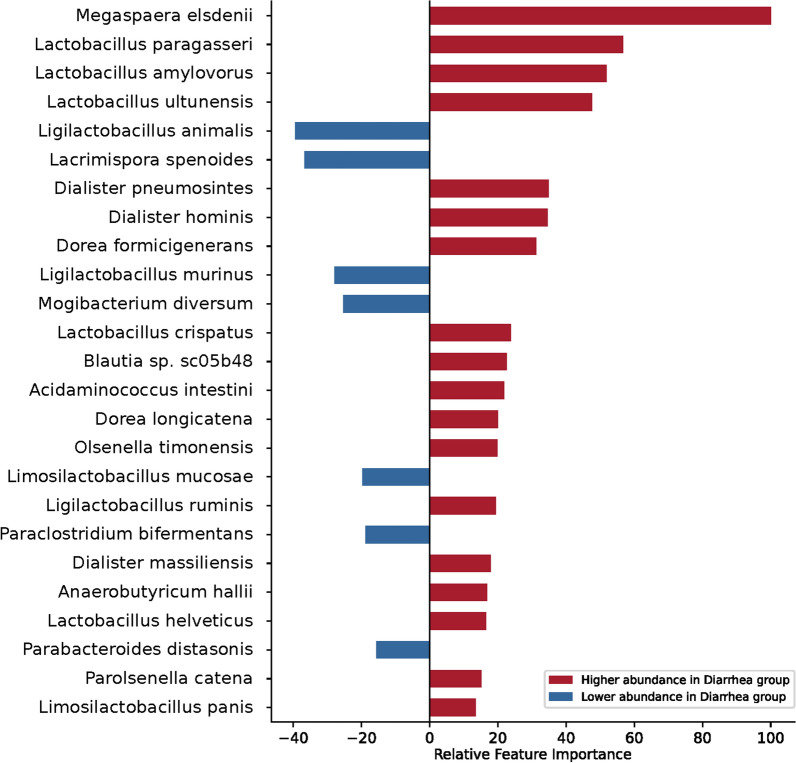
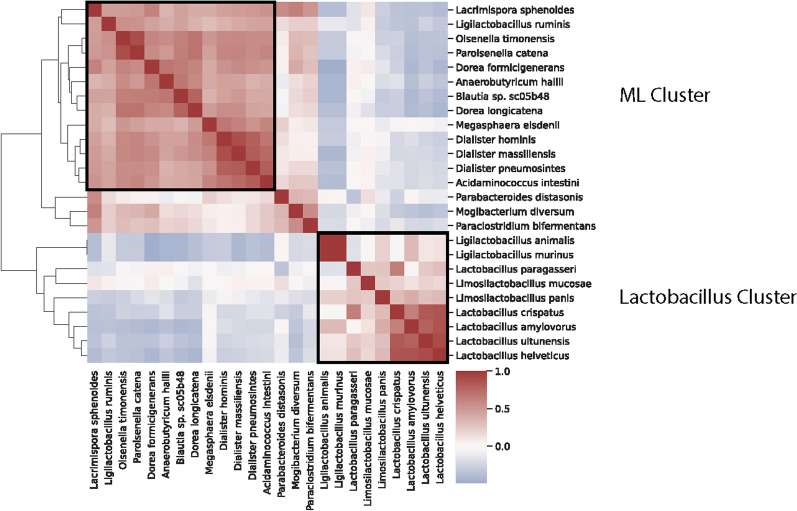
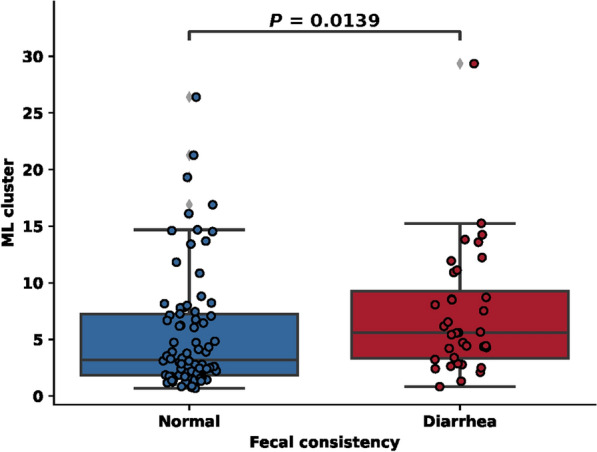
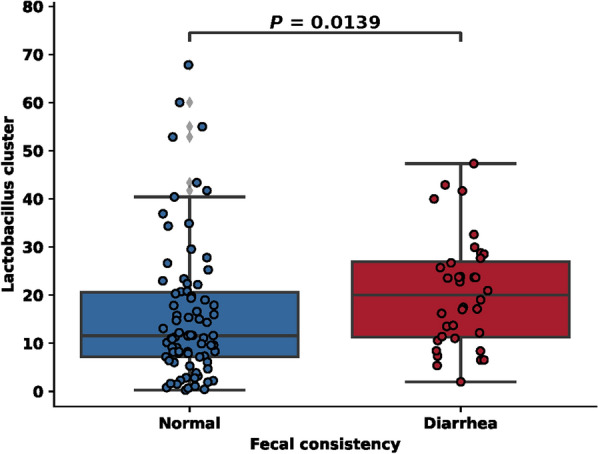
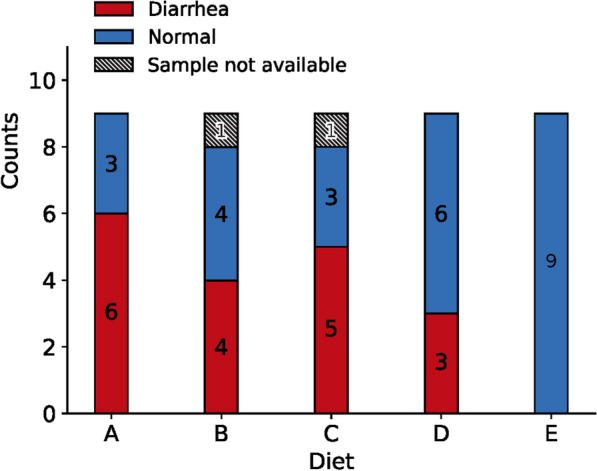
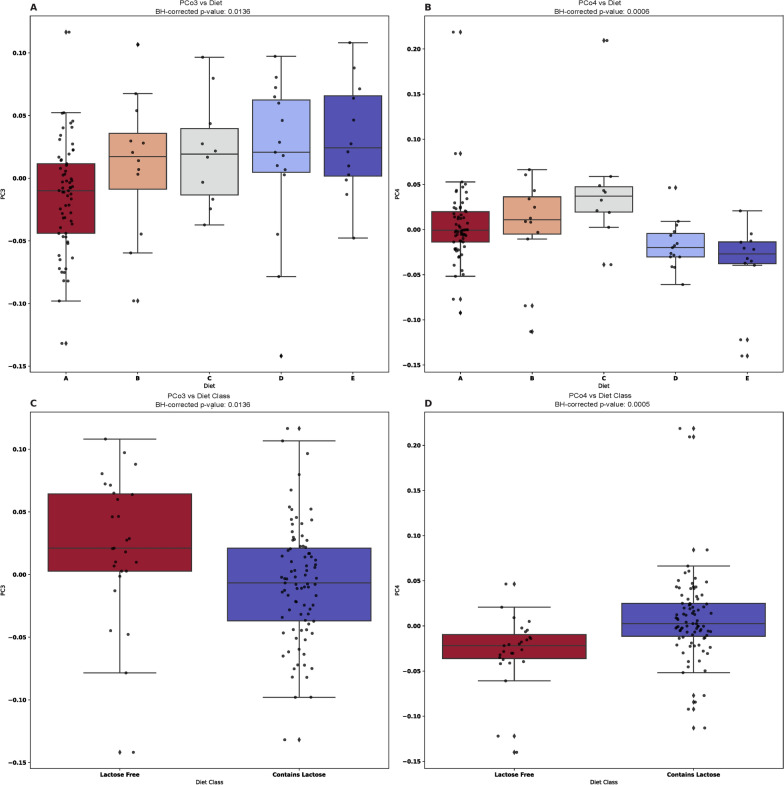
The microbiome signature of macaques with intermittent chronic diarrhea showed a significant increase in lactate producing bacteria e.g. lactobacilli, and an increase in fermenters of lactate and succinate. Strikingly, two lactose free diets were associated with a lower incidence of diarrhea.
A lactose intolerance mechanism is suggested in these animals by the bloom of Lactobacillus in the presence of lactose resulting in an overproduction of intermediate fermentation products likely led to osmotically induced diarrhea. This study provides new insights into suspected microbiome-lactose intolerance relationship in rhesus macaques with intermittent chronic diarrhea. The integration of machine learning with metagenomic data analysis holds potential for developing targeted dietary interventions and therapeutic strategies and therefore ensuring a healthier and more resilient primate population.
慢性腹泻是圈养恒河猴(猕猴)死亡和发病的常见原因。恒河猴慢性腹泻的确切病因仍不明晰。腹泻的发生常与肠道微生物群的生态失调有关。针对与猕猴腹泻相关的微生物群特征的研究主要是基于单次样本采集进行的。我们的分析基于对患有慢性腹泻的恒河猴和临床健康的恒河猴在两年时间里纵向采集的粪便样本的宏基因组组成。我们旨在研究猕猴肠道微生物群、腹泻的存在以及使用几种市售猴粮进行饮食干预之间的潜在关系。
间歇性慢性腹泻猕猴的微生物群特征显示,产乳酸细菌(如乳酸杆菌)显著增加,乳酸和琥珀酸发酵菌也有所增加。引人注目的是,两种无乳糖饮食与较低的腹泻发生率相关。
在这些动物中,乳糖存在时乳酸杆菌大量繁殖,可能导致中间发酵产物过量产生,进而引发渗透性腹泻,提示存在乳糖不耐受机制。本研究为患有间歇性慢性腹泻的恒河猴中疑似微生物群 - 乳糖不耐受关系提供了新见解。将机器学习与宏基因组数据分析相结合,有望开发针对性的饮食干预措施和治疗策略,从而确保灵长类动物群体更健康、更具恢复力。