Lu Mei-Li, Wang Jing, Sun Yang, Li Cong, Sun Tai-Ran, Hou Xu-Wei, Wang Hong-Xin
The Key Laboratory of Cardiovascular and Cerebrovascular Drug Research of Liaoning Province, Jinzhou Medical University, Jinzhou, China.
The First Affiliated Hospital of Jinzhou Medical University, Jinzhou, China.
J Ginseng Res. 2021 Nov;45(6):683-694. doi: 10.1016/j.jgr.2021.03.006. Epub 2021 Mar 27.
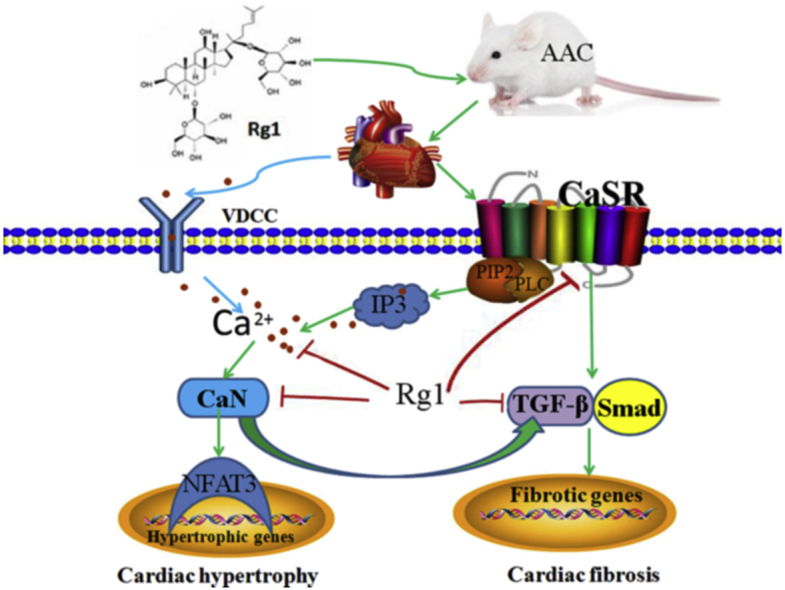
Ginsenoside Rg1 (Rg1) has been well documented to be effective against various cardiovascular disease. The aim of this study is to evaluate the effect of Rg1 on mechanical stress-induced cardiac injury and its possible mechanism with a focus on the calcium sensing receptor (CaSR) signaling pathway.
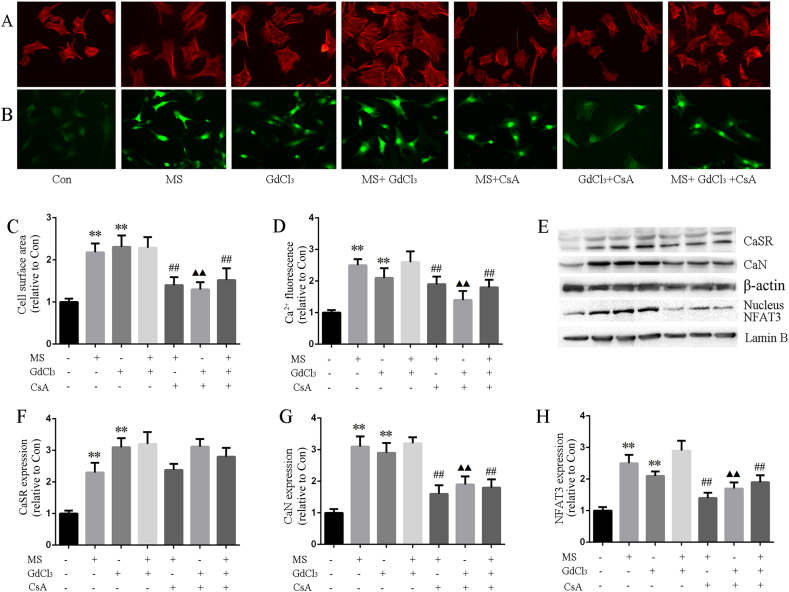
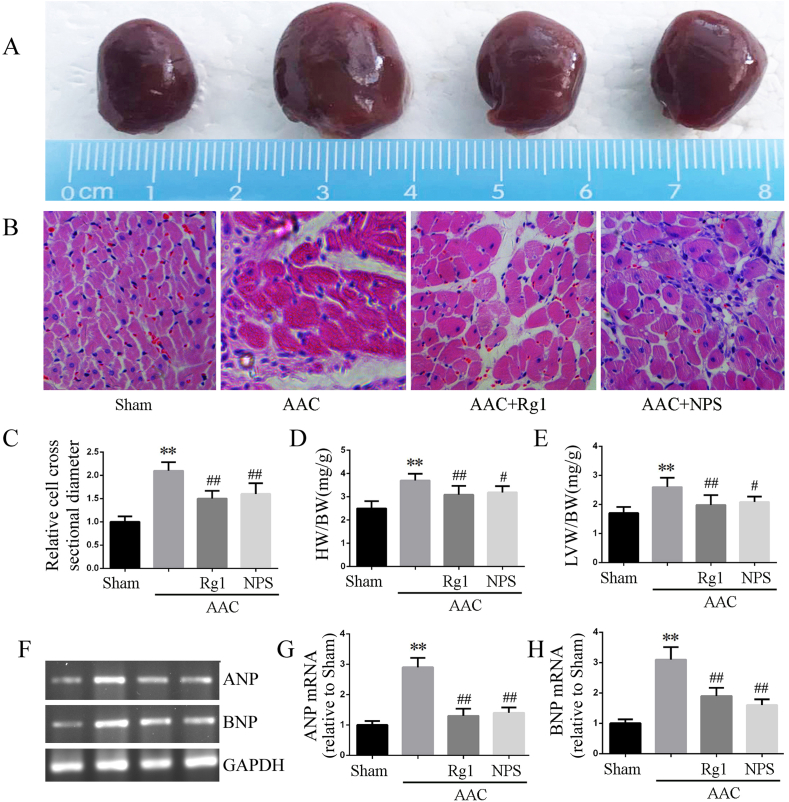
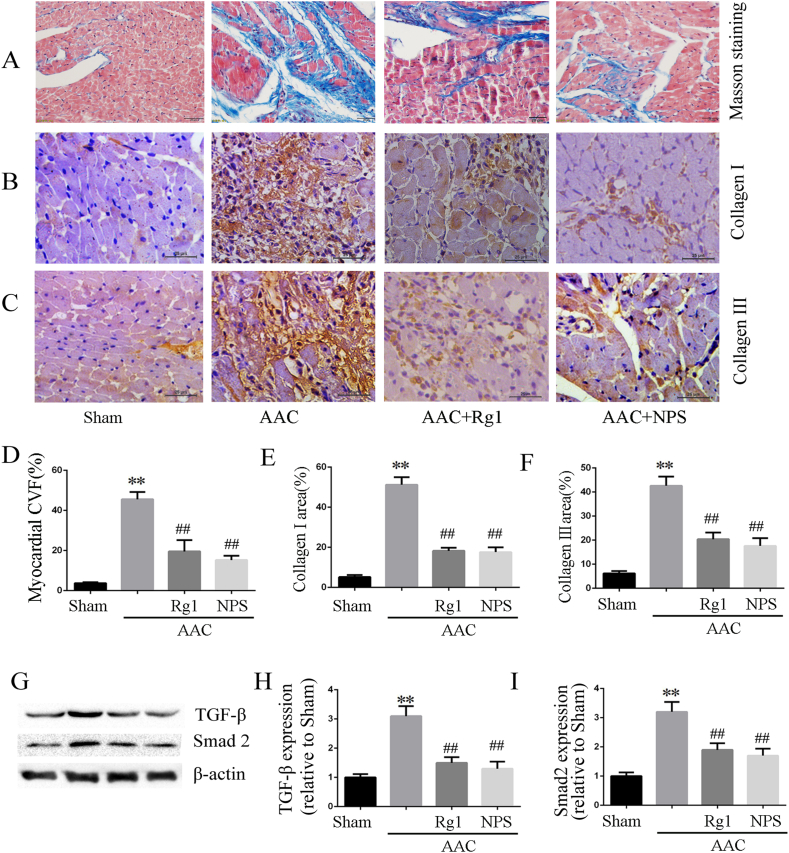
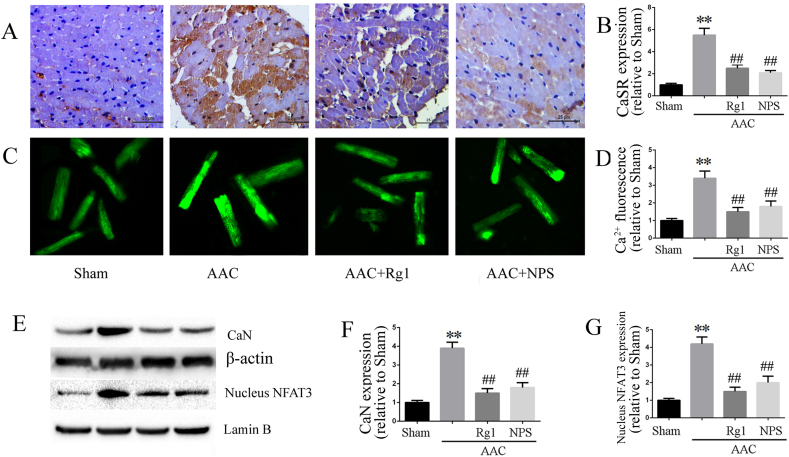
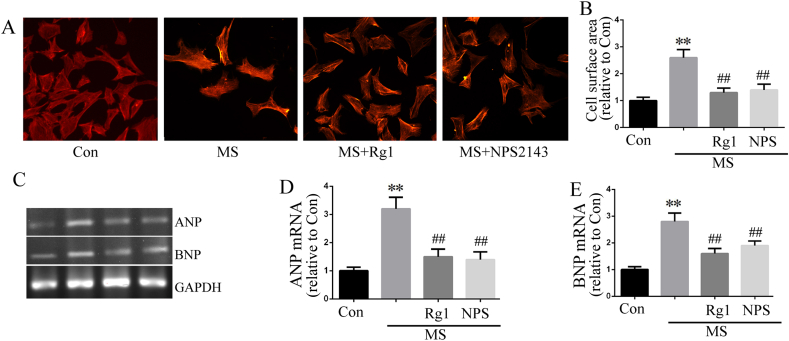
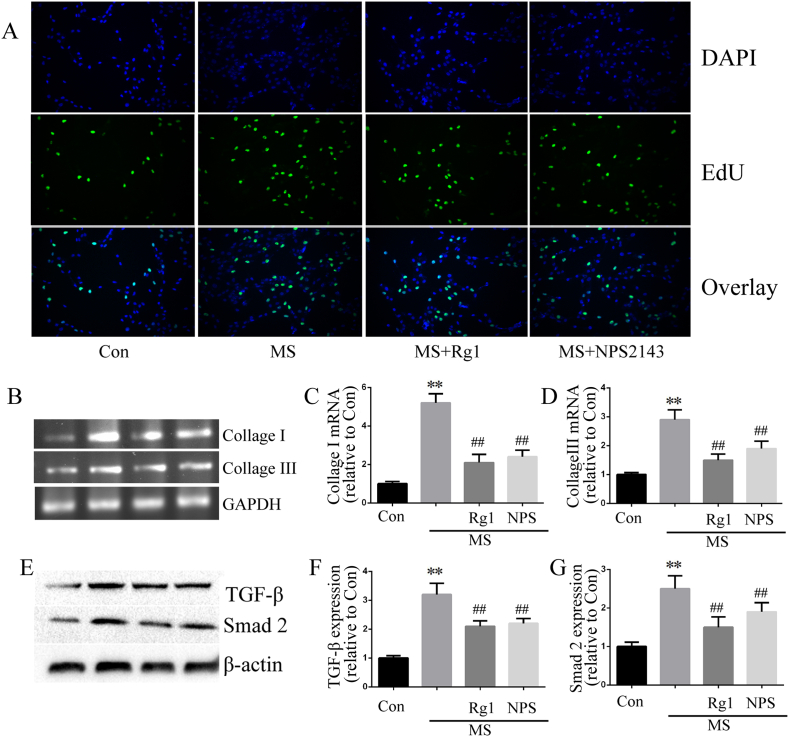
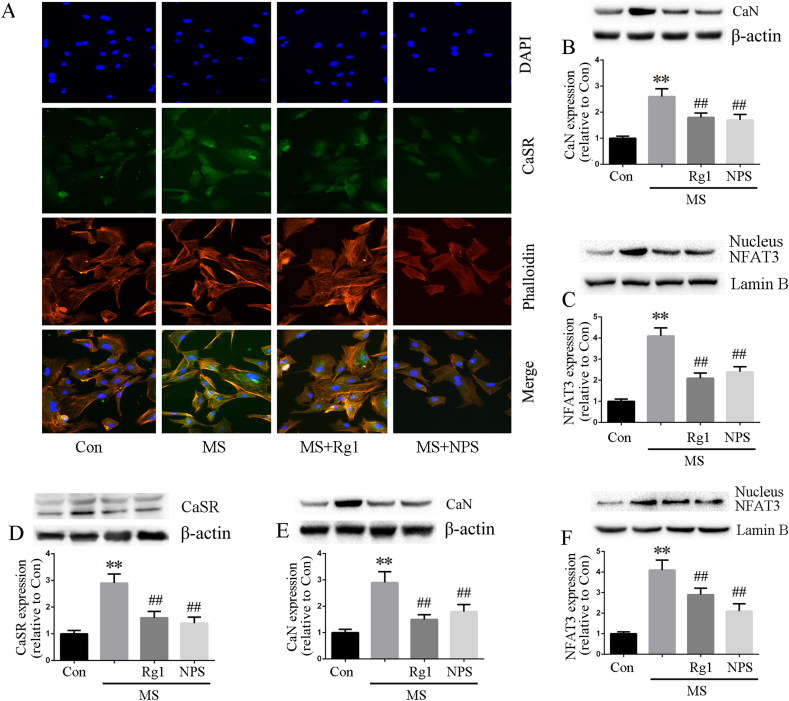
Mechanical stress was implemented on rats through abdominal aortic constriction (AAC) procedure and on cardiomyocytes and cardiac fibroblasts by mechanical stretching with Bioflex Collagen I plates. The effects of Rg1 on cell hypertrophy, fibrosis, cardiac function, [Ca], and the expression of CaSR and calcineurin (CaN) were assayed both on rat and cellular level.
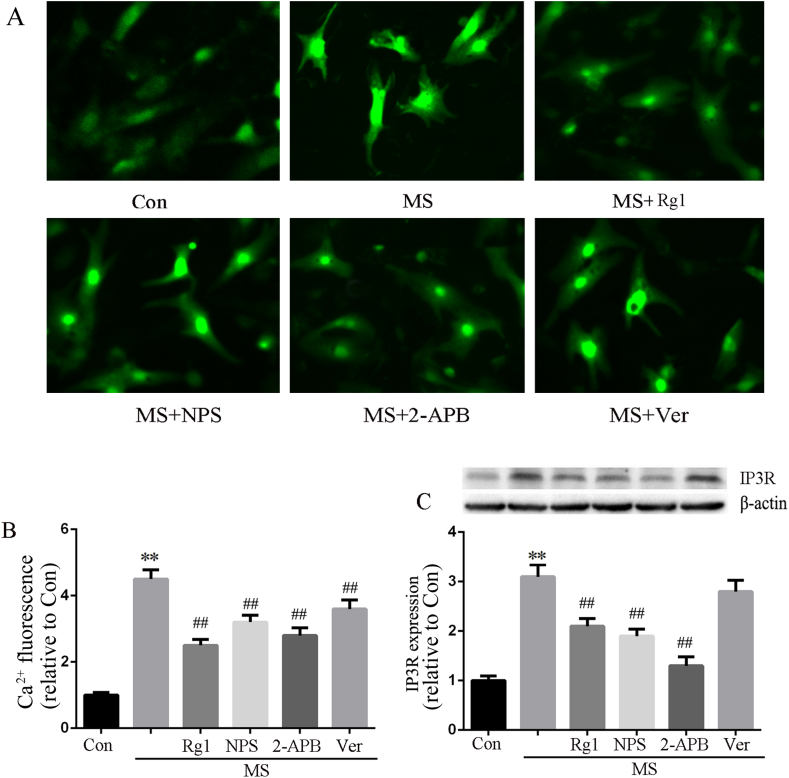
Rg1 alleviated cardiac hypertrophy and fibrosis, and improved cardiac decompensation induced by AAC in rat myocardial tissue and cultured cardiomyocytes and cardiac fibroblasts. Importantly, Rg1 treatment inhibited CaSR expression and increase of [Ca], which similar to the CaSR inhibitor NPS2143. In addition, Rg1 treatment inhibited CaN and TGF-β1 pathways activation. Mechanistic analysis showed that the CaSR agonist GdCl could not further increase the [Ca] and CaN pathway related protein expression induced by mechanical stretching in cultured cardiomyocytes. CsA, an inhibitor of CaN, inhibited cardiac hypertrophy, cardiac fibrosis, [Ca] and CaN signaling but had no effect on CaSR expression.
The activation of CaN pathway and the increase of [Ca] mediated by CaSR are involved in cardiac hypertrophy and fibrosis, that may be the target of cardioprotection of Rg1 against myocardial injury.
人参皂苷Rg1(Rg1)已被充分证明对各种心血管疾病有效。本研究旨在评估Rg1对机械应力诱导的心脏损伤的影响及其可能机制,重点关注钙敏感受体(CaSR)信号通路。
通过腹主动脉缩窄(AAC)手术对大鼠施加机械应力,并用Bioflex I型胶原板对心肌细胞和心脏成纤维细胞进行机械拉伸。在大鼠和细胞水平上检测Rg1对细胞肥大、纤维化、心脏功能、[Ca]以及CaSR和钙调神经磷酸酶(CaN)表达的影响。
Rg1减轻了大鼠心肌组织、培养的心肌细胞和心脏成纤维细胞中由AAC诱导的心脏肥大和纤维化,并改善了心脏失代偿。重要的是,Rg1处理抑制了CaSR表达和[Ca]的升高,这与CaSR抑制剂NPS2143相似。此外,Rg1处理抑制了CaN和TGF-β1通路的激活。机制分析表明,CaSR激动剂GdCl不能进一步增加培养的心肌细胞中由机械拉伸诱导的[Ca]和CaN通路相关蛋白的表达。CaN抑制剂环孢素A(CsA)抑制心脏肥大、心脏纤维化、[Ca]和CaN信号,但对CaSR表达无影响。
CaN通路的激活以及由CaSR介导的[Ca]升高参与了心脏肥大和纤维化,这可能是Rg1对心肌损伤心脏保护作用的靶点。