Asante-Kwatia Evelyn, Adjei Silas, Jibira Yakubu, Gyimah Lord, Adjei-Hinneh George, Amponsah Isaac Kingsley, Mensah Abraham Yeboah
Department of Pharmacognosy, Faculty of Pharmacy and Pharmaceutical Sciences, College of Health Sciences, Kwame Nkrumah University of Science and Technology, Kumasi, Ghana.
Department of Herbal Medicine, Faculty of Pharmacy and Pharmaceutical Sciences, College of Health Sciences, Kwame Nkrumah University of Science and Technology, Kumasi, Ghana.
Heliyon. 2021 Oct 27;7(11):e08261. doi: 10.1016/j.heliyon.2021.e08261. eCollection 2021 Nov.
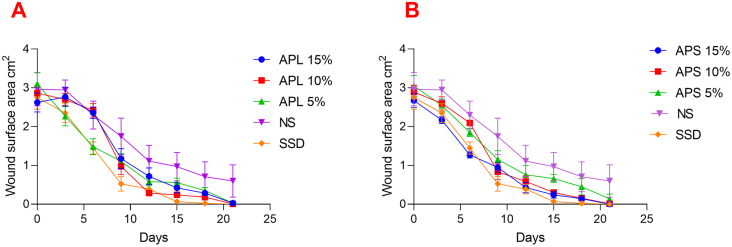
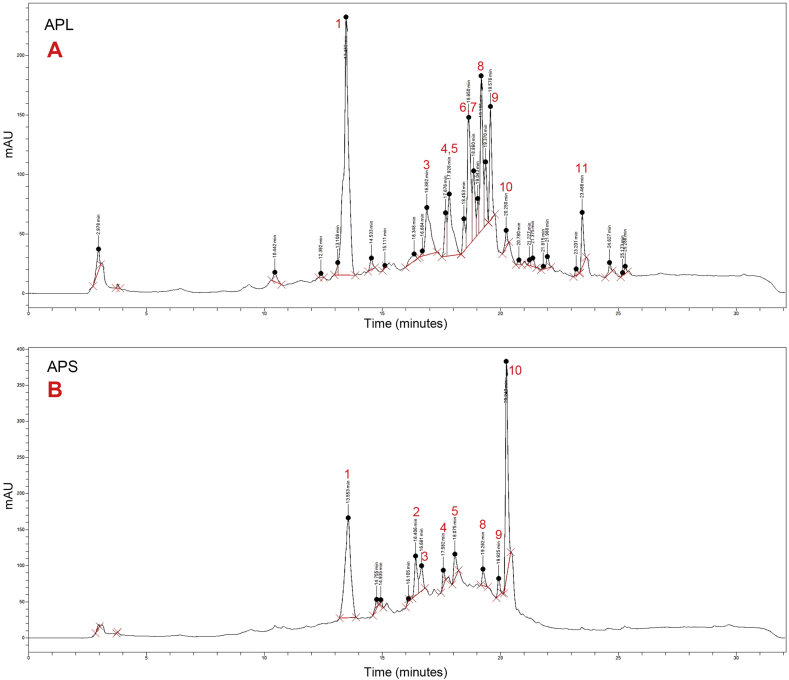
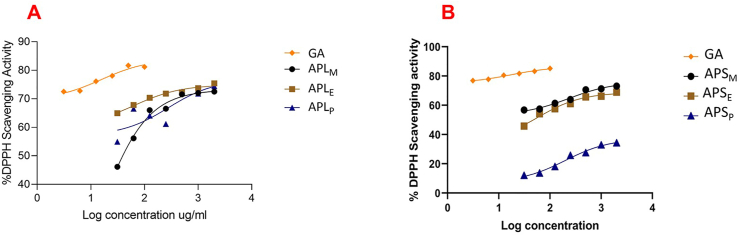
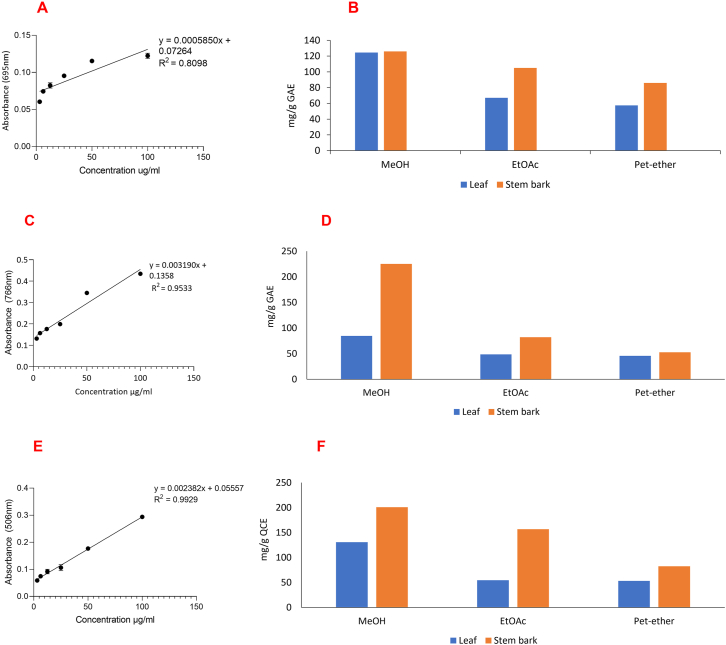
The present study evaluated the wound healing, anthelmintic and antioxidant potentials of crude methanol extracts and fractions (petroleum ether, ethyl acetate and methanol) of the leaves and stem bark of . Wound healing activity was determined by the dermal excision model in rats; anthelmintic activity was evaluated by the adult worm motility test using the adult Indian worm, . Total flavonoid, phenolic content and antioxidant activity were assessed by the aluminum chloride colorimetric, Folin Ciocalteu, 1, 1-diphenyl-2-picrylhydrazyl (DPPH) free radical scavenging and total antioxidant capacity (TAC) assays respectively. HPLC/UV fingerprints were developed for quality control. The maximum amount of phenolics and flavonoids were detected in the methanol fractions of the stem bark (225.0 ± 20.0 mg/g gallic acid equivalent (GAE) and 201.0 ± 1.41 mg/g quercetin equivalent (QCE) respectively) and leaves (84.54 ± 1.36 mg/g GAE and 130.7 ± 1.71 mg/g QCE, respectively). Both leaf and bark displayed remarkable free radical scavenging and TAC with the highest effect given by the methanol fractions. Significant ( < 0.05) wound contraction was achieved by topical application of the leaf (APL) and stem bark (APS) ointments (5-15%) with >90 % wound surface closure for 1% silver sulphadiazine, APS 15% and APL 10% treated groups by day 15. APL and APS demonstrated a concentration- and time-dependent paralysis and mortality of the with APL (6.25 mg/mL) causing worm paralysis at 82.60 min and death at 93 min, better than 10 mg/mL albendazole (paralysis at 76.30 min; death at 117 min). Tannins, triterpenoids, phytosterols, flavonoids, saponins and coumarins were detected in the leaves and bark. The results have proven the potential of as a wound healing and anthelmintic agent, giving scientific credence to its use in traditional medicine.
本研究评估了[植物名称]叶和茎皮的粗甲醇提取物及其馏分(石油醚、乙酸乙酯和甲醇)的伤口愈合、驱虫和抗氧化潜力。通过大鼠皮肤切除模型测定伤口愈合活性;使用成年印度蚯蚓通过成虫运动试验评估驱虫活性。分别通过氯化铝比色法、福林-西奥尔特法、1,1-二苯基-2-苦基肼(DPPH)自由基清除法和总抗氧化能力(TAC)测定法评估总黄酮、酚类含量和抗氧化活性。建立了HPLC/UV指纹图谱用于质量控制。在茎皮的甲醇馏分(分别为225.0±20.0mg/g没食子酸当量(GAE)和201.0±1.41mg/g槲皮素当量(QCE))和叶(分别为84.54±1.36mg/g GAE和130.7±1.71mg/g QCE)中检测到的酚类和黄酮类物质含量最高。叶和树皮均表现出显著的自由基清除能力和TAC,甲醇馏分的效果最佳。通过局部应用叶(APL)和茎皮(APS)软膏(5 - 15%)实现了显著(<0.05)的伤口收缩,到第15天,1%磺胺嘧啶银、APS 15%和APL 10%处理组的伤口表面闭合率>90%。APL和APS对[蚯蚓名称]表现出浓度和时间依赖性的麻痹和致死作用,APL(6.25mg/mL)在82.60分钟时导致蚯蚓麻痹,在93分钟时致死,优于10mg/mL阿苯达唑(在76.30分钟时麻痹;在117分钟时死亡)。在叶和树皮中检测到了单宁、三萜类化合物、植物甾醇、黄酮类化合物、皂苷和香豆素。结果证明了[植物名称]作为伤口愈合和驱虫剂的潜力,为其在传统医学中的应用提供了科学依据。