Zhang Peisen, Meng Junli, Li Yingying, Yang Chen, Hou Yi, Tang Wen, McHugh Kevin J, Jing Lihong
Key Laboratory of Colloid, Interface and Chemical Thermodynamics, Institute of Chemistry, Chinese Academy of Sciences, Bei Yi Jie 2, Zhong Guan Cun, Beijing 100190, China.
College of Life Science and Technology, Beijing University of Chemical Technology, Beijing 100029, China.
Innovation (Camb). 2021 Oct 14;2(4):100174. doi: 10.1016/j.xinn.2021.100174. eCollection 2021 Nov 28.
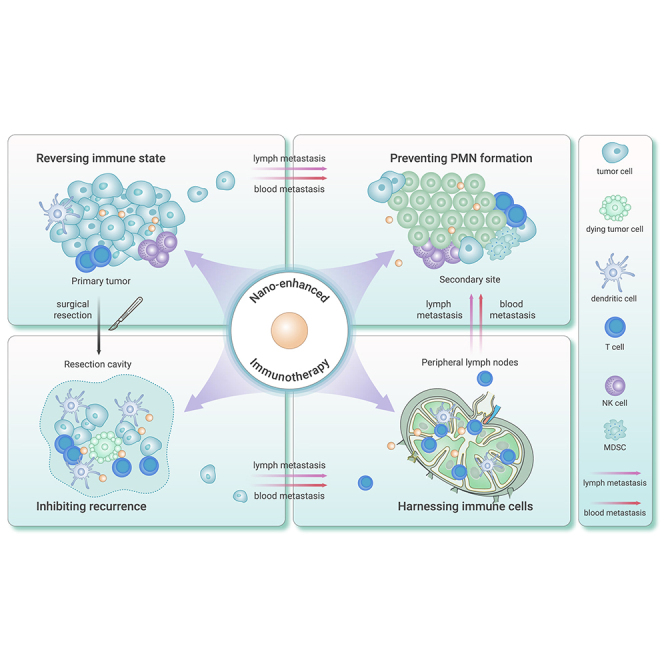
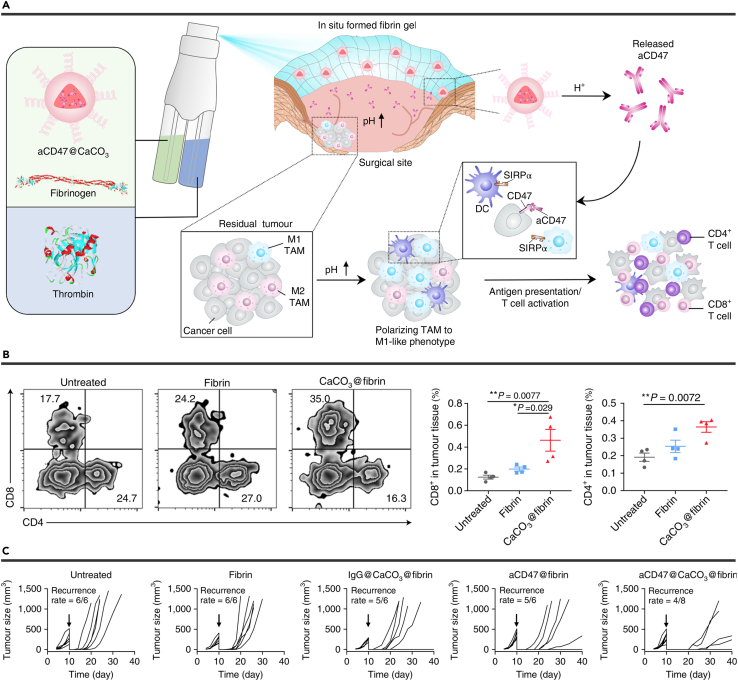
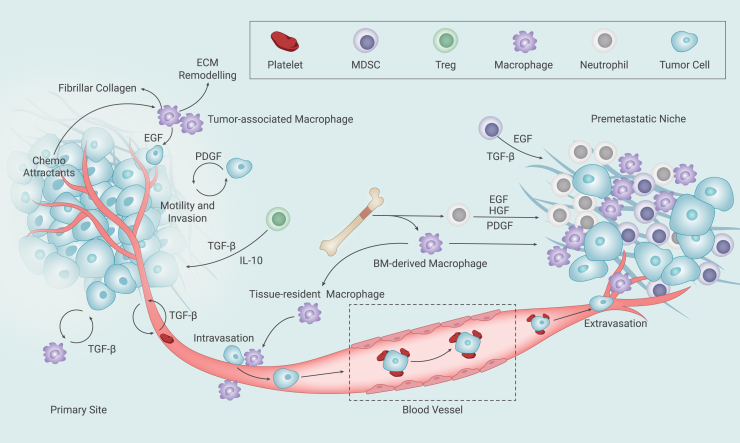
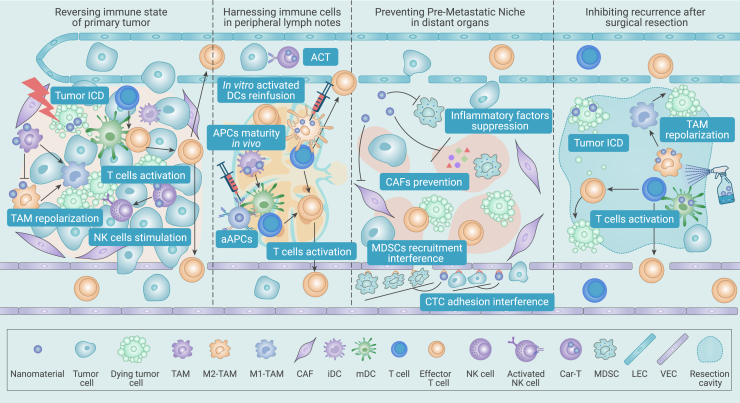
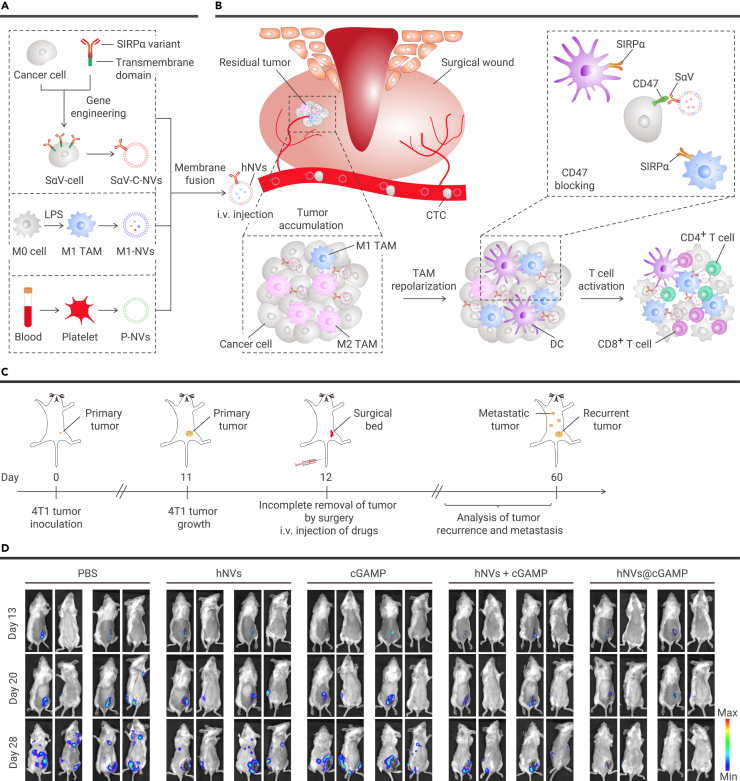
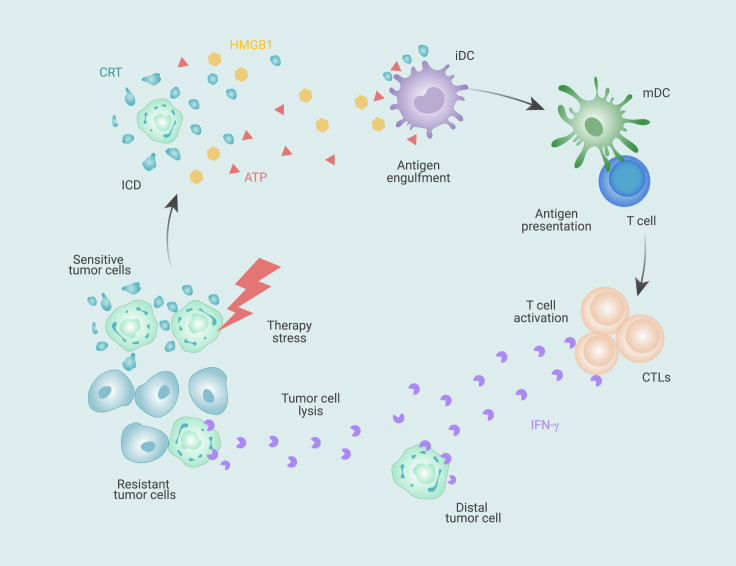
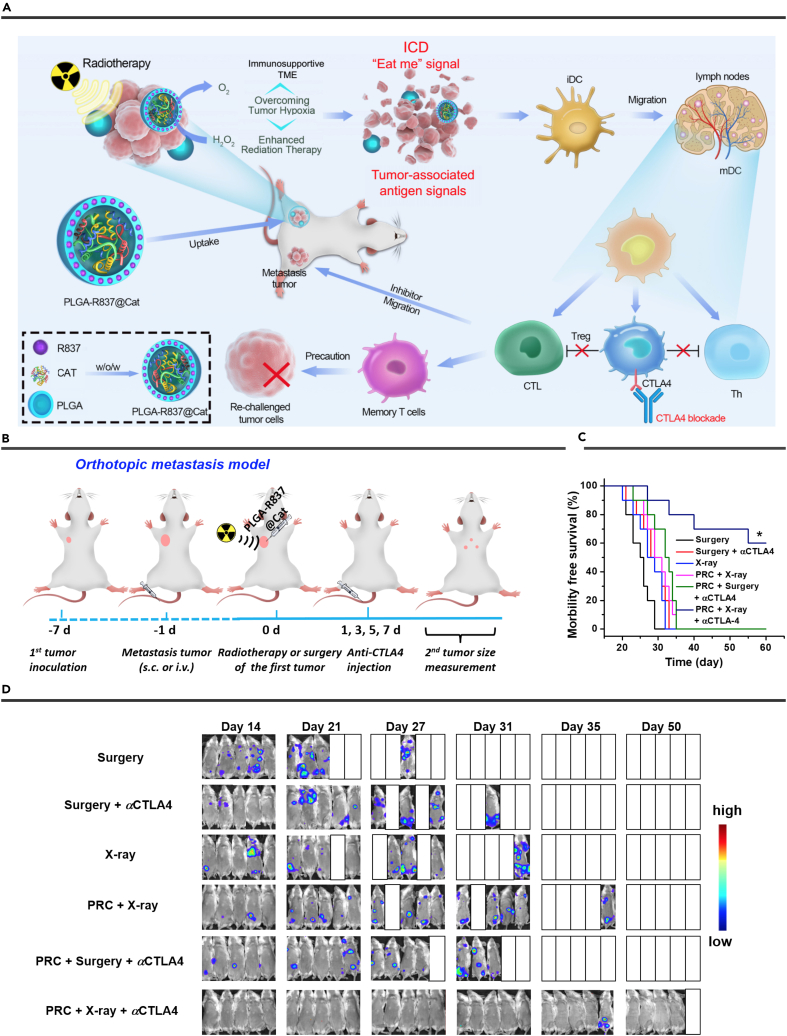
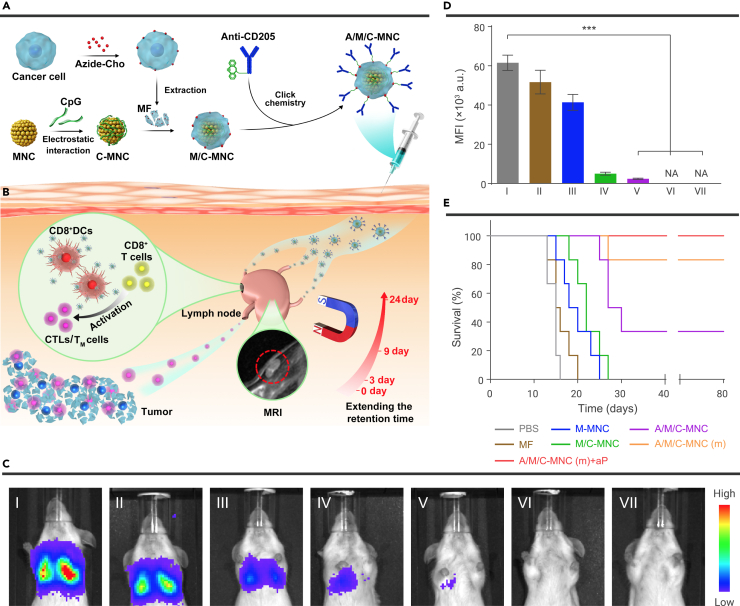
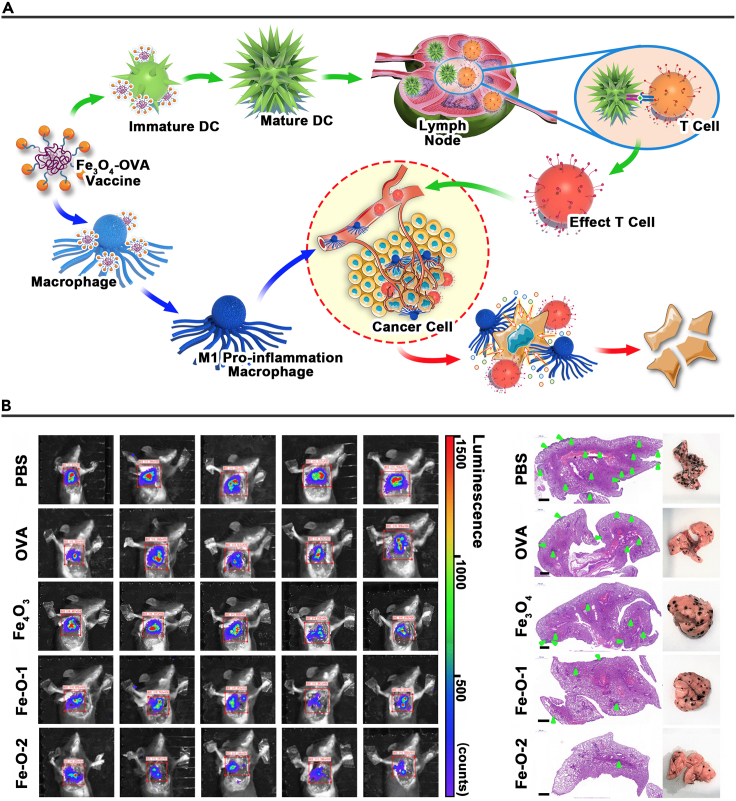
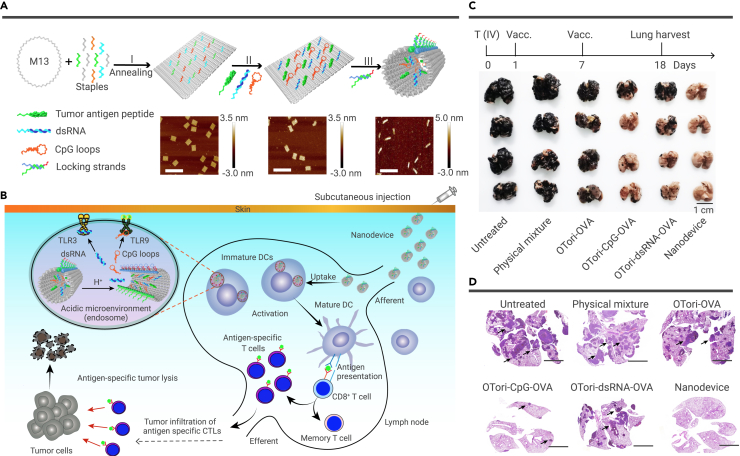
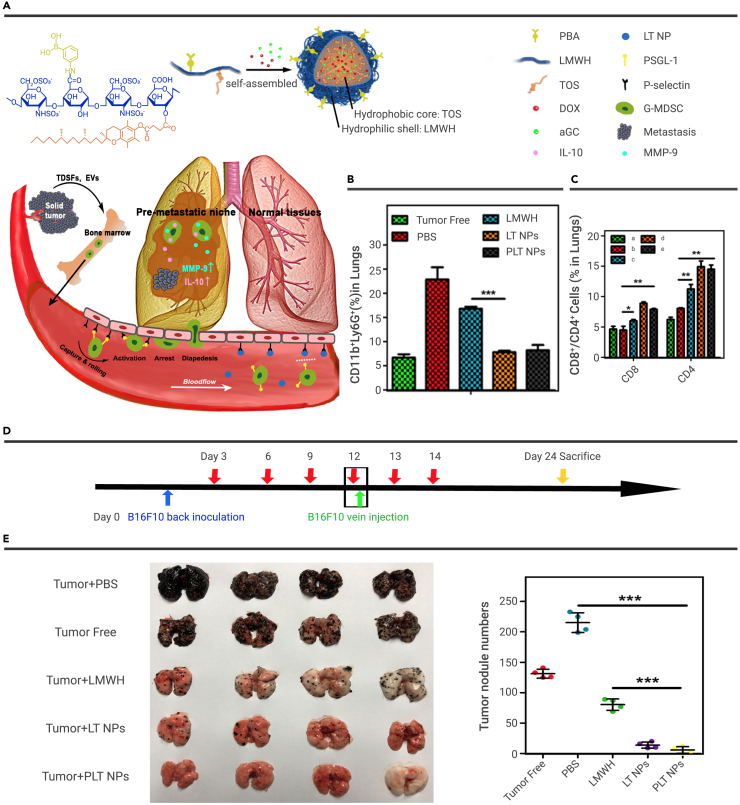
A vast majority of cancer deaths occur as a result of metastasis. Unfortunately, effective treatments for metastases are currently lacking due to the difficulty of selectively targeting these small, delocalized tumors distributed across a variety of organs. However, nanotechnology holds tremendous promise for improving immunotherapeutic outcomes in patients with metastatic cancer. In contrast to conventional cancer immunotherapies, rationally designed nanomaterials can trigger specific tumoricidal effects, thereby improving immune cell access to major sites of metastasis such as bone, lungs, and lymph nodes, optimizing antigen presentation, and inducing a persistent immune response. This paper reviews the cutting-edge trends in nano-immunoengineering for metastatic cancers with an emphasis on different nano-immunotherapeutic strategies. Specifically, it discusses directly reversing the immunological status of the primary tumor, harnessing the potential of peripheral immune cells, preventing the formation of a pre-metastatic niche, and inhibiting the tumor recurrence through postoperative immunotherapy. Finally, we describe the challenges facing the integration of nanoscale immunomodulators and provide a forward-looking perspective on the innovative nanotechnology-based tools that may ultimately prove effective at eradicating metastatic diseases.
绝大多数癌症死亡是由转移引起的。不幸的是,由于难以选择性地靶向这些分布在各种器官中的小的、非局部化的肿瘤,目前缺乏针对转移灶的有效治疗方法。然而,纳米技术在改善转移性癌症患者的免疫治疗效果方面具有巨大潜力。与传统的癌症免疫疗法相比,合理设计的纳米材料可以引发特定的杀瘤效应,从而改善免疫细胞进入骨、肺和淋巴结等主要转移部位的情况,优化抗原呈递,并诱导持续的免疫反应。本文综述了转移性癌症纳米免疫工程的前沿趋势,重点介绍了不同的纳米免疫治疗策略。具体而言,它讨论了直接逆转原发性肿瘤的免疫状态、利用外周免疫细胞的潜力、预防转移前生态位的形成以及通过术后免疫疗法抑制肿瘤复发。最后,我们描述了纳米级免疫调节剂整合面临的挑战,并对基于创新纳米技术的工具提供了前瞻性的展望,这些工具最终可能被证明对根除转移性疾病有效。