Shemyakin-Ovchinnikov Institute of Bioorganic Chemistry, Russian Academy of Sciences, 117997 Moscow, Russia.
Int J Mol Sci. 2021 Oct 30;22(21):11799. doi: 10.3390/ijms222111799.
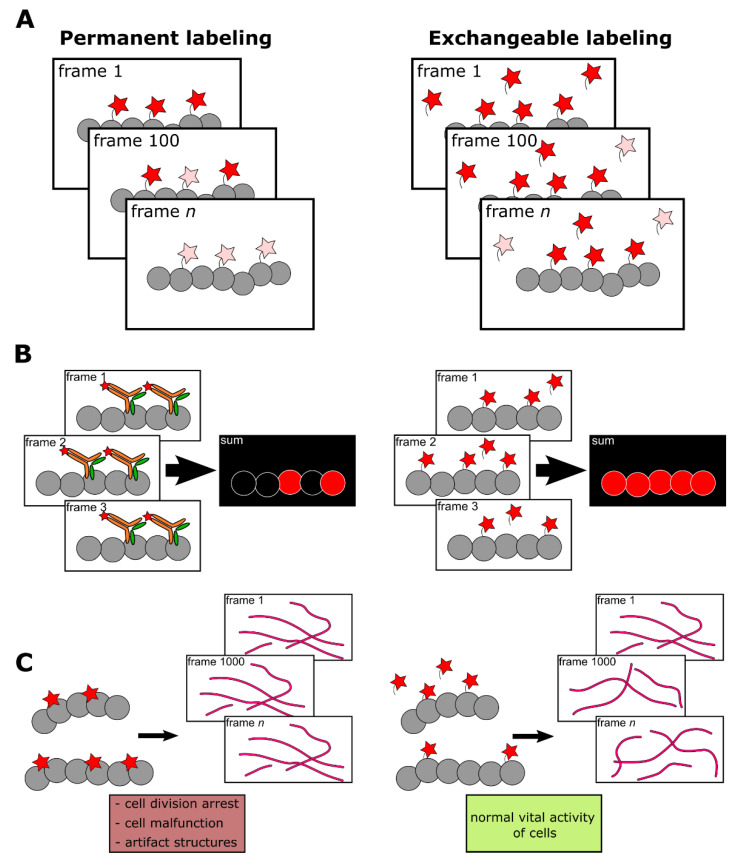
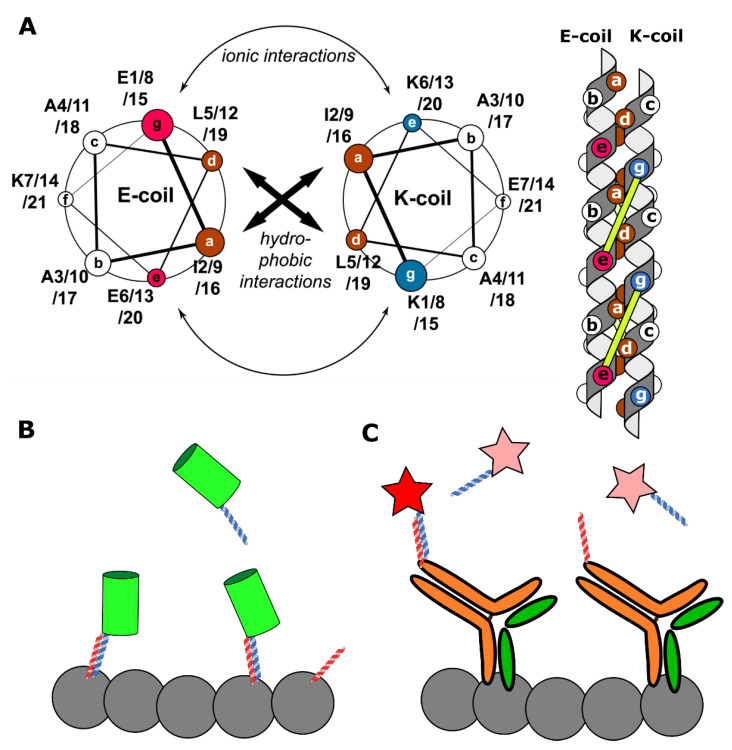
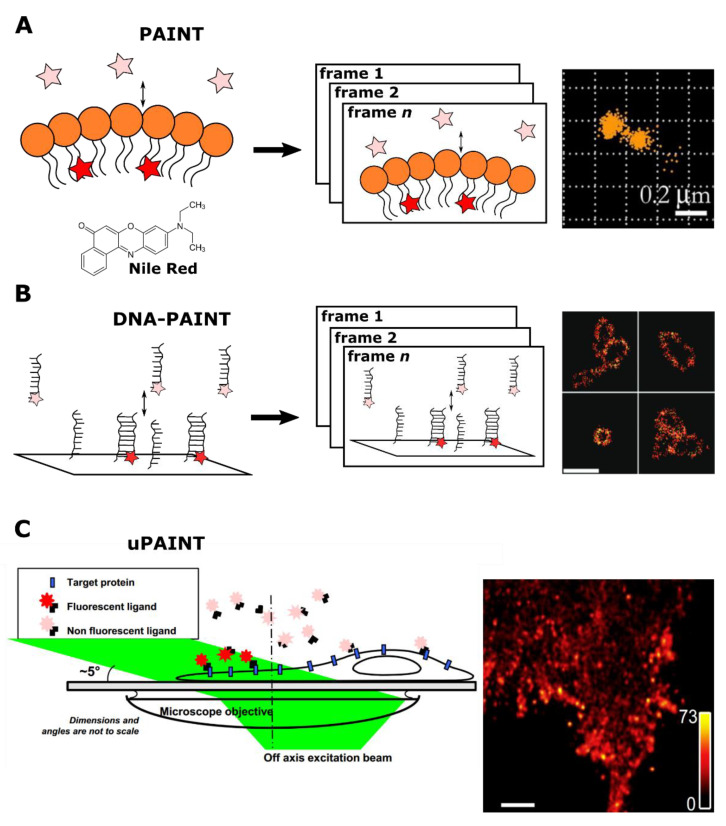
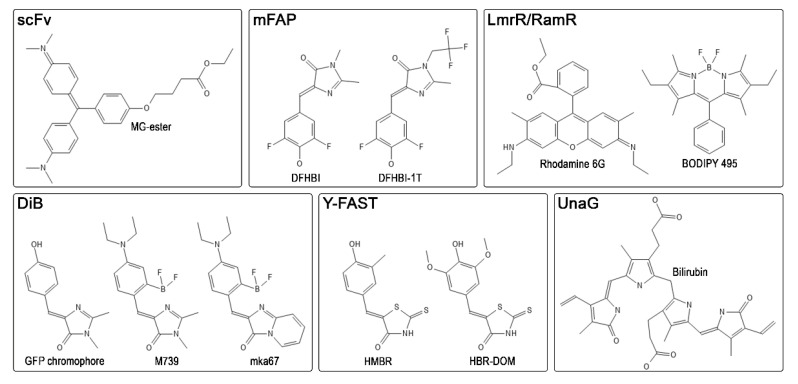
Fluorescent labeling is an established method for visualizing cellular structures and dynamics. The fundamental diffraction limit in image resolution was recently bypassed with the development of super-resolution microscopy. Notably, both localization microscopy and stimulated emission depletion (STED) microscopy impose tight restrictions on the physico-chemical properties of labels. One of them-the requirement for high photostability-can be satisfied by transiently interacting labels: a constant supply of transient labels from a medium replenishes the loss in the signal caused by photobleaching. Moreover, exchangeable tags are less likely to hinder the intrinsic dynamics and cellular functions of labeled molecules. Low-affinity labels may be used both for fixed and living cells in a range of nanoscopy modalities. Nevertheless, the design of optimal labeling and imaging protocols with these novel tags remains tricky. In this review, we highlight the pros and cons of a wide variety of transiently interacting labels. We further discuss the state of the art and future perspectives of low-affinity labeling methods.
荧光标记是可视化细胞结构和动态的一种成熟方法。最近,随着超分辨率显微镜的发展,人们已经绕过了图像分辨率的基本衍射极限。值得注意的是,定位显微镜和受激发射损耗(STED)显微镜都对标记的物理化学性质施加了严格的限制。其中之一是对高光稳定性的要求,可以通过瞬时相互作用的标记来满足:从中性缓冲液中不断供应的瞬时标记可以补充由于光漂白而导致的信号损失。此外,可交换的标签不太可能阻碍标记分子的固有动力学和细胞功能。在各种纳米显微镜模式下,低亲和力的标签都可以用于固定和活细胞。然而,用这些新型标签设计最佳的标记和成像方案仍然很棘手。在这篇综述中,我们强调了各种瞬时相互作用标签的优缺点。我们还进一步讨论了低亲和力标记方法的最新技术和未来展望。