Faculty of Animal Science and Veterinary Medicine, Thai Nguyen University Agriculture and Forestry, Thai Nguyen, Vietnam; State Key Laboratory of Animal Nutrition, College of Animal Science and Technology, China Agricultural University, Beijing, China.
State Key Laboratory of Animal Nutrition, College of Animal Science and Technology, China Agricultural University, Beijing, China.
Poult Sci. 2022 Jan;101(1):101563. doi: 10.1016/j.psj.2021.101563. Epub 2021 Oct 25.
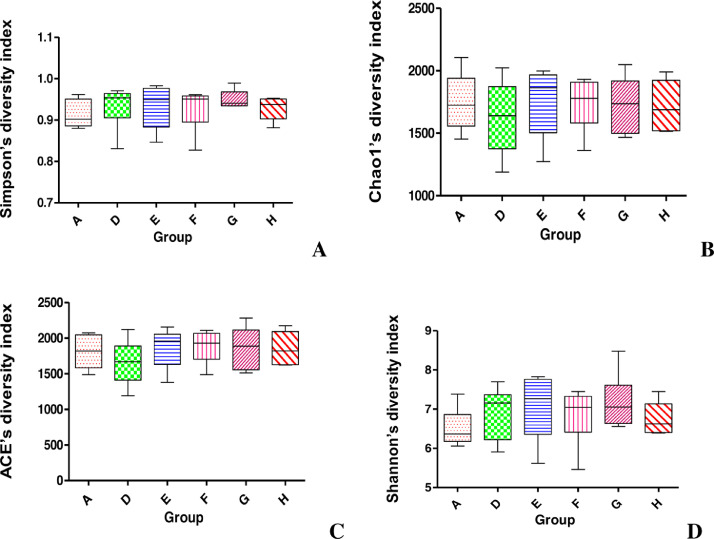
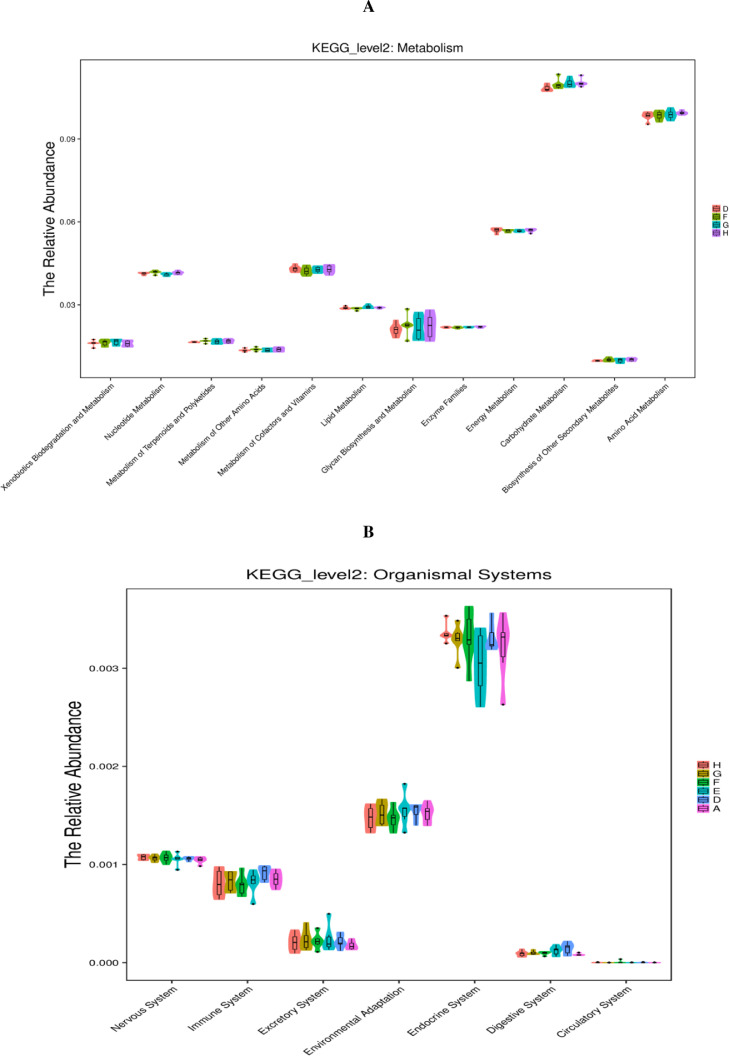
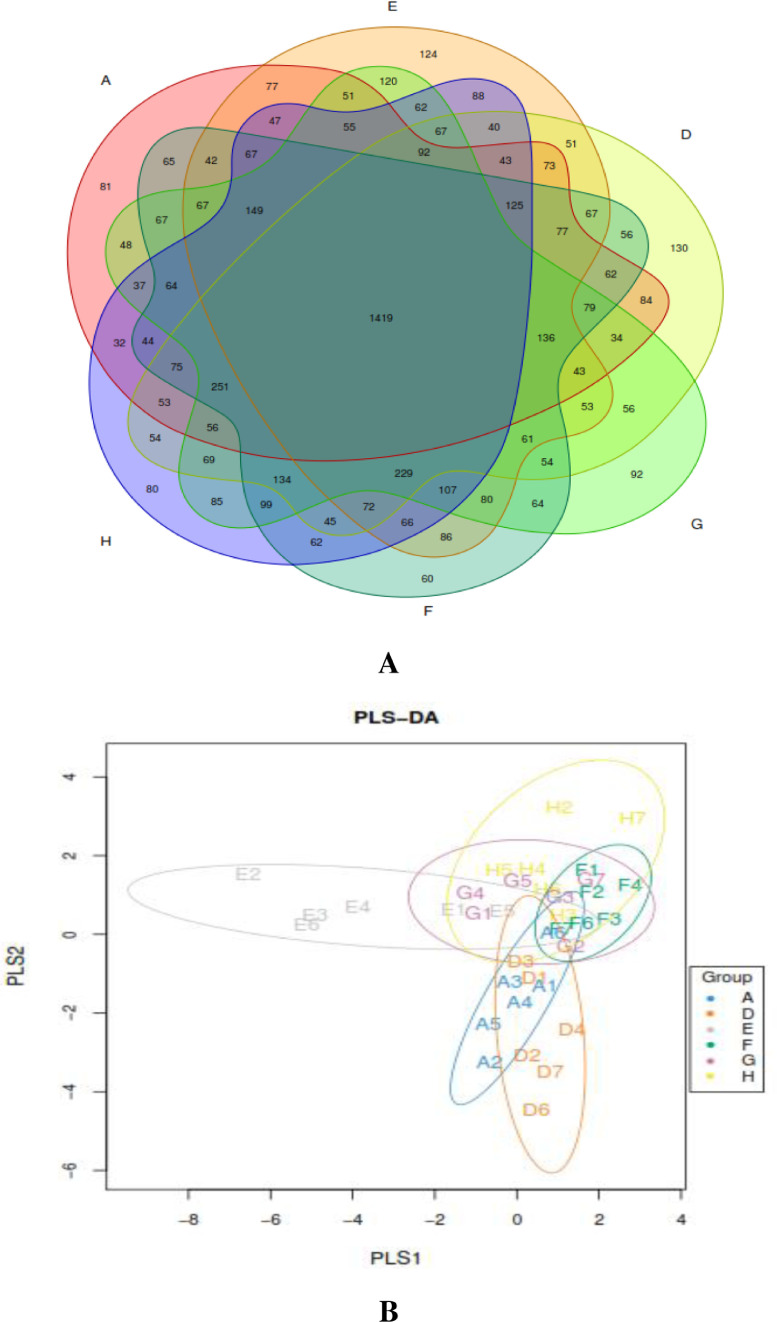
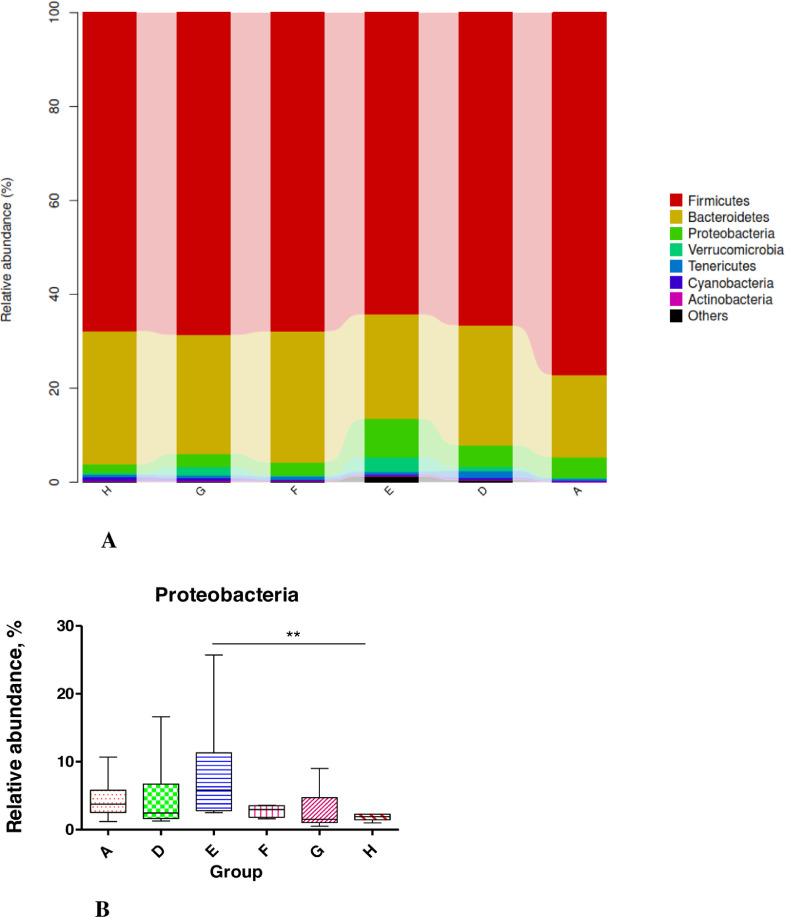
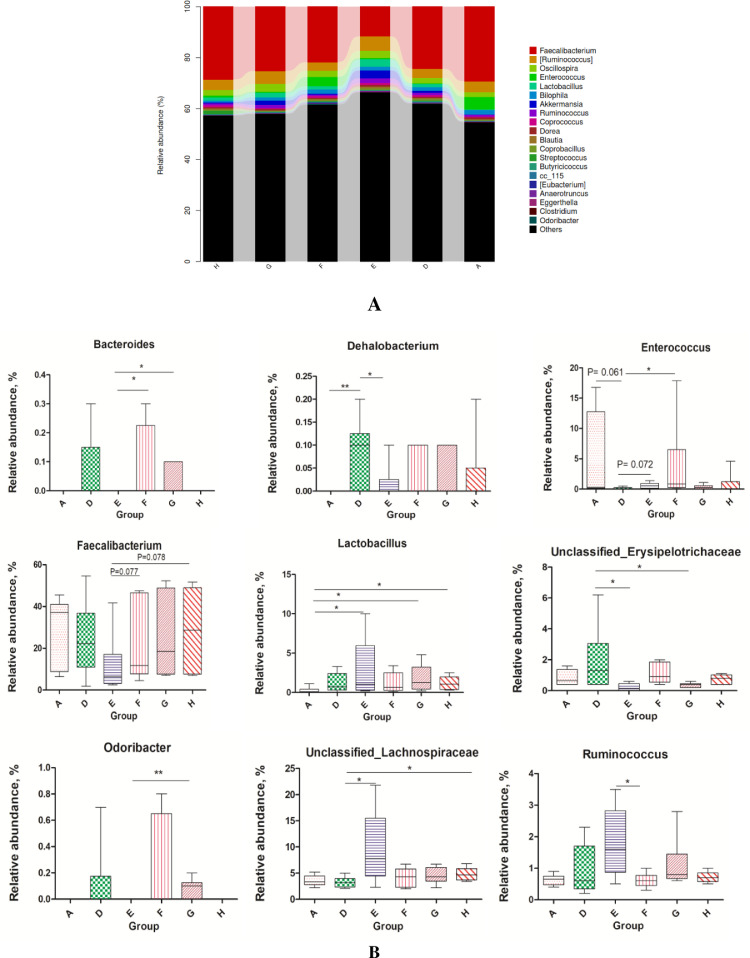
The effects of a blend of encapsulated organic acids with essential oils (EOA) as an alternative to antimicrobial growth promoter (AGP) on growth performance and gut health of Eimeria spp./Clostridium perfringens (C. perfringens) in chickens infected with necrotic enteritis (NE) broilers was investigated. A total of 432 male Arbor Acres broilers (1-day-old) were randomly distributed into 6 treatment groups, namely noninfected negative control (A); NE-infected positive control (D); NE-infected broiler chickens fed a basal diet supplemented with 250 mg/kg bacitracin methylene disalicylate (BMD) plus 90 mg/kg monensin; and NE-infected broiler chicken fed 200; 500; and 800 mg/kg EOA (E, F, G, and H group). Feeding EOA at 200 and 500 mg/kg considerably improved the feed conversion ratio, reduced gut lesions, serum fluorescein isothiocyanate dextran level, and C. perfringens load in the caecum and liver of the NE-infected broiler chickens. This feed was similar to AGP. Furthermore, the increased villous height-to-crypt depth ratio and goblet cells counts, upregulated claudin-1, glucagon-like peptide-2 (GLP-2), insulin-like growth factor-2 (IGF-2) mRNA gene expression, downregulated occludin, zonula occludens-1 (ZO-1), toll-like receptor (TLR-4), interleukin (IL-1β), interferon γ (IFN-γ), TNF receptor-associated factor 6 (TRAF-6), tumor necrosis factor superfamily member 15 (TNFSF15), and Toll-interacting protein (Tollip) genes expression in the jejunum were observed in the NE-infected broiler chickens that received EOA at 200 and 500 mg/kg compared with those of the single NE-challenged groups without EOA supplementations (P < 0.05). The 16S analysis revealed that EOA supplemented with 200 or 500 mg/kg enriched relative abundance of Lactobacillus, unclassified_Lachnospiraceae, and Enterococcus, and carbohydrate metabolic pathways but suppressed unclassified_Erysipelotrichacease and organismal systems involved in the immune system (P < 0.05). Feeding EOA could alleviate NE-induced gut impairment and growth depression and modulate cecal microbiota composition, which has potential as antimicrobial alternatives.
本研究旨在探讨包被有机酸盐与精油(EOA)混合物作为抗菌生长促进剂(AGP)替代品对感染坏死性肠炎(NE)肉鸡的艾美耳球虫/产气荚膜梭菌(C. perfringens)的生长性能和肠道健康的影响。将 432 只雄性 Arbor Acres 肉鸡(1 日龄)随机分为 6 个处理组,即非感染阴性对照(A);NE 感染阳性对照(D);NE 感染肉鸡基础日粮中添加 250mg/kg 杆菌肽甲脒二水杨酸盐(BMD)+90mg/kg 莫能菌素;以及 NE 感染肉鸡分别饲喂 200、500 和 800mg/kg EOA(E、F、G 和 H 组)。在 200 和 500mg/kg 时,EOA 显著提高了饲料转化率,降低了肠道病变、血清荧光素异硫氰酸酯葡聚糖水平和盲肠及肝脏中 C. perfringens 的载量,与 AGP 相似。此外,增加了绒毛高度与隐窝深度的比值和杯状细胞数量,上调了 Claudin-1、胰高血糖素样肽-2(GLP-2)、胰岛素样生长因子-2(IGF-2)mRNA 基因表达,下调了 Occludin、紧密连接蛋白-1(ZO-1)、Toll 样受体(TLR-4)、白细胞介素(IL-1β)、干扰素 γ(IFN-γ)、肿瘤坏死因子受体相关因子 6(TRAF-6)、肿瘤坏死因子超家族成员 15(TNFSF15)和 Toll 相互作用蛋白(Tollip)基因表达。在 200 和 500mg/kg 的 EOA 处理组中,16S 分析显示,EOA 补充剂增加了乳杆菌、未分类_Lachnospiraceae 和肠球菌的相对丰度,以及碳水化合物代谢途径,但抑制了未分类_Erysipelotrichacease 和参与免疫系统的机体系统(P < 0.05)。饲喂 EOA 可减轻 NE 引起的肠道损伤和生长抑制,并调节盲肠微生物群落组成,具有替代抗菌剂的潜力。