Tsuneki Masayuki, Kanavati Fahdi
Medmain Research, Medmain Inc., Fukuoka 810-0042, Japan.
Diagnostics (Basel). 2021 Nov 9;11(11):2074. doi: 10.3390/diagnostics11112074.
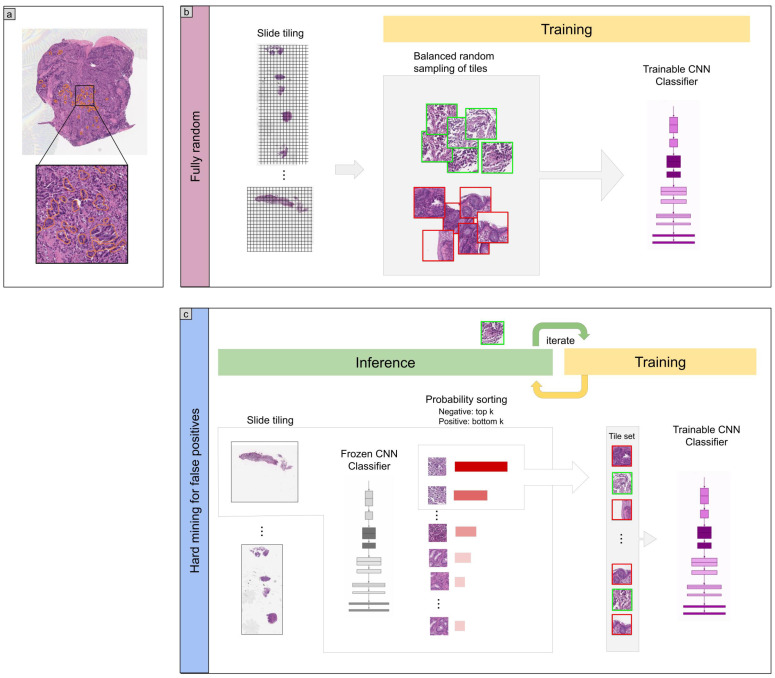
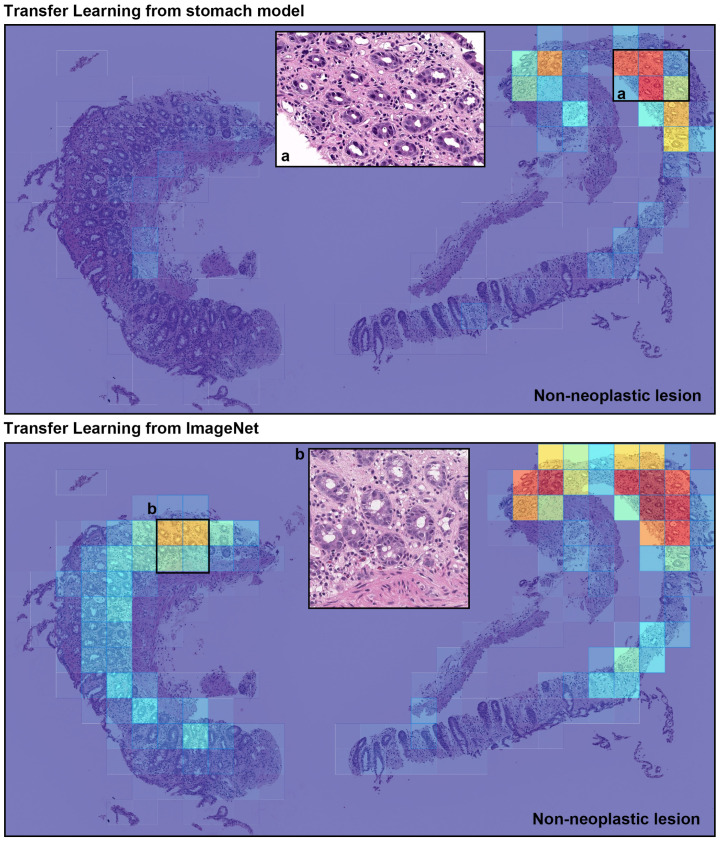
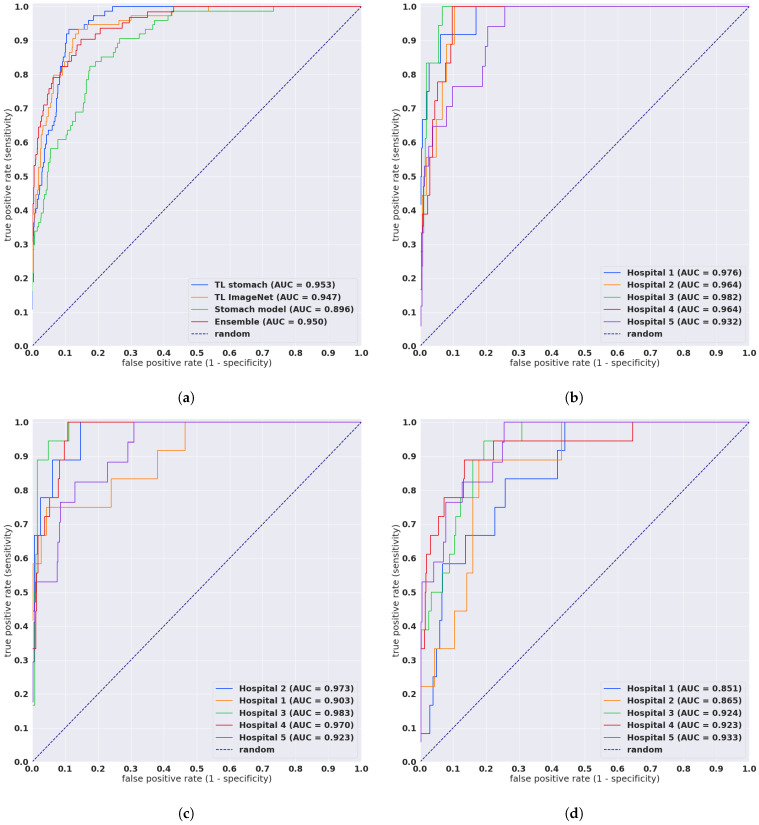
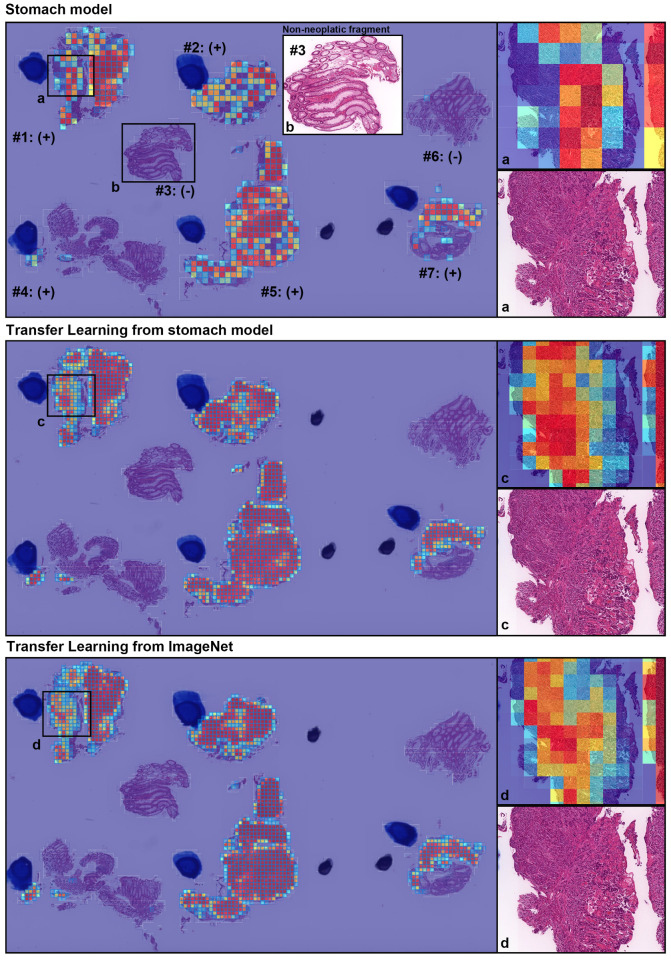
Colorectal poorly differentiated adenocarcinoma (ADC) is known to have a poor prognosis as compared with well to moderately differentiated ADC. The frequency of poorly differentiated ADC is relatively low (usually less than 5% among colorectal carcinomas). Histopathological diagnosis based on endoscopic biopsy specimens is currently the most cost effective method to perform as part of colonoscopic screening in average risk patients, and it is an area that could benefit from AI-based tools to aid pathologists in their clinical workflows. In this study, we trained deep learning models to classify poorly differentiated colorectal ADC from Whole Slide Images (WSIs) using a simple transfer learning method. We evaluated the models on a combination of test sets obtained from five distinct sources, achieving receiver operating characteristic curve (ROC) area under the curves (AUCs) up to 0.95 on 1799 test cases.
与高分化至中分化腺癌相比,结直肠低分化腺癌(ADC)的预后较差。低分化ADC的发生率相对较低(在结直肠癌中通常低于5%)。基于内镜活检标本的组织病理学诊断是目前在平均风险患者中作为结肠镜筛查一部分进行的最具成本效益的方法,并且这是一个可以受益于基于人工智能的工具以协助病理学家进行临床工作流程的领域。在本研究中,我们使用一种简单的迁移学习方法训练深度学习模型,以从全玻片图像(WSIs)中对低分化结直肠ADC进行分类。我们在从五个不同来源获得的测试集组合上对模型进行了评估,在1799个测试病例上实现了受试者操作特征曲线(ROC)下面积(AUC)高达0.95。