Kim Yeon-Wook, Joa Kyung-Lim, Jeong Han-Young, Lee Sangmin
Department of Smart Engineering Program in Biomedical Science & Engineering, Inha University, Incheon 22212, Korea.
Department of Physical and Rehabilitation Medicine, Inha University Hospital, Incheon 22332, Korea.
Sensors (Basel). 2021 Nov 17;21(22):7628. doi: 10.3390/s21227628.
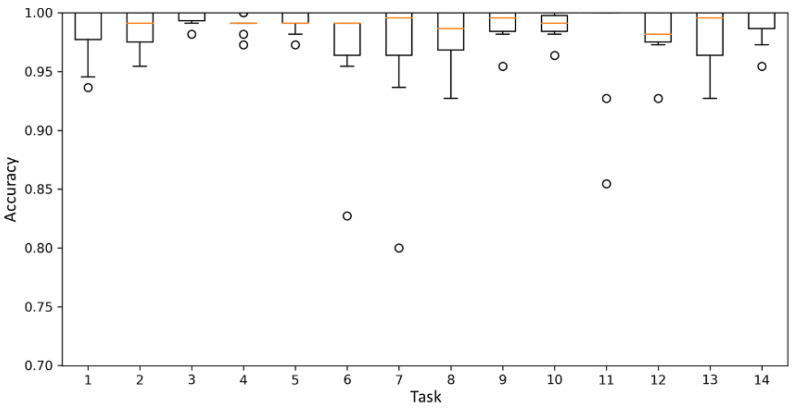
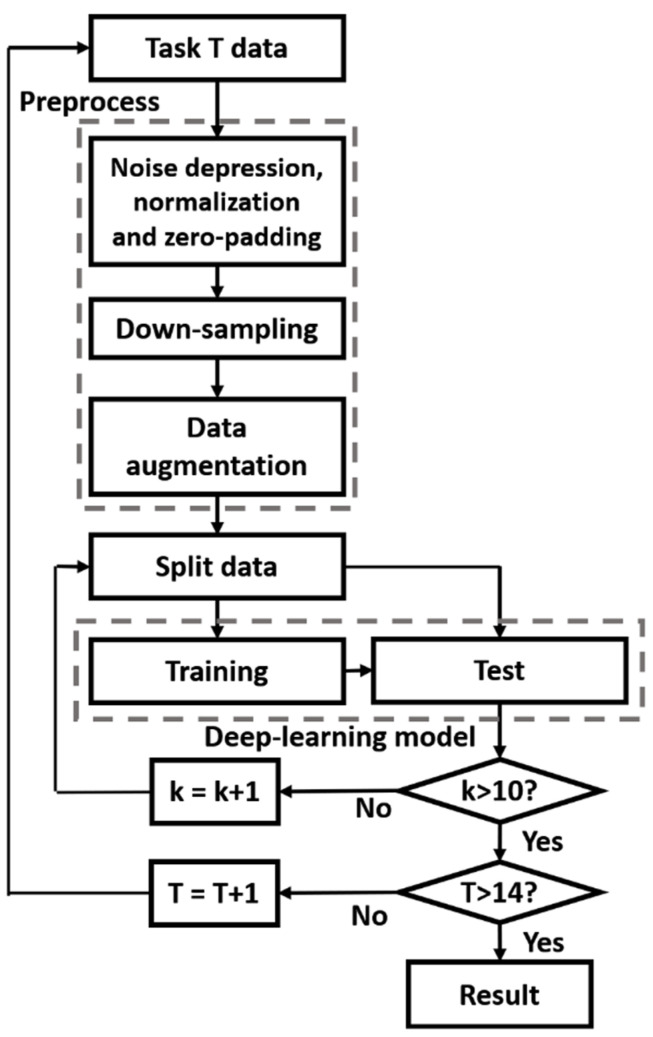
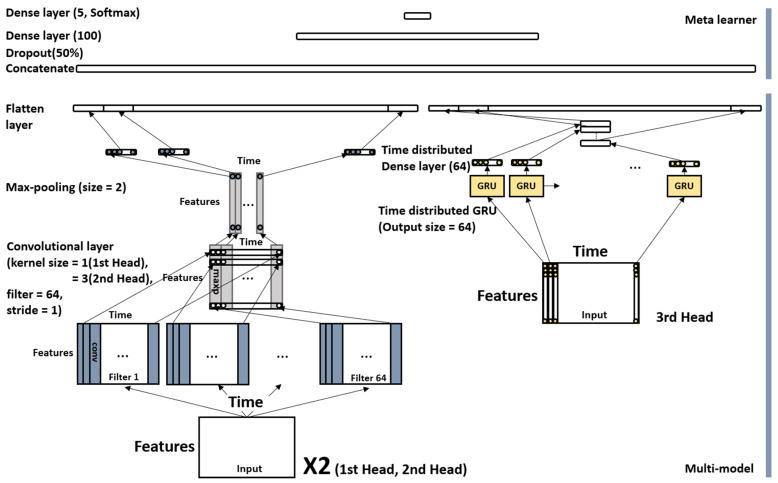
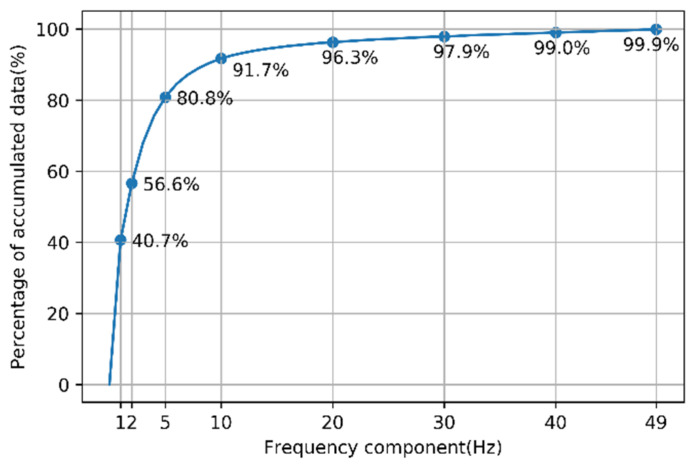
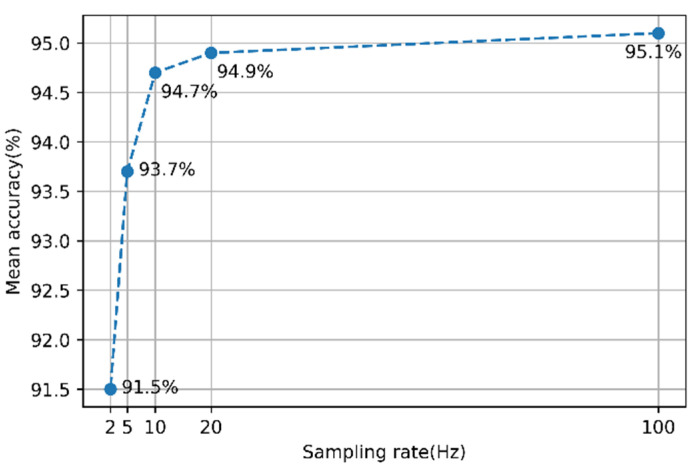
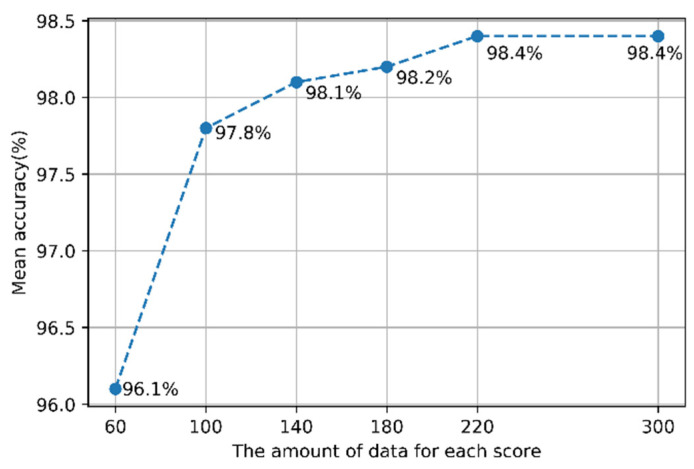
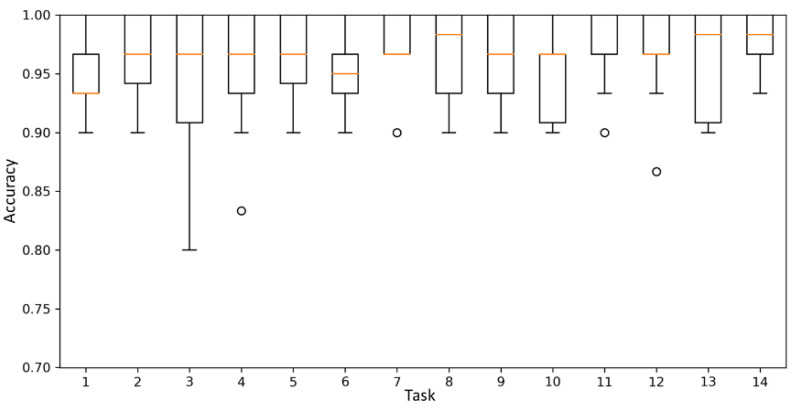
In this study, a wearable inertial measurement unit system was introduced to assess patients via the Berg balance scale (BBS), a clinical test for balance assessment. For this purpose, an automatic scoring algorithm was developed. The principal aim of this study is to improve the performance of the machine-learning-based method by introducing a deep-learning algorithm. A one-dimensional (1D) convolutional neural network (CNN) and a gated recurrent unit (GRU) that shows good performance in multivariate time-series data were used as model components to find the optimal ensemble model. Various structures were tested, and a stacking ensemble model with a simple meta-learner after two 1D-CNN heads and one GRU head showed the best performance. Additionally, model performance was enhanced by improving the dataset via preprocessing. The data were down sampled, an appropriate sampling rate was found, and the training and evaluation times of the model were improved. Using an augmentation process, the data imbalance problem was solved, and model accuracy was improved. The maximum accuracy of 14 BBS tasks using the model was 98.4%, which is superior to the results of previous studies.
在本研究中,引入了一种可穿戴惯性测量单元系统,通过伯格平衡量表(BBS)对患者进行评估,BBS是一种用于平衡评估的临床测试。为此,开发了一种自动评分算法。本研究的主要目的是通过引入深度学习算法来提高基于机器学习方法的性能。使用在多变量时间序列数据中表现良好的一维(1D)卷积神经网络(CNN)和门控循环单元(GRU)作为模型组件来寻找最优的集成模型。测试了各种结构,在两个1D-CNN头部和一个GRU头部之后使用具有简单元学习器的堆叠集成模型表现出最佳性能。此外,通过预处理改进数据集来提高模型性能。对数据进行下采样,找到合适的采样率,并改善了模型的训练和评估时间。使用增强过程,解决了数据不平衡问题,并提高了模型准确性。使用该模型对14项BBS任务的最大准确率为98.4%,优于先前研究的结果。