Kejík Zdeněk, Kaplánek Robert, Dytrych Petr, Masařík Michal, Veselá Kateřina, Abramenko Nikita, Hoskovec David, Vašáková Martina, Králová Jarmila, Martásek Pavel, Jakubek Milan
Department of Paediatrics and Inherited Metabolic Disorders, First Faculty of Medicine, Charles University and General University Hospital, 128 08 Prague, Czech Republic.
BIOCEV, First Faculty of Medicine, Charles University, 252 50 Vestec, Czech Republic.
Pharmaceutics. 2021 Nov 5;13(11):1879. doi: 10.3390/pharmaceutics13111879.
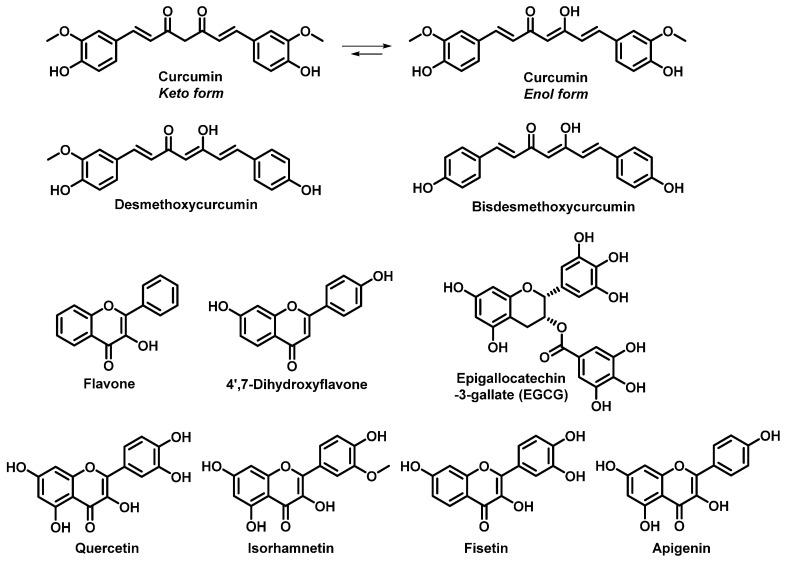
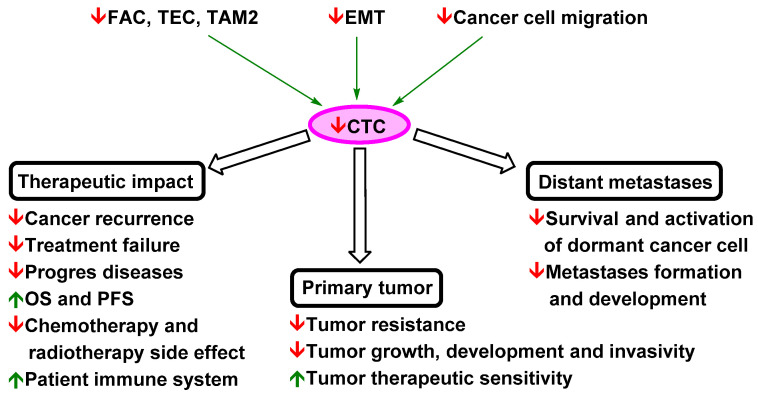
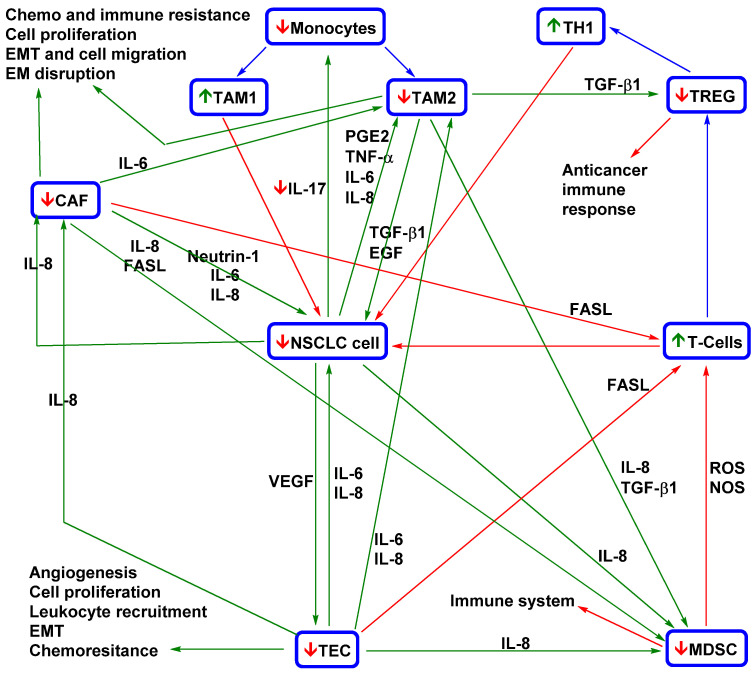
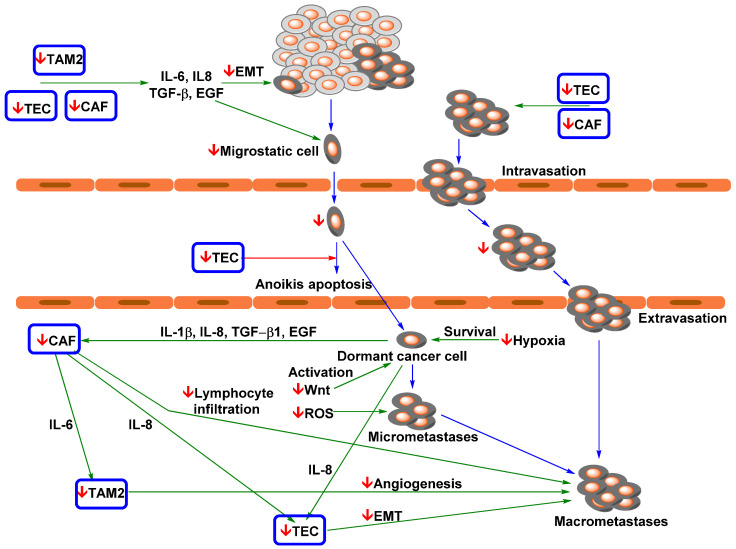
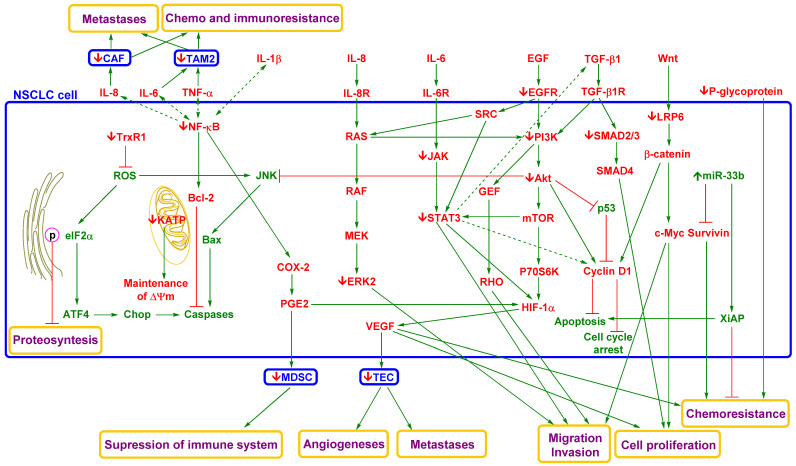
Designing optimal (neo)adjuvant therapy is a crucial aspect of the treatment of non-small-cell lung carcinoma (NSCLC). Standard methods of chemotherapy, radiotherapy, and immunotherapy represent effective strategies for treatment. However, in some cases with high metastatic activity and high levels of circulating tumour cells (CTCs), the efficacy of standard treatment methods is insufficient and results in treatment failure and reduced patient survival. CTCs are seen not only as an isolated phenomenon but also a key inherent part of the formation of metastasis and a key factor in cancer death. This review discusses the impact of NSCLC therapy strategies based on a meta-analysis of clinical studies. In addition, possible therapeutic strategies for repression when standard methods fail, such as the administration of low-toxicity natural anticancer agents targeting these phenomena (curcumin and flavonoids), are also discussed. These strategies are presented in the context of key mechanisms of tumour biology with a strong influence on CTC spread and metastasis (mechanisms related to tumour-associated and -infiltrating cells, epithelial-mesenchymal transition, and migration of cancer cells).
设计最佳的(新)辅助治疗方案是非小细胞肺癌(NSCLC)治疗的关键环节。化疗、放疗和免疫治疗等标准方法是有效的治疗策略。然而,在一些具有高转移活性和高循环肿瘤细胞(CTC)水平的病例中,标准治疗方法的疗效不足,导致治疗失败和患者生存率降低。CTC不仅被视为一种孤立现象,而且是转移形成的关键内在部分和癌症死亡的关键因素。本综述基于临床研究的荟萃分析,探讨了NSCLC治疗策略的影响。此外,还讨论了标准方法失败时可能的抑制治疗策略,例如使用针对这些现象的低毒性天然抗癌药物(姜黄素和类黄酮)。这些策略是在对CTC扩散和转移有强烈影响的肿瘤生物学关键机制(与肿瘤相关和浸润细胞、上皮-间质转化以及癌细胞迁移相关的机制)的背景下提出的。