Department of Health Sciences, Interdisciplinary Research Center of Autoimmune Diseases-IRCAD, Università del Piemonte Orientale, 28100 Novara, Italy.
Center for Translational Research on Autoimmune and Allergic Disease-CAAD, Università del Piemonte Orientale, 28100 Novara, Italy.
Nutrients. 2021 Nov 5;13(11):3956. doi: 10.3390/nu13113956.
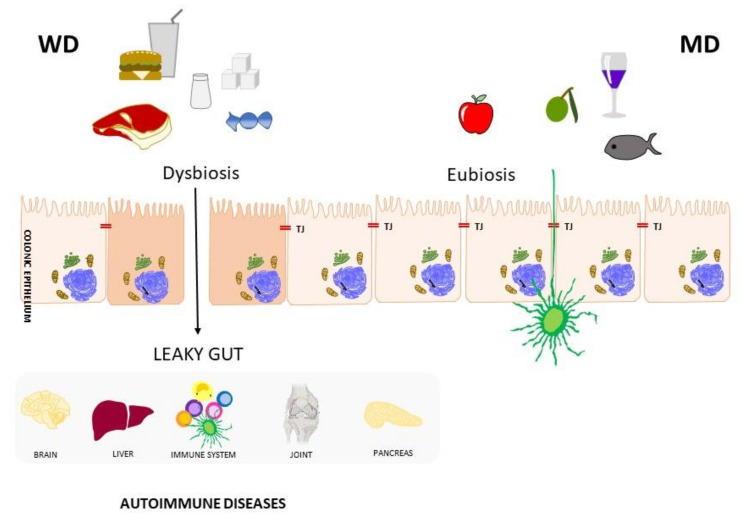
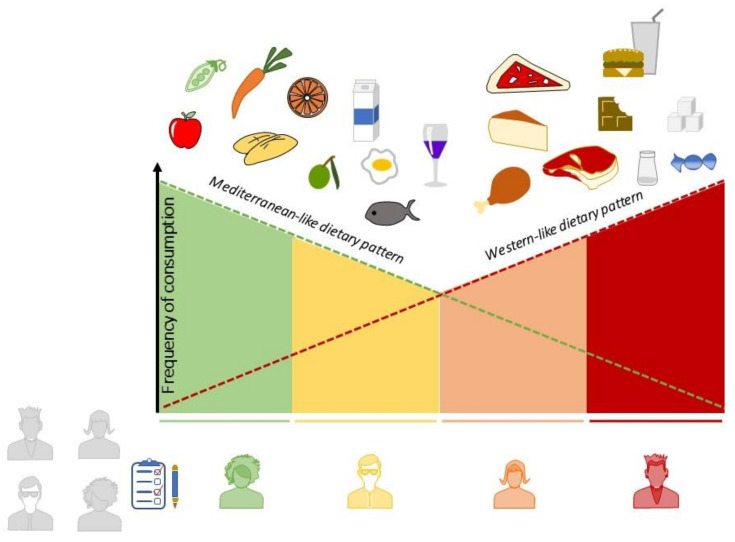
Nutrition and immunity are closely related, and the immune system is composed of the most highly energy-consuming cells in the body. Much of the immune system is located within the GI tract, since it must deal with the huge antigenic load introduced with food. Moreover, the incidence of immune-mediated diseases is elevated in Westernized countries, where "transition nutrition" prevails, owing to the shift from traditional dietary patterns towards Westernized patterns. This ecological correlation has fostered increasing attempts to find evidence to support nutritional interventions aimed at managing and reducing the risk of immune-mediated diseases. Recent studies have described the impacts of single nutrients on markers of immune function, but the knowledge currently available is not sufficient to demonstrate the impact of specific dietary patterns on immune-mediated clinical disease endpoints. If nutritional scientists are to conduct quality research, one of many challenges facing them, in studying the complex interactions between the immune system and diet, is to develop improved tools for investigating eating habits in the context of immunomediated diseases.
营养与免疫密切相关,免疫系统由体内能量消耗最高的细胞组成。大部分免疫系统位于胃肠道内,因为它必须应对食物中大量的抗原负荷。此外,在西方化国家,免疫介导性疾病的发病率较高,这些国家普遍存在“过渡营养”,因为传统的饮食模式向西方化模式转变。这种生态相关性促使人们越来越多地试图寻找证据,以支持旨在管理和降低免疫介导性疾病风险的营养干预措施。最近的研究描述了单一营养素对免疫功能标志物的影响,但目前的知识还不足以证明特定饮食模式对免疫介导的临床疾病终点的影响。如果营养科学家要进行高质量的研究,那么他们在研究免疫系统和饮食之间复杂相互作用时面临的众多挑战之一,就是开发改进工具,以在免疫介导性疾病的背景下调查饮食习惯。