Zhang Hao, Sun Lin, Hu Xiao
Department of Hepatobiliary Pancreatic Surgery, The Affiliated Hospital of Qingdao University, Qingdao, Shandong, China.
Department of ICU, The Affiliated Hospital of Qingdao University, Qingdao, Shandong, China.
J Oncol. 2021 Nov 18;2021:4614257. doi: 10.1155/2021/4614257. eCollection 2021.
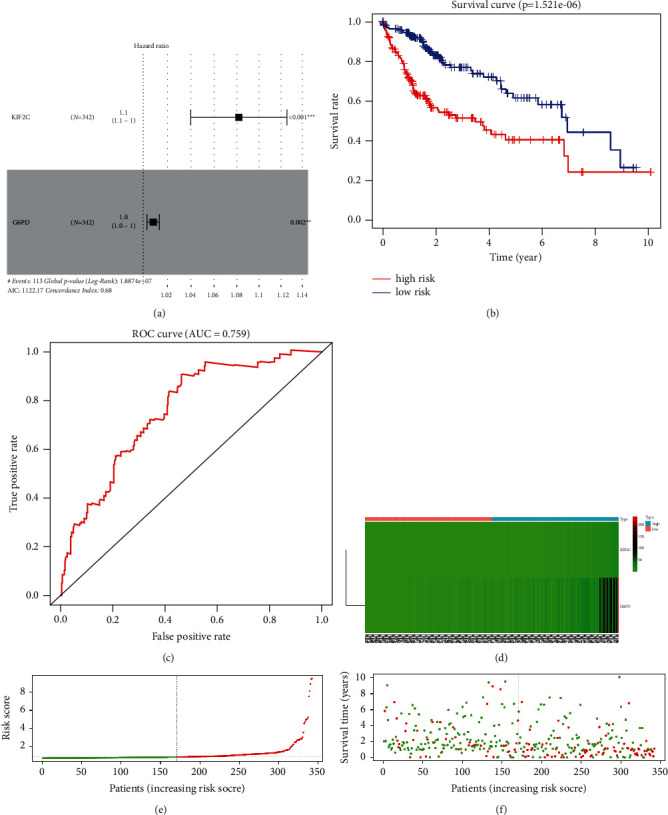
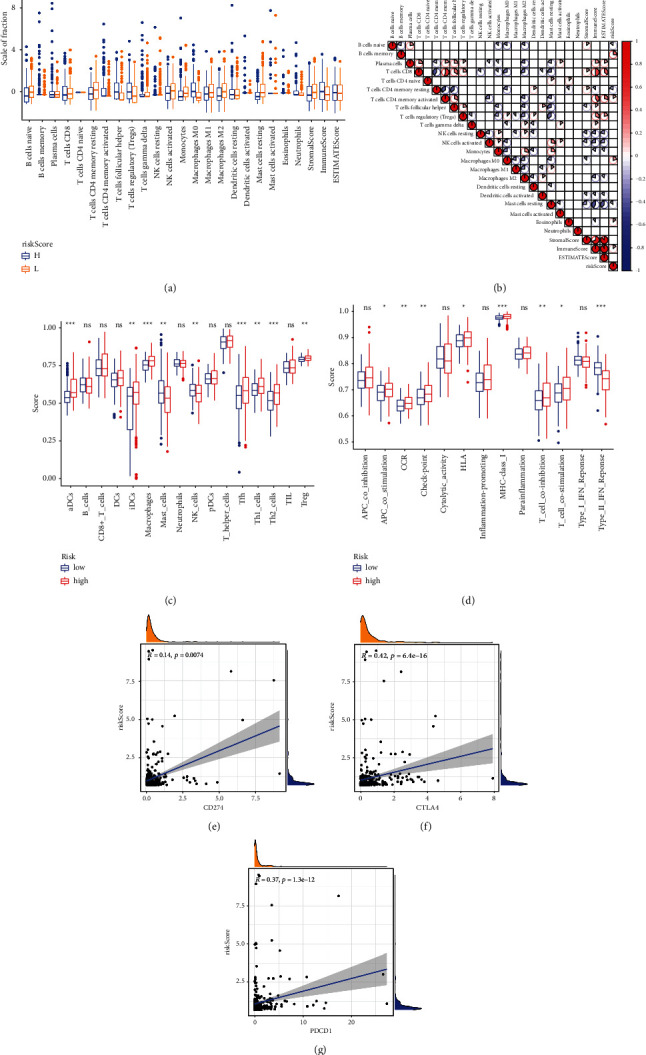
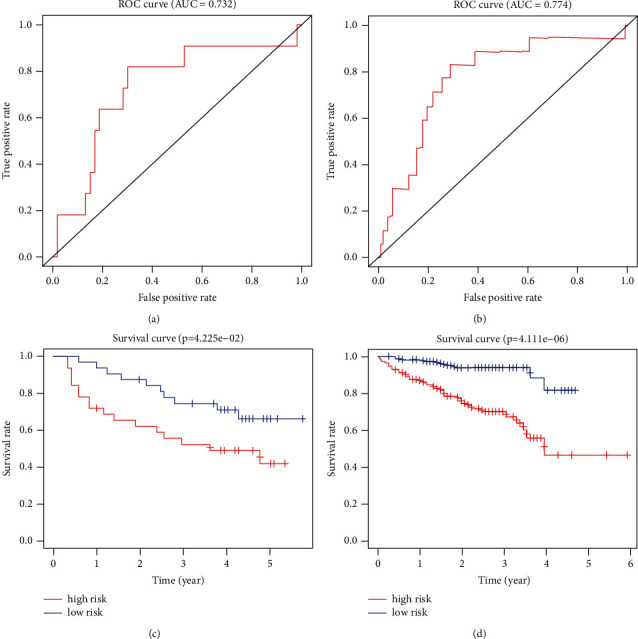
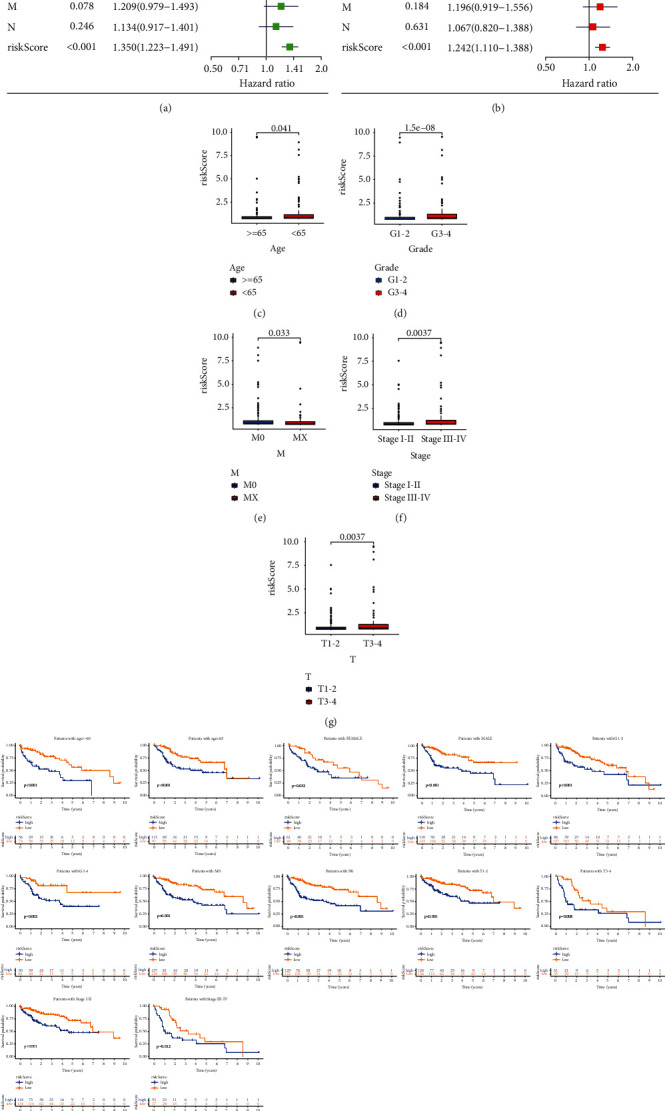
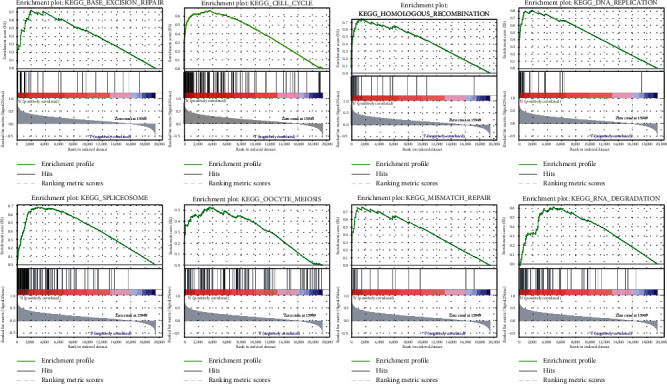
The immune microenvironment of liver cancer is of great significance for the treatment of liver cancer. After evaluating the content of mast cells resting in the transcriptome data of The Cancer Genome Atlas database by CIBERSORT analysis, this study aimed to group the samples according to the content of mast cells resting in different samples to find the differentially expressed genes in the two groups. Significant prognostic differences were found between high and low mast cells resting infiltration groups. The prognostic model was constructed according to the differentially expressed genes. The model was validated using external independent datasets. The results revealed that the constructed model was reliable. It could well distinguish the prognostic differences of patients in different characteristic groups. The high-risk group was mainly concentrated in metabolic pathways. The risk score of this model was closely related to some immune cells, immune function, and immune checkpoints. Therefore, this model may provide new ideas for immunotherapy of hepatocellular carcinoma.
肝癌的免疫微环境对肝癌治疗具有重要意义。通过CIBERSORT分析评估癌症基因组图谱数据库转录组数据中静息肥大细胞的含量后,本研究旨在根据不同样本中静息肥大细胞的含量对样本进行分组,以找出两组中差异表达的基因。发现静息肥大细胞浸润高低组之间存在显著的预后差异。根据差异表达基因构建预后模型。使用外部独立数据集对该模型进行验证。结果显示构建的模型可靠。它能够很好地区分不同特征组患者的预后差异。高风险组主要集中在代谢途径。该模型的风险评分与一些免疫细胞、免疫功能和免疫检查点密切相关。因此,该模型可能为肝细胞癌的免疫治疗提供新思路。