Bisiacco Mauro, Pillonetto Gianluigi
Department of Information Engineering, University of Padova, Padova, Italy.
Annu Rev Control. 2021;52:573-586. doi: 10.1016/j.arcontrol.2021.10.017. Epub 2021 Nov 26.
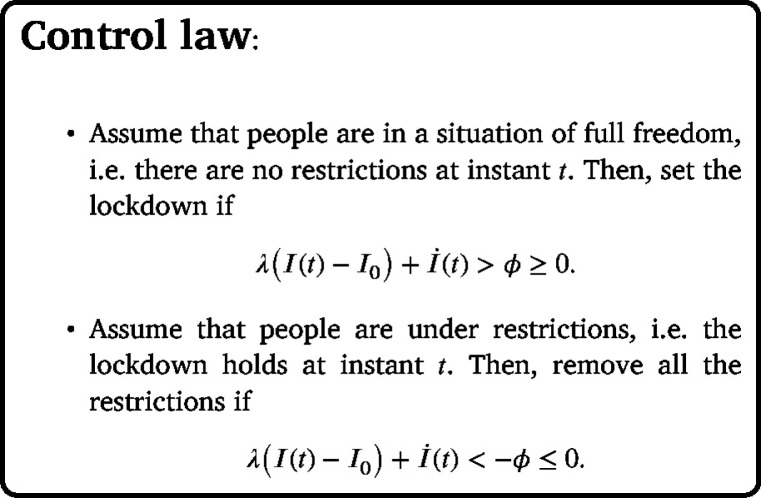
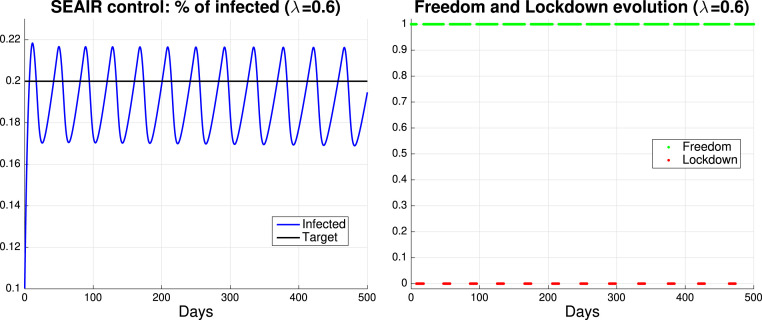
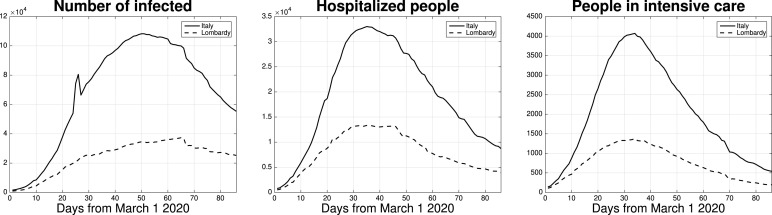
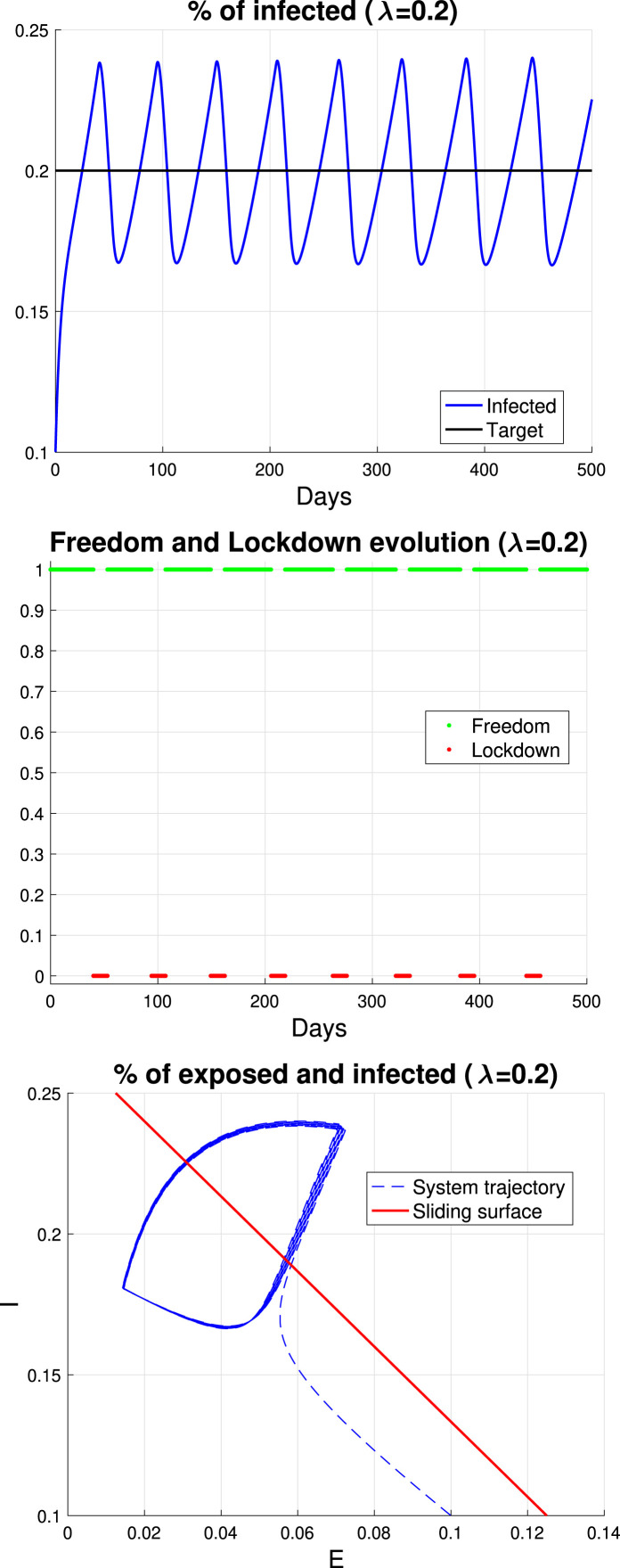
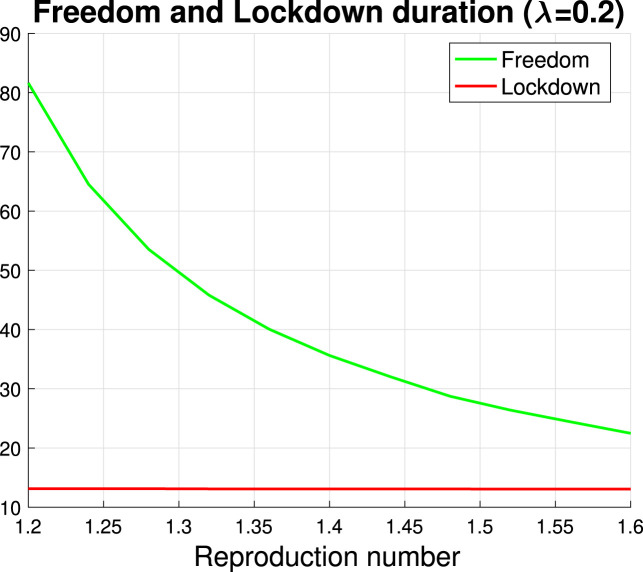
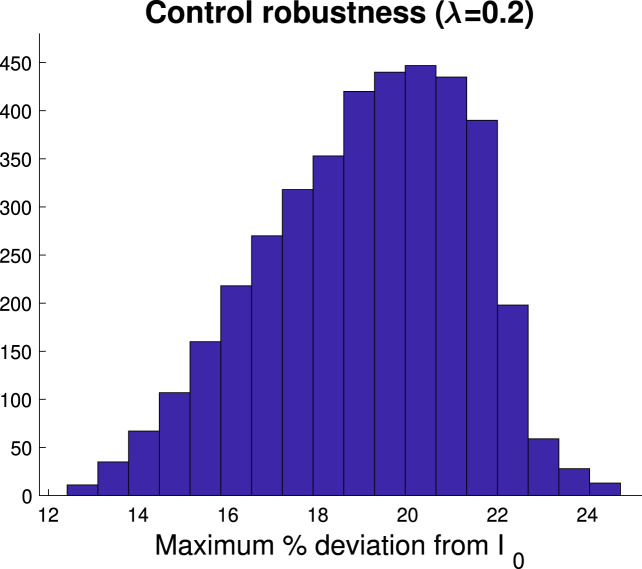
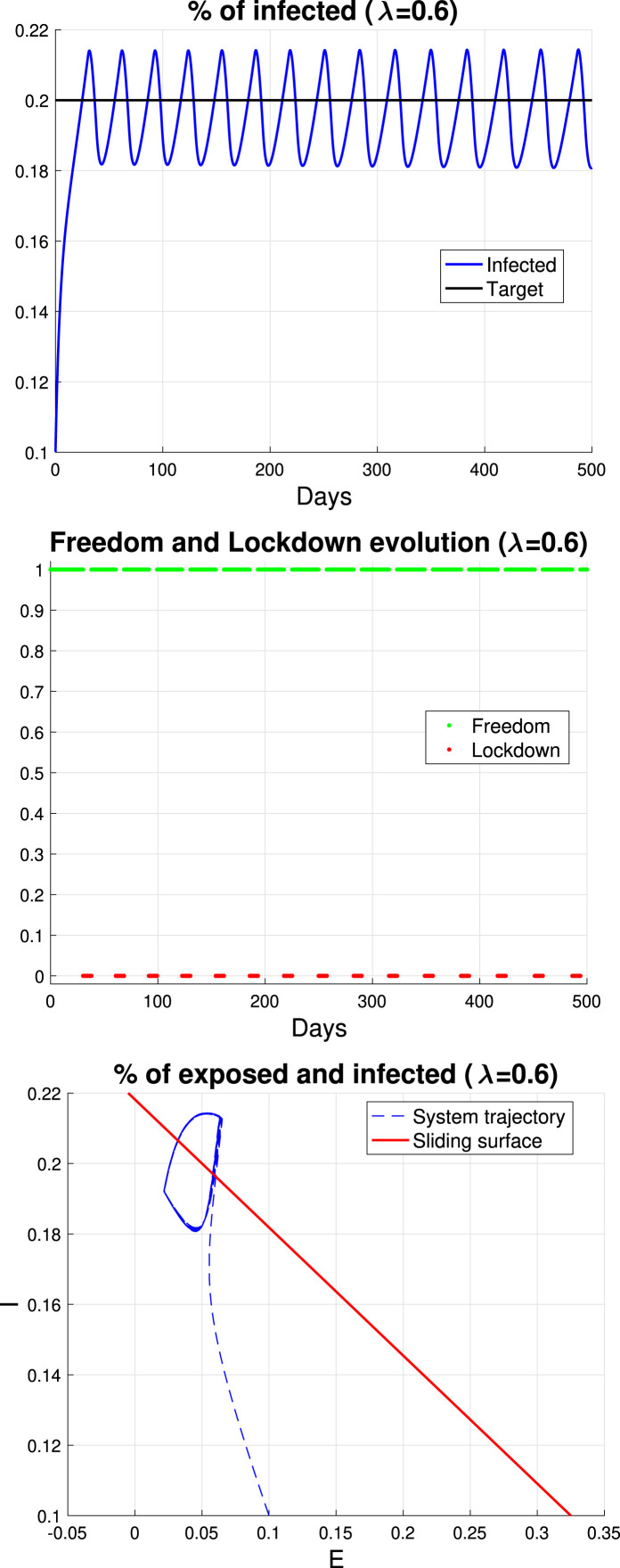
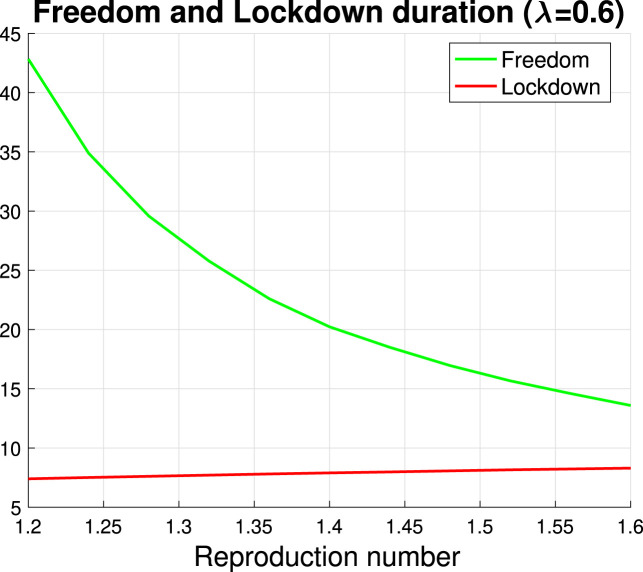
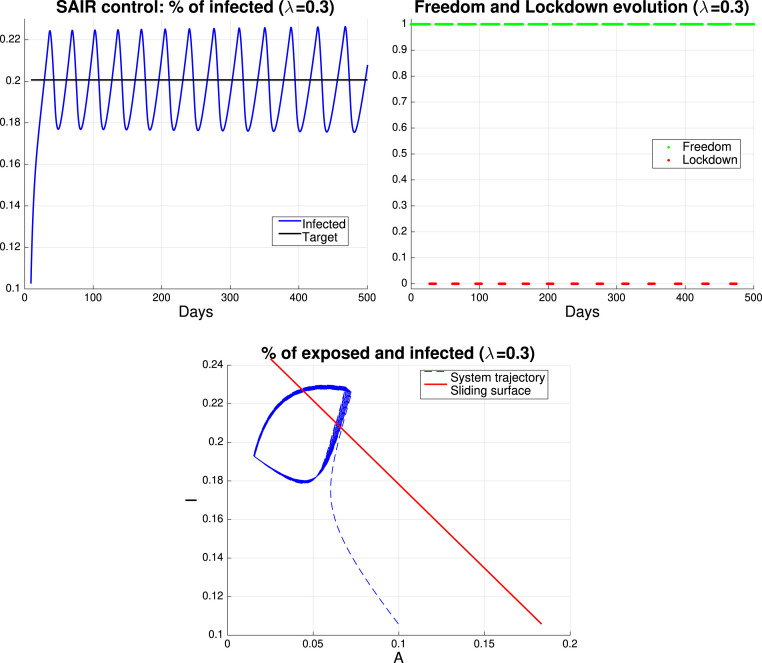
While many efforts are currently devoted to vaccines development and administration, social distancing measures, including severe restrictions such as lockdowns, remain fundamental tools to contain the spread of COVID-19. A crucial point for any government is to understand, on the basis of the epidemic curve, the right temporal instant to set up a lockdown and then to remove it. Different strategies are being adopted with distinct shades of intensity. USA and Europe tend to introduce restrictions of considerable temporal length. They vary in time: a severe lockdown may be reached and then gradually relaxed. An interesting alternative is the Australian model where short and sharp responses have repeatedly tackled the virus and allowed people a return to near normalcy. After a few positive cases are detected, a lockdown is immediately set. In this paper we show that the Australian model can be generalized and given a rigorous mathematical analysis, casting strategies of the type in the context of , an important branch of nonlinear control theory. This allows us to gain important insights regarding how to implement short-term lockdowns, obtaining a better understanding of their merits and possible limitations. Effects of vaccines administration in improving the control law's effectiveness are also illustrated. Our model predicts the duration of the severe lockdown to be set to maintain e.g. the number of people in intensive care under a certain threshold. After tuning our strategy exploiting data collected in Italy, it turns out that COVID-19 epidemic could be e.g. controlled by alternating one or two weeks of complete lockdown with one or two months of freedom, respectively. Control strategies of this kind, where the lockdown's duration is well circumscribed, could be important also to alleviate coronavirus impact on economy.
尽管目前许多努力都致力于疫苗的研发和接种,但包括封锁等严格限制措施在内的社交距离措施,仍然是遏制新冠病毒传播的基本手段。对任何政府来说,关键在于根据疫情曲线,确定实施封锁以及解除封锁的正确时机。各国正在采取不同强度的不同策略。美国和欧洲往往实施时间较长的限制措施。这些措施在时间上有所不同:可能会达到严格的封锁状态,然后逐步放松。一个有趣的替代方案是澳大利亚模式,即通过迅速而短暂的应对措施多次应对病毒,并让人们恢复到接近正常的状态。在检测到几例阳性病例后,立即实施封锁。在本文中,我们表明澳大利亚模式可以推广并进行严格的数学分析,将这种类型的策略置于非线性控制理论的一个重要分支—— 的背景下。这使我们能够深入了解如何实施短期封锁,更好地理解其优点和可能存在的局限性。我们还阐述了疫苗接种对提高控制策略有效性的影响。我们的模型预测了为将重症监护病房的人数维持在一定阈值以下而需实施的严格封锁的持续时间。在利用意大利收集的数据调整我们的策略后,结果表明,例如,可以通过分别交替实施一两周的完全封锁和一两个月的解封来控制新冠疫情。这种封锁持续时间有明确界定的控制策略,对于减轻冠状病毒对经济的影响也可能很重要。