Halawani Eman Mohammed
Medical Bacteriology, Department of Biology, Collage of Science, Taif University, P.O. Box11099, Taif 21944, Saudi Arabia.
Saudi J Biol Sci. 2021 Dec;28(12):7379-7389. doi: 10.1016/j.sjbs.2021.08.055. Epub 2021 Aug 25.
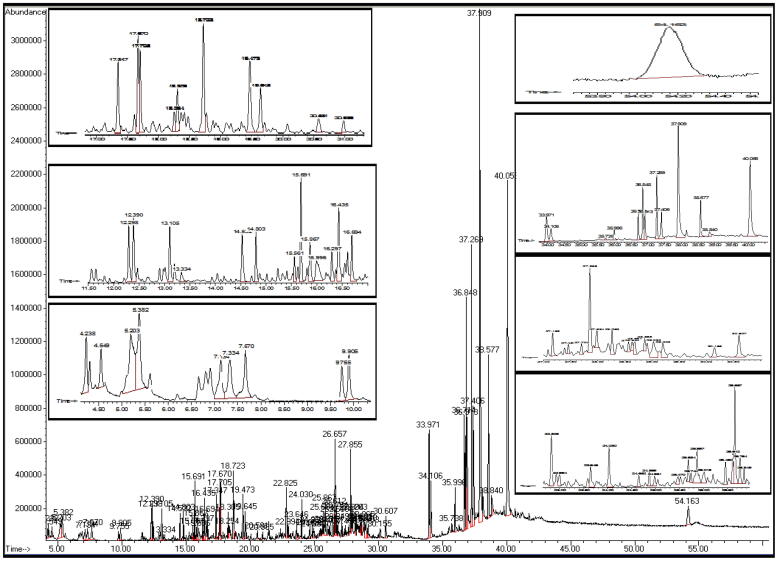
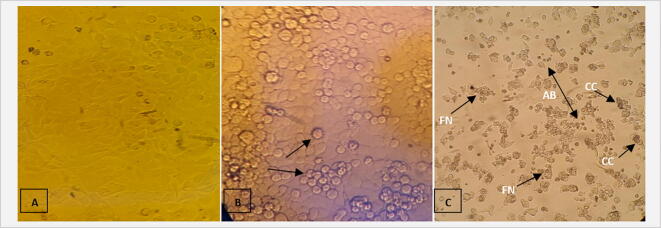
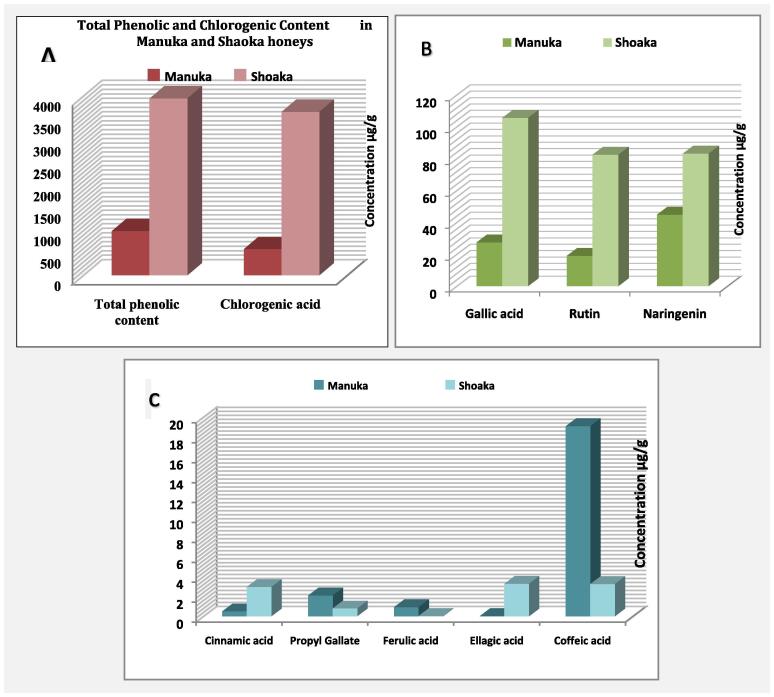
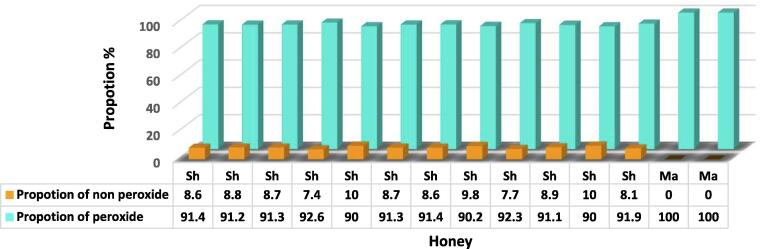
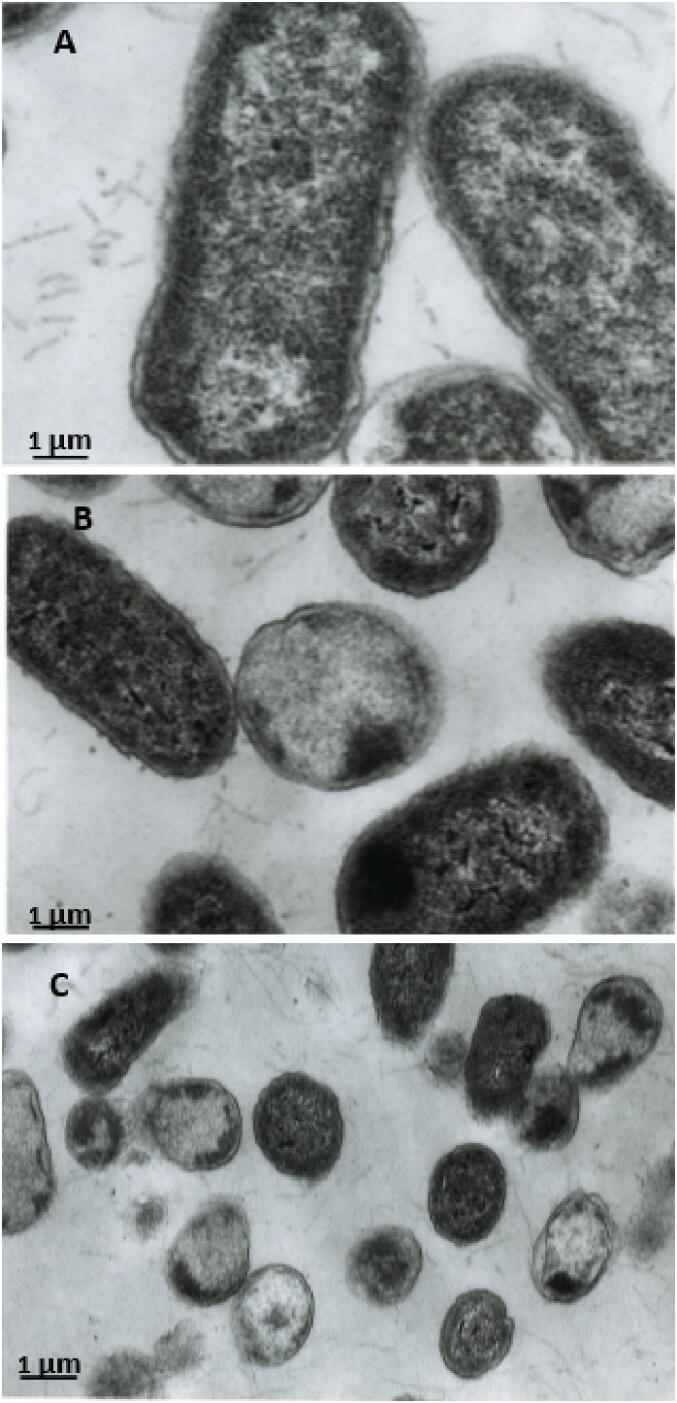
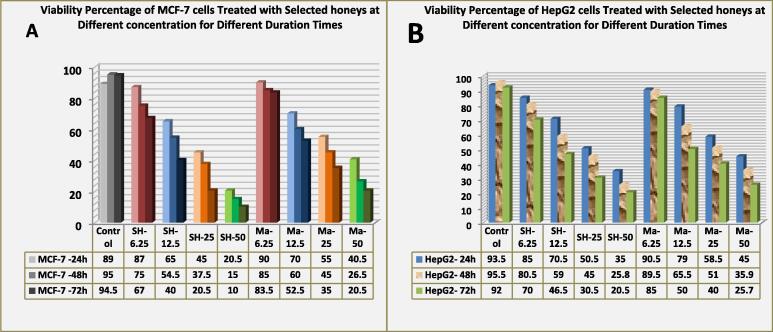
The global spread of antimicrobial-resistant infectious diseases and cancer are the most widespread public health issue and has led to high mortality rates. This study aims to evaluate and verify the antibacterial and antitumor activities of Shaoka and Manuka honey against pathogenic bacteria, human hepatocarcinoma (HepG2) and breast cancer (MCF-7) cell lines. Shaoka hone was analyzed using HPLC, UV-vis, and GC/MC, while antibacterial activity was measured by agar diffusion, broth microdilution methods, and Transmission Electron Microscopy (TEM). Antitumor activity was investigated morphologically and by MTT assay. According to the presented data of HPLC analysis, Shaoka honey was generally richer in polyphenolic components, the antibacterial activity showed that Shaoka honey is equivalent or relatively more active than Manuka honey against a broad spectrum of multi-drug-resistant bacteria. It inhibited the growth of in the absence or presence of catalase enzyme with a concentration approximately 8.5%-7.3% equivalent to phenol, which supported the highest level of non-peroxide-dependent activity. The minimum bactericidal concentrations (MBCs) ranged between 5.0% and 15.0% honey (w/v). TEM observation revealed distorted cell morphology, cytoplasmic shrinkage, and cell wall destruction of treated bacteria. The selected honey exerted cytotoxicity on both cancer cell lines, inhibiting cell proliferation rate and viability percent in HepG2 and MCF-7 cancer cells, by different degrees depending on the honey quality, Shaoka honey competed Manuka inhibitory effects against both cancer cells. The obtained data confirmed the potential for use of Saudi Shaoka honey as a remedy, this well introduces a new honey template as medical-grade honey for treating infectious disease and cancer.
抗菌抗药性传染病的全球传播和癌症是最广泛的公共卫生问题,并已导致高死亡率。本研究旨在评估和验证少卡蜂蜜和麦卢卡蜂蜜对病原菌、人肝癌(HepG2)和乳腺癌(MCF-7)细胞系的抗菌和抗肿瘤活性。使用高效液相色谱法(HPLC)、紫外可见光谱法(UV-vis)和气相色谱/质谱联用法(GC/MC)对少卡蜂蜜进行分析,同时通过琼脂扩散法、肉汤微量稀释法和透射电子显微镜(TEM)测定抗菌活性。通过形态学观察和MTT法研究抗肿瘤活性。根据HPLC分析给出的数据,少卡蜂蜜通常富含多酚类成分,抗菌活性表明,少卡蜂蜜对多种耐多药细菌的抗菌活性与麦卢卡蜂蜜相当或相对更强。在有或没有过氧化氢酶的情况下,它都能抑制细菌生长,其浓度约为8.5%-7.3%,相当于苯酚,这支持了最高水平的非过氧化物依赖性活性。最低杀菌浓度(MBCs)在5.0%至15.0%蜂蜜(w/v)之间。TEM观察显示,经处理的细菌细胞形态扭曲、细胞质收缩和细胞壁破坏。所选蜂蜜对两种癌细胞系均具有细胞毒性,根据蜂蜜质量的不同程度抑制HepG2和MCF-7癌细胞的细胞增殖率和活力百分比,少卡蜂蜜在抑制两种癌细胞方面与麦卢卡蜂蜜具有竞争作用。获得的数据证实了沙特少卡蜂蜜作为一种治疗方法的潜力,这很好地引入了一种新的蜂蜜模板作为用于治疗传染病和癌症的医用级蜂蜜。