Liu Xiaolei, Lin Shaoping, Zhong Yiyue, Shen Jiaojiao, Zhang Xuedi, Luo Shuhua, Huang Li, Zhang Liangqing, Zhou Shuangnan, Tang Jing
The Department of Anesthesiology, Affiliated Hospital of Guangdong Medical University, Zhanjiang, China.
Department of Infectious Diseases, Fifth Medical Center of Chinese PLA General Hospital, Beijing, China.
Front Pharmacol. 2021 Nov 19;12:739603. doi: 10.3389/fphar.2021.739603. eCollection 2021.
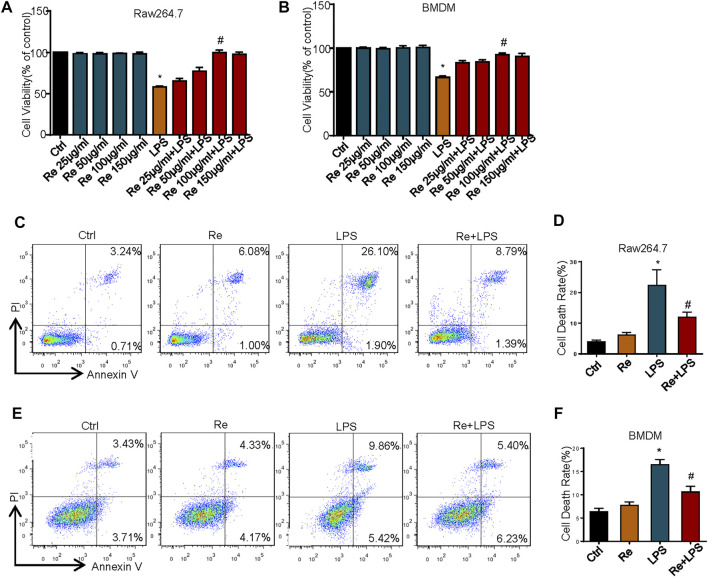
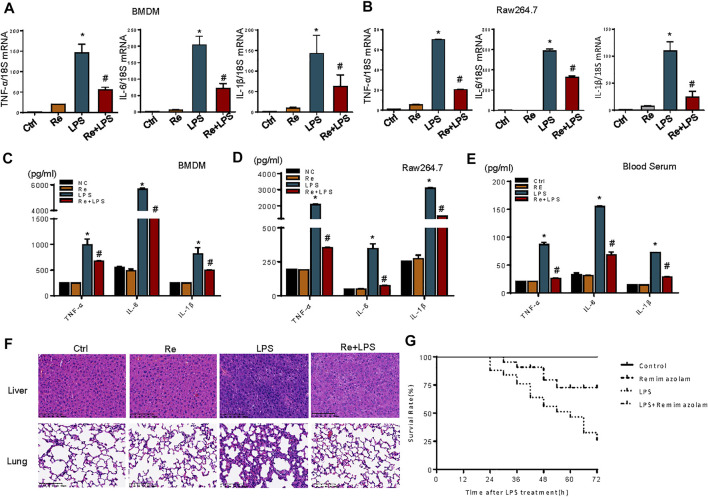
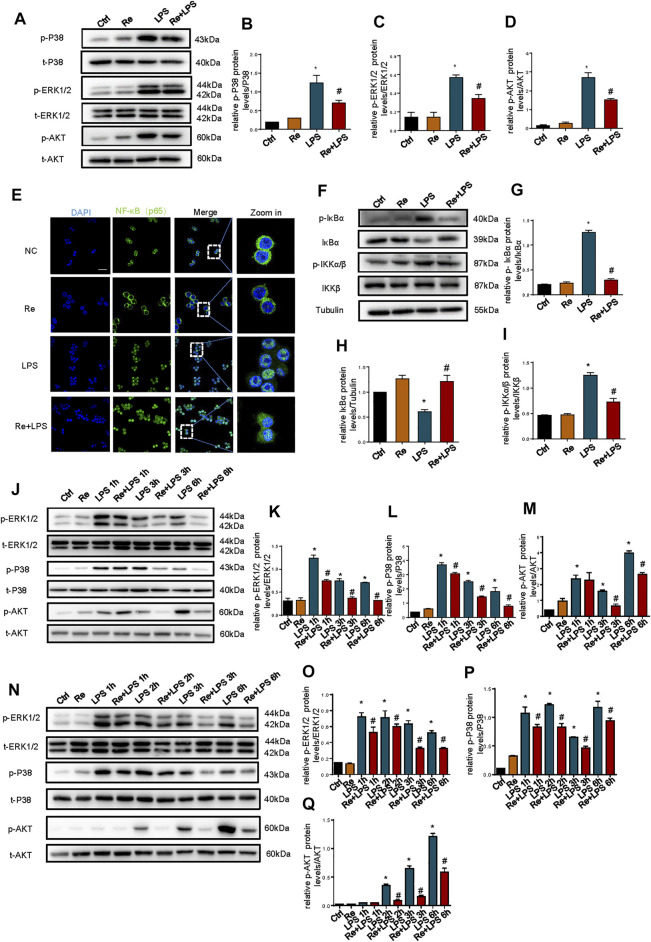
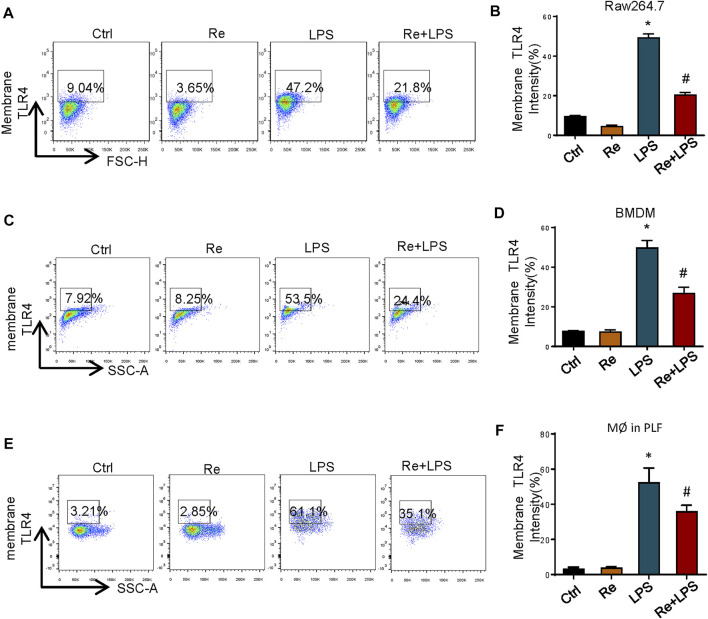
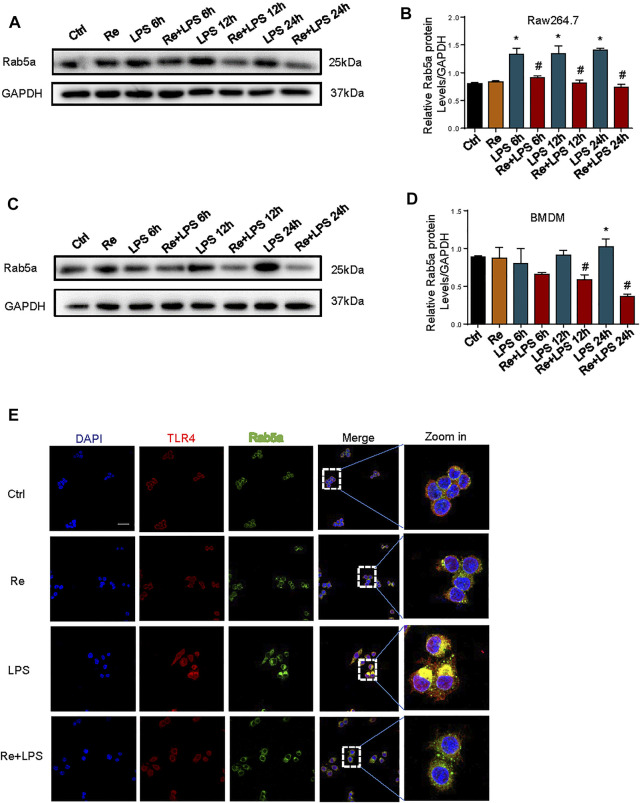
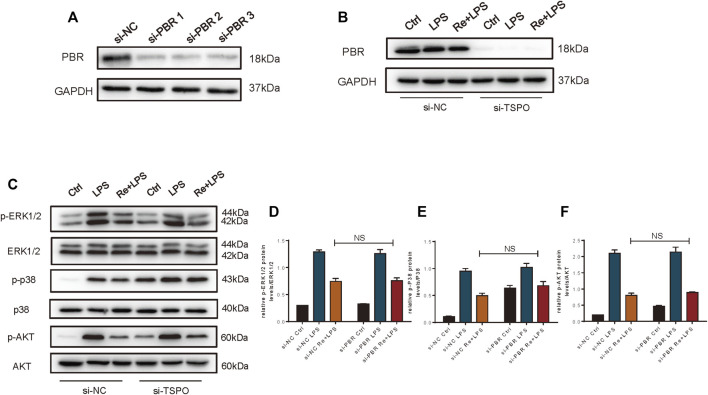
Remimazolam is a new benzodiazepine of sedative drugs with an ultra-short-acting anesthetic effect, commonly used for critically ill patients (especially septic patients) in intensive care units (ICUs). Although some anesthetics have been reported to show certain anti-inflammatory effects, the role of remimazolam in inflammation is still remained unknown. Here, we studied the effects of remimazolam on macrophage in response to LPS both and . Interestingly, compared with LPS treatment group, remimazolam remarkably improved survival rate of endotoxemia mice and decreased the release of LPS-induced inflammatory mediators (such as TNF-α, IL-6, and IL-1β). We further found that remimazolam not only inhibited the activation of MAPK signal pathway at 15 min after LPS treatment but also disturbed Rab5a related TLR4 expression at cell surface in response to LPS at a later time. Such evidence suggests that remimazolam might be beneficial to septic patients who are suffering from uncontrolled inflammatory responses.
瑞马唑仑是一种新型苯二氮䓬类镇静药物,具有超短效麻醉作用,常用于重症监护病房(ICU)的重症患者(尤其是脓毒症患者)。尽管已有报道称某些麻醉药具有一定的抗炎作用,但瑞马唑仑在炎症中的作用仍不清楚。在此,我们研究了瑞马唑仑对巨噬细胞响应脂多糖(LPS)的影响。有趣的是,与LPS治疗组相比,瑞马唑仑显著提高了内毒素血症小鼠的存活率,并减少了LPS诱导的炎症介质(如TNF-α、IL-6和IL-1β)的释放。我们进一步发现,瑞马唑仑不仅在LPS治疗后15分钟抑制MAPK信号通路的激活,而且在后期干扰Rab5a相关的TLR4在细胞表面的表达以响应LPS。这些证据表明,瑞马唑仑可能对患有不受控制的炎症反应的脓毒症患者有益。