Department of Nuclear Medicine, West China Hospital, and National Engineering Research Center for Biomaterials, Sichuan University, 610064, Chengdu, P. R. China.
Department of Medical Ultrasound and Central Laboratory, Shanghai Tenth People's Hospital, Tongji University School of Medicine, No. 301 Yan-chang-zhong Road, 200072, Shanghai, People's Republic of China.
Signal Transduct Target Ther. 2021 Dec 16;6(1):426. doi: 10.1038/s41392-021-00830-x.
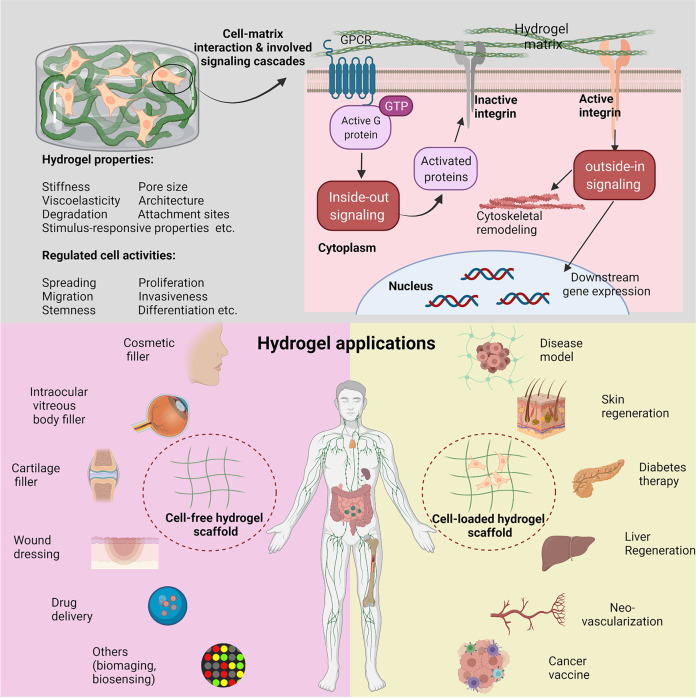
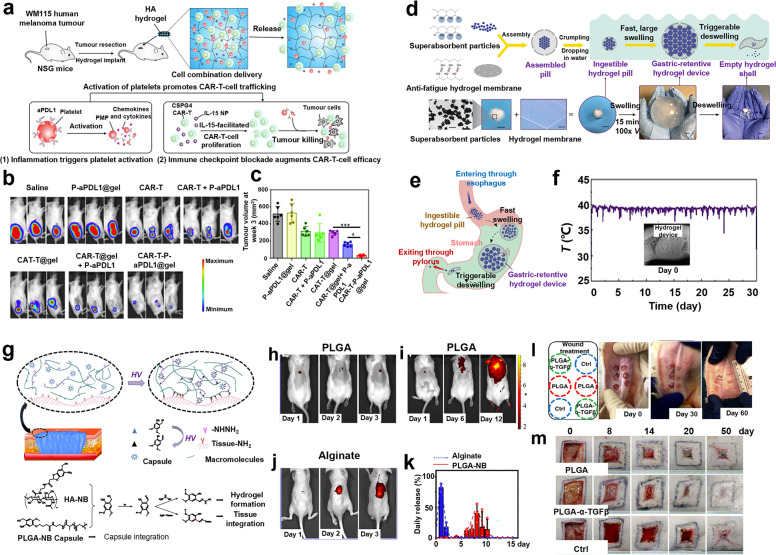
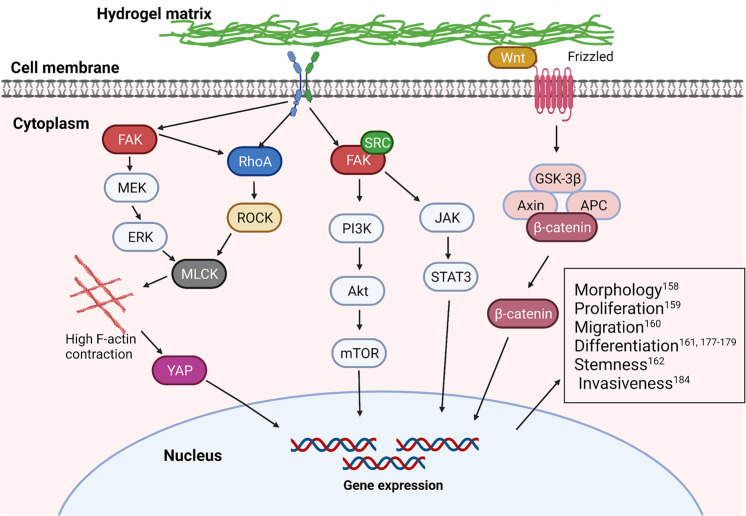
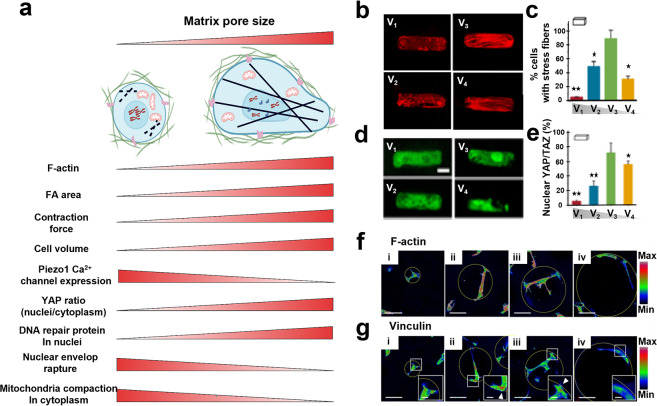
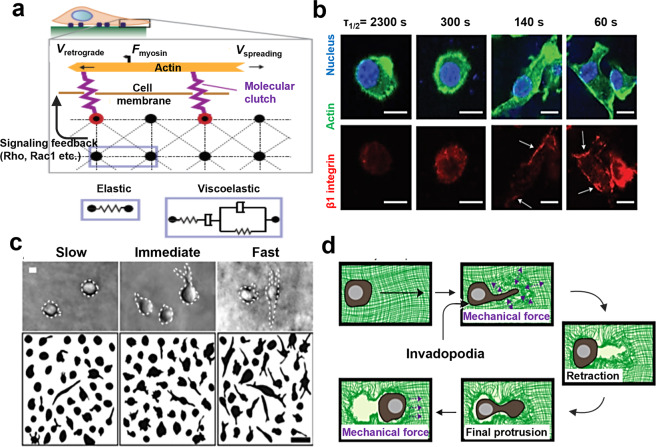
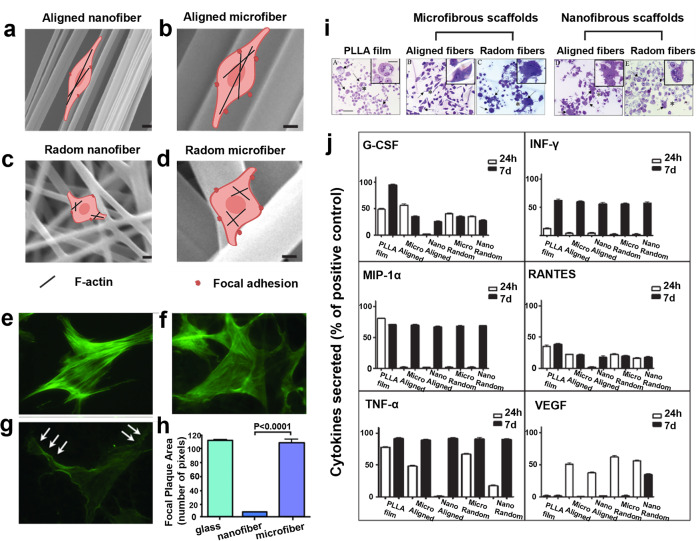
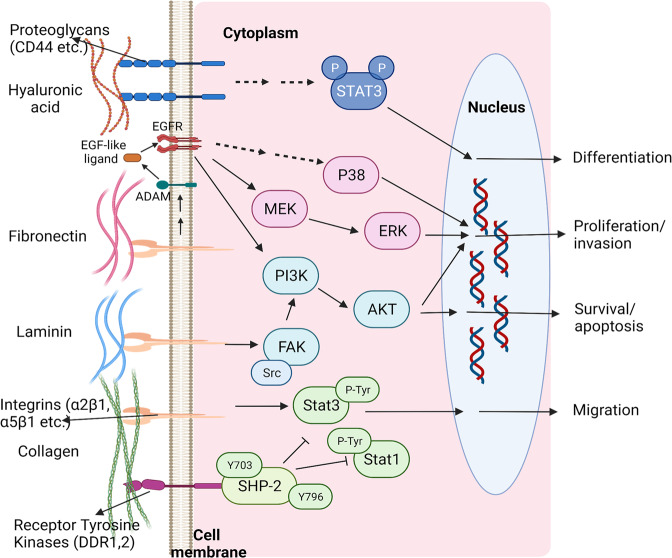
Hydrogel is a type of versatile platform with various biomedical applications after rational structure and functional design that leverages on material engineering to modulate its physicochemical properties (e.g., stiffness, pore size, viscoelasticity, microarchitecture, degradability, ligand presentation, stimulus-responsive properties, etc.) and influence cell signaling cascades and fate. In the past few decades, a plethora of pioneering studies have been implemented to explore the cell-hydrogel matrix interactions and figure out the underlying mechanisms, paving the way to the lab-to-clinic translation of hydrogel-based therapies. In this review, we first introduced the physicochemical properties of hydrogels and their fabrication approaches concisely. Subsequently, the comprehensive description and deep discussion were elucidated, wherein the influences of different hydrogels properties on cell behaviors and cellular signaling events were highlighted. These behaviors or events included integrin clustering, focal adhesion (FA) complex accumulation and activation, cytoskeleton rearrangement, protein cyto-nuclei shuttling and activation (e.g., Yes-associated protein (YAP), catenin, etc.), cellular compartment reorganization, gene expression, and further cell biology modulation (e.g., spreading, migration, proliferation, lineage commitment, etc.). Based on them, current in vitro and in vivo hydrogel applications that mainly covered diseases models, various cell delivery protocols for tissue regeneration and disease therapy, smart drug carrier, bioimaging, biosensor, and conductive wearable/implantable biodevices, etc. were further summarized and discussed. More significantly, the clinical translation potential and trials of hydrogels were presented, accompanied with which the remaining challenges and future perspectives in this field were emphasized. Collectively, the comprehensive and deep insights in this review will shed light on the design principles of new biomedical hydrogels to understand and modulate cellular processes, which are available for providing significant indications for future hydrogel design and serving for a broad range of biomedical applications.
水凝胶是一种多功能平台,经过合理的结构和功能设计,利用材料工程来调节其物理化学性质(例如,硬度、孔径、粘弹性、微观结构、降解性、配体呈现、刺激响应特性等),并影响细胞信号级联和命运。在过去的几十年中,已经进行了大量开创性的研究来探索细胞-水凝胶基质相互作用,并找出潜在的机制,为水凝胶基疗法的从实验室到临床的转化铺平了道路。在这篇综述中,我们首先简要介绍了水凝胶的物理化学性质及其制备方法。随后,对其进行了全面的描述和深入的讨论,其中强调了不同水凝胶性质对细胞行为和细胞信号事件的影响。这些行为或事件包括整合素聚类、焦点黏附(FA)复合物的积累和激活、细胞骨架重排、蛋白质核穿梭和激活(例如,Yes 相关蛋白(YAP)、连环蛋白等)、细胞区室重排、基因表达以及进一步的细胞生物学调节(例如,扩散、迁移、增殖、谱系决定等)。基于这些研究,进一步总结和讨论了当前主要涵盖疾病模型的体外和体内水凝胶应用、用于组织再生和疾病治疗的各种细胞输送方案、智能药物载体、生物成像、生物传感器以及导电可穿戴/可植入生物器件等。更重要的是,介绍了水凝胶的临床转化潜力和试验,并强调了该领域的剩余挑战和未来展望。总的来说,本综述中的全面而深入的见解将为新的生物医学水凝胶的设计原则提供启示,以了解和调节细胞过程,为未来水凝胶设计提供重要指导,并为广泛的生物医学应用提供服务。