Rodionov Andrey, Deniskova Tatiana, Dotsev Arsen, Volkova Valeria, Petrov Sergey, Kharzinova Veronika, Koshkina Olga, Abdelmanova Alexandra, Solovieva Anastasia, Shakhin Alexey, Bardukov Nikolay, Zinovieva Natalia
L.K. Ernst Federal Research Center for Animal Husbandry, Dubrovitsy, Podolsk Municipal District, Moscow Region, 142132 Podolsk, Russia.
Animals (Basel). 2021 Nov 30;11(12):3416. doi: 10.3390/ani11123416.
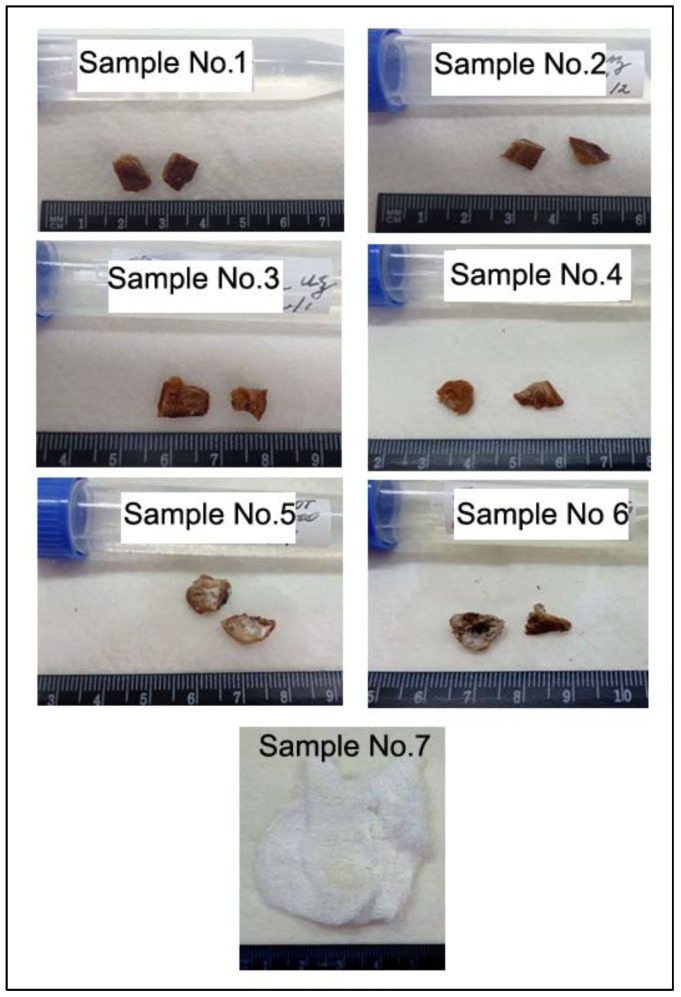
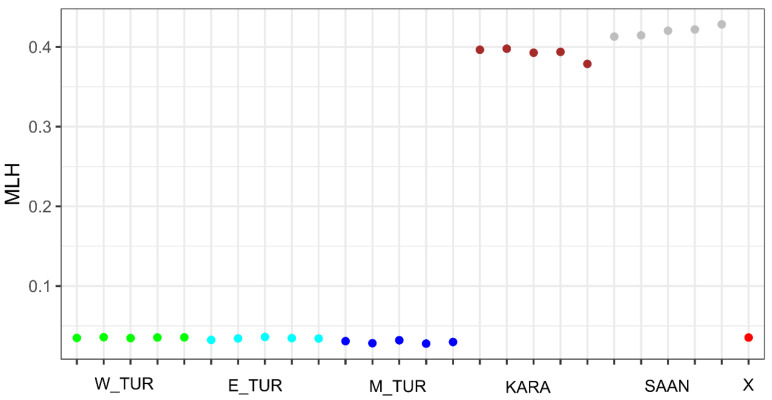
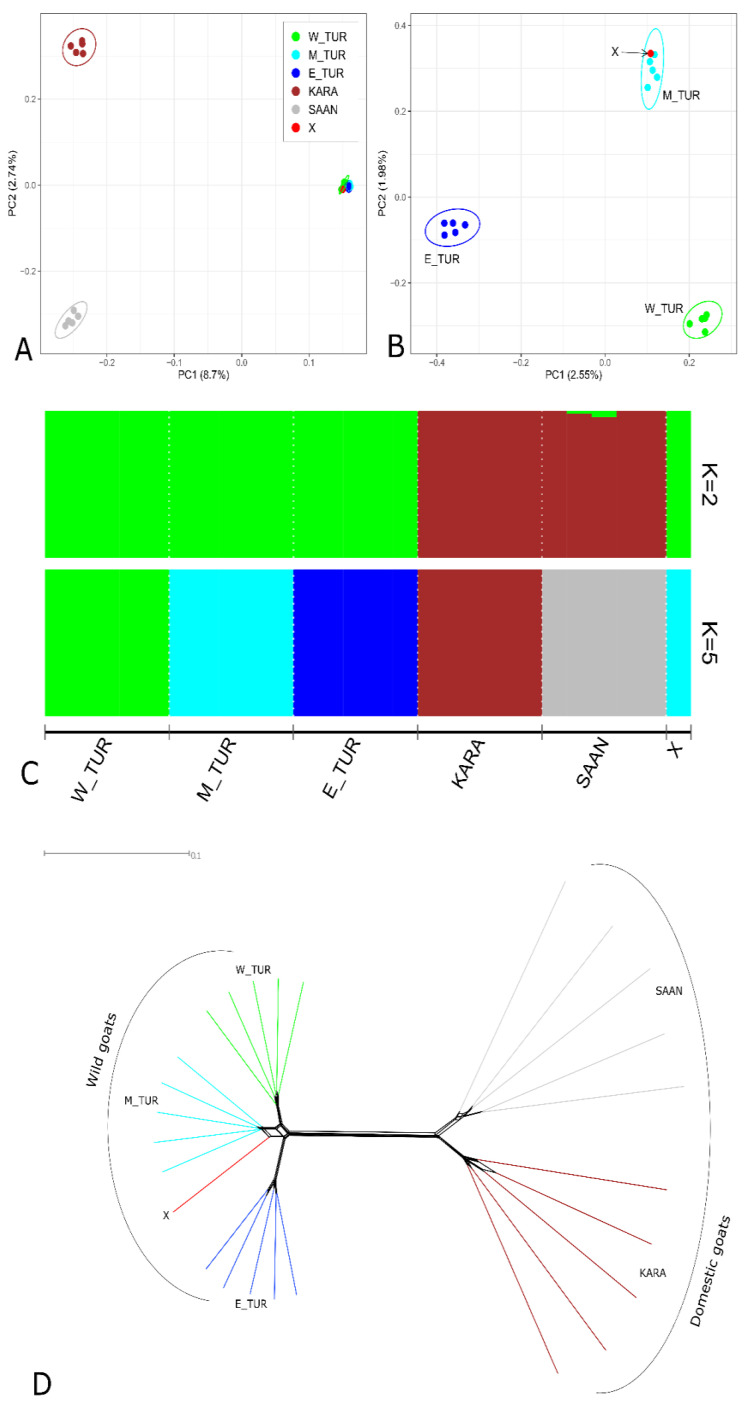
Poaching is one of the major types of wildlife crime in Russia. Remnants of goats (presumably the wild endemic species, the Caucasian tur) were found in an area of the Caucasian mountains. The case study involves a suspected poacher whose vehicle was found to have two duffel bags containing pieces of a carcass, which he claimed was that of a goat from his flock. The aim of the forensic genetic analysis for this case was to (i) establish individual identity and (ii) perform species identification. DNA typing based on fourteen microsatellites revealed that STR-genotypes generated from pieces of evidence found at crime scene fully matched those obtained from the evidence seized from the suspect. The results of genome-wide SNP-genotyping, using Illumina Goat SNP50 BeadChip, provided evidence that the poached animal was a wild Caucasian tur (). Thus, based on comprehensive molecular genetic analysis, evidence of poaching was obtained and sent to local authorities. To our knowledge, this case study is the first to attempt to use DNA chips in wildlife forensics of ungulates.
偷猎是俄罗斯主要的野生动物犯罪类型之一。在高加索山脉的一个地区发现了山羊的残骸(据推测是当地的野生物种,高加索羱羊)。该案例研究涉及一名疑似偷猎者,其车辆被发现有两个行李袋,里面装着一具尸体的碎块,他声称这是他羊群中一只山羊的尸体。该案件法医基因分析的目的是:(i)确定个体身份;(ii)进行物种鉴定。基于14个微卫星的DNA分型显示,从犯罪现场发现的证据碎片中生成的STR基因型与从嫌疑人处查获的证据中获得的STR基因型完全匹配。使用Illumina山羊SNP50芯片进行全基因组SNP基因分型的结果表明,被偷猎的动物是野生高加索羱羊。因此,基于全面的分子遗传分析,获得了偷猎证据并提交给了当地当局。据我们所知,该案例研究是首次尝试在有蹄类野生动物法医鉴定中使用DNA芯片。