Costa Marlene, Sezgin-Bayindir Zerrin, Losada-Barreiro Sonia, Paiva-Martins Fátima, Saso Luciano, Bravo-Díaz Carlos
REQUIMTE/LAQV, Department of Chemistry and Biochemistry, Faculty of Science, University of Porto, Rua do Campo Alegre 687, 4169-007 Porto, Portugal.
Departamento de Química-Física, Facultad de Química, Universidad de Vigo, 36310 Vigo, Spain.
Biomedicines. 2021 Dec 14;9(12):1909. doi: 10.3390/biomedicines9121909.
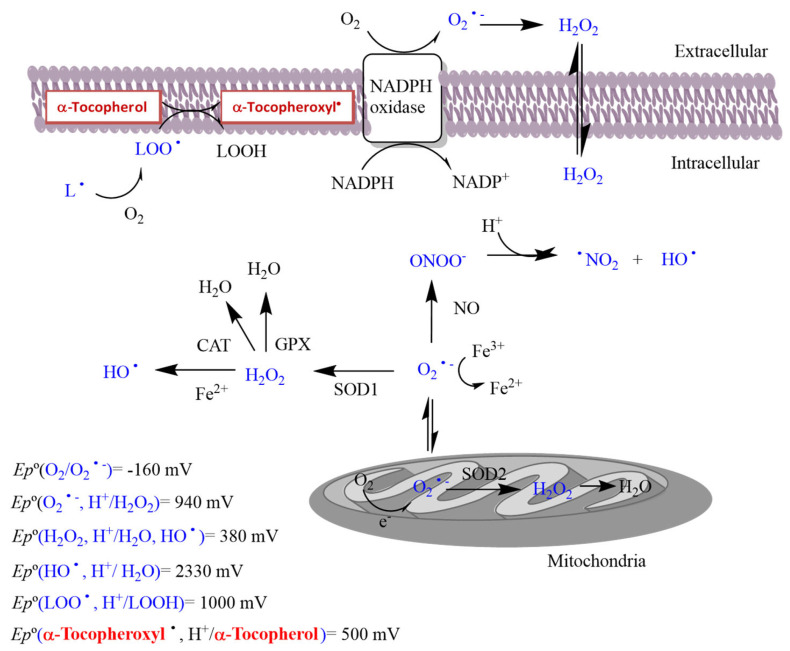
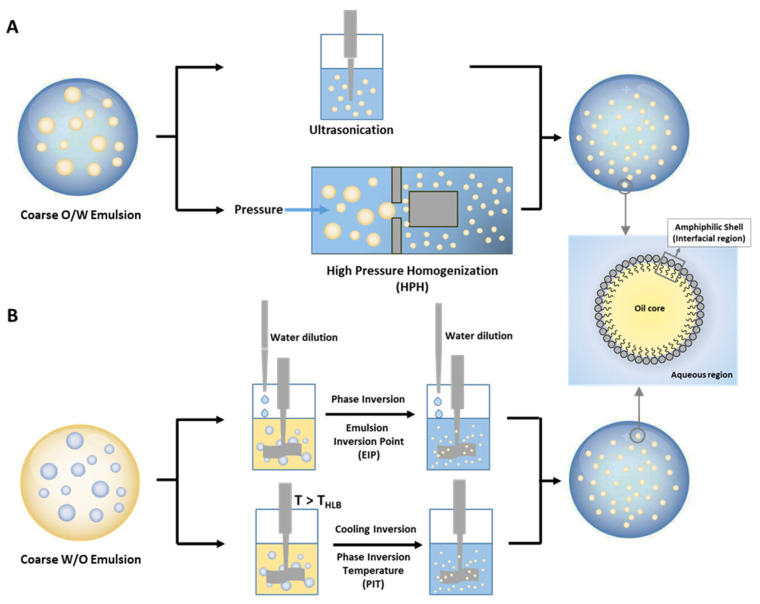
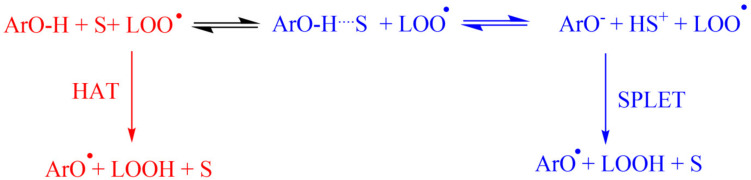
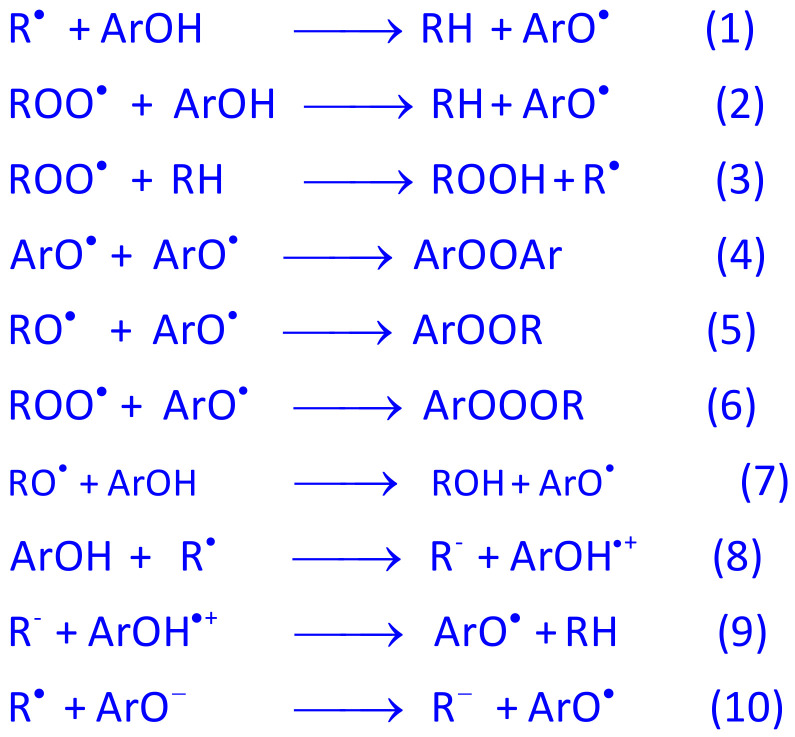
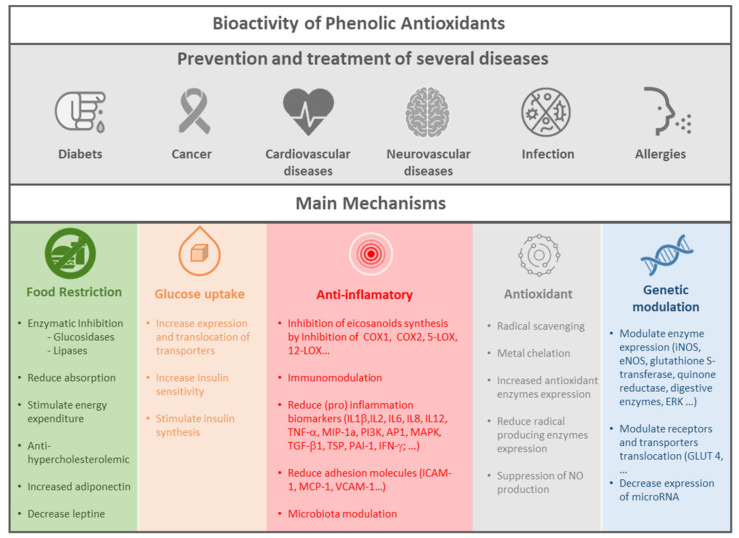
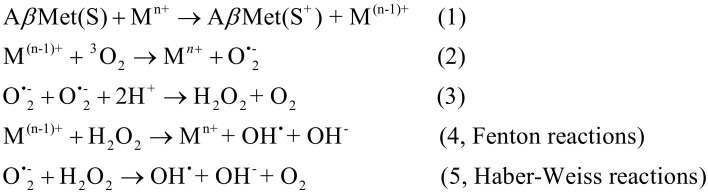
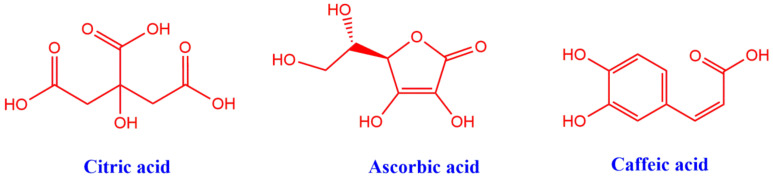
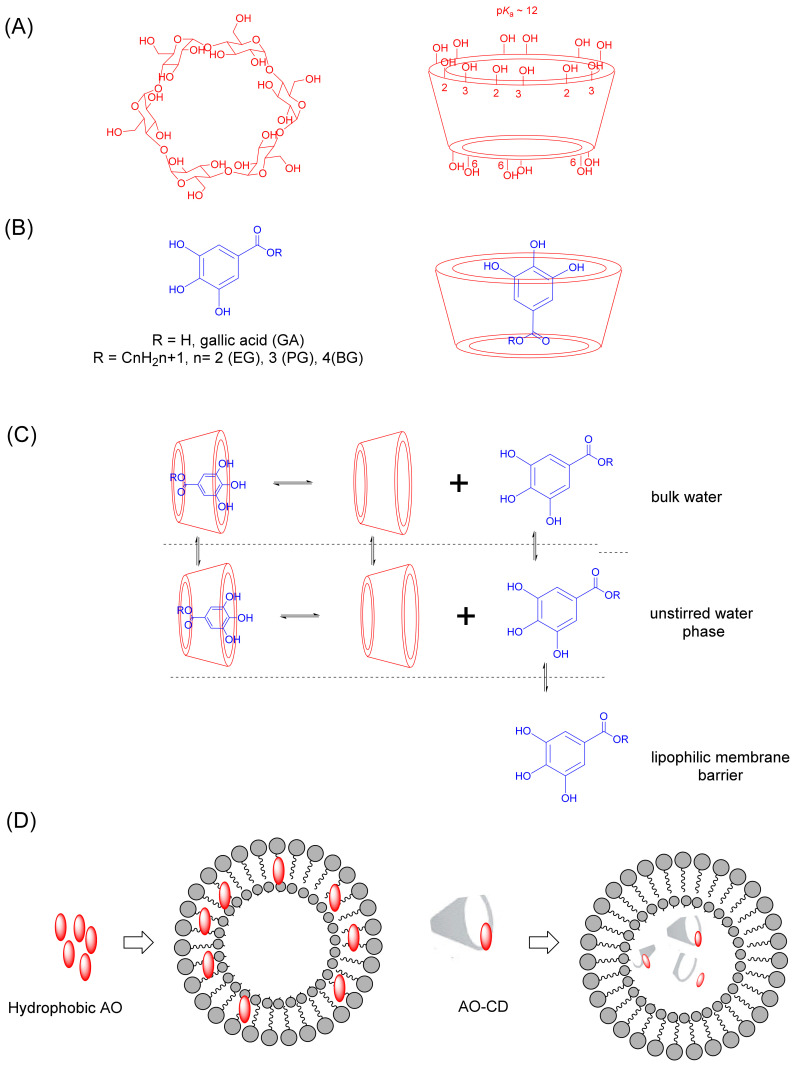
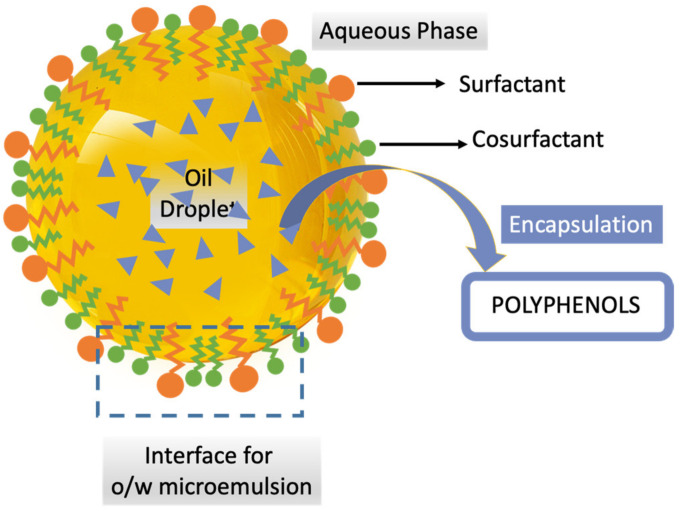
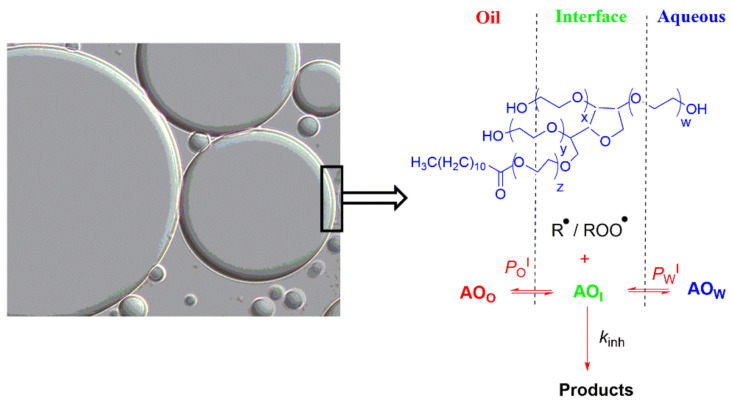
Toxicity caused by the exposure to human-made chemicals and environmental conditions has become a major health concern because they may significantly increase the formation of reactive oxygen species (ROS), negatively affecting the endogenous antioxidant defense. Living systems have evolved complex antioxidant mechanisms to protect cells from oxidative conditions. Although oxidative stress contributes to various pathologies, the intake of molecules such as polyphenols, obtained from natural sources, may limit their effects because of their antioxidant and antimicrobial properties against lipid peroxidation and against a broad range of foodborne pathogens. Ingestion of polyphenol-rich foods, such as fruits and vegetables, help to reduce the harmful effects of ROS, but the use of supramolecular and nanomaterials as delivery systems has emerged as an efficient method to improve their pharmacological and therapeutic effects. Suitable exogenous polyphenolic antioxidants should be readily absorbed and delivered to sites where pathological oxidative damage may take place, for instance, intracellular locations. Many potential antioxidants have a poor bioavailability, but they can be encapsulated to improve their ideal solubility and permeability profile. Development of effective antioxidant strategies requires the creation of new nanoscale drug delivery systems to significantly reduce oxidative stress. In this review we provide an overview of the oxidative stress process, highlight some properties of ROS, and discuss the role of natural polyphenols as bioactives in controlling the overproduction of ROS and bacterial and fungal growth, paying special attention to their encapsulation in suitable delivery systems and to their location in colloidal systems where interfaces play a crucial role.
接触人造化学品和环境条件所导致的毒性已成为一个主要的健康问题,因为它们可能会显著增加活性氧(ROS)的形成,对体内抗氧化防御产生负面影响。生物系统已经进化出复杂的抗氧化机制来保护细胞免受氧化应激。尽管氧化应激会导致各种病理状况,但从天然来源获取的分子(如多酚)的摄入可能会因其对脂质过氧化和多种食源性病原体的抗氧化和抗菌特性而限制其影响。摄入富含多酚的食物,如水果和蔬菜,有助于减少ROS的有害影响,但使用超分子和纳米材料作为递送系统已成为提高其药理和治疗效果的有效方法。合适的外源性多酚抗氧化剂应易于吸收并递送至可能发生病理性氧化损伤的部位,例如细胞内位置。许多潜在的抗氧化剂生物利用度较差,但可以将它们封装起来以改善其理想的溶解度和渗透性。开发有效的抗氧化策略需要创建新的纳米级药物递送系统,以显著降低氧化应激。在这篇综述中,我们概述了氧化应激过程,强调了ROS的一些特性,并讨论了天然多酚作为生物活性物质在控制ROS的过量产生以及细菌和真菌生长方面的作用,特别关注它们在合适的递送系统中的封装以及它们在胶体系统中的位置,在胶体系统中界面起着至关重要的作用。