Spataru Mihaela-Claudia, Cojocaru Florina Daniela, Sandu Andrei Victor, Solcan Carmen, Duceac Ioana Alexandra, Baltatu Madalina Simona, Voiculescu Ionelia, Geanta Victor, Vizureanu Petrica
Public Health Departament, Faculty of Veterinary Medicine, "Ion Ionescu de la Brad" University of Life Sciences, 3 Mihail Sadoveanu Alley, 700490 Iasi, Romania.
Biomedical Sciences Department, Faculty of Medical Bioengineering, Grigore T. Popa University of Medicine and Pharmacy, 9-13 Kogalniceanu Street, 700454 Iasi, Romania.
Materials (Basel). 2021 Dec 10;14(24):7610. doi: 10.3390/ma14247610.
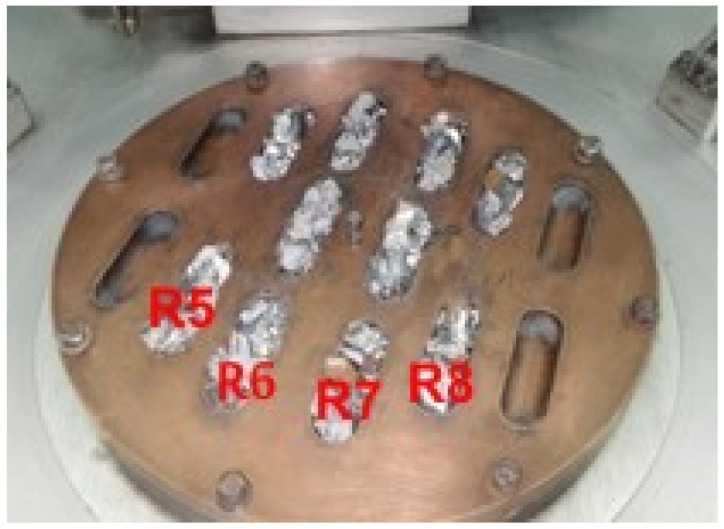
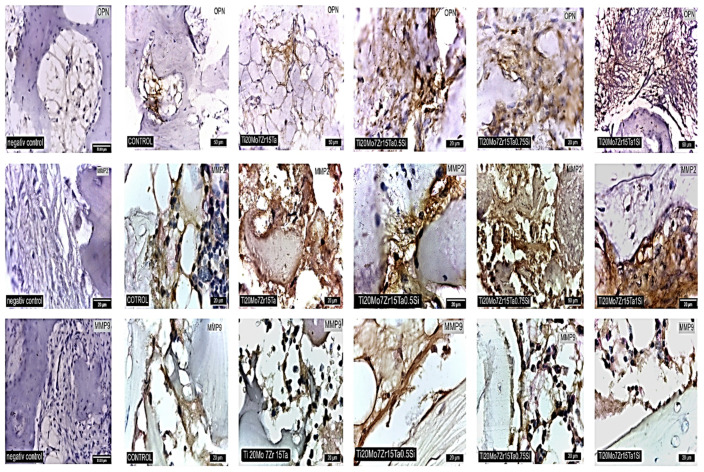
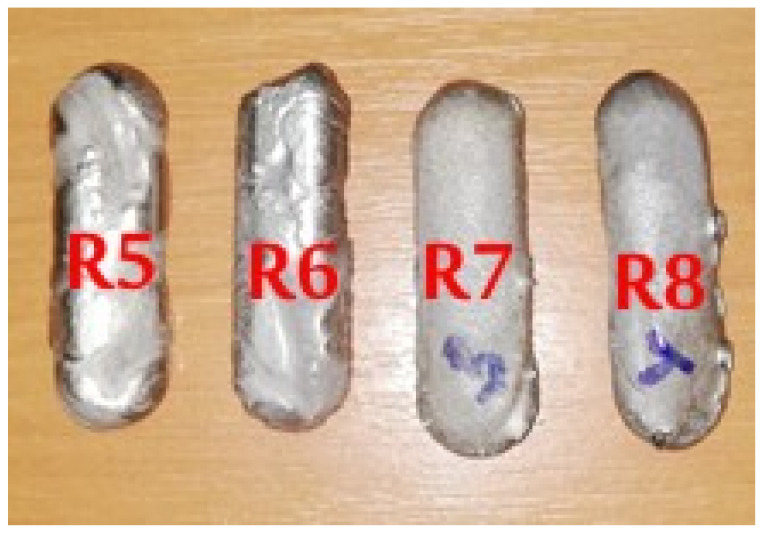
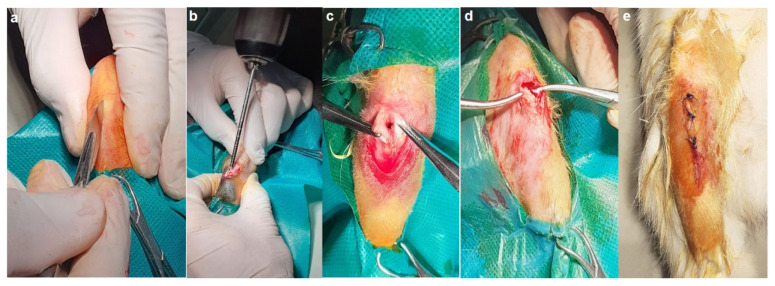
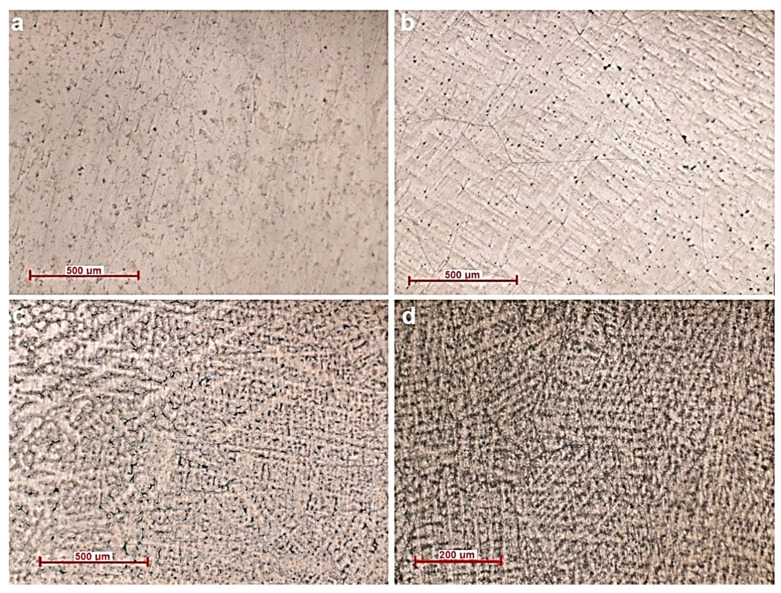
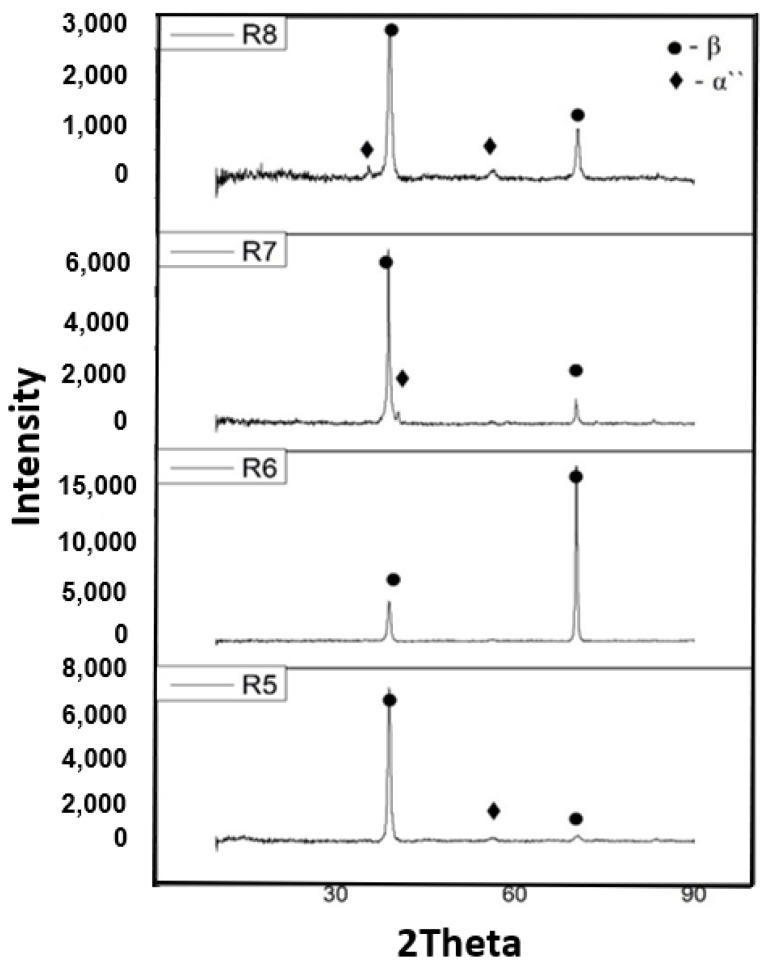
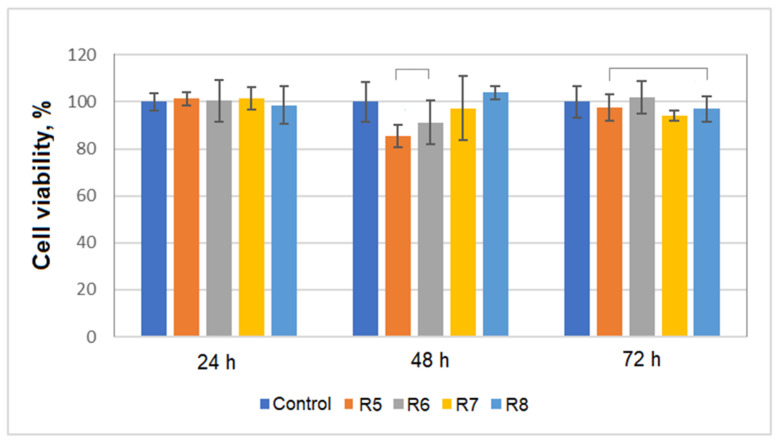
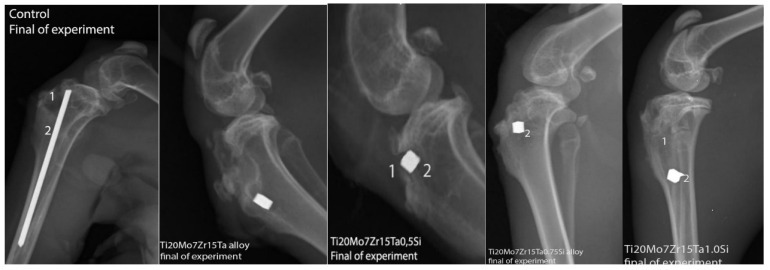
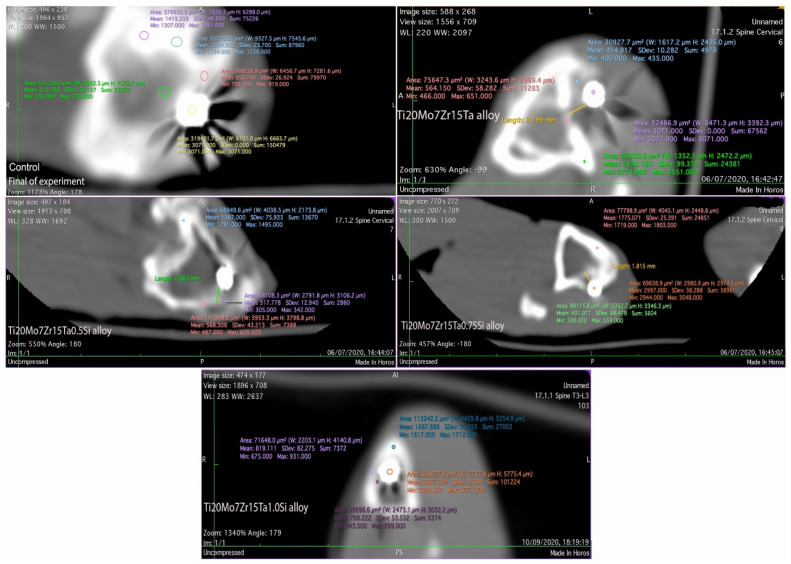
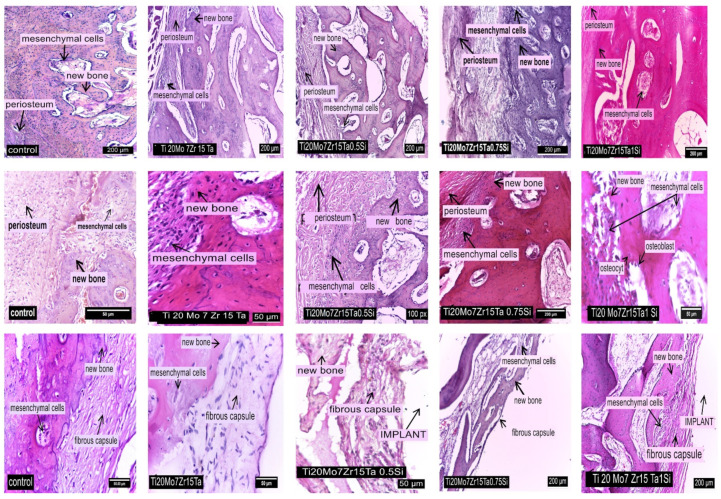
Ti-based alloys are widely used in medical applications. When implant devices are used to reconstruct disordered bone, prevent bone resorption and enhance good bone remodeling, the Young's modulus of implants should be close to that of the bone. To satisfy this requirement, many titanium alloys with different biocompatible elements (Zr, Ta, Mo, Si etc.) interact well with adjacent bone tissues, promoting an adequate osseointegration. Four new different alloys were obtained and investigated regarding their microstructure, mechanical, chemical and biological behavior (in vitro and in vivo evaluation), as follows: TiMoZrTa, TiMoZrTaSi, TiMoZrTaSi and TiMoZrTaSi. 60 days after implantation, both in control and experimental rabbits, at the level of implantation gap and into the periimplant area were found the mesenchymal stem cells which differentiate into osteoblasts, then osteocytes and osteoclasts which are involved in the new bone synthesis and remodeling, the periimplant fibrous capsule being continued by newly spongy bone tissue, showing a good osseointegration of alloys. A 3-(4,5-dimethylthiazol-2-yl)-2,5-diphenyltetrazolium bromide (MTT) assay confirmed the in vitro cytocompatibility of the prepared alloys.
钛基合金在医学应用中广泛使用。当植入装置用于重建紊乱的骨骼、防止骨吸收并促进良好的骨重塑时,植入物的杨氏模量应接近骨骼的杨氏模量。为满足这一要求,许多含有不同生物相容性元素(锆、钽、钼、硅等)的钛合金与相邻骨组织相互作用良好,促进了充分的骨整合。获得了四种新的不同合金,并对其微观结构、力学、化学和生物学行为(体外和体内评估)进行了如下研究:TiMoZrTa、TiMoZrTaSi、TiMoZrTaSi和TiMoZrTaSi。植入60天后,在对照兔和实验兔中,在植入间隙水平和植入物周围区域均发现间充质干细胞分化为成骨细胞,然后是参与新骨合成和重塑的骨细胞和破骨细胞,植入物周围纤维囊由新的海绵状骨组织延续,显示合金具有良好的骨整合。3-(4,5-二甲基噻唑-2-基)-2,5-二苯基四氮唑溴盐(MTT)试验证实了所制备合金的体外细胞相容性。