Limongi Tania, Susa Francesca, Marini Monica, Allione Marco, Torre Bruno, Pisano Roberto, di Fabrizio Enzo
Department of Applied Science and Technology, Politecnico di Torino, Corso Duca degli Abruzzi 24, 10129 Turin, Italy.
Nanomaterials (Basel). 2021 Dec 14;11(12):3391. doi: 10.3390/nano11123391.
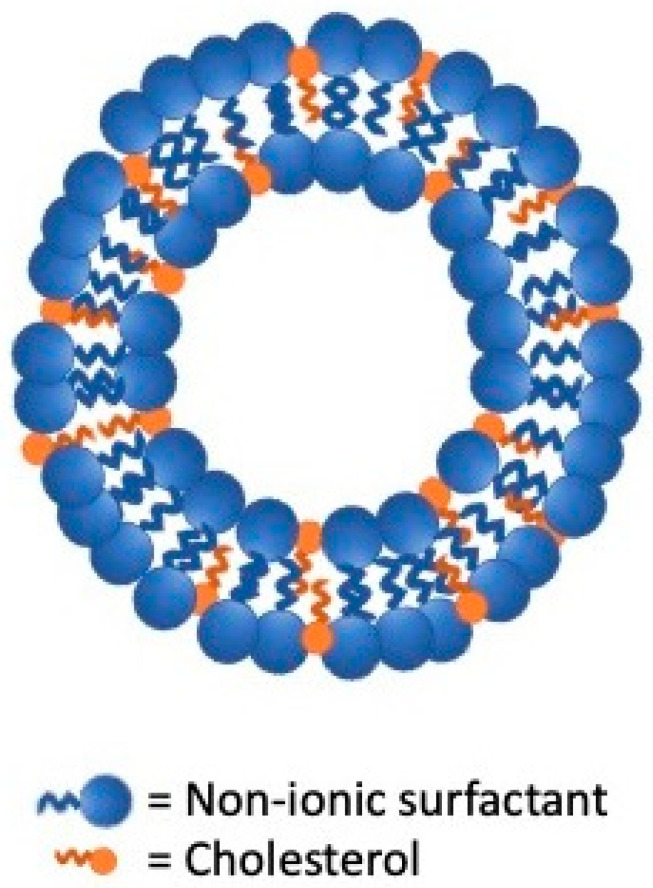
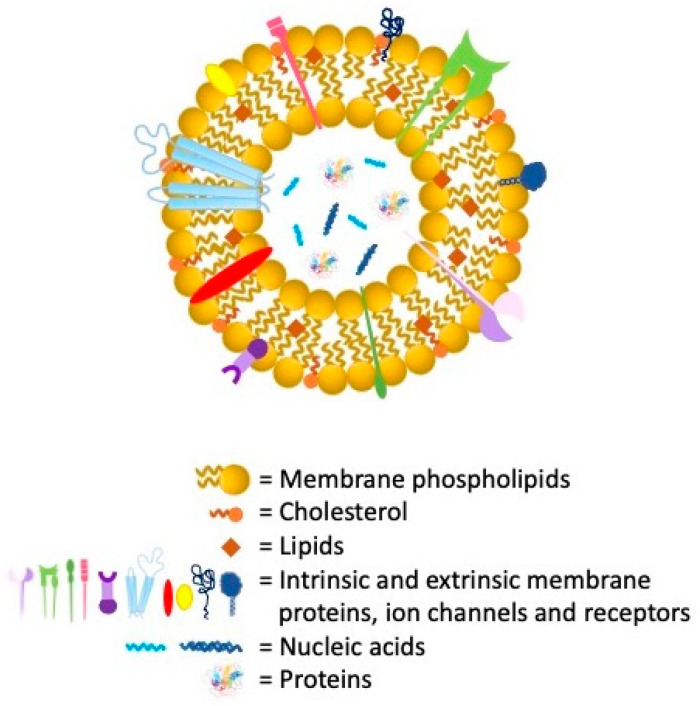
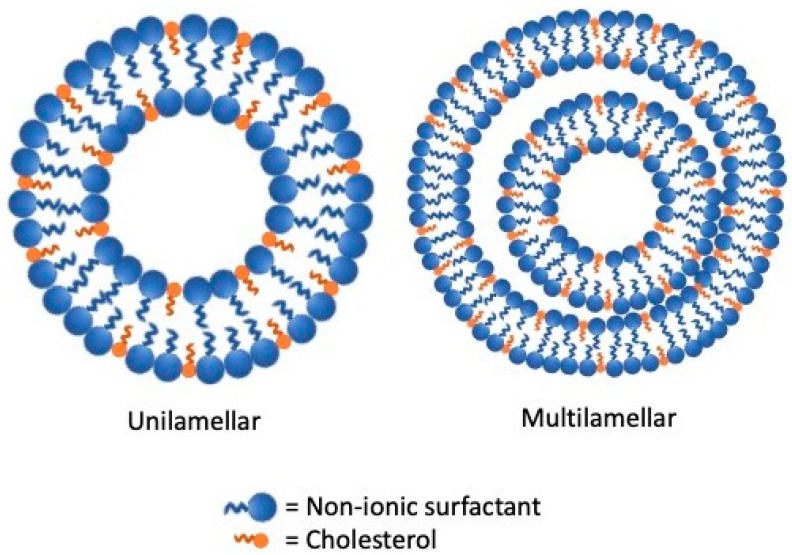
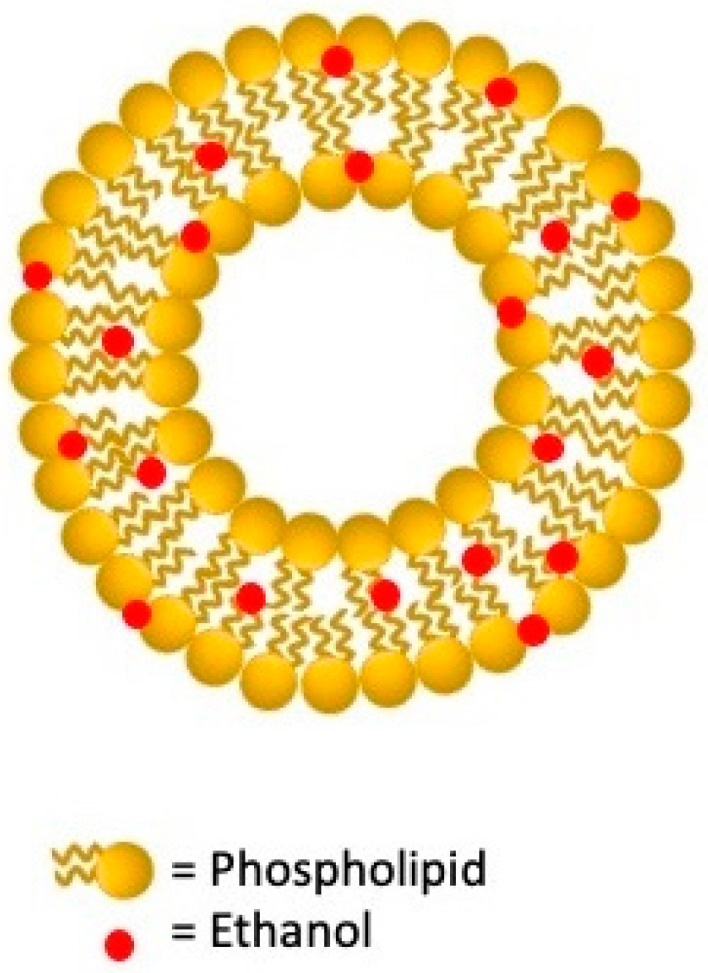
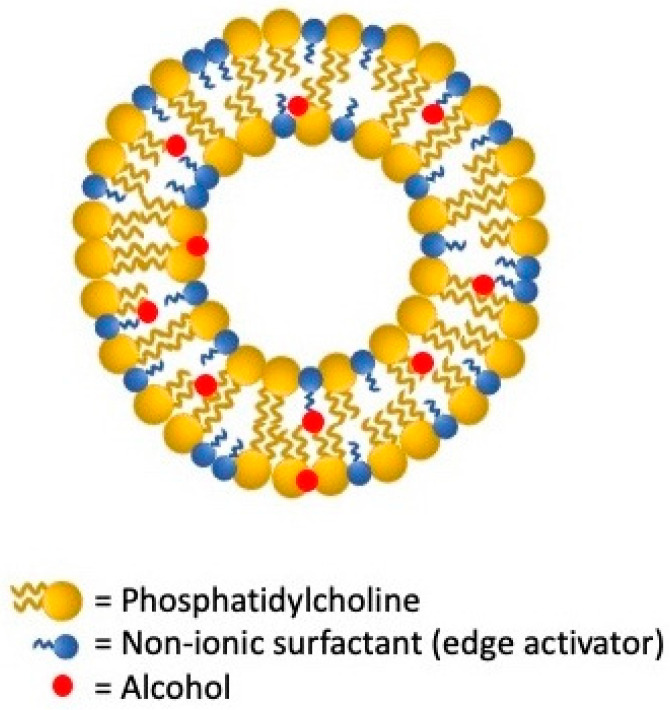
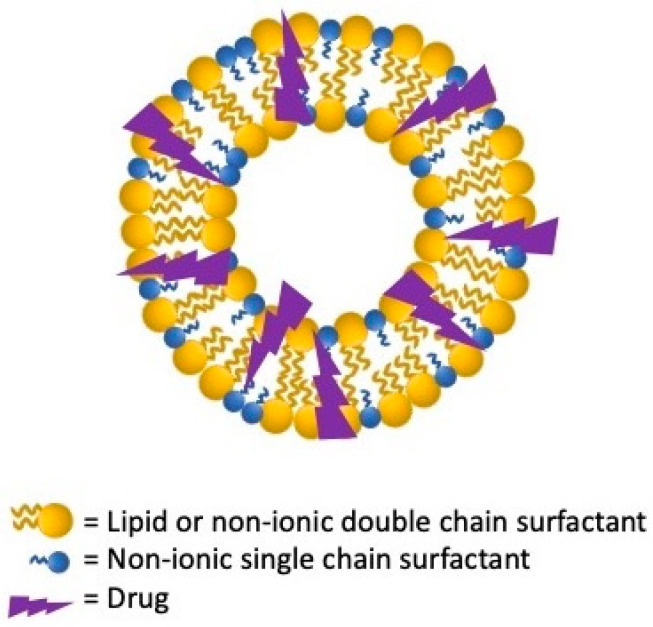
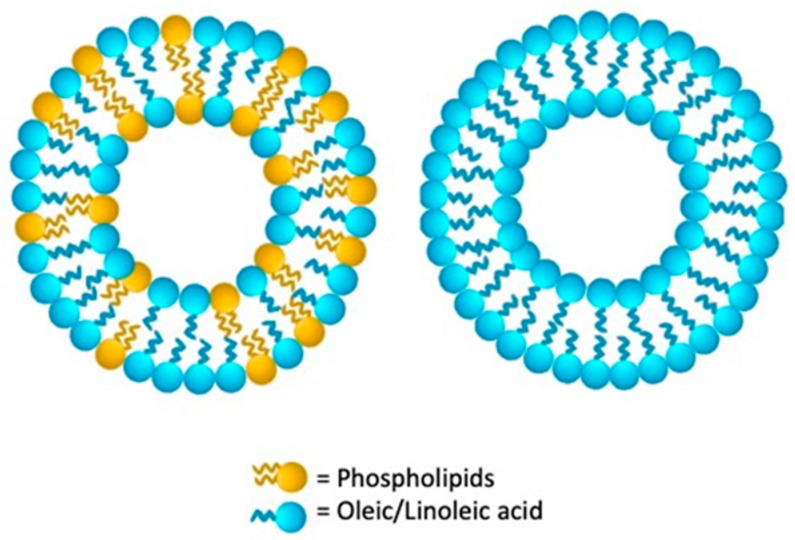
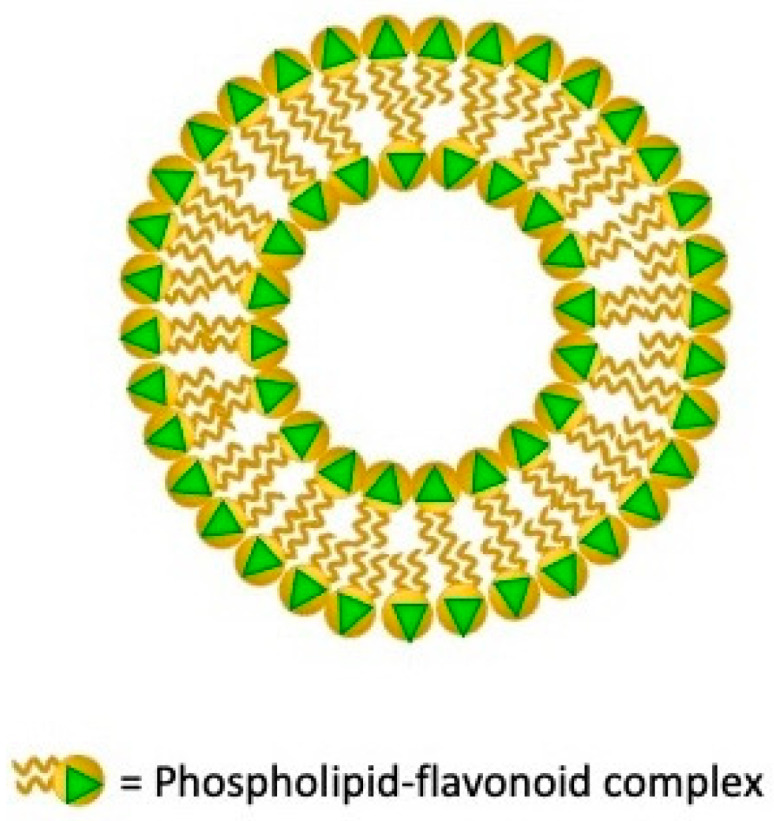
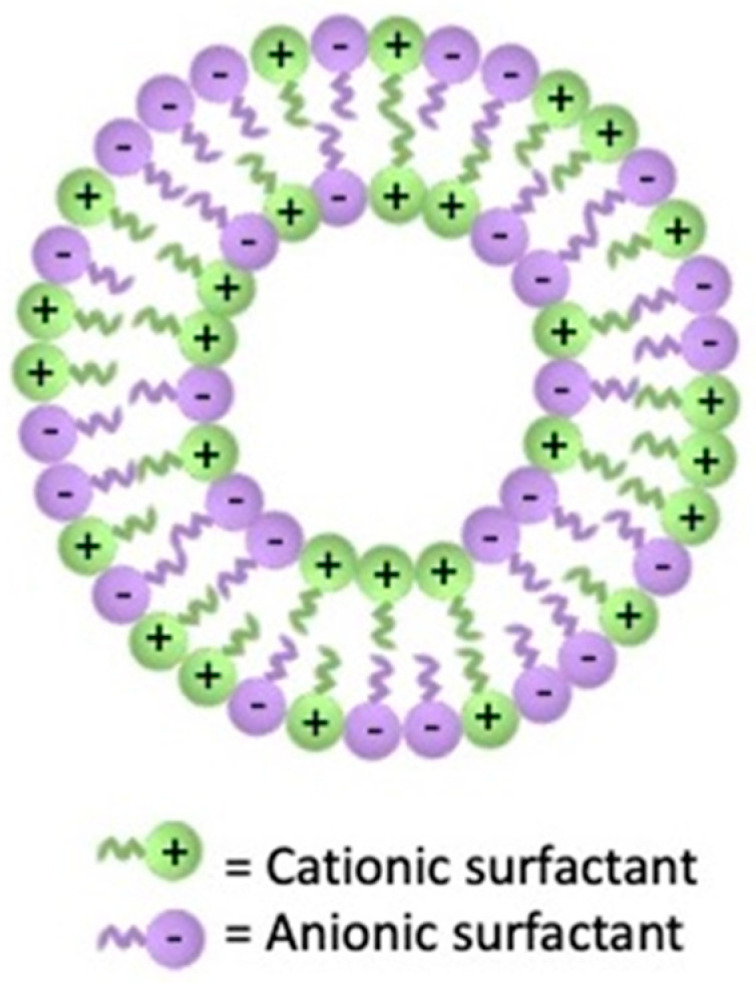
In designing a new drug, considering the preferred route of administration, various requirements must be fulfilled. Active molecules pharmacokinetics should be reliable with a valuable drug profile as well as well-tolerated. Over the past 20 years, nanotechnologies have provided alternative and complementary solutions to those of an exclusively pharmaceutical chemical nature since scientists and clinicians invested in the optimization of materials and methods capable of regulating effective drug delivery at the nanometer scale. Among the many drug delivery carriers, lipid nano vesicular ones successfully support clinical candidates approaching such problems as insolubility, biodegradation, and difficulty in overcoming the skin and biological barriers such as the blood-brain one. In this review, the authors discussed the structure, the biochemical composition, and the drug delivery applications of lipid nanovesicular carriers, namely, niosomes, proniosomes, ethosomes, transferosomes, pharmacosomes, ufasomes, phytosomes, catanionic vesicles, and extracellular vesicles.
在设计一种新药时,考虑到首选给药途径,必须满足各种要求。活性分子的药代动力学应该可靠,具有有价值的药物特性,并且耐受性良好。在过去20年里,纳米技术提供了替代和补充解决方案,这些解决方案不同于单纯药物化学性质的解决方案,因为科学家和临床医生致力于优化能够在纳米尺度上调节有效药物递送的材料和方法。在众多药物递送载体中,脂质纳米囊泡载体成功地支持了临床候选药物,解决了诸如不溶性、生物降解以及难以克服皮肤和血脑屏障等生物学屏障等问题。在这篇综述中,作者讨论了脂质纳米囊泡载体的结构、生化组成和药物递送应用,即非离子表面活性剂囊泡、前体脂质体、醇质体、传递体、药质体、不饱和脂肪酸脂质体、植物脂质体、阴阳离子囊泡和细胞外囊泡。