Department of Respiration Physiology, Mossakowski Medical Research Institute, Polish Academy of Sciences, Pawińskiego 5 St., 02-106 Warsaw, Poland.
Int J Mol Sci. 2021 Dec 20;22(24):13656. doi: 10.3390/ijms222413656.
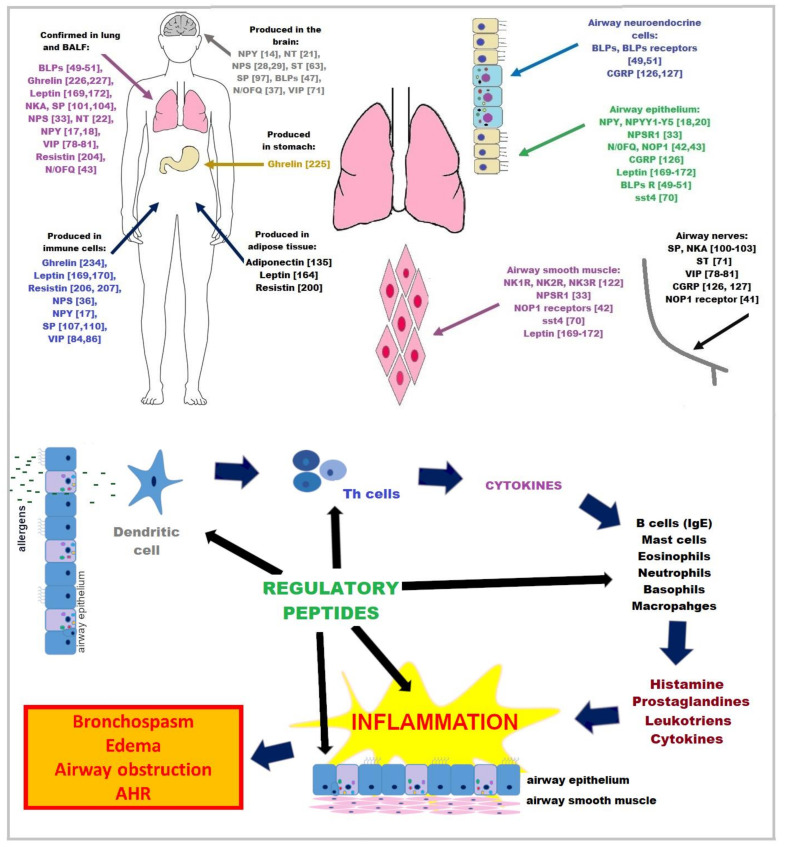
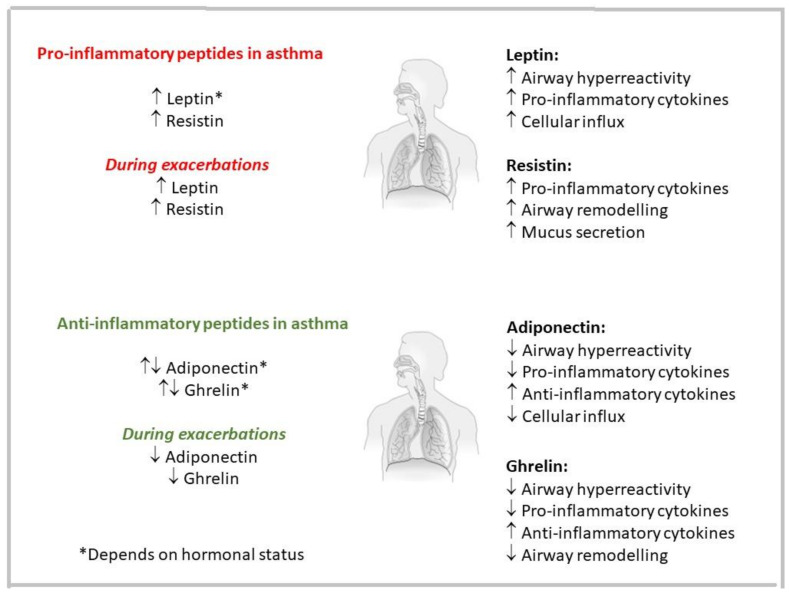
Numerous regulatory peptides play a critical role in the pathogenesis of airway inflammation, airflow obstruction and hyperresponsiveness, which are hallmarks of asthma. Some of them exacerbate asthma symptoms, such as neuropeptide Y and tachykinins, while others have ameliorating properties, such as nociception, neurotensin or β-defensin 2. Interacting with peptide receptors located in the lungs or on immune cells opens up new therapeutic possibilities for the treatment of asthma, especially when it is resistant to available therapies. This article provides a concise review of the most important and current findings regarding the involvement of regulatory peptides in asthma pathology.
许多调节肽在气道炎症、气流阻塞和高反应性的发病机制中起着关键作用,这些都是哮喘的特征。其中一些调节肽会加重哮喘症状,如神经肽 Y 和速激肽,而另一些则具有缓解作用,如伤害感受、神经降压素或β-防御素 2。与位于肺部或免疫细胞上的肽受体相互作用为哮喘的治疗开辟了新的治疗可能性,特别是当它对现有治疗方法产生抗药性时。本文简要综述了调节肽在哮喘发病机制中的重要和最新发现。