Institute of Translational Medicine, Medical College, Yangzhou University, Yangzhou, China.
Jiangsu Key Laboratory of Experimental & Translational Non-coding RNA Research Yangzhou, Yangzhou, China.
Front Immunol. 2021 Dec 14;12:707542. doi: 10.3389/fimmu.2021.707542. eCollection 2021.
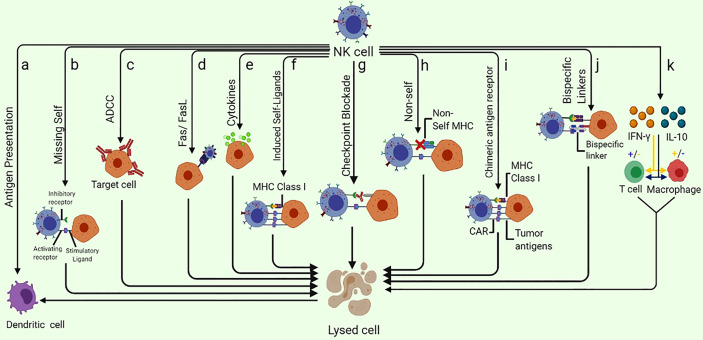
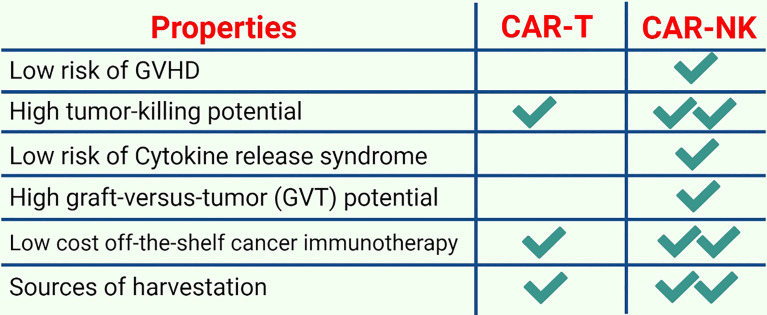
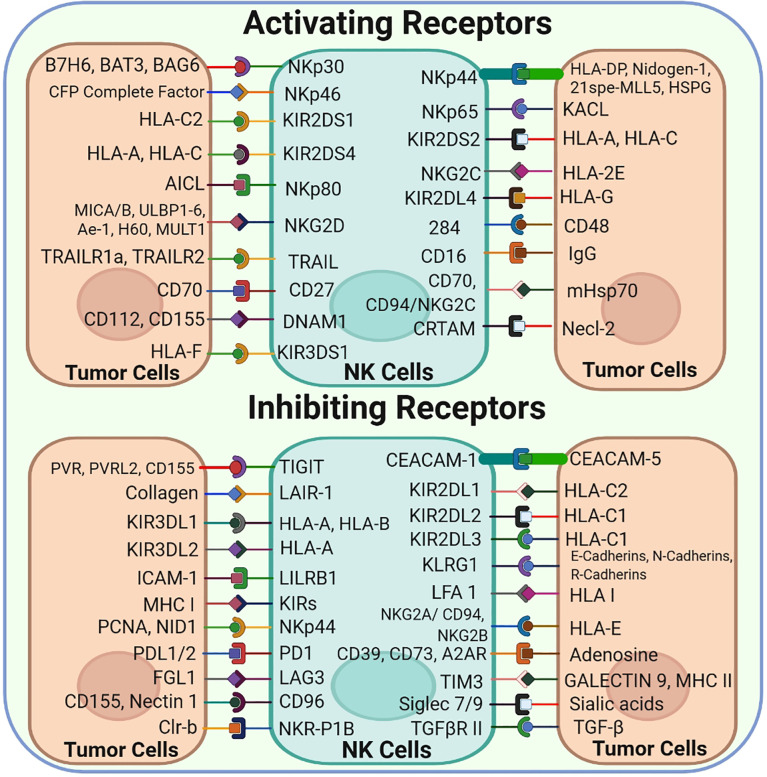
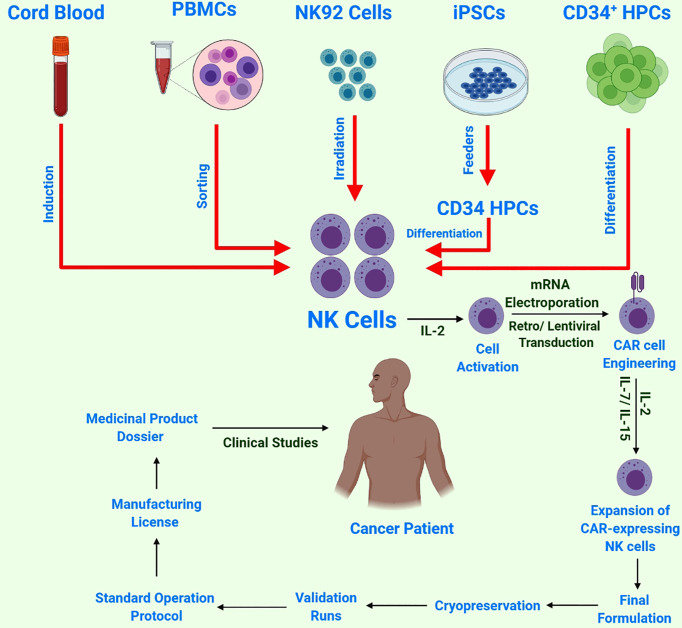
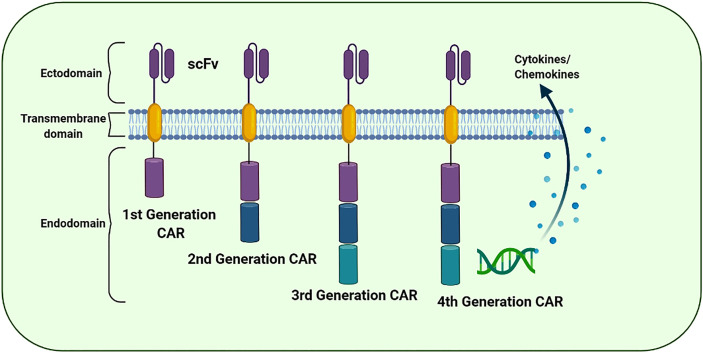
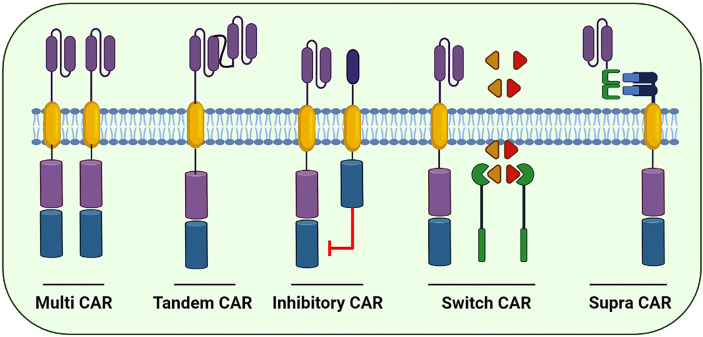
Chimeric antigen receptors (CARs) are fusion proteins with an extracellular antigen recognition domain and numerous intracellular signaling domains that have been genetically modified. CAR-engineered T lymphocyte-based therapies have shown great success against blood cancers; however, potential fatal toxicity, such as in cytokine release syndrome, and high costs are some shortcomings that limit the clinical application of CAR-engineered T lymphocytes and remain to overcome. Natural killer (NK) cells are the focal point of current immunological research owing to their receptors that prove to be promising immunotherapeutic candidates for treating cancer. However, to date, manipulation of NK cells to treat malignancies has been moderately successful. Recent progress in the biology of NK cell receptors has greatly transformed our understanding of how NK cells recognize and kill tumor and infected cells. CAR-NK cells may serve as an alternative candidate for retargeting cancer because of their unique recognition mechanisms, powerful cytotoxic effects especially on cancer cells in both CAR-dependent and CAR-independent manners and clinical safety. Moreover, NK cells can serve as an 'off-the-shelf product' because NK cells from allogeneic sources can also be used in immunotherapies owing to their reduced risk of alloreactivity. Although ongoing fundamental research is in the beginning stages, this review provides an overview of recent developments implemented to design CAR constructs to stimulate NK activation and manipulate NK receptors for improving the efficiency of immunotherapy against cancer, summarizes the preclinical and clinical advances of CAR-NK cells against both hematological malignancies and solid tumors and confronts current challenges and obstacles of their applications. In addition, this review provides insights into prospective novel approaches that further enhance the efficiency of CAR-NK therapies and highlights potential questions that require to be addressed in the future.
嵌合抗原受体 (CAR) 是一种融合蛋白,具有经过基因修饰的细胞外抗原识别结构域和多个细胞内信号结构域。基于 CAR 修饰的 T 淋巴细胞的治疗方法在对抗血液癌症方面取得了巨大成功;然而,潜在的致命毒性,如细胞因子释放综合征,以及高昂的成本是一些限制 CAR 修饰的 T 淋巴细胞临床应用并需要克服的缺点。自然杀伤 (NK) 细胞是当前免疫研究的焦点,因为它们的受体被证明是治疗癌症的很有前途的免疫治疗候选物。然而,迄今为止,操纵 NK 细胞来治疗恶性肿瘤的效果并不理想。NK 细胞受体生物学的最新进展极大地改变了我们对 NK 细胞如何识别和杀死肿瘤和感染细胞的理解。由于 CAR-NK 细胞独特的识别机制、强大的细胞毒性作用(尤其是对 CAR 依赖和 CAR 非依赖方式的癌细胞)和临床安全性,CAR-NK 细胞可能成为靶向癌症的替代候选者。此外,由于同种异体来源的 NK 细胞的同种异体反应风险降低,因此也可以将其用于免疫疗法,因此 NK 细胞可以作为“现成产品”使用。虽然正在进行的基础研究处于起步阶段,但本综述提供了对设计 CAR 构建体以刺激 NK 激活和操纵 NK 受体以提高针对癌症的免疫治疗效率的最新进展的概述,总结了 CAR-NK 细胞针对血液恶性肿瘤和实体瘤的临床前和临床进展,并直面其应用的当前挑战和障碍。此外,本综述提供了对进一步提高 CAR-NK 治疗效率的有前景的新方法的见解,并强调了未来需要解决的潜在问题。