Division of Genetics, Department of Medicine, Harvard Medical School, Brigham and Women's Hospital, Boston, Massachusetts, USA.
Aging Cell. 2022 Jan;21(1):e13538. doi: 10.1111/acel.13538. Epub 2021 Dec 31.
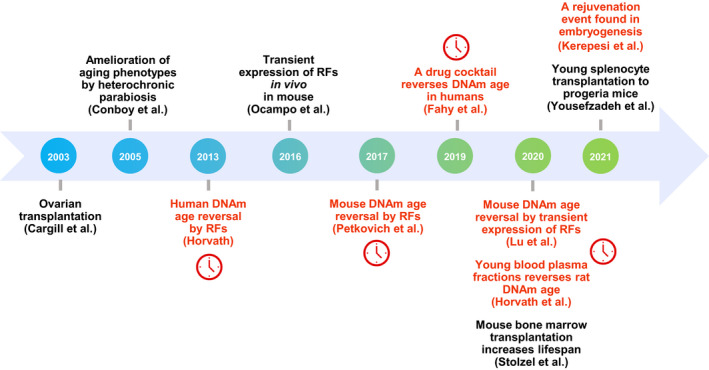
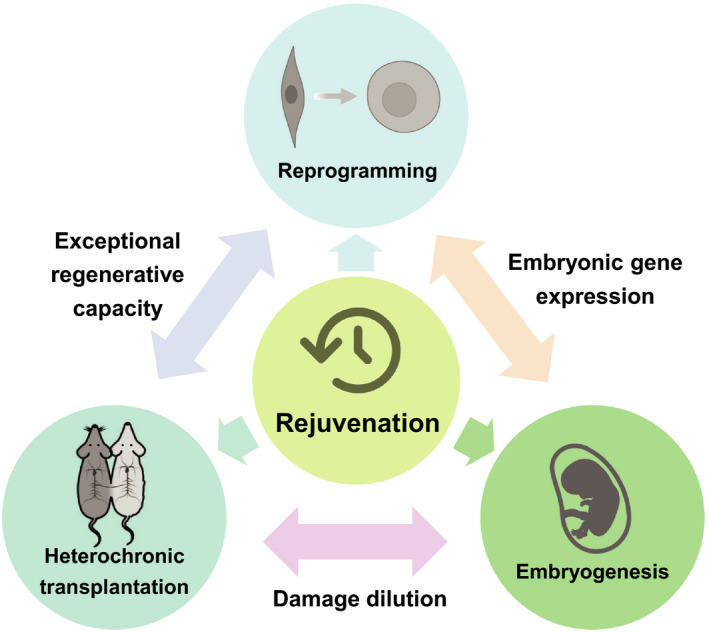
Several interventions have recently emerged that were proposed to reverse rather than just attenuate aging, but the criteria for what it takes to achieve rejuvenation remain controversial. Distinguishing potential rejuvenation therapies from other longevity interventions, such as those that slow down aging, is challenging, and these anti-aging strategies are often referred to interchangeably. We suggest that the prerequisite for a rejuvenation intervention is a robust, sustained, and systemic reduction in biological age, which can be assessed by biomarkers of aging, such as epigenetic clocks. We discuss known and putative rejuvenation interventions and comparatively analyze them to explore underlying mechanisms.
最近出现了一些干预措施,旨在逆转衰老,而不仅仅是减缓衰老,但实现返老还童所需的标准仍存在争议。将潜在的返老还童疗法与其他长寿干预措施区分开来,例如那些减缓衰老的干预措施,具有挑战性,这些抗衰老策略通常可以互换使用。我们认为,返老还童干预的前提是生物年龄的稳健、持续和系统性降低,这可以通过衰老生物标志物(如表观遗传钟)来评估。我们讨论了已知和推测的返老还童干预措施,并对它们进行了比较分析,以探讨潜在的机制。