Epigenetics Programme, Babraham Institute, Cambridge, United Kingdom.
Imaging Facility, Babraham Institute, Cambridge, United Kingdom.
Elife. 2022 Apr 8;11:e71624. doi: 10.7554/eLife.71624.
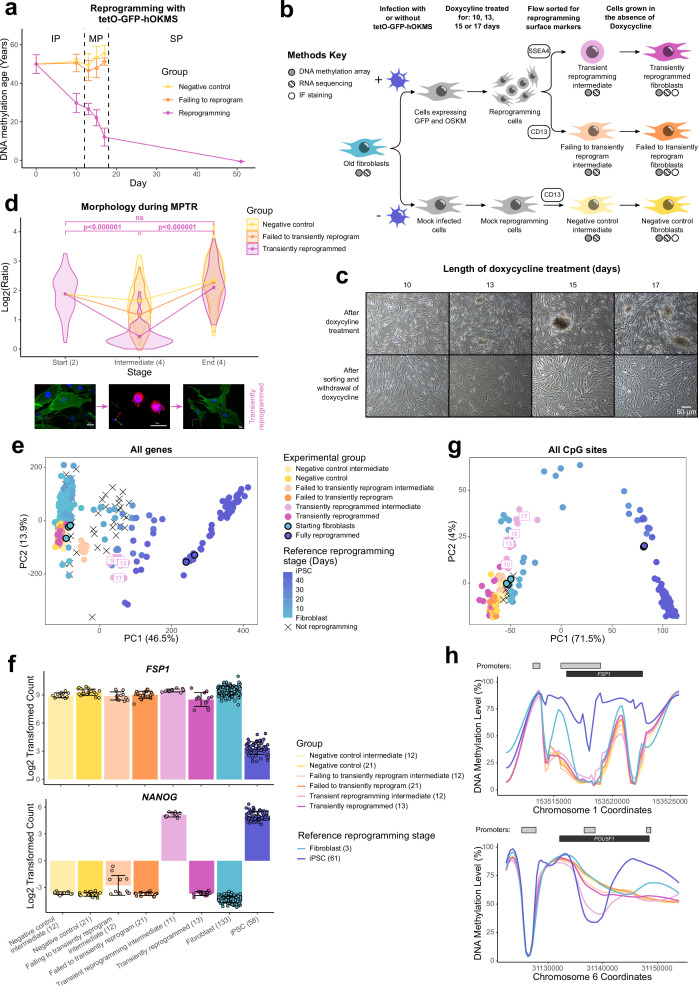
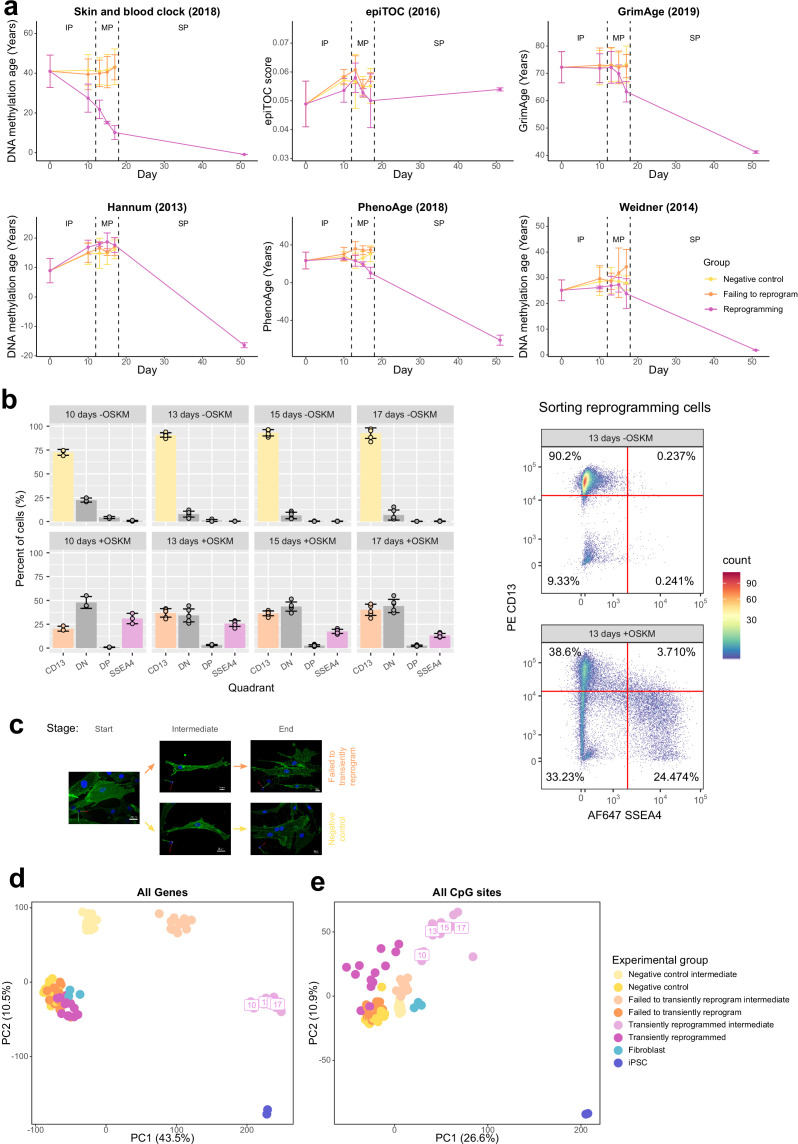
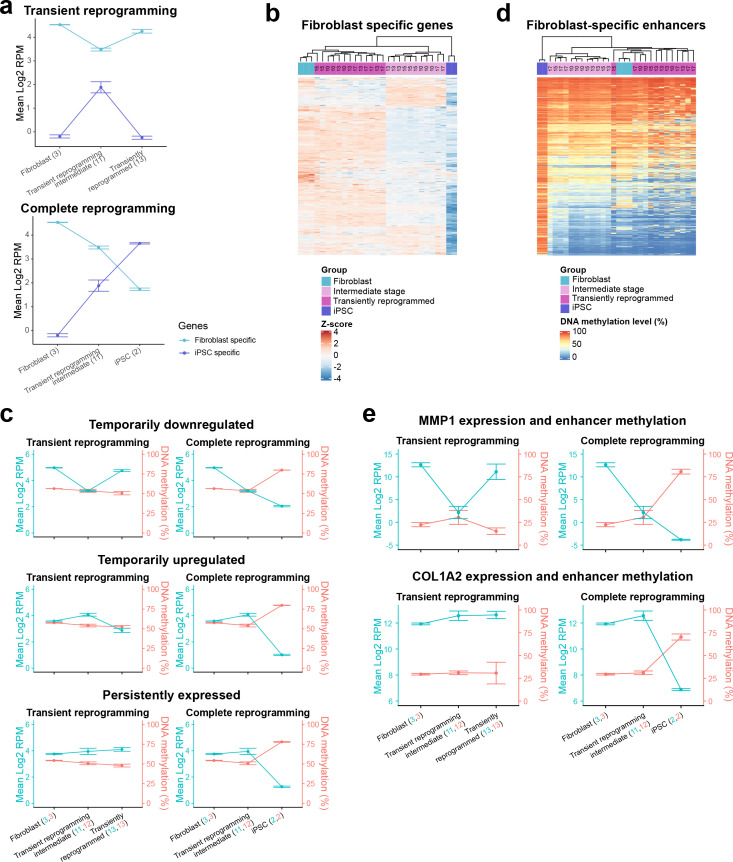
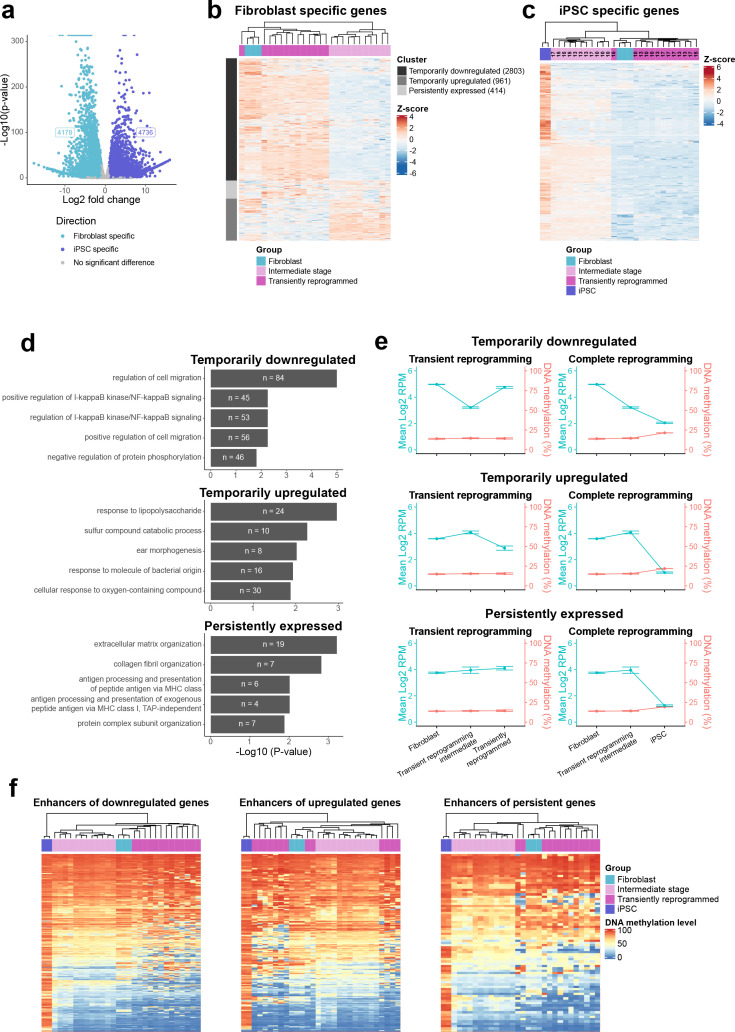
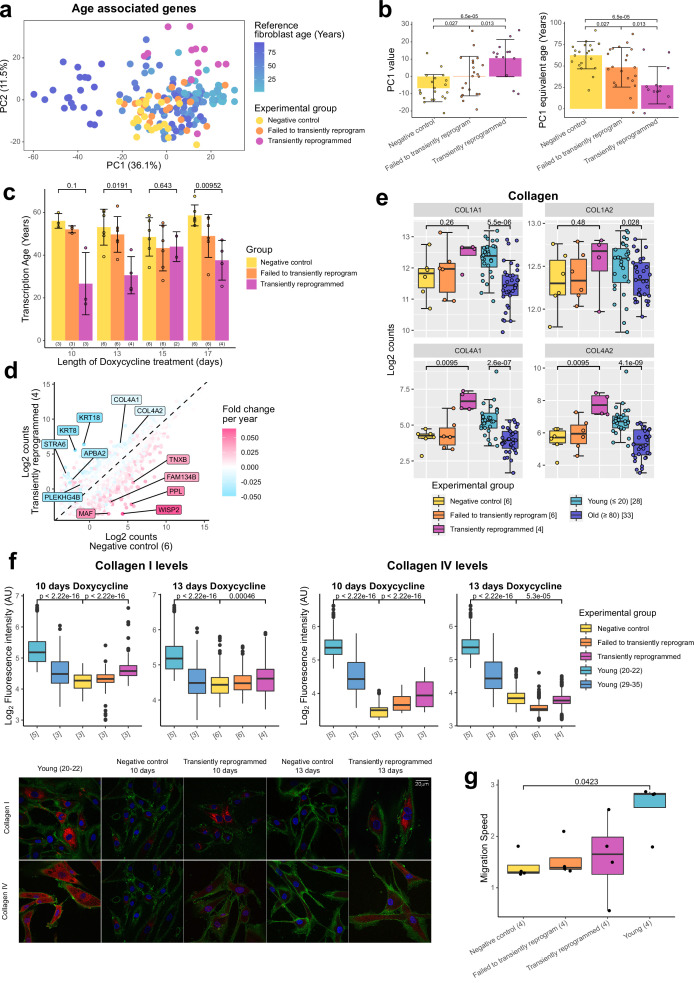
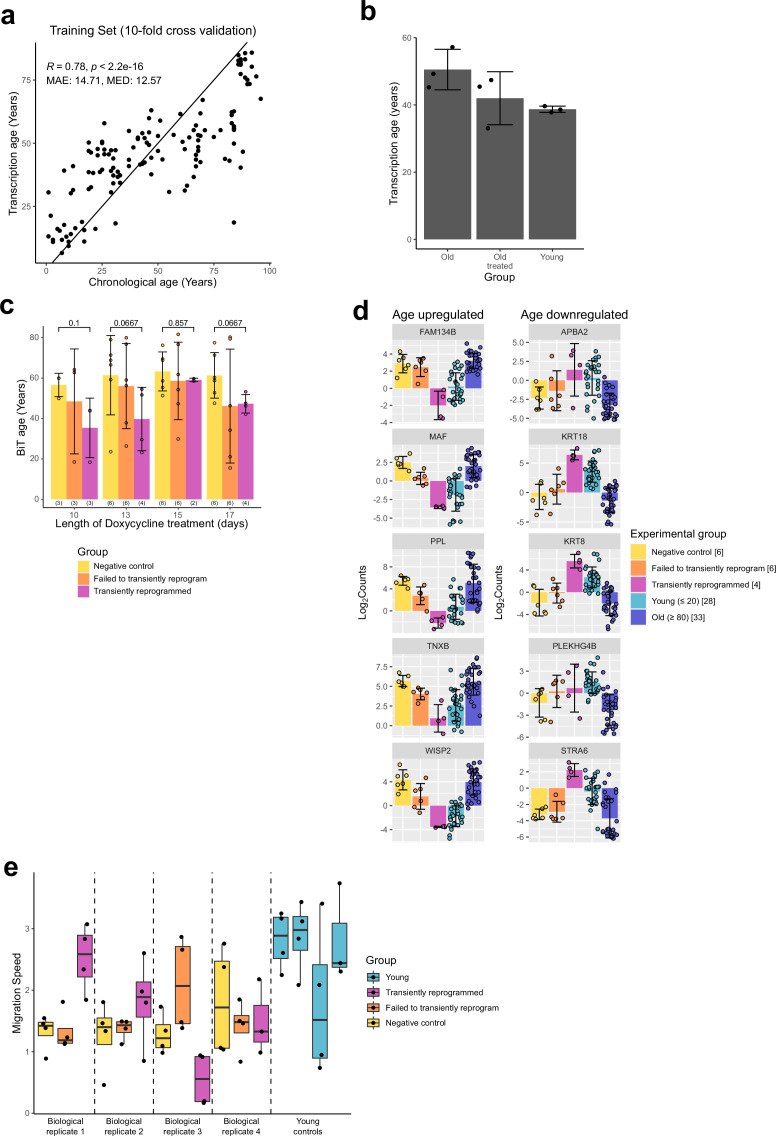
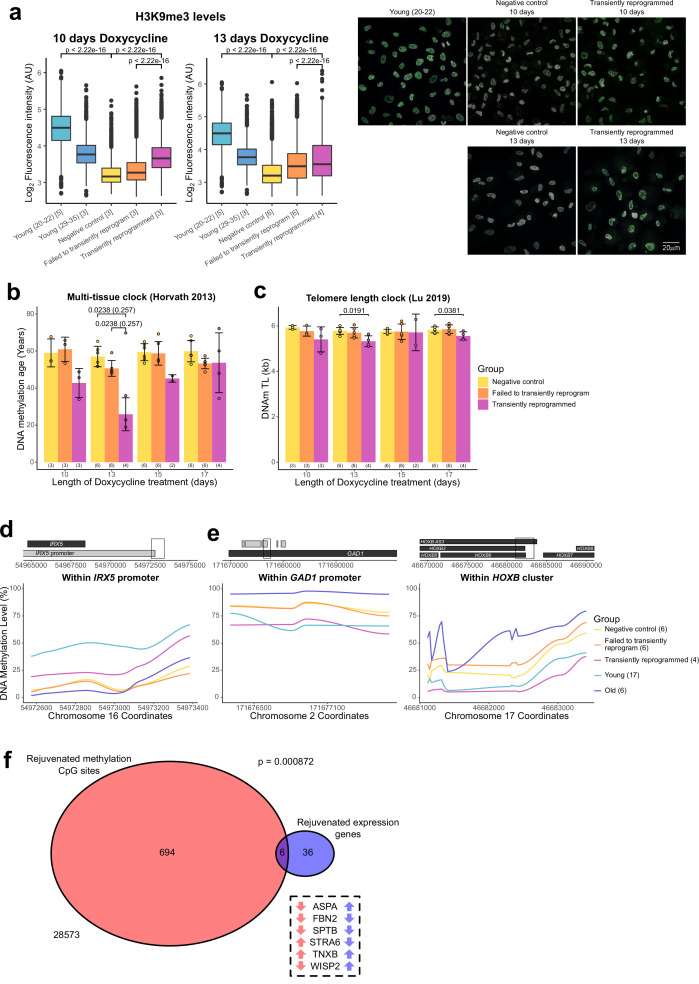
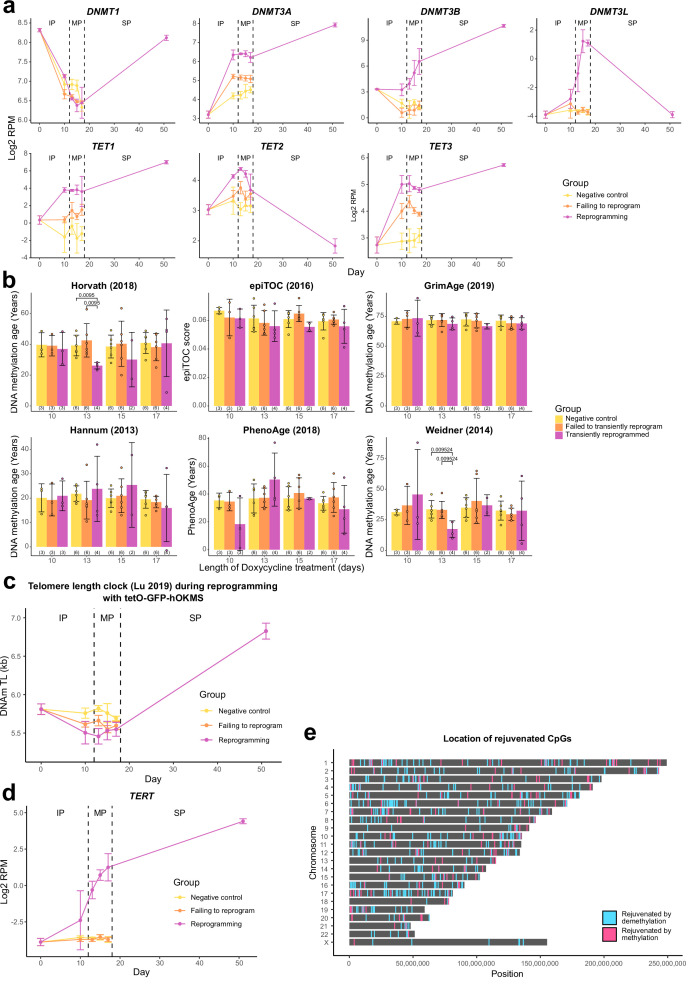
Ageing is the gradual decline in organismal fitness that occurs over time leading to tissue dysfunction and disease. At the cellular level, ageing is associated with reduced function, altered gene expression and a perturbed epigenome. Recent work has demonstrated that the epigenome is already rejuvenated by the maturation phase of somatic cell reprogramming, which suggests full reprogramming is not required to reverse ageing of somatic cells. Here we have developed the first "maturation phase transient reprogramming" (MPTR) method, where reprogramming factors are selectively expressed until this rejuvenation point then withdrawn. Applying MPTR to dermal fibroblasts from middle-aged donors, we found that cells temporarily lose and then reacquire their fibroblast identity, possibly as a result of epigenetic memory at enhancers and/or persistent expression of some fibroblast genes. Excitingly, our method substantially rejuvenated multiple cellular attributes including the transcriptome, which was rejuvenated by around 30 years as measured by a novel transcriptome clock. The epigenome was rejuvenated to a similar extent, including H3K9me3 levels and the DNA methylation ageing clock. The magnitude of rejuvenation instigated by MPTR appears substantially greater than that achieved in previous transient reprogramming protocols. In addition, MPTR fibroblasts produced youthful levels of collagen proteins, and showed partial functional rejuvenation of their migration speed. Finally, our work suggests that optimal time windows exist for rejuvenating the transcriptome and the epigenome. Overall, we demonstrate that it is possible to separate rejuvenation from complete pluripotency reprogramming, which should facilitate the discovery of novel anti-ageing genes and therapies.
衰老是指随着时间的推移,生物体适应能力逐渐下降,导致组织功能障碍和疾病的发生。在细胞水平上,衰老是与功能下降、基因表达改变和表观基因组失调相关的。最近的研究表明,表观基因组在体细胞重编程的成熟阶段已经得到了恢复,这表明完全重编程并不是逆转体细胞衰老所必需的。在这里,我们开发了第一种“成熟阶段瞬时重编程”(MPTR)方法,其中重编程因子被选择性表达,直到达到这个恢复点,然后撤回。将 MPTR 应用于中年供体的皮肤成纤维细胞,我们发现细胞暂时失去并重新获得其成纤维细胞特征,这可能是由于增强子上的表观遗传记忆和/或一些成纤维细胞基因的持续表达。令人兴奋的是,我们的方法显著地恢复了多个细胞特征,包括转录组,通过一种新的转录组时钟,转录组被恢复了约 30 年。表观基因组也被恢复到类似的程度,包括 H3K9me3 水平和 DNA 甲基化衰老时钟。MPTR 引发的恢复程度似乎比以前的瞬时重编程方案大得多。此外,MPTR 成纤维细胞产生了年轻水平的胶原蛋白,并且其迁移速度显示出部分功能恢复。最后,我们的工作表明,存在优化的时间窗口来恢复转录组和表观基因组。总的来说,我们证明了从完全多能性重编程中分离恢复是可能的,这应该有助于发现新的抗衰老基因和疗法。