Shi Xiangcheng, Lin Xiaoyun, Luo Ran, Wu Shican, Li Lulu, Zhao Zhi-Jian, Gong Jinlong
Key Laboratory for Green Chemical Technology of Ministry of Education, School of Chemical Engineering and Technology, Tianjin University, Tianjin 300072, China.
Collaborative Innovation Center of Chemical Science and Engineering, Tianjin 300072, China.
JACS Au. 2021 Nov 4;1(12):2100-2120. doi: 10.1021/jacsau.1c00355. eCollection 2021 Dec 27.
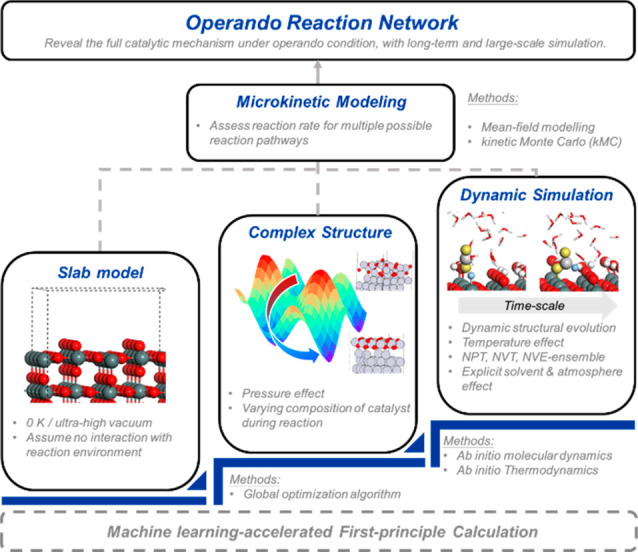
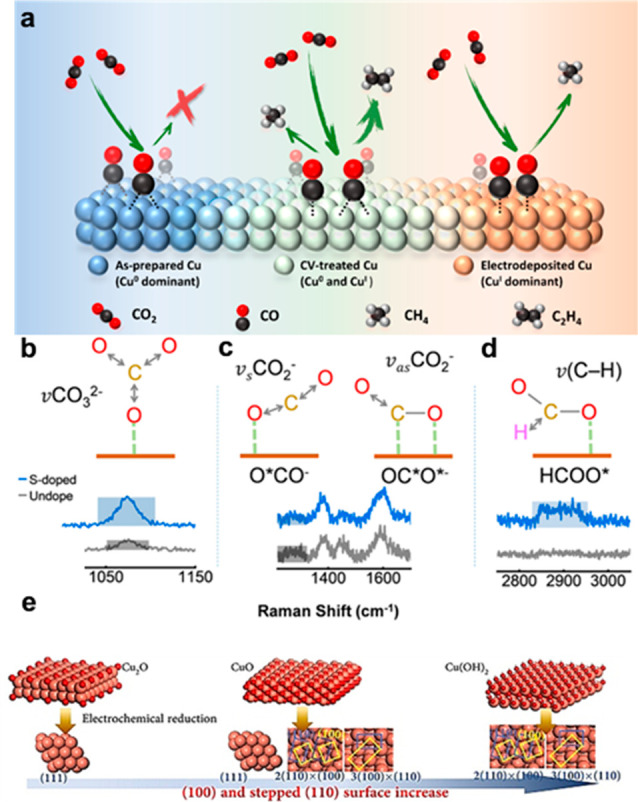
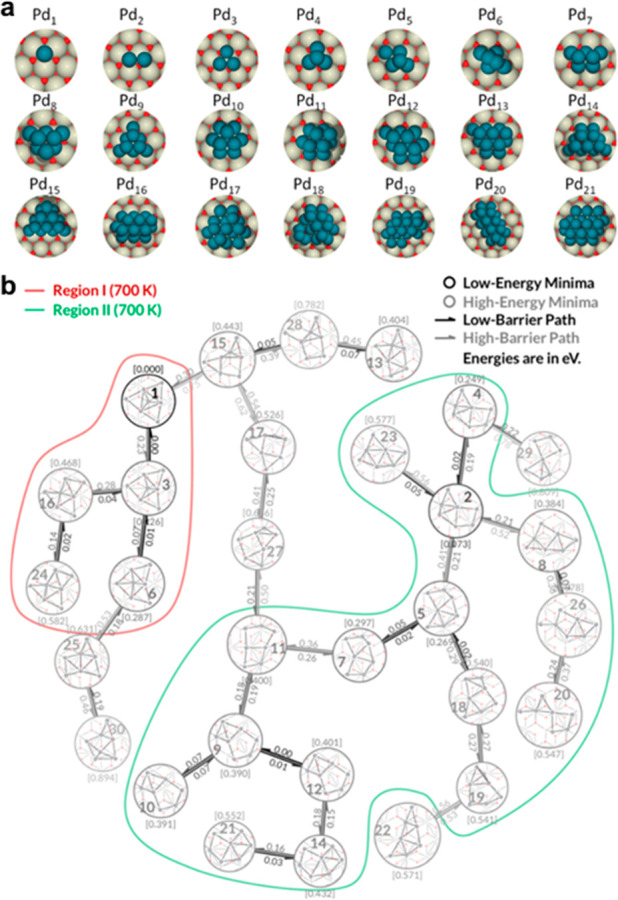
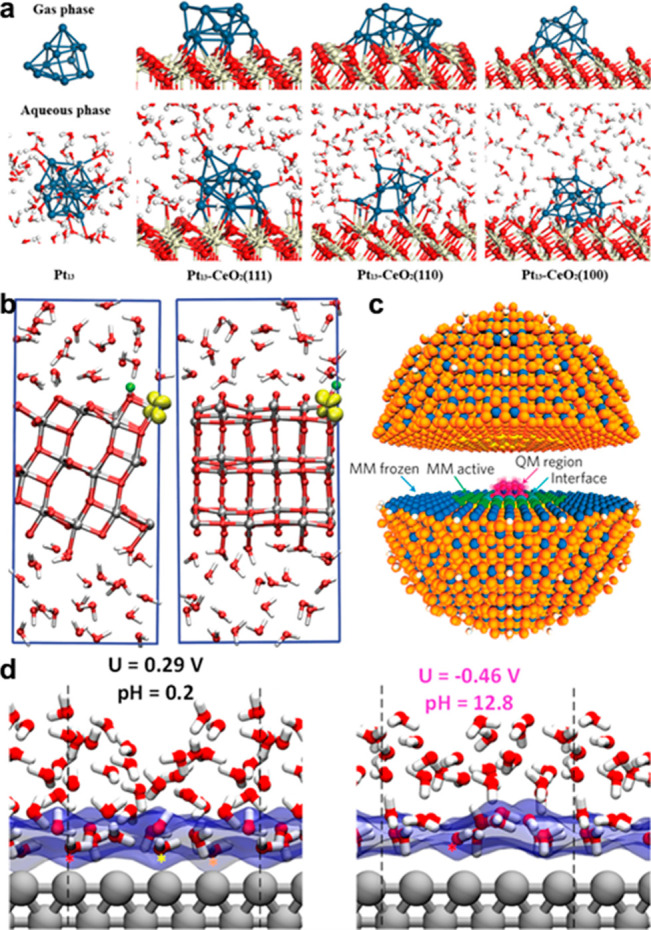
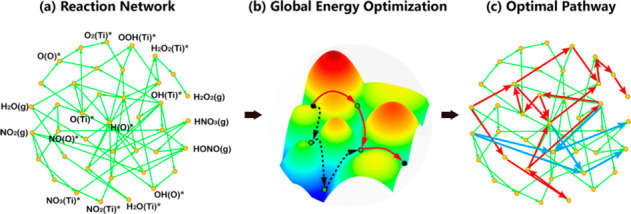
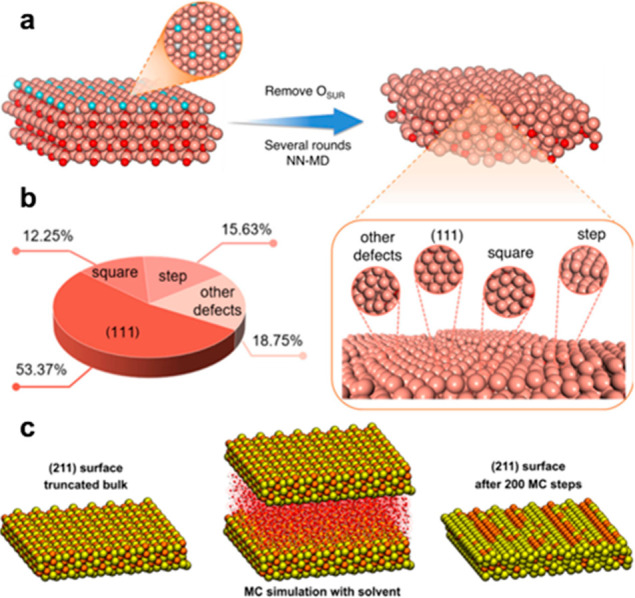
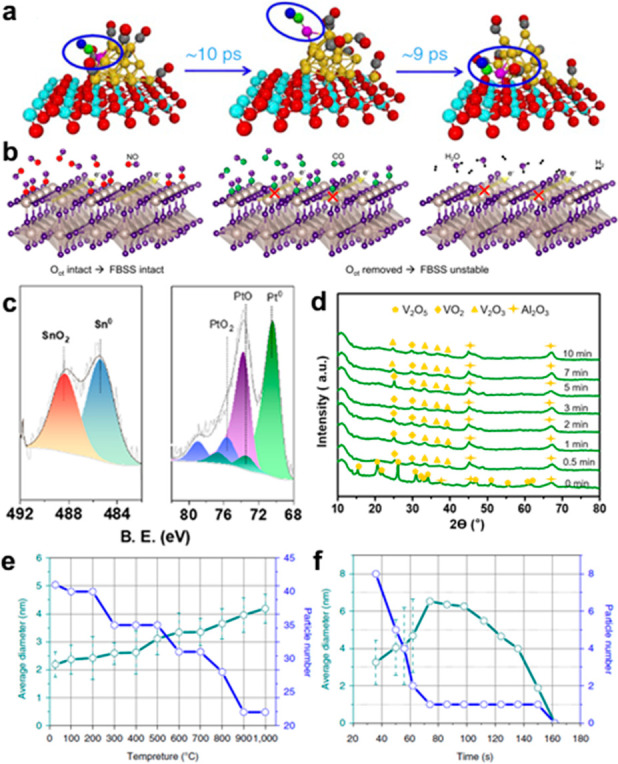
The rational design of high-performance catalysts is hindered by the lack of knowledge of the structures of active sites and the reaction pathways under reaction conditions, which can be ideally addressed by an / characterization. Besides the experimental insights, a theoretical investigation that simulates reaction conditions-so-called modeling-is necessary for a plausible understanding of a working catalyst system at the atomic scale. However, there is still a huge gap between the current widely used computational model and the concept of modeling, which should be achieved through multiscale computational modeling. This Perspective describes various modeling approaches and machine learning techniques that step toward modeling, followed by selected experimental examples that present an understanding in the thermo- and electrocatalytic processes. At last, the remaining challenges in this area are outlined.
高性能催化剂的合理设计受到阻碍,因为缺乏对活性位点结构以及反应条件下反应途径的了解,而这可以通过原位表征得到理想解决。除了实验见解之外,模拟反应条件的理论研究——即所谓的建模——对于在原子尺度上合理理解工作催化剂体系是必要的。然而,当前广泛使用的计算模型与原位建模概念之间仍存在巨大差距,这应该通过多尺度计算建模来实现。本展望描述了迈向原位建模的各种建模方法和机器学习技术,随后列举了一些选定的实验示例,这些示例展示了对热催化和电催化过程的原位理解。最后,概述了该领域仍然存在的挑战。