Mahidol-Oxford Tropical Medicine Research Unit, Faculty of Tropical Medicine, Mahidol University, Bangkok, Thailand.
Centre for Tropical Medicine and Global Health, Nuffield Department of Medicine, University of Oxford, Oxford, UK.
Malar J. 2022 Jan 5;21(1):8. doi: 10.1186/s12936-021-04027-z.
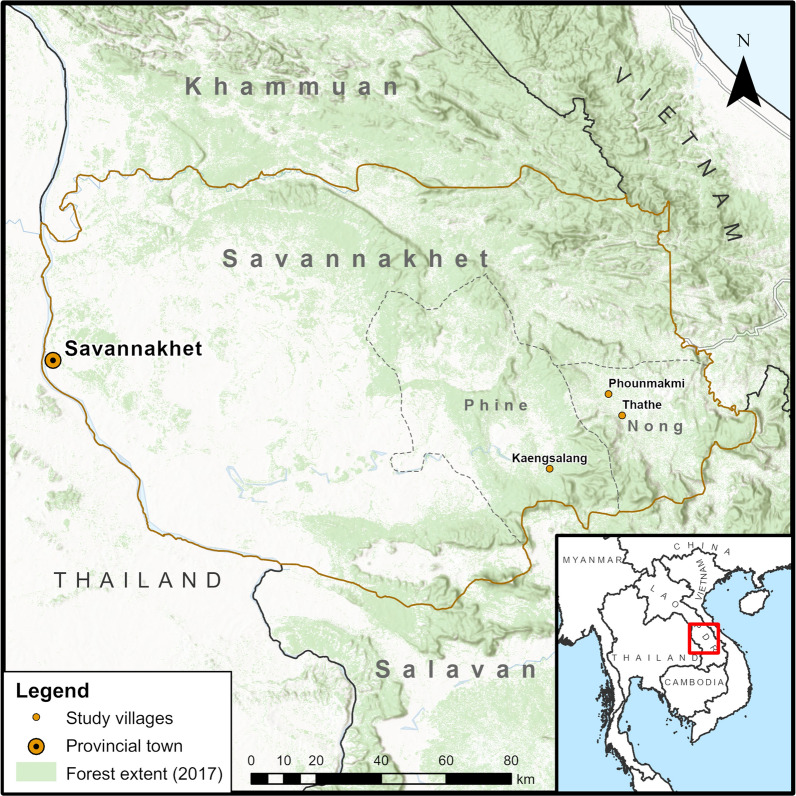
Despite significant decline in malarial incidence and mortality in countries across the Greater Mekong Subregion, the disease remains a public health challenge in the region; transmission continues mainly among people who visit forests in remote areas, often along international borders, where access to primary healthcare is limited. In the absence of effective vector-control measures and limited exposure periods, malaria chemoprophylaxis has been proposed as a strategy to protect forest goers. As a rarely used approach for indigenous populations, questions remain about its feasibility and acceptability. Drawing on in-depth interviews with forest goers and stakeholders, this article examines opportunities and challenges for implementation of anti-malarial chemoprophylaxis for forest goers in Lao PDR.
In-depth interviews were conducted with 16 forest goers and 15 stakeholders in Savannakhet province, Lao PDR. Interview topics included experience of malaria prevention and health services, and perceptions of prophylaxis as a potential component of malaria elimination strategy. The interviews were transcribed and coded using inductive and deductive approaches for qualitative thematic analysis.
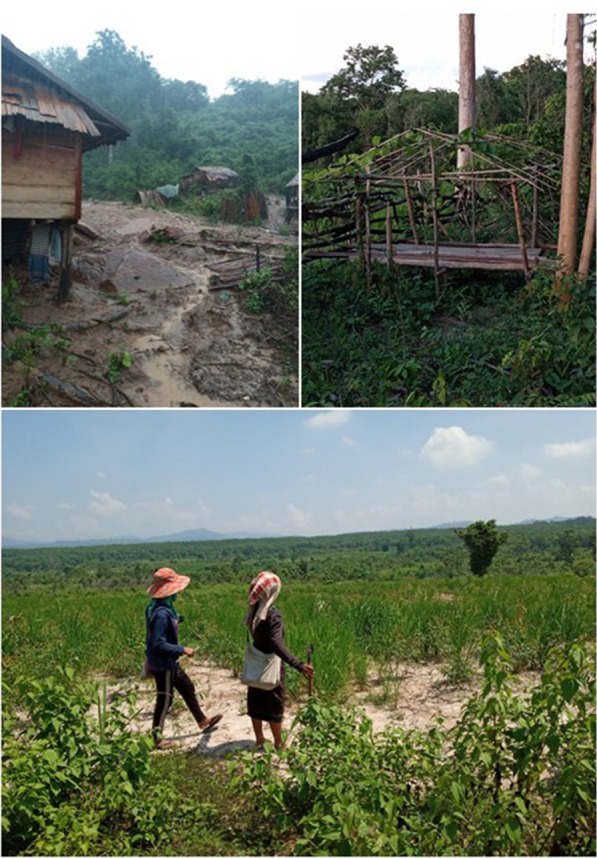
In ethnically and geographically diverse villages, awareness of malaria risk prompts forest goers to protect themselves, albeit sub-optimally using available preventive measures. Stakeholders highlighted challenges for targeting at-risk populations and approaches to address forest malaria in southern Lao PDR. Among policymakers, choice and cost of anti-malarials, particularly their efficacy and source of funding, were key considerations for the feasibility of malaria prophylaxis. Acceptability of prophylaxis among forest goers was also influenced by the complexity of the regimen, including the number of tablets and timing of doses. Implementation of prophylaxis may be affected by a lack of transportation and communication barriers in remote communities.
Adding prophylaxis to existing malaria control activities requires strengthening the capacity of local health workers in Lao PDR. Ideally, this would be part of an integrated approach that includes strategies to address the other febrile illnesses that forest goers describe as priority health concerns. The prophylactic regimen also requires careful consideration in terms of effectiveness and simplicity of dosing.
尽管大湄公河次区域各国的疟疾发病率和死亡率显著下降,但该疾病仍是该地区的公共卫生挑战;传播主要继续在前往偏远地区森林的人群中发生,这些人通常在国际边界沿线,那里基本医疗服务有限。在缺乏有效病媒控制措施和有限暴露期的情况下,已提出疟疾化学预防作为保护森林工作者的策略。由于这是一种针对土著人群的罕见方法,因此其可行性和可接受性仍存在疑问。本文通过对森林工作者和利益攸关方的深入访谈,探讨了在老挝实施针对森林工作者的抗疟化学预防的机遇和挑战。
在老挝沙拉湾省进行了 16 名森林工作者和 15 名利益攸关方的深入访谈。访谈主题包括疟疾预防和卫生服务的经验,以及将预防作为消除疟疾策略的潜在组成部分的看法。访谈内容使用归纳和演绎方法进行了转录和编码,以便进行定性主题分析。
在种族和地理上多样化的村庄中,森林工作者意识到疟疾风险,尽管使用现有的预防措施,但保护自己的效果并不理想。利益攸关方强调了在南部老挝针对高危人群的挑战和解决森林疟疾的方法。在政策制定者中,抗疟药物的选择和成本,尤其是其疗效和资金来源,是疟疾预防可行性的关键考虑因素。森林工作者对预防的接受程度也受到方案复杂性的影响,包括片剂数量和剂量时间。在偏远社区,由于缺乏交通和通信障碍,预防措施的实施可能会受到影响。
要将预防纳入老挝现有的疟疾控制活动中,需要加强老挝当地卫生工作者的能力。理想情况下,这将是包括解决森林工作者描述为优先卫生关注的其他发热疾病的综合方法的一部分。预防方案在有效性和剂量简单性方面也需要仔细考虑。