Department of Automation, Tsinghua University, Beijing, 100084, China.
Department of Human Genetics, David Geffen School of Medicine, University of California, Los Angeles, Los Angeles, CA, 90095, USA.
Sci Rep. 2022 Jan 7;12(1):290. doi: 10.1038/s41598-021-04373-7.
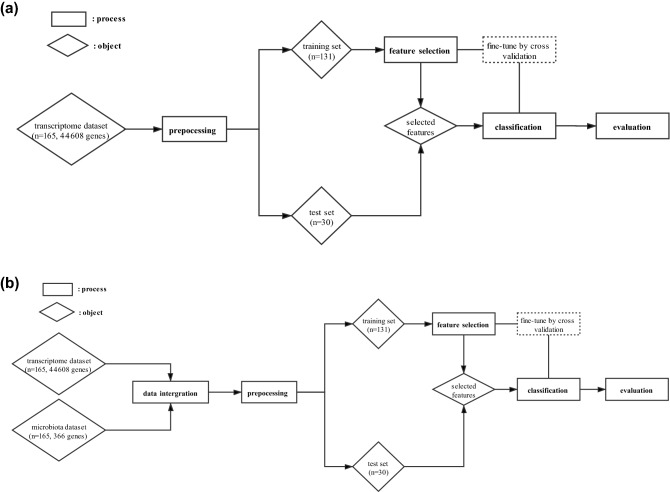
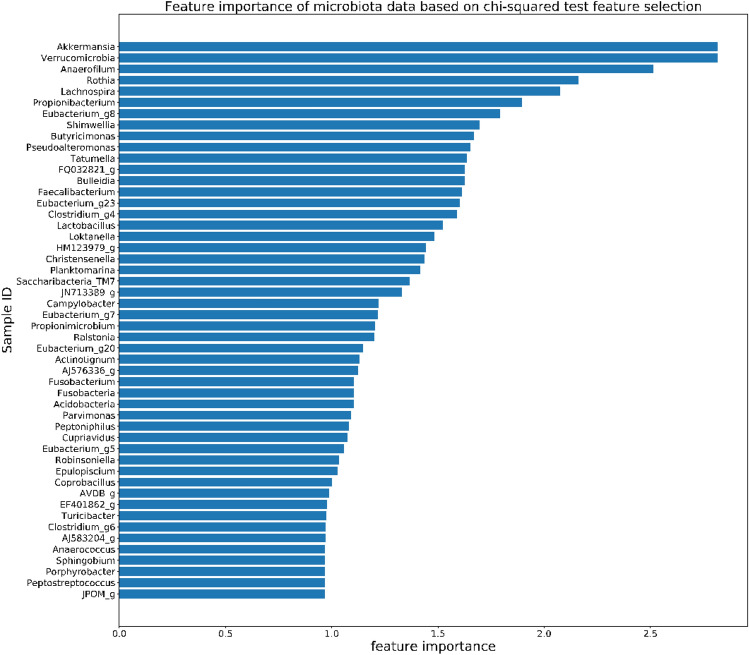
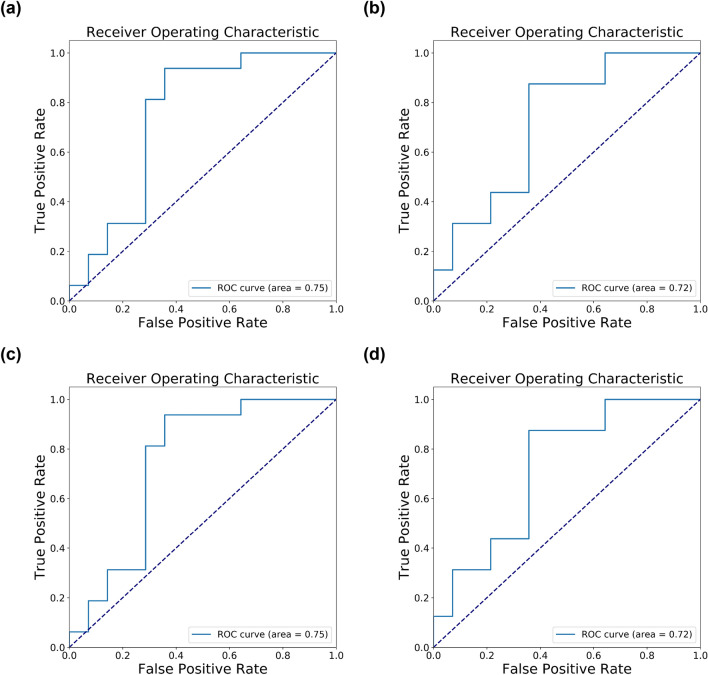
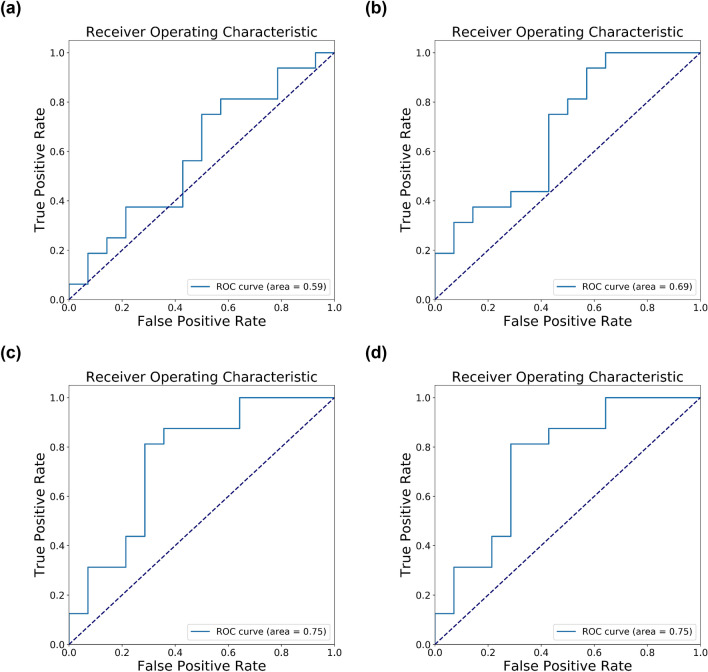
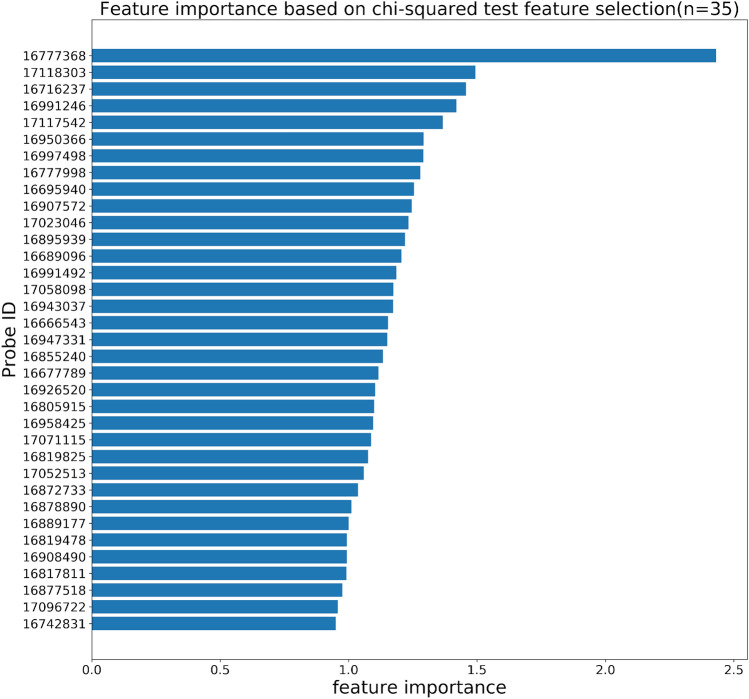
Atopic dermatitis (AD) is a common skin disease in childhood whose diagnosis requires expertise in dermatology. Recent studies have indicated that host genes-microbial interactions in the gut contribute to human diseases including AD. We sought to develop an accurate and automated pipeline for AD diagnosis based on transcriptome and microbiota data. Using these data of 161 subjects including AD patients and healthy controls, we trained a machine learning classifier to predict the risk of AD. We found that the classifier could accurately differentiate subjects with AD and healthy individuals based on the omics data with an average F1-score of 0.84. With this classifier, we also identified a set of 35 genes and 50 microbiota features that are predictive for AD. Among the selected features, we discovered at least three genes and three microorganisms directly or indirectly associated with AD. Although further replications in other cohorts are needed, our findings suggest that these genes and microbiota features may provide novel biological insights and may be developed into useful biomarkers of AD prediction.
特应性皮炎(AD)是一种常见的儿童期皮肤病,其诊断需要皮肤科专业知识。最近的研究表明,宿主基因-肠道中的微生物相互作用导致了包括 AD 在内的人类疾病。我们试图开发一种基于转录组和微生物组数据的 AD 诊断的准确和自动化的方法。我们使用包括 AD 患者和健康对照在内的 161 名受试者的数据,训练了一个机器学习分类器来预测 AD 的风险。我们发现,该分类器可以根据组学数据准确地区分 AD 患者和健康个体,平均 F1 得分为 0.84。使用这个分类器,我们还确定了一组 35 个基因和 50 个微生物特征,这些特征可用于预测 AD。在选择的特征中,我们发现至少有三个基因和三个微生物直接或间接地与 AD 相关。尽管需要在其他队列中进一步复制,但我们的研究结果表明,这些基因和微生物特征可能提供新的生物学见解,并可能开发成为 AD 预测的有用生物标志物。