Department of Clinical Engineering, Faculty of Health Care Sciences, Jikei University of Health Care Sciences, Osaka 532-0003, Japan.
Graduate School of Engineering, Osaka City University, Osaka 558-8585, Japan.
Sensors (Basel). 2022 Jan 5;22(1):395. doi: 10.3390/s22010395.
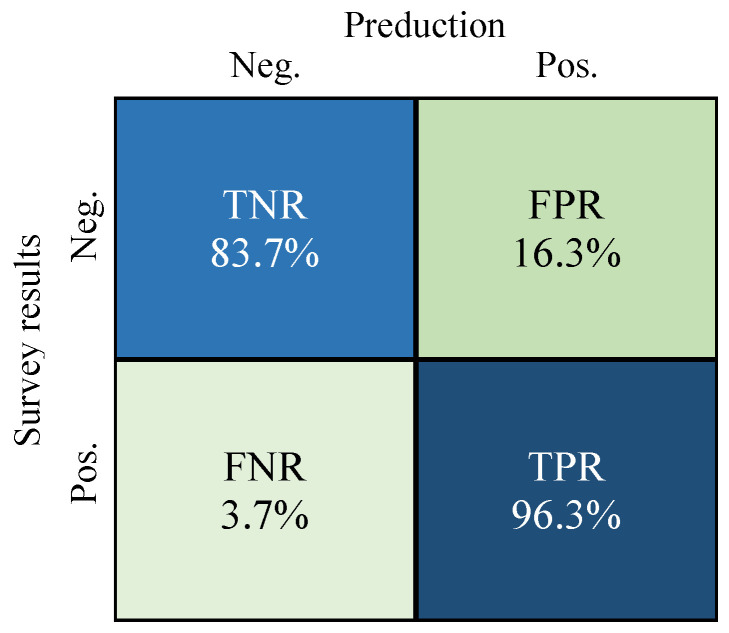
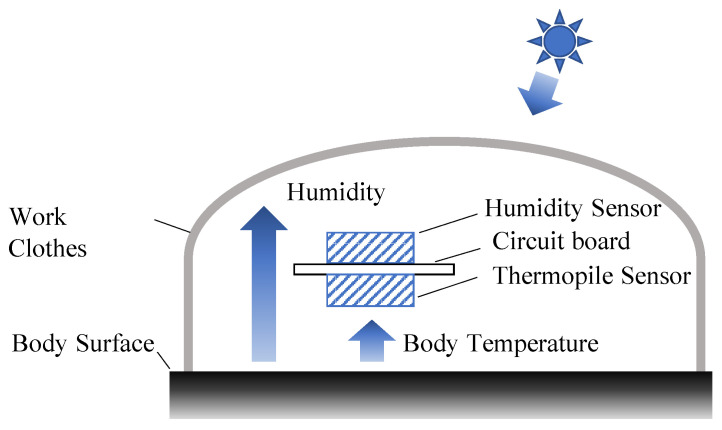
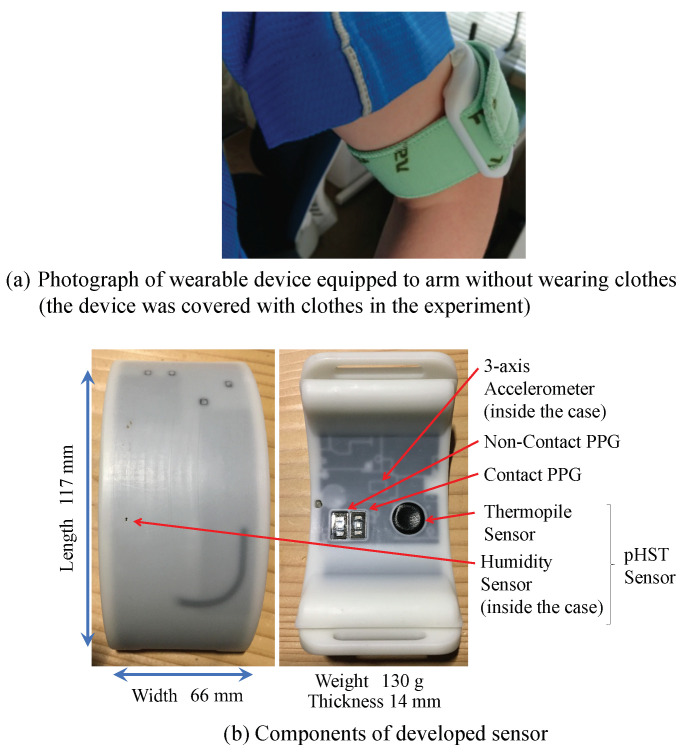
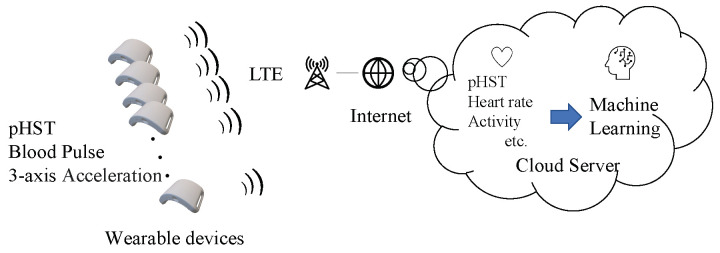
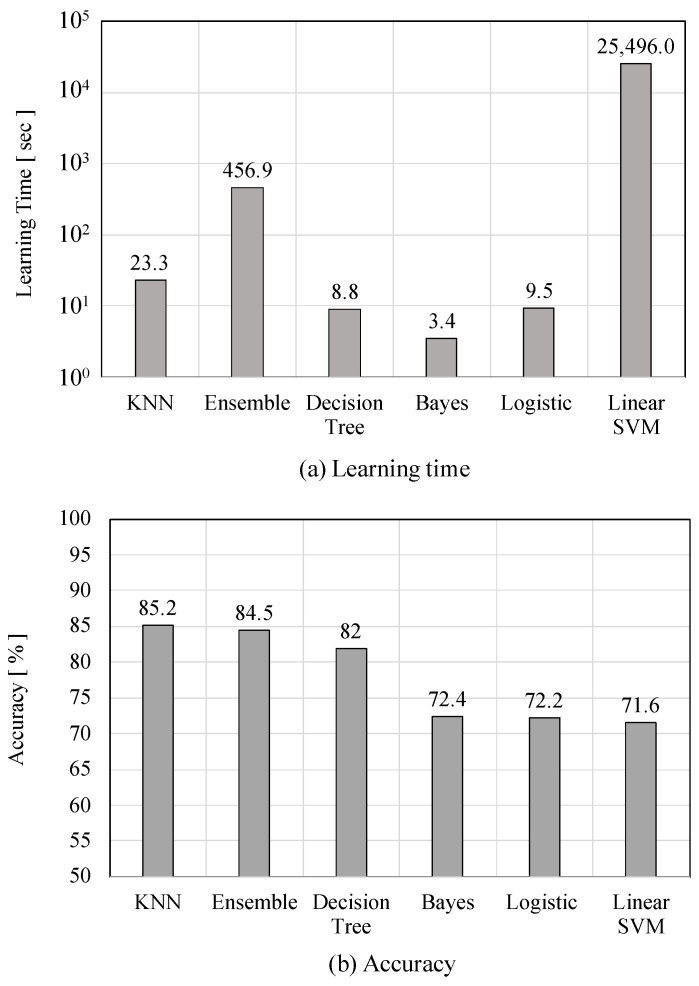
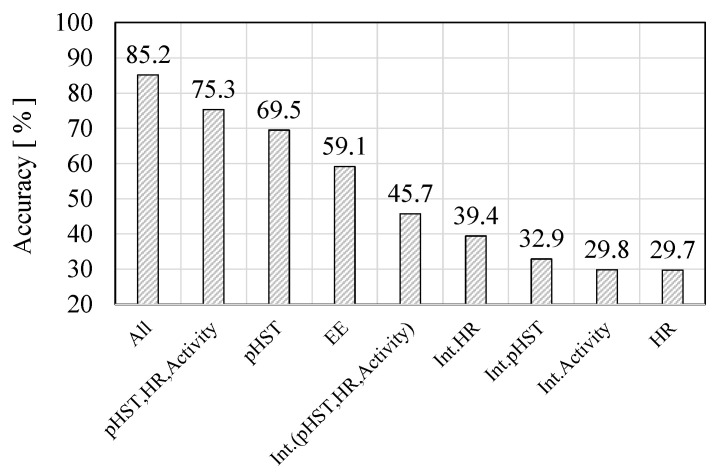
Recently, wet-bulb globe temperature (WBGT) has attracted a lot of attention as a useful index for measuring heat strokes even when core body temperature cannot be available for the prevention. However, because the WBGT is only valid in the vicinity of the WBGT meter, the actual ambient heat could be different even in the same room owing to ventilation, clothes, and body size, especially in hot specific occupational environments. To realize reliable heat stroke prevention in hot working places, we proposed a new personalized vital sign index, which is combined with several types of vital data, including the personalized heat strain temperature (pHST) index based on the temperature/humidity measurement to adjust the WBGT at the individual level. In this study, a wearable device was equipped with the proposed pHST meter, a heart rate monitor, and an accelerometer. Additionally, supervised machine learning based on the proposed personalized vital index was introduced to improve the prevention accuracy. Our developed system with the proposed vital sign index achieved a prevention accuracy of 85.2% in a hot occupational experiment in the summer season, where the true positive rate and true negative rate were 96.3% and 83.7%, respectively.
最近,湿球黑球温度(WBGT)作为一种有用的指标,即使无法测量核心体温,也可用于预防中暑,引起了人们的关注。然而,由于 WBGT 仅在 WBGT 计附近有效,因此即使在同一房间内,由于通风、衣服和体型等因素,实际环境热量也可能不同,尤其是在炎热的特定职业环境中。为了在炎热的工作场所实现可靠的中暑预防,我们提出了一种新的个性化生命体征指数,该指数结合了多种生命数据,包括基于温度/湿度测量的个性化热应激温度(pHST)指数,以调整个体水平的 WBGT。在这项研究中,一个可穿戴设备配备了所提出的 pHST 计、心率监测器和加速度计。此外,还引入了基于所提出的个性化生命指标的监督机器学习,以提高预防准确性。我们开发的系统在夏季的一项炎热职业实验中,通过所提出的生命体征指数实现了 85.2%的预防准确性,其中真阳性率和真阴性率分别为 96.3%和 83.7%。