Key Laboratory of Biotechnology and Bioresources Utilization, Ministry of Education, Institute of Plant Resources, Dalian Minzu University, Dalian 116600, China.
Department of Biotechnology, Faculty of Sciences, University of Kotli Azad Jammu and Kashmir, Azad Jammu and Kashmir, Kotli 11100, Pakistan.
Cells. 2021 Dec 27;11(1):71. doi: 10.3390/cells11010071.
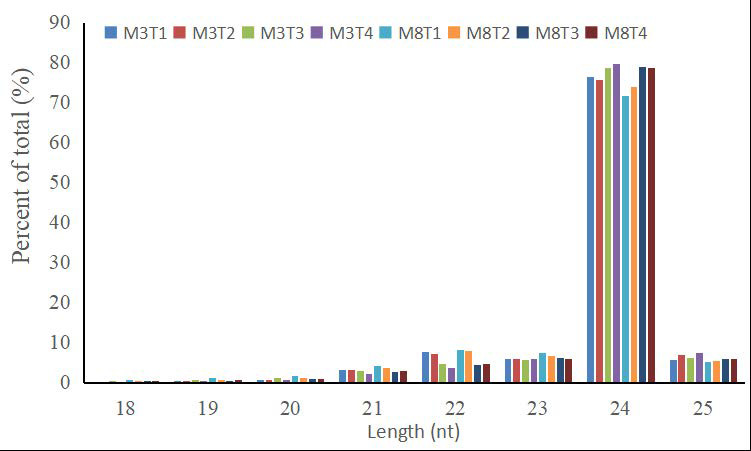
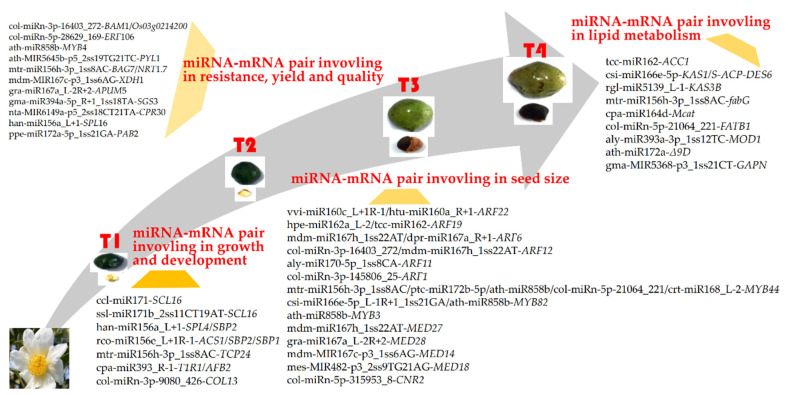
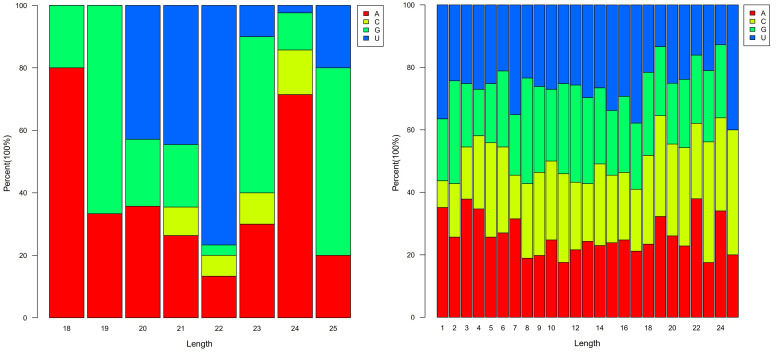
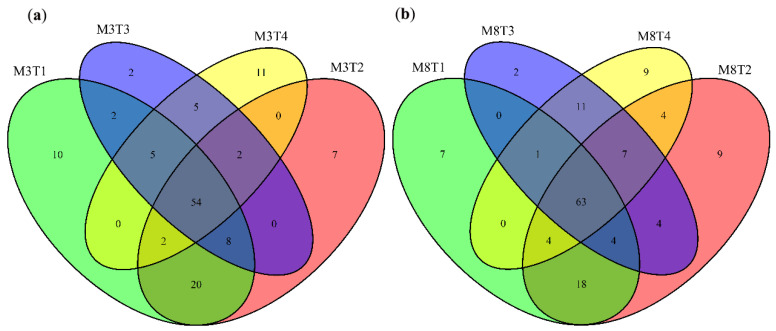
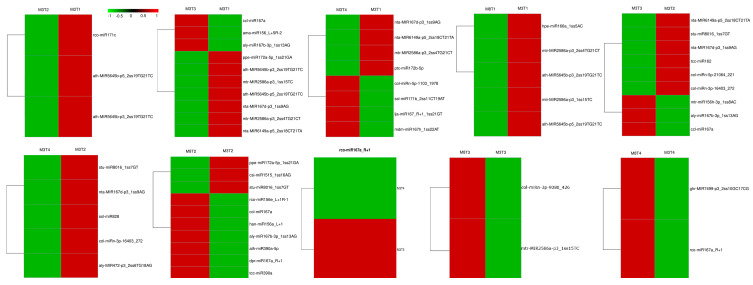
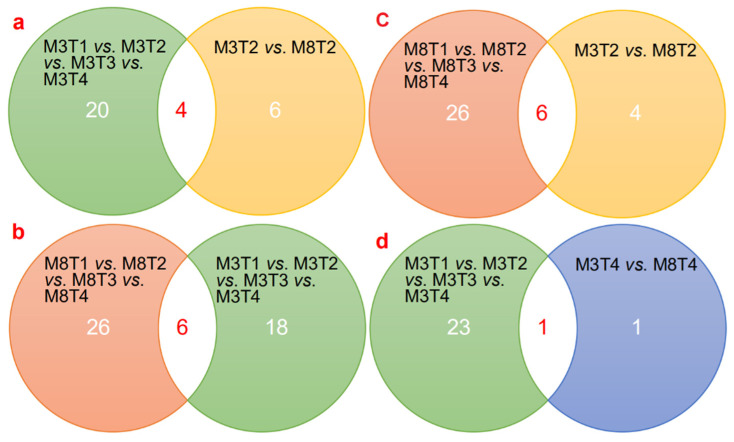
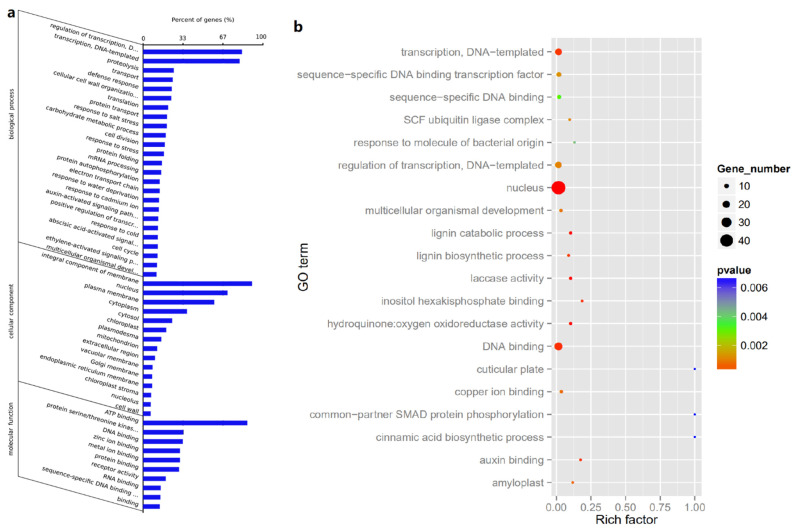
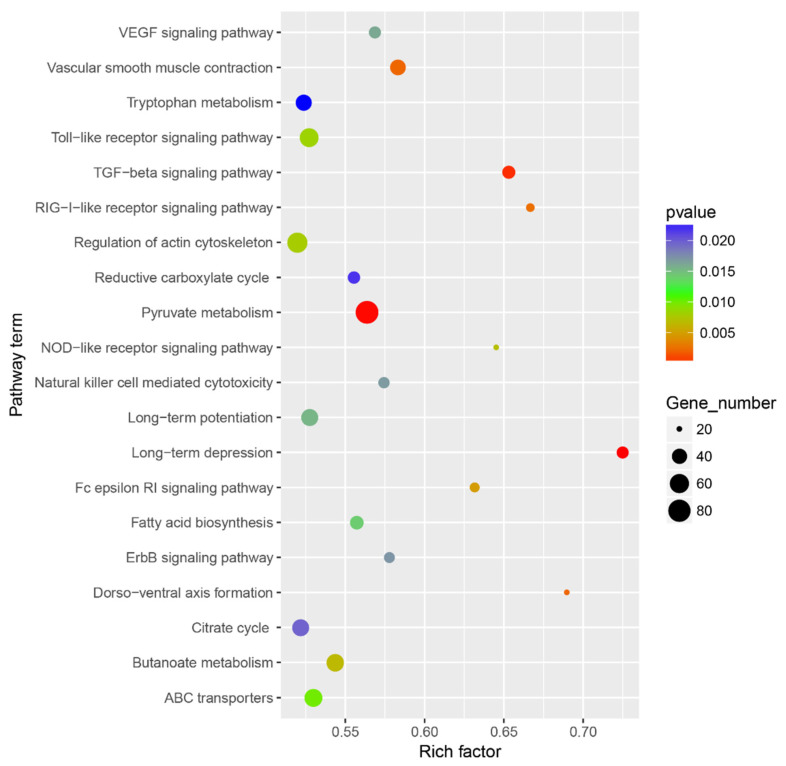
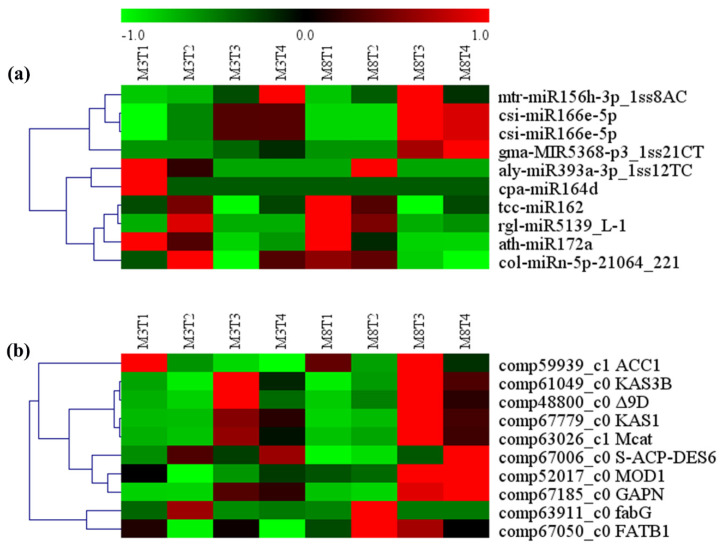
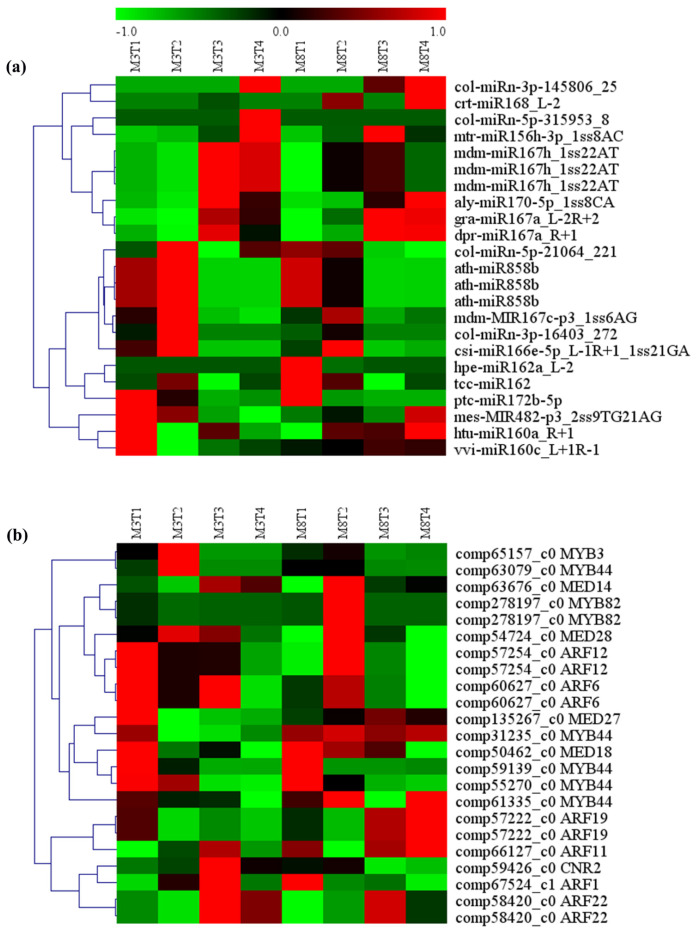
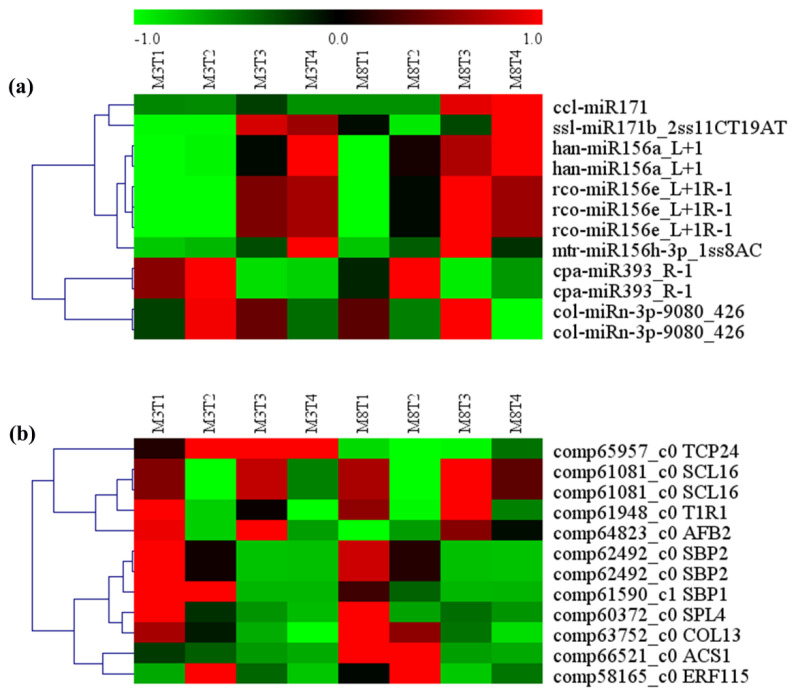
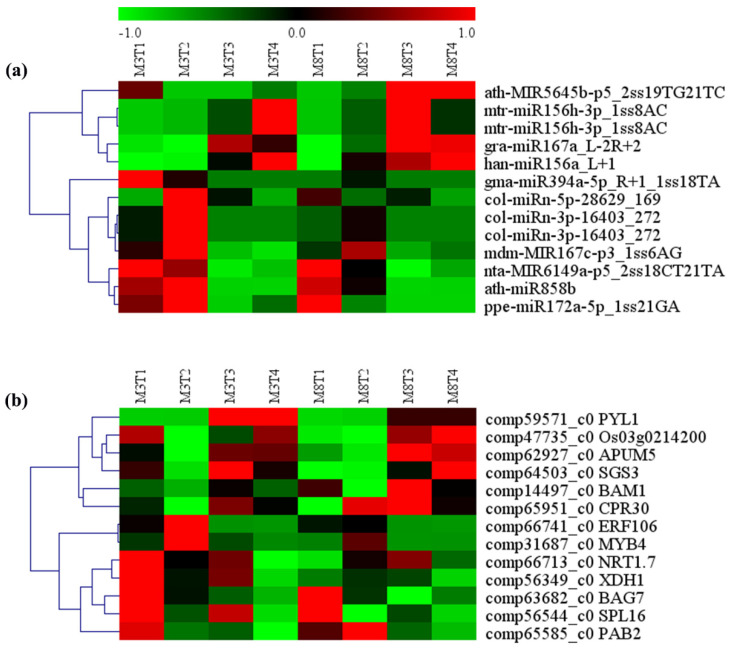
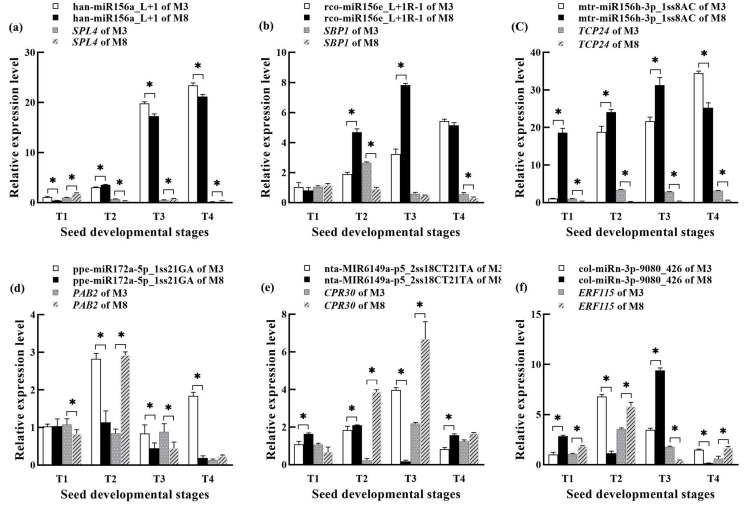
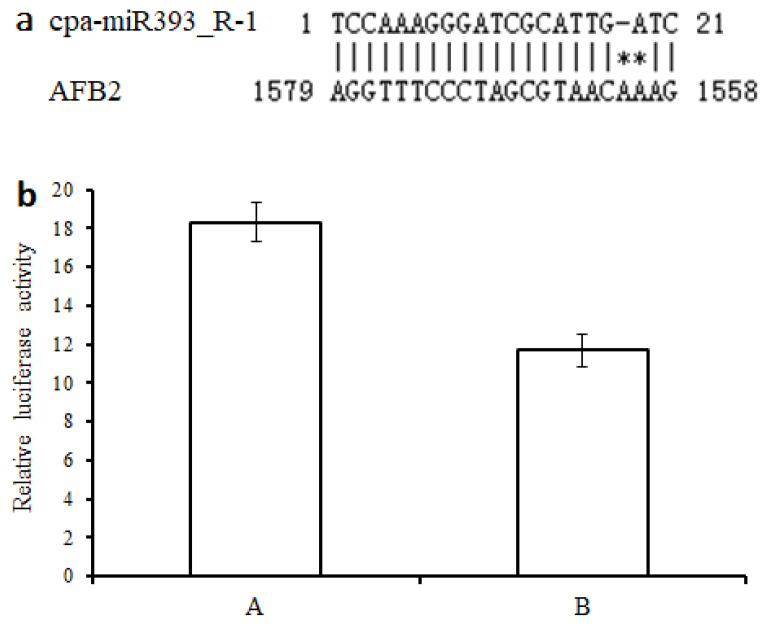
Tea oil camellia (), an important woody oil tree, is a source of seed oil of high nutritional and medicinal value that is widely planted in southern China. However, there is no report on the identification of the miRNAs involved in lipid metabolism and seed development in the high- and low-oil cultivars of tea oil camellia. Thus, we explored the roles of miRNAs in the key periods of oil formation and accumulation in the seeds of tea oil camellia and identified miRNA-mRNA regulatory modules involved in lipid metabolism and seed development. Sixteen small RNA libraries for four development stages of seed oil biosynthesis in high- and low-oil cultivars were constructed. A total of 196 miRNAs, including 156 known miRNAs from 35 families, and 40 novel miRNAs were identified, and 55 significantly differentially expressed miRNAs were found, which included 34 upregulated miRNAs, and 21 downregulated miRNAs. An integrated analysis of the miRNA and mRNA transcriptome sequence data revealed that 10 miRNA-mRNA regulatory modules were related to lipid metabolism; for example, the regulatory modules of ath-miR858b- repressed seed oil biosynthesis, and a regulation module of csi-miR166e-5p-- was involved in the formation and accumulation of oleic acid. A total of 23 miRNA-mRNA regulatory modules were involved in the regulation of the seed size, such as the regulatory module of hpe-miR162a_L-2-, involved in early seed development. A total of 12 miRNA-mRNA regulatory modules regulating growth and development were identified, such as the regulatory modules of han-miR156a_L+1-, promoting early seed development. The expression changes of six miRNAs and their target genes were validated using quantitative real-time PCR, and the targeting relationship of the cpa-miR393_R-1- regulatory module was verified by luciferase assays. These data provide important theoretical values and a scientific basis for the genetic improvement of new cultivars of tea oil camellia in the future.
油茶()是一种重要的木本油料树,是一种高营养和药用价值的种子油的来源,在中国南方广泛种植。然而,关于油茶高油和低油品种中参与脂质代谢和种子发育的 miRNAs 的鉴定尚未见报道。因此,我们探索了 miRNAs 在油茶种子油脂形成和积累的关键时期的作用,并鉴定了参与脂质代谢和种子发育的 miRNA-mRNA 调控模块。构建了高油和低油品种种子油生物合成四个发育阶段的 16 个小 RNA 文库。共鉴定出 196 个 miRNA,包括 35 个家族的 156 个已知 miRNA 和 40 个新 miRNA,发现 55 个显著差异表达的 miRNA,包括 34 个上调 miRNA 和 21 个下调 miRNA。miRNA 和 mRNA 转录组序列数据的综合分析表明,有 10 个 miRNA-mRNA 调控模块与脂质代谢有关;例如,ath-miR858b 的调控模块抑制种子油的生物合成,而 csi-miR166e-5p 的调控模块参与油酸的形成和积累。共有 23 个 miRNA-mRNA 调控模块参与种子大小的调节,如 hpe-miR162a_L-2-调控模块,参与早期种子发育。鉴定了 12 个 miRNA-mRNA 调控模块调节生长发育,如 han-miR156a_L+1-调控模块,促进早期种子发育。通过定量实时 PCR 验证了 6 个 miRNA 和它们的靶基因的表达变化,并通过荧光素酶测定验证了 cpa-miR393_R-1-调控模块的靶向关系。这些数据为未来油茶新品种的遗传改良提供了重要的理论价值和科学依据。