Key Laboratory of Forest Genetics and Biotechnology, Ministry of Education of China, Co-Innovation Center for the Sustainable Forestry in Southern China, Nanjing Forestry University, Nanjing, China.
College of Biology and the Environment, Nanjing Forestry University, Nanjing, China.
BMC Plant Biol. 2022 Jan 10;22(1):25. doi: 10.1186/s12870-021-03371-1.
Liriodendron chinense (Lchi) is a tree species within the Magnoliaceae family and is considered a basal angiosperm. The too low or high temperature or soil drought will restrict its growth as the adverse environmental conditions, thus improving L. chinense abiotic tolerance was the key issues to study. WRKYs are a major family of plant transcription factors known to often be involved in biotic and abiotic stress responses. So far, it is still largely unknown if and how the LchiWRKY gene family is tied to regulating L. chinense stress responses. Therefore, studying the involvement of the WRKY gene family in abiotic stress regulation in L. chinense could be very informative in showing how this tree deals with such stressful conditions.
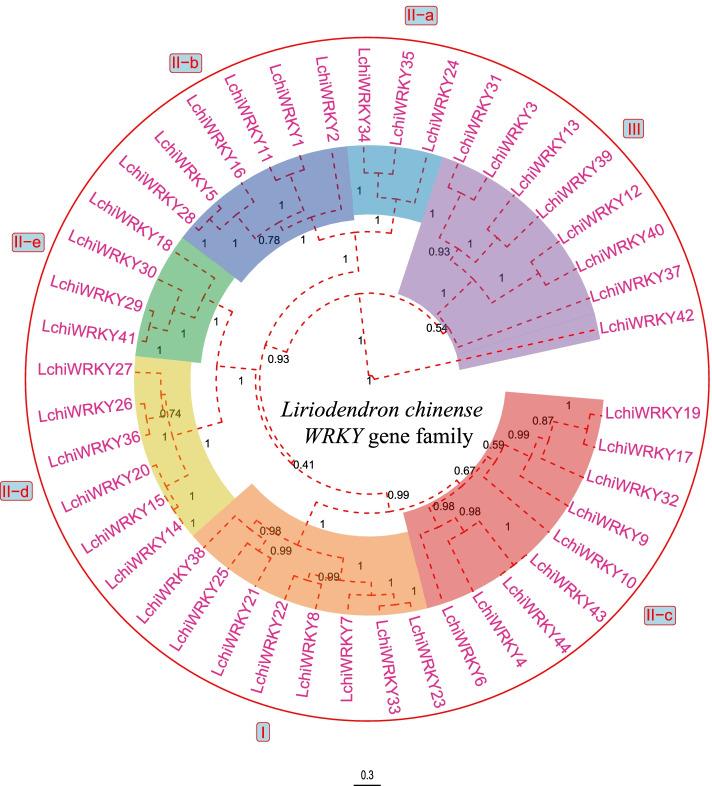
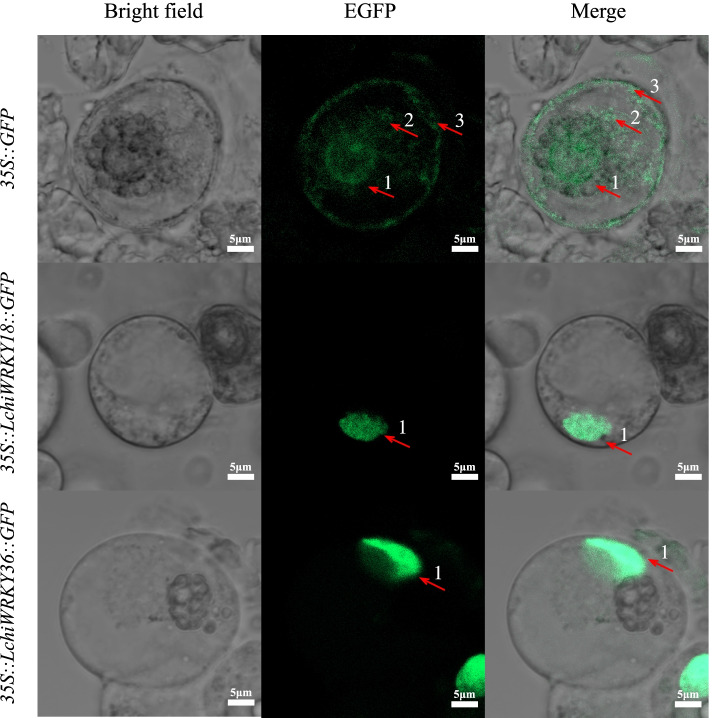
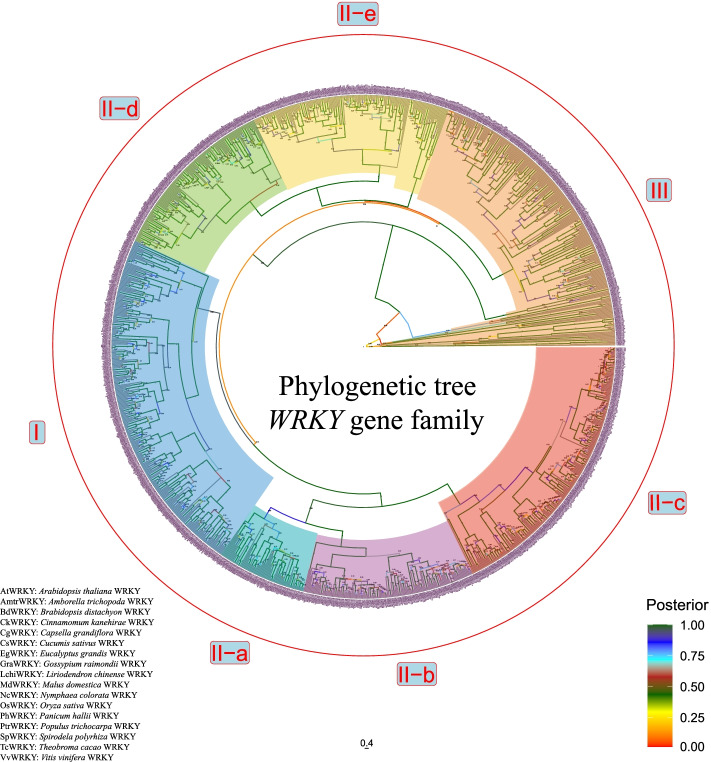
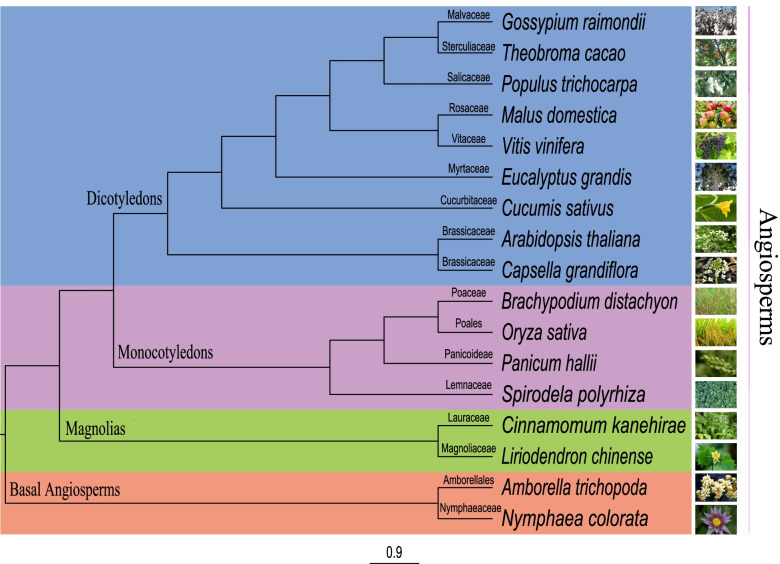
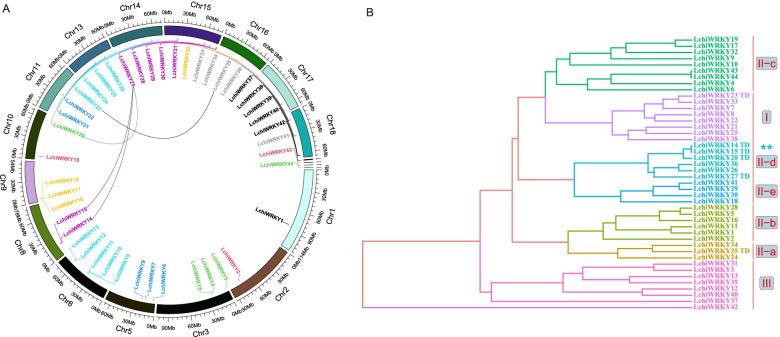
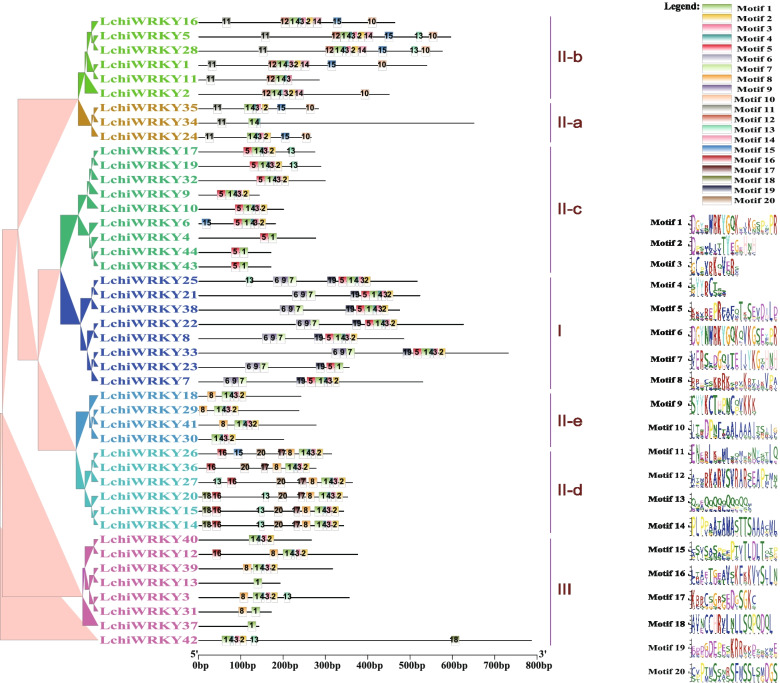
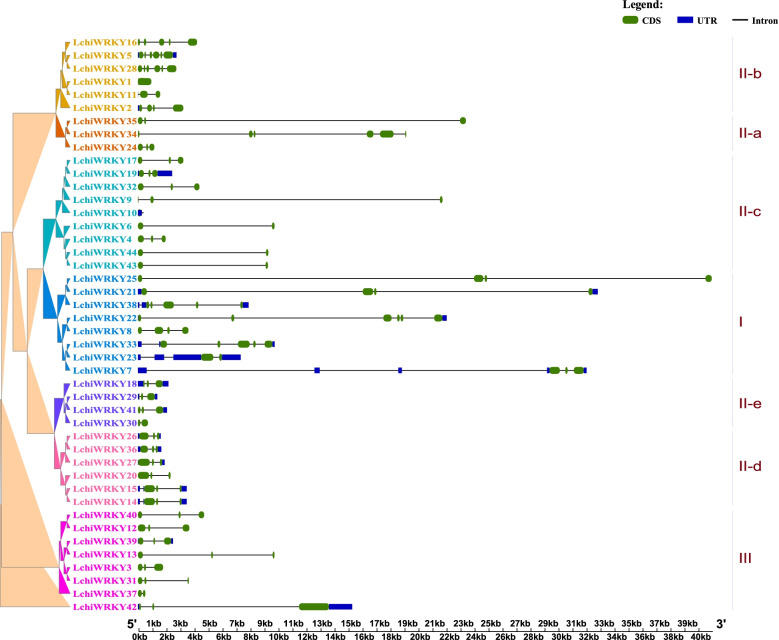
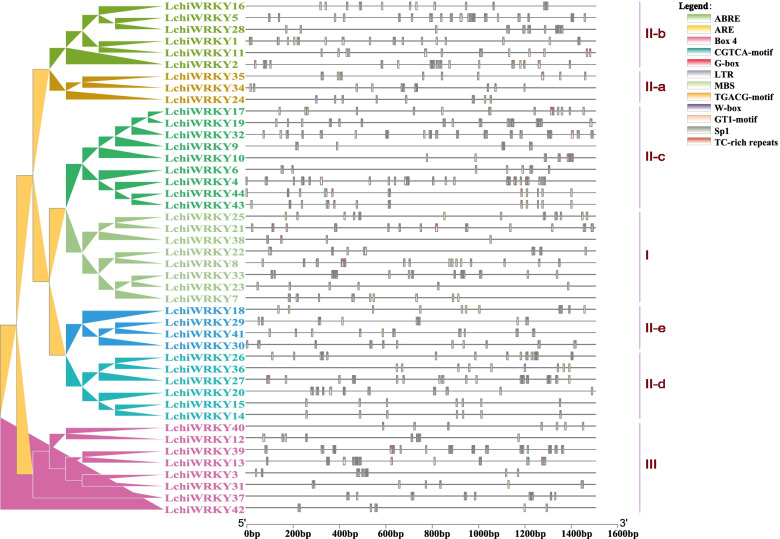
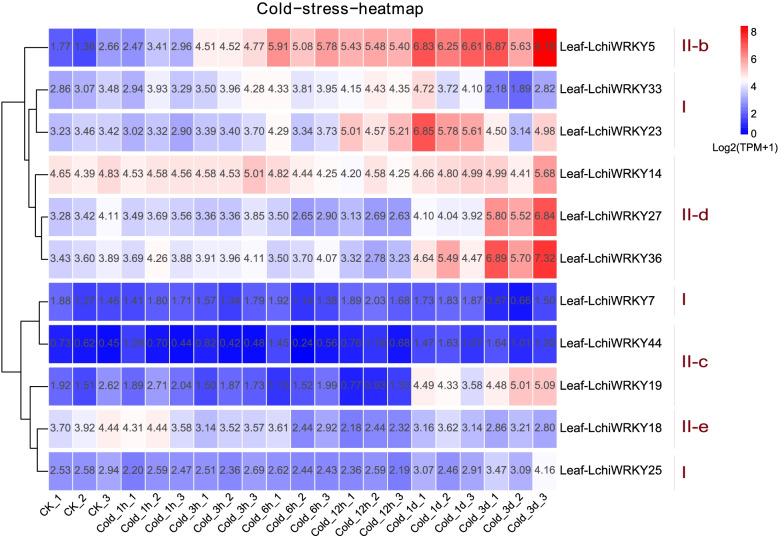
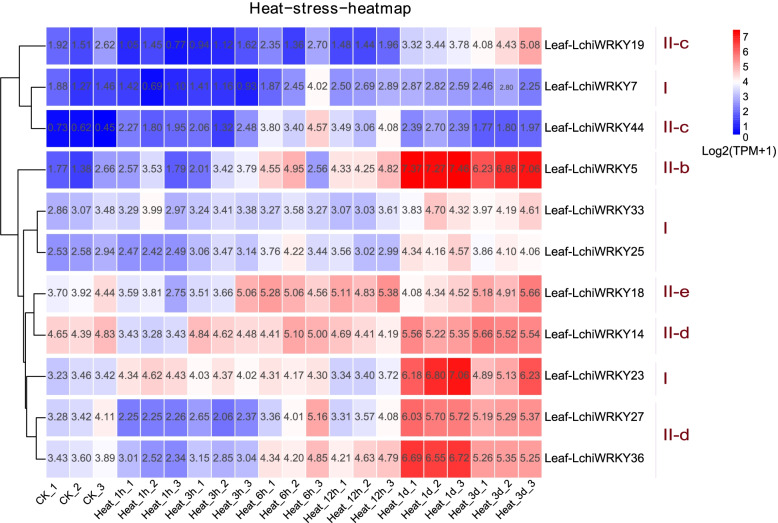
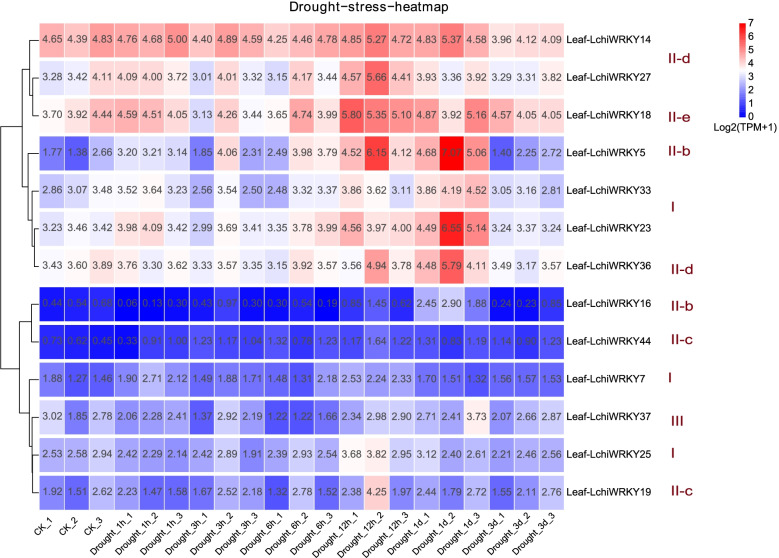
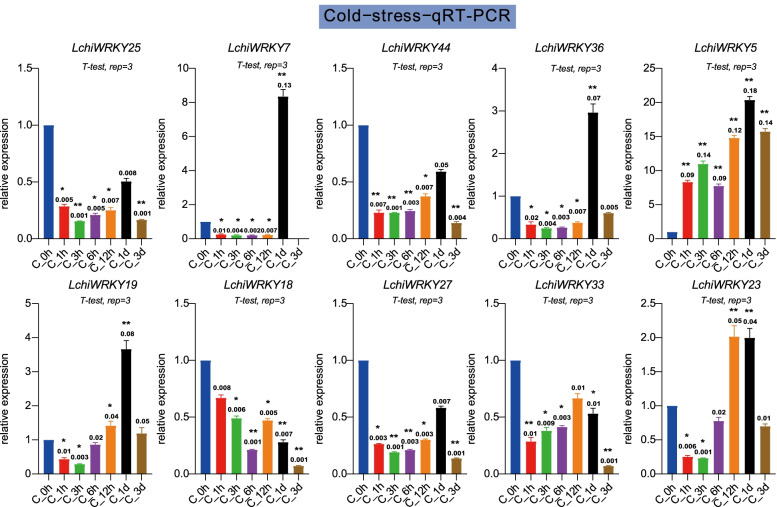
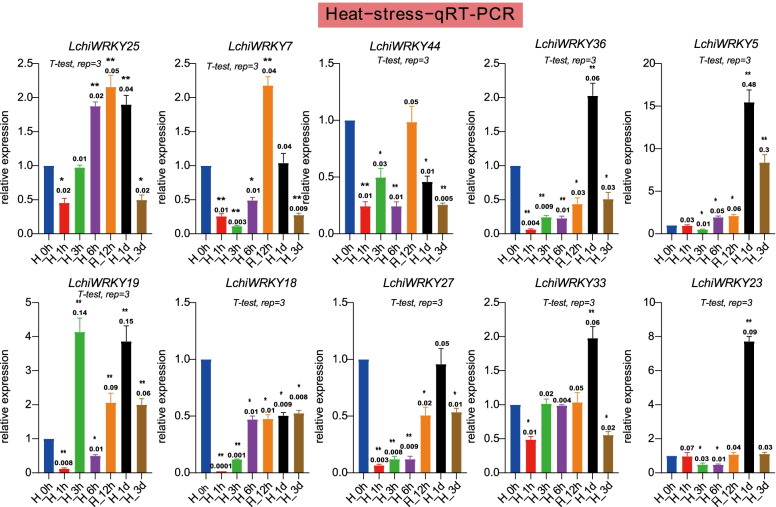
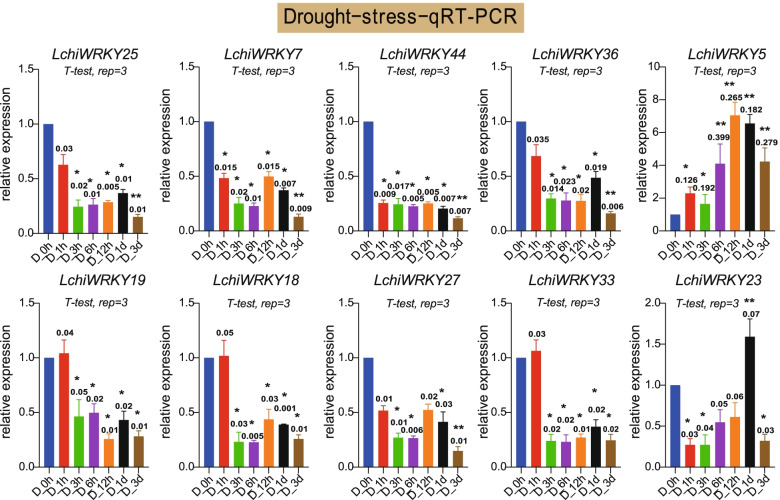
In this research, we performed a genome-wide analysis of the Liriodendron chinense (Lchi) WRKY gene family, studying their classification relationships, gene structure, chromosomal locations, gene duplication, cis-element, and response to abiotic stress. The 44 members of the LchiWRKY gene family contain a significant amount of sequence diversity, with their lengths ranging from 525 bp to 40,981 bp. Using classification analysis, we divided the 44 LchiWRKY genes into three phylogenetic groups (I, II, II), with group II then being further divided into five subgroups (IIa, IIb, IIc, IId, IIe). Comparative phylogenetic analysis including the WRKY families from 17 plant species suggested that LchiWRKYs are closely related to the Magnolia Cinnamomum kanehirae WRKY family, and has fewer family members than higher plants. We found the LchiWRKYs to be evenly distributed across 15 chromosomes, with their duplication events suggesting that tandem duplication may have played a major role in LchiWRKY gene expansion model. A Ka/Ks analysis indicated that they mainly underwent purifying selection and distributed in the group IId. Motif analysis showed that LchiWRKYs contained 20 motifs, and different phylogenetic groups contained conserved motif. Gene ontology (GO) analysis showed that LchiWRKYs were mainly enriched in two categories, i.e., biological process and molecular function. Two group IIc members (LchiWRKY10 and LchiWRKY37) contain unique WRKY element sequence variants (WRKYGKK and WRKYGKS). Gene structure analysis showed that most LchiWRKYs possess 3 exons and two different types of introns: the R- and V-type which are both contained within the WRKY domain (WD). Additional promoter cis-element analysis indicated that 12 cis-elements that play different functions in environmental adaptability occur across all LchiWRKY groups. Heat, cold, and drought stress mainly induced the expression of group II and I LchiWRKYs, some of which had undergone gene duplication during evolution, and more than half of which had three exons. LchiWRKY33 mainly responded to cold stress and LchiWRKY25 mainly responded to heat stress, and LchiWRKY18 mainly responded to drought stress, which was almost 4-fold highly expressed, while 5 LchiWRKYs (LchiWRKY5, LchiWRKY23, LchiWRKY14, LchiWRKY27, and LchiWRKY36) responded equally three stresses with more than 6-fold expression. Subcellular localization analysis showed that all LchiWRKYs were localized in the nucleus, and subcellular localization experiments of LchiWRKY18 and 36 also showed that these two transcription factors were expressed in the nucleus.
This study shows that in Liriodendron chinense, several WRKY genes like LchiWRKY33, LchiWRKY25, and LchiWRKY18, respond to cold or heat or drought stress, suggesting that they may indeed play a role in regulating the tree's response to such conditions. This information will prove a pivotal role in directing further studies on the function of the LchiWRKY gene family in abiotic stress response and provides a theoretical basis for popularizing afforestation in different regions of China.
鹅掌楸(Lchi)是木兰科的一个树种,被认为是基干被子植物。过低或过高的温度或土壤干旱会限制其生长,因为这些是不利的环境条件,因此提高鹅掌楸的非生物耐受性是研究的关键问题。WRKY 是一类植物转录因子,通常参与生物和非生物胁迫反应。到目前为止,关于 LchiWRKY 基因家族是否以及如何与调节鹅掌楸胁迫反应有关,还知之甚少。因此,研究 WRKY 基因家族在鹅掌楸非生物胁迫调节中的参与,对于了解该树种如何应对这种胁迫条件非常有意义。
在这项研究中,我们对鹅掌楸(Liriodendron chinense)(Lchi)WRKY 基因家族进行了全基因组分析,研究了它们的分类关系、基因结构、染色体定位、基因复制、顺式元件和对非生物胁迫的反应。44 个 LchiWRKY 基因家族成员包含大量的序列多样性,其长度从 525bp 到 40981bp 不等。通过分类分析,我们将 44 个 LchiWRKY 基因分为三个进化群(I、II、III),其中 II 群进一步分为五个亚群(IIa、IIb、IIc、IId、IIe)。包括 17 种植物物种的 WRKY 家族的比较系统发育分析表明,LchiWRKY 与木兰科肉桂 WRKY 家族密切相关,并且比高等植物的家族成员少。我们发现 LchiWRKY 均匀分布在 15 条染色体上,其复制事件表明串联复制可能在 LchiWRKY 基因扩展模型中发挥了主要作用。Ka/Ks 分析表明,它们主要经历了纯化选择,并分布在 IId 群中。基序分析表明,LchiWRKYs 包含 20 个基序,不同的进化群包含保守的基序。基因本体(GO)分析表明,LchiWRKYs 主要富集在两个类别,即生物过程和分子功能。两个 IIc 亚群(LchiWRKY10 和 LchiWRKY37)包含独特的 WRKY 元素序列变体(WRKYGKK 和 WRKYGKS)。基因结构分析表明,大多数 LchiWRKYs 具有 3 个外显子和两种不同类型的内含子:R-和 V-型,均包含在 WRKY 结构域(WD)内。额外的启动子顺式元件分析表明,所有 LchiWRKY 组都发生了 12 种不同功能的顺式元件,这些顺式元件在环境适应性方面发挥作用。热、冷和干旱胁迫主要诱导 II 组和 I 组 LchiWRKYs 的表达,其中一些在进化过程中发生了基因复制,超过一半的基因具有三个外显子。LchiWRKY33 主要响应冷胁迫,LchiWRKY25 主要响应热胁迫,LchiWRKY18 主要响应干旱胁迫,表达水平几乎是 4 倍高,而 5 个 LchiWRKYs(LchiWRKY5、LchiWRKY23、LchiWRKY14、LchiWRKY27 和 LchiWRKY36)对三种胁迫的表达水平相等,均超过 6 倍。亚细胞定位分析表明,所有 LchiWRKYs 均定位于细胞核,LchiWRKY18 和 36 的亚细胞定位实验也表明这两个转录因子在细胞核中表达。
本研究表明,在鹅掌楸中,一些 WRKY 基因,如 LchiWRKY33、LchiWRKY25 和 LchiWRKY18,对冷、热或干旱胁迫有反应,这表明它们可能确实在调节树木对这些条件的反应中发挥作用。这些信息将在指导进一步研究 LchiWRKY 基因家族在非生物胁迫响应中的功能方面发挥关键作用,并为在中国不同地区推广造林提供理论基础。