Institute of Functional Nano & Soft Materials (FUNSOM), Jiangsu Key Laboratory for Carbon-based Functional Materials and Devices, Soochow University, Suzhou, 215123, Jiangsu, China.
School of Mathematical Sciences, Soochow University, Suzhou, 215006, Jiangsu, China.
Nat Commun. 2022 Jan 10;13(1):110. doi: 10.1038/s41467-021-27750-2.
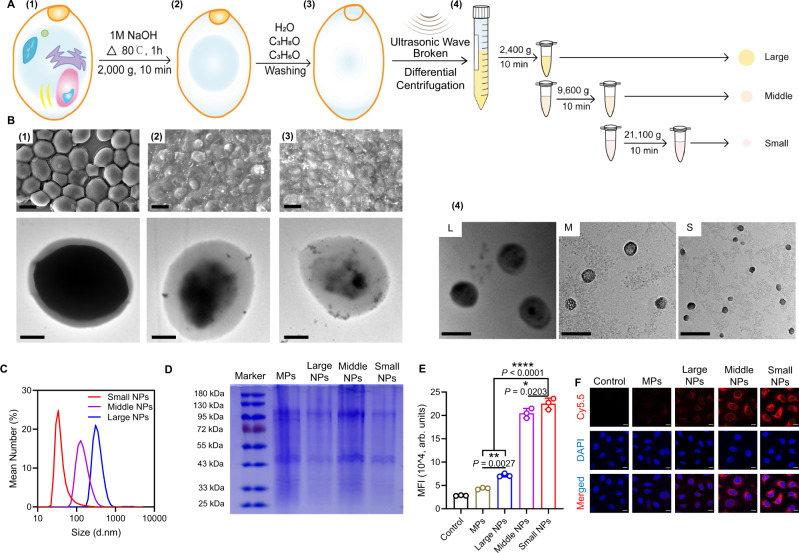
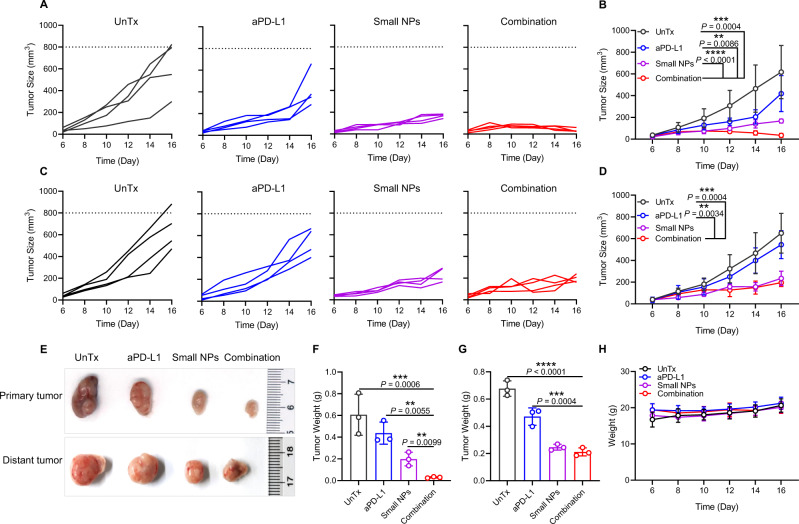
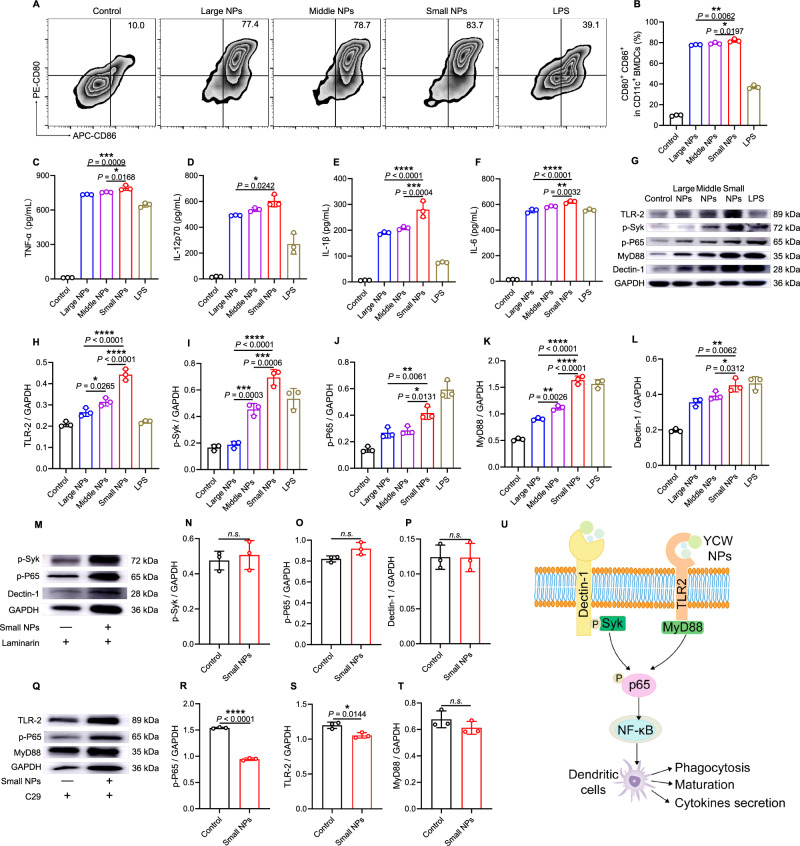
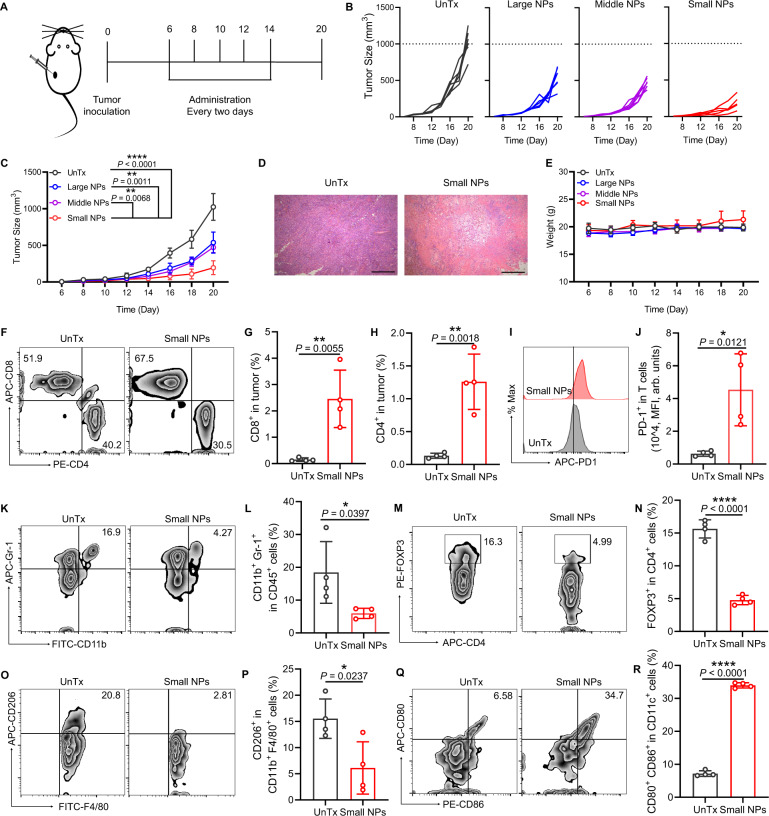
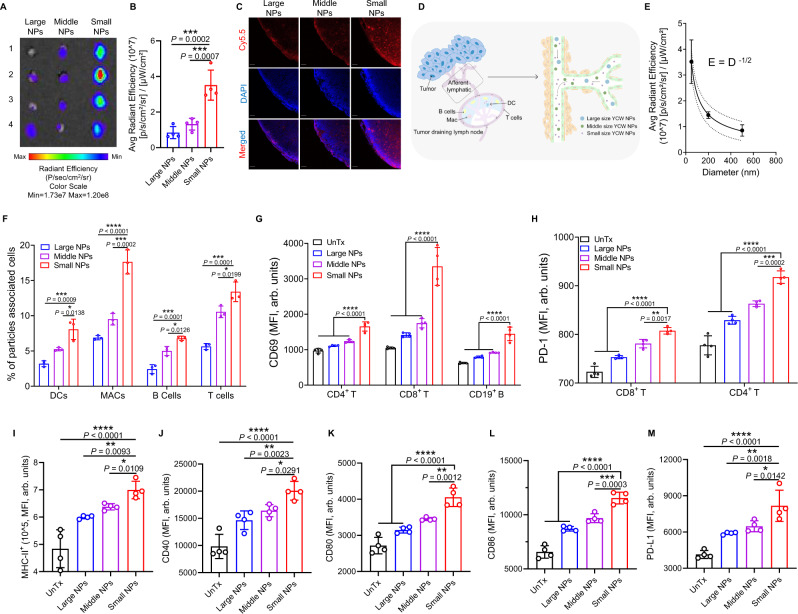
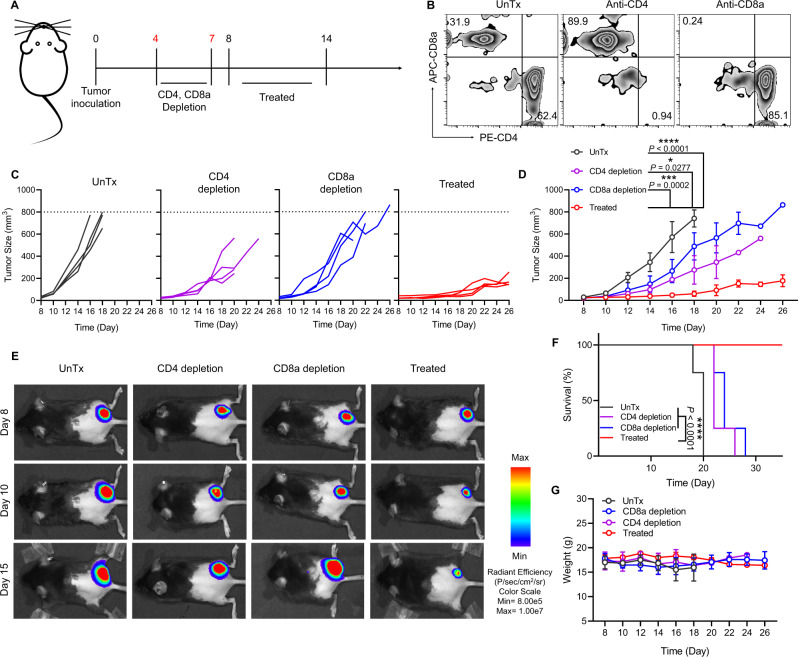
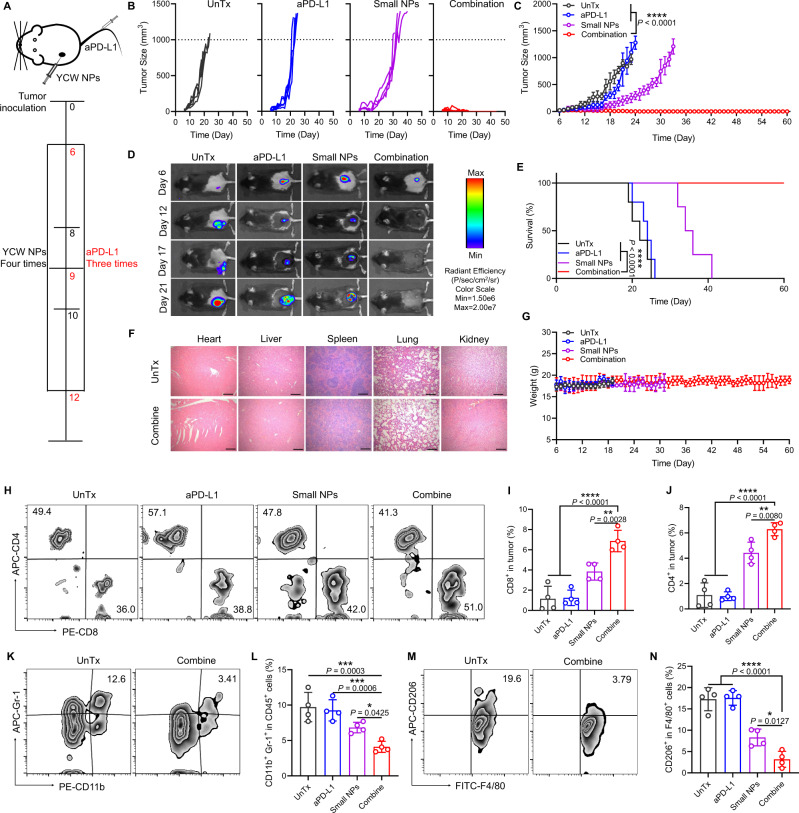
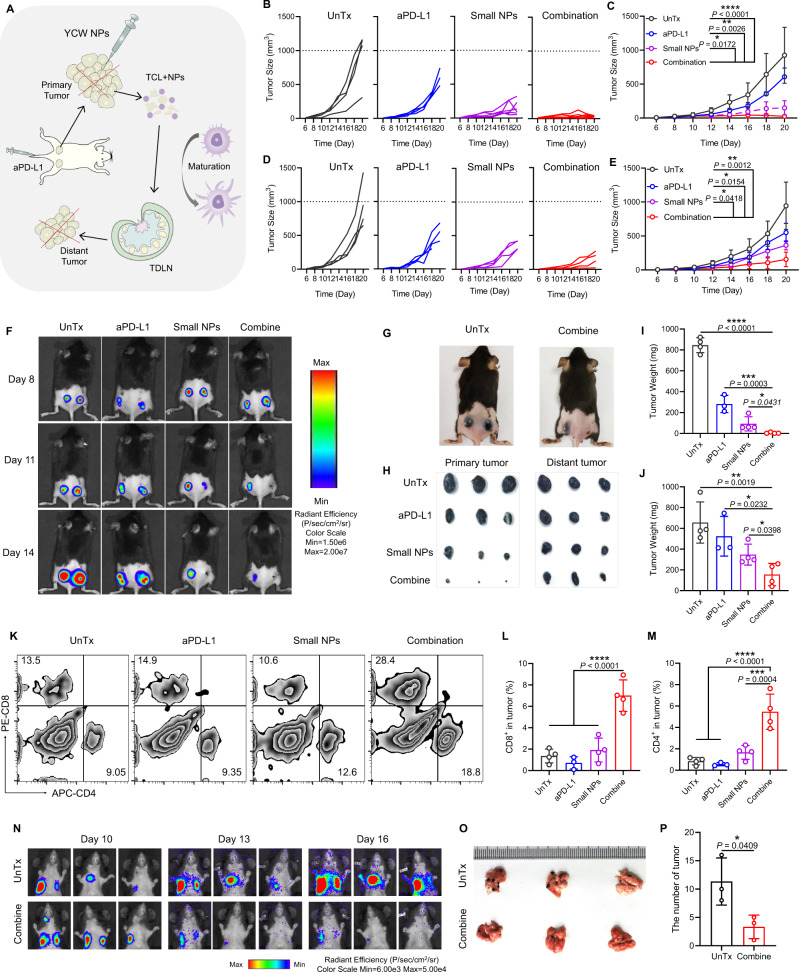
Microbe-based cancer immunotherapy has recently emerged as a hot topic for cancer treatment. However, serious limitations remain including infection associated side-effect and unsatisfactory outcomes in clinic trials. Here, we fabricate different sizes of nano-formulations derived from yeast cell wall (YCW NPs) by differential centrifugation. The induction of anticancer immunity of our formulations appears to inversely correlate with their size due to the ability to accumulate in tumor-draining lymph node (TDLN). Moreover, we use a percolation model to explain their distribution behavior toward TDLN. The abundance and functional orientation of each effector component are significantly improved not only in the microenvironment in tumor but also in the TDLN following small size YCW NPs treatment. In combination with programmed death-ligand 1 (PD-L1) blockade, we demonstrate anticancer efficiency in melanoma-challenged mice. We delineate potential strategy to target immunosuppressive microenvironment by microbe-based nanoparticles and highlight the role of size effect in microbe-based immune therapeutics.
基于微生物的癌症免疫疗法最近成为癌症治疗的热门话题。然而,仍存在严重的局限性,包括与感染相关的副作用和临床试验中的不理想结果。在这里,我们通过差速离心法制备了源自酵母细胞壁(YCW NPs)的不同大小的纳米制剂。我们制剂的抗癌免疫诱导似乎与它们的大小成反比,因为它们能够在肿瘤引流淋巴结(TDLN)中积累。此外,我们使用渗透模型来解释它们在 TDLN 中的分布行为。小尺寸 YCW NPs 处理后,不仅在肿瘤微环境中,而且在 TDLN 中,每种效应子成分的丰度和功能定向都得到了显著改善。与程序性死亡配体 1(PD-L1)阻断联合使用,我们在黑色素瘤挑战的小鼠中证明了抗癌效率。我们描绘了通过基于微生物的纳米颗粒靶向免疫抑制微环境的潜在策略,并强调了大小效应对基于微生物的免疫治疗的作用。