Biotechnology Department, Faculty of Biotechnology, Atma Jaya Catholic University of Indonesia, Jenderal Sudirman 51 Street, South Jakarta, DKI Jakarta, 12930, Indonesia.
Food Technology Department, Faculty of Biotechnology, Atma Jaya Catholic University of Indonesia, Jakarta, Indonesia.
Sci Rep. 2022 Jan 11;12(1):495. doi: 10.1038/s41598-021-04534-8.
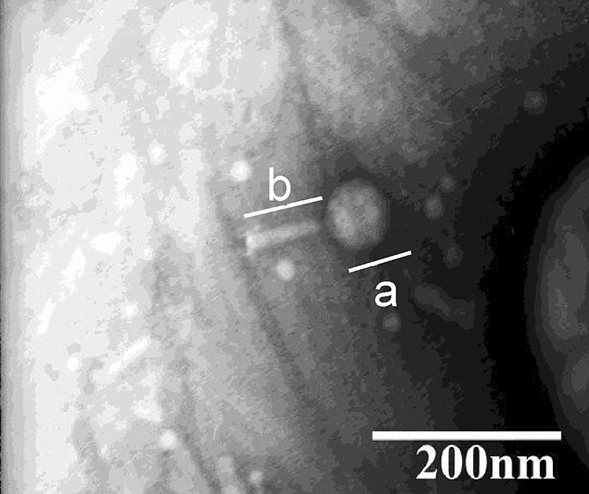
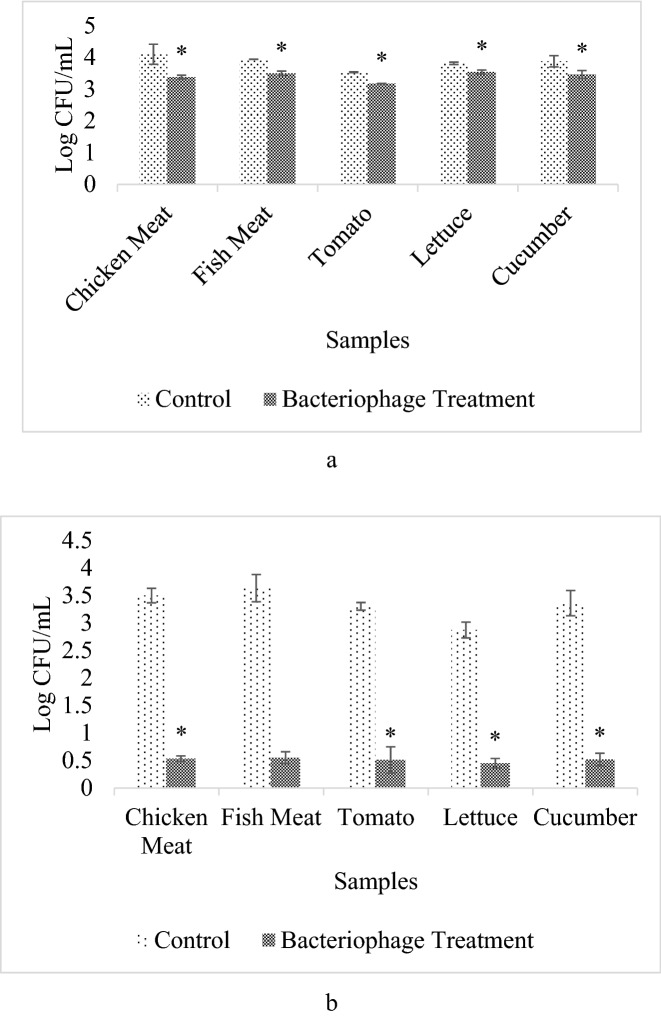
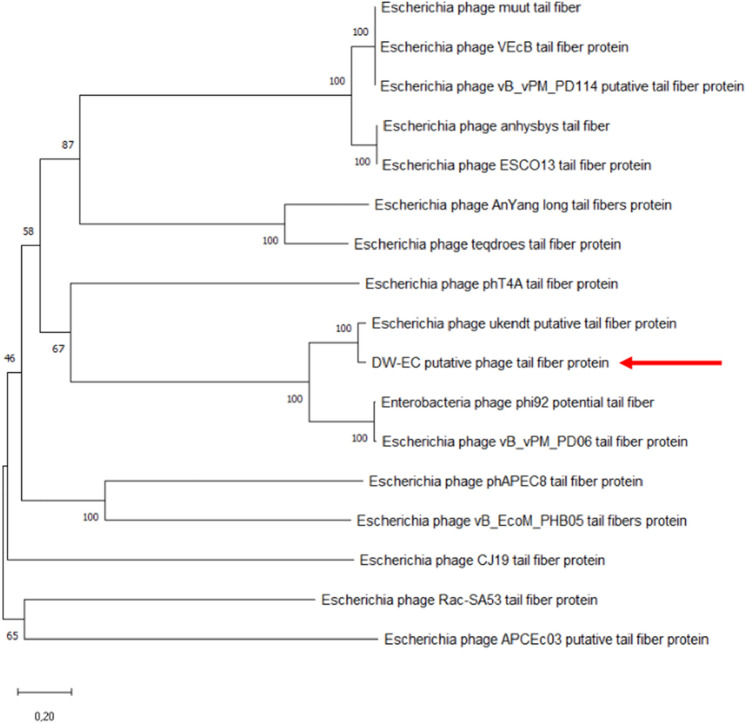
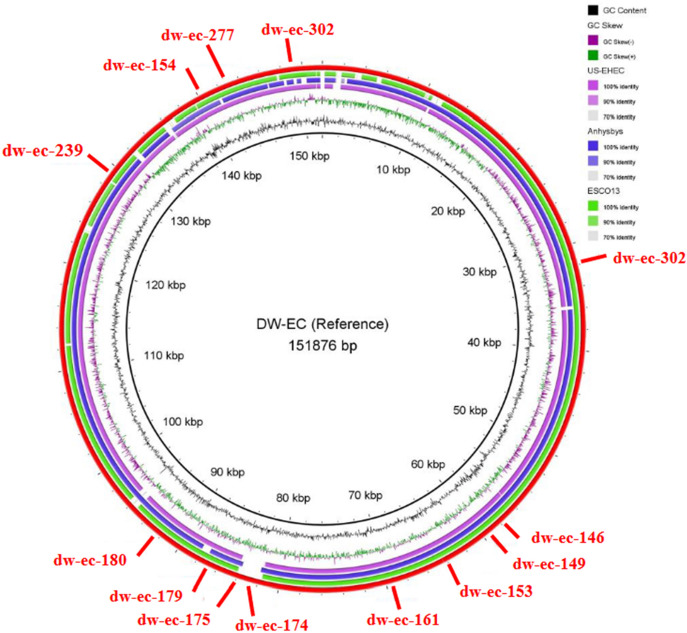
Among food preservation methods, bacteriophage treatment can be a viable alternative method to overcome the drawbacks of traditional approaches. Bacteriophages are naturally occurring viruses that are highly specific to their hosts and have the capability to lyse bacterial cells, making them useful as biopreservation agents. This study aims to characterize and determine the application of bacteriophage isolated from Indonesian traditional Ready-to-Eat (RTE) food to control Enterotoxigenic Escherichia coli (ETEC) population in various foods. Phage DW-EC isolated from Indonesian traditional RTE food called dawet with ETEC as its host showed a positive result by the formation of plaques (clear zone) in the bacterial host lawn. Transmission electron microscopy (TEM) results also showed that DW-EC can be suspected to belong to the Myoviridae family. Molecular characterization and bioinformatic analysis showed that DW-EC exhibited characteristics as promising biocontrol agents in food samples. Genes related to the lytic cycle, such as lysozyme and tail fiber assembly protein, were annotated. There were also no signs of lysogenic genes among the annotation results. The resulting PHACTS data also indicated that DW-EC was leaning toward being exclusively lytic. DW-EC significantly reduced the ETEC population (P ≤ 0.05) in various food samples after two different incubation times (1 day and 6 days) in chicken meat (80.93%; 87.29%), fish meat (63.78%; 87.89%), cucumber (61.42%; 71.88%), tomato (56.24%; 74.51%), and lettuce (46.88%; 43.38%).
在食品保鲜方法中,噬菌体处理可以作为一种可行的替代方法,克服传统方法的缺点。噬菌体是天然存在的病毒,对其宿主具有高度特异性,并具有裂解细菌细胞的能力,因此可用作生物保鲜剂。本研究旨在对从印度尼西亚传统即食(RTE)食品中分离出的噬菌体进行表征,并确定其在控制各种食品中肠毒性大肠杆菌(ETEC)种群中的应用。从印度尼西亚传统 RTE 食品 dawet 中分离出的噬菌体 DW-EC 以 ETEC 为宿主,在细菌宿主菌苔上形成噬菌斑(透明带),呈现阳性结果。透射电子显微镜(TEM)结果也表明 DW-EC 可能属于肌尾病毒科。分子特征和生物信息学分析表明,DW-EC 作为食品样品中的有前途的生物控制剂具有特征。与裂解周期相关的基因,如溶菌酶和尾部纤维组装蛋白,被注释。在注释结果中也没有发现溶原基因的迹象。产生的 PHACTS 数据还表明,DW-EC 倾向于完全裂解。DW-EC 在鸡肉(80.93%;87.29%)、鱼肉(63.78%;87.89%)、黄瓜(61.42%;71.88%)、番茄(56.24%;74.51%)和生菜(46.88%;43.38%)等不同食品样本中,在两种不同的孵育时间(1 天和 6 天)后,显著降低了 ETEC 种群(P≤0.05)。