Laboratory of Basic and Applied Bacteriology, State University of Londrina, Londrina, PR, Brazil.
Laboratory of Bioinformatics, Federal University of Santa Catarina, Florianópolis, SC, Brazil.
Sci Rep. 2023 Aug 11;13(1):13054. doi: 10.1038/s41598-023-40228-z.
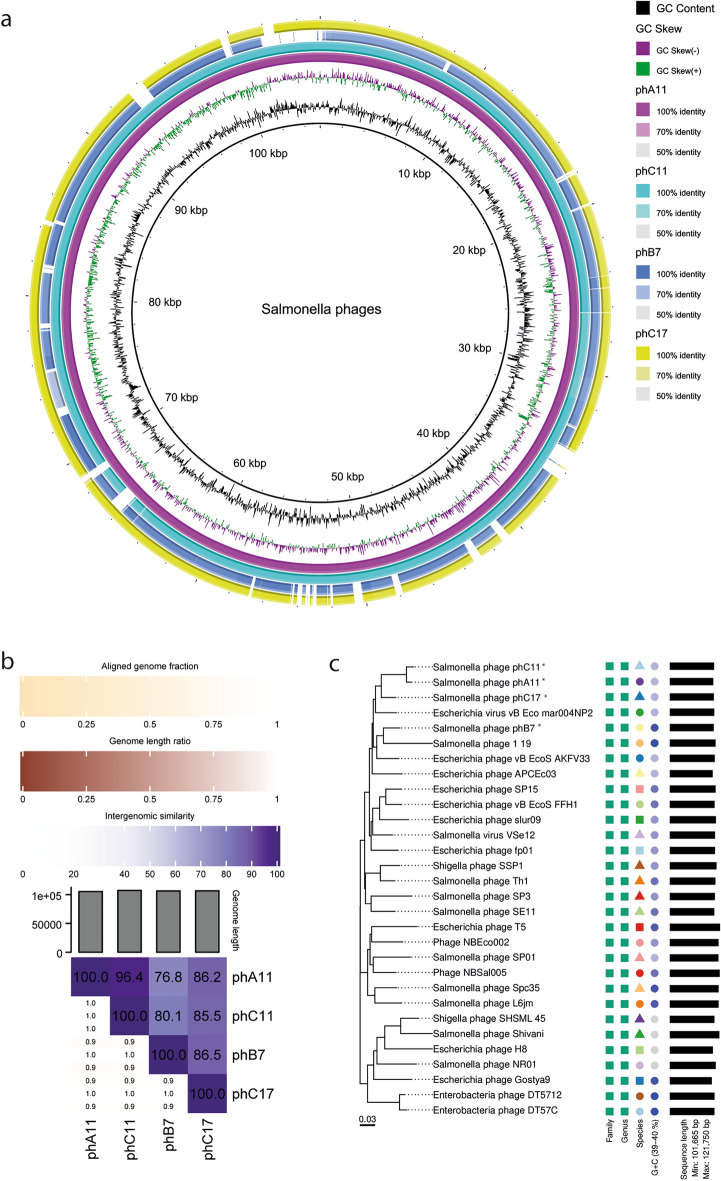
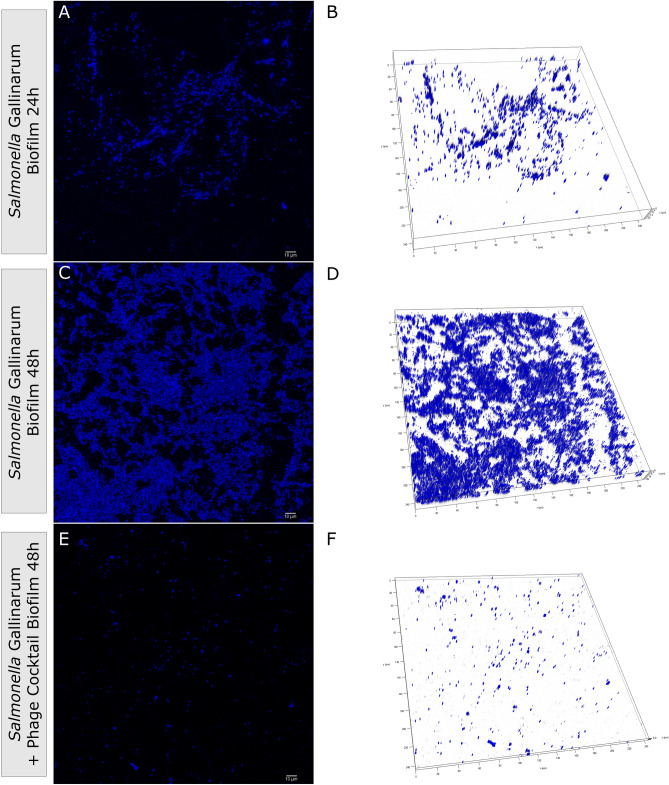
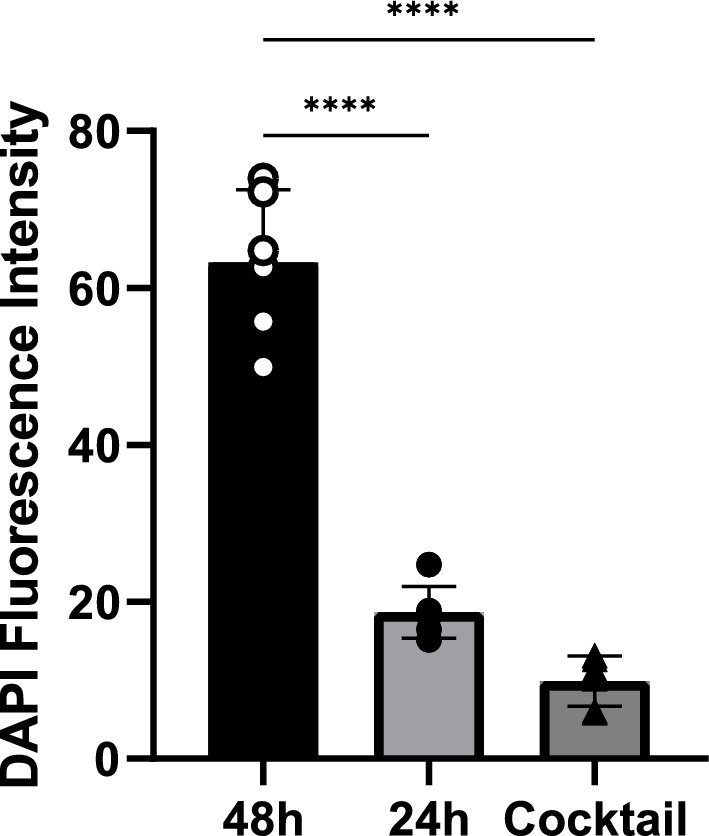
Foodborne diseases are a major challenge in the global food industry, especially those caused by multidrug-resistant (MDR) bacteria. Bacteria capable of biofilm formation, in addition to MDR strains, reduce the treatment efficacy, posing a significant threat to bacterial control. Bacteriophages, which are viruses that infect and kill bacteria, are considered a promising alternative in combating MDR bacteria, both in human medicine and animal production. Phage cocktails, comprising multiple phages, are commonly employed to broaden the host range and prevent or delay the development of phage resistance. There are numerous techniques and protocols available to evaluate the lytic activity of bacteriophages, with the most commonly used methods being Spot Test Assays, Efficiency of Plating (EOP), and infection assays in liquid culture. However, there is currently no standardization for which analyses should be employed and the possible differences among them in order to precisely determine the host range of phages and the composition of a cocktail. A preliminary selection using the Spot Test Assay resulted in four phages for subsequent evaluation against a panel of 36 Salmonella isolates of numerous serovars. Comparing EOP and infection assays in liquid culture revealed that EOP could underestimate the lytic activity of phages, directly influencing phage cocktail development. Moreover, the phage cocktail containing the four selected phages was able to control or remove biofilms formed by 66% (23/35) of the isolates, including those exhibiting low susceptibility to phages, according to EOP. Phages were characterized genomically, revealing the absence of genes associated with antibiotic resistance, virulence factors, or integrases. According to confocal laser scanning microscopy analysis, the biofilm maturation of one Salmonella isolate, which exhibited high susceptibility to phages in liquid culture and 96-well plates biofilm viability assays but had low values for EOP, was found to be inhibited and controlled by the phage cocktail. These observations indicate that phages could control and remove Salmonella biofilms throughout their growth and maturation process, despite their low EOP values. Moreover, using infection assays in liquid culture enables a more precise study of phage interactions for cocktail design timelessly and effortlessly. Hence, integrating strategies and techniques to comprehensively assess the host range and lytic activity of bacteriophages under different conditions can demonstrate more accurately the antibacterial potential of phage cocktails.
食源性疾病是全球食品行业面临的主要挑战,特别是由多药耐药(MDR)细菌引起的疾病。除了 MDR 菌株外,能够形成生物膜的细菌还会降低治疗效果,对细菌控制构成重大威胁。噬菌体是感染和杀死细菌的病毒,被认为是对抗 MDR 细菌的一种有前途的替代品,无论是在人类医学还是动物生产中。噬菌体鸡尾酒由多种噬菌体组成,通常用于扩大宿主范围并防止或延迟噬菌体耐药性的发展。有许多技术和方案可用于评估噬菌体的裂解活性,最常用的方法是点测试分析、平板效率(EOP)和液体培养中的感染分析。然而,目前尚无标准化的分析方法,也无法确定它们之间的可能差异,以便精确确定噬菌体的宿主范围和鸡尾酒的组成。使用点测试分析进行初步筛选后,选择了四种噬菌体,随后针对 36 株不同血清型的沙门氏菌进行评估。比较液体培养中的 EOP 和感染分析表明,EOP 可能低估了噬菌体的裂解活性,直接影响噬菌体鸡尾酒的开发。此外,含有这四种选定噬菌体的噬菌体鸡尾酒能够控制或去除 35 株分离株中的 66%(23/35)形成的生物膜,包括根据 EOP 对噬菌体敏感性低的分离株。对噬菌体进行基因组特征分析表明,它们缺乏与抗生素耐药性、毒力因子或整合酶相关的基因。根据共聚焦激光扫描显微镜分析,对一种沙门氏菌分离株的生物膜成熟度进行了研究,该分离株在液体培养和 96 孔板生物膜活力测定中对噬菌体表现出高敏感性,但 EOP 值较低,发现噬菌体鸡尾酒能够抑制和控制该分离株的生物膜成熟度。这些观察结果表明,噬菌体可以在整个生长和成熟过程中控制和去除沙门氏菌生物膜,尽管它们的 EOP 值较低。此外,使用液体培养中的感染分析可以更精确地研究噬菌体相互作用,从而设计鸡尾酒。因此,整合策略和技术,全面评估不同条件下噬菌体的宿主范围和裂解活性,可以更准确地展示噬菌体鸡尾酒的抗菌潜力。