Department of Oral Health Sciences, College of Dental Medicine.
Department of Pediatrics-Division of Endocrinology, College of Medicine, and.
JCI Insight. 2022 Feb 22;7(4):e140738. doi: 10.1172/jci.insight.140738.
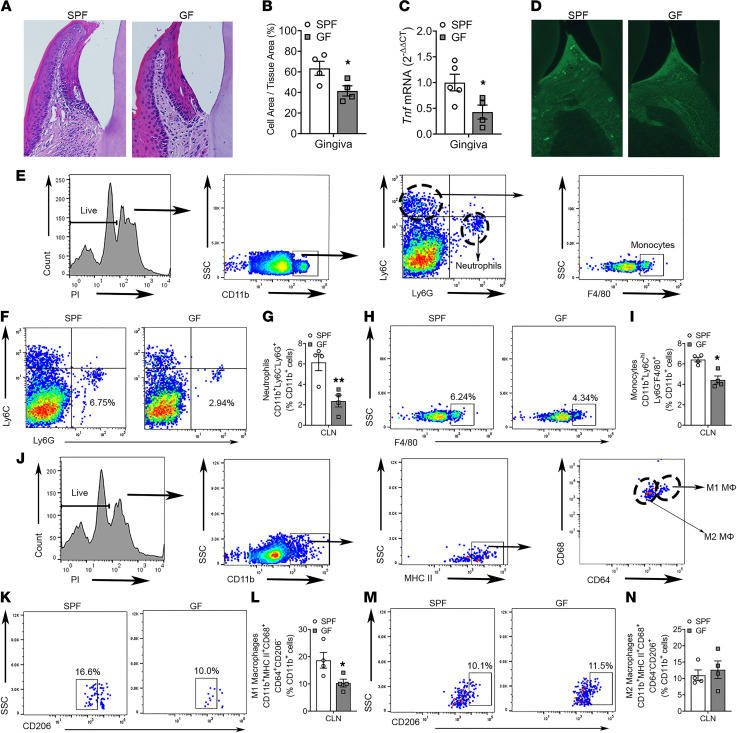
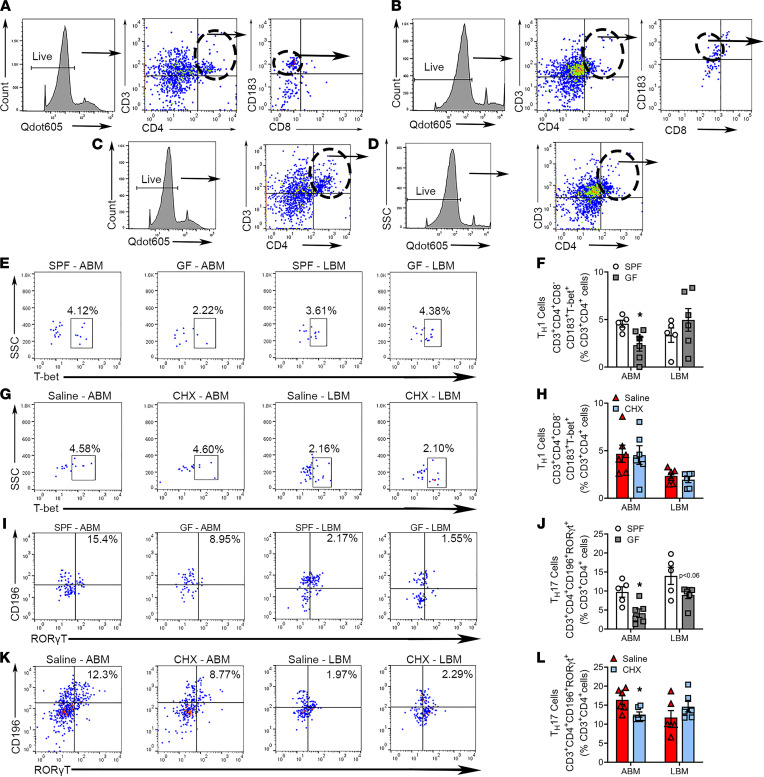
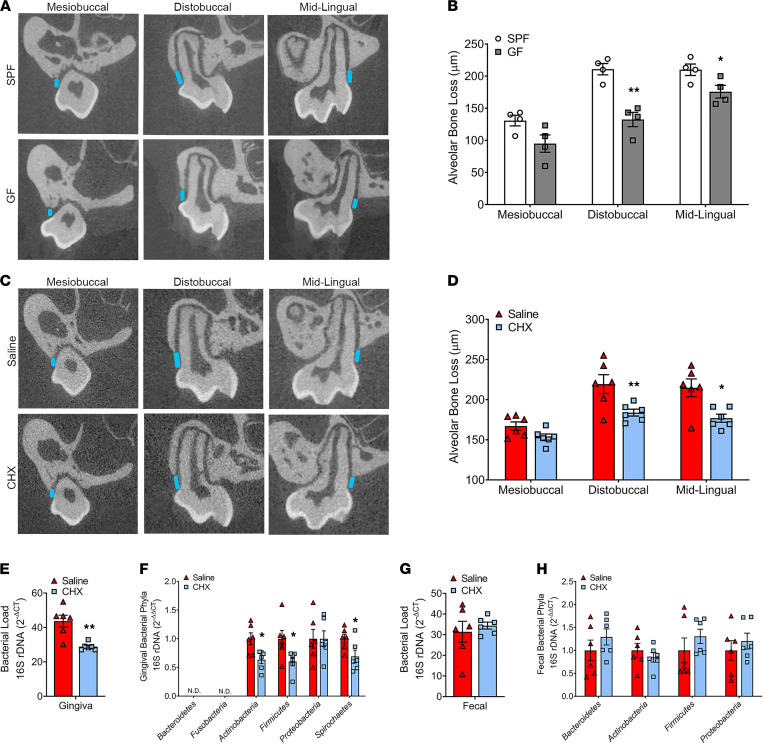
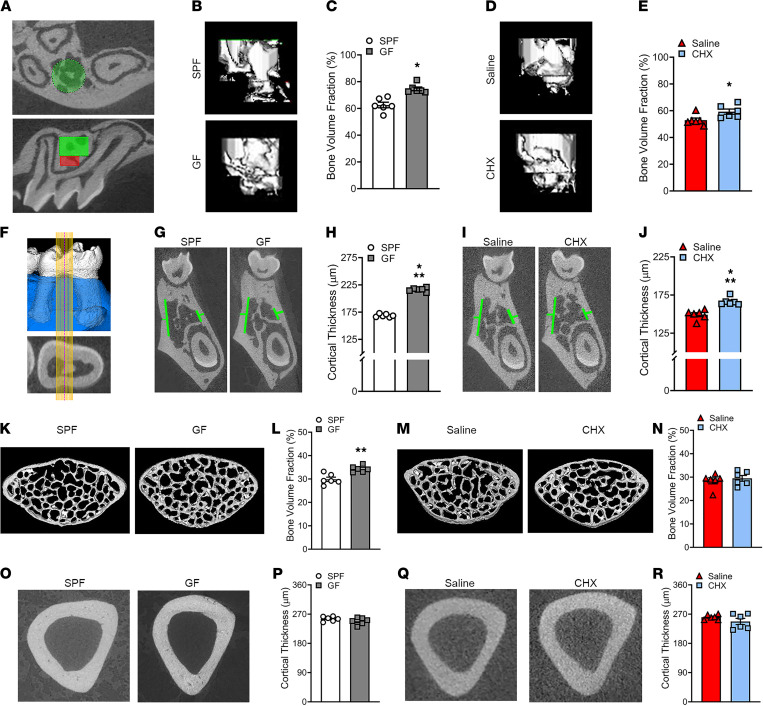
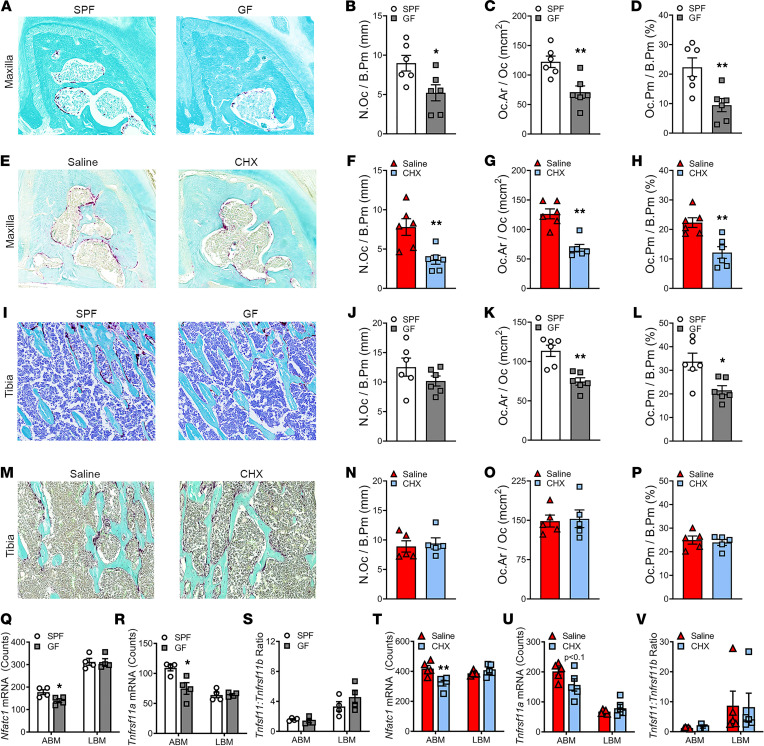
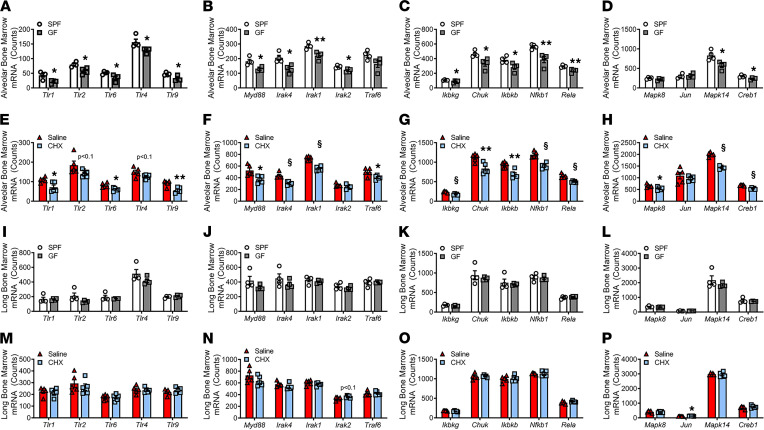
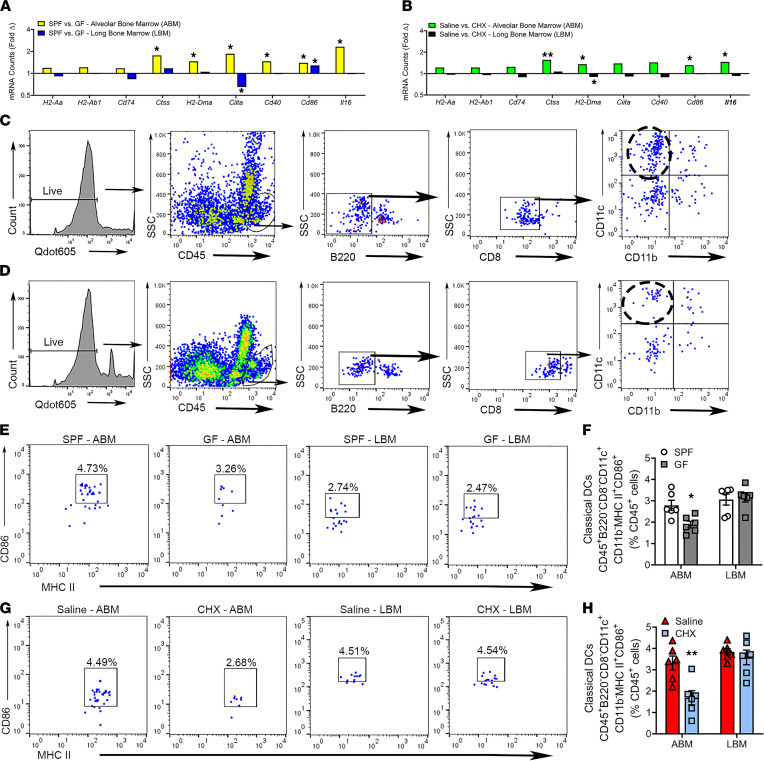
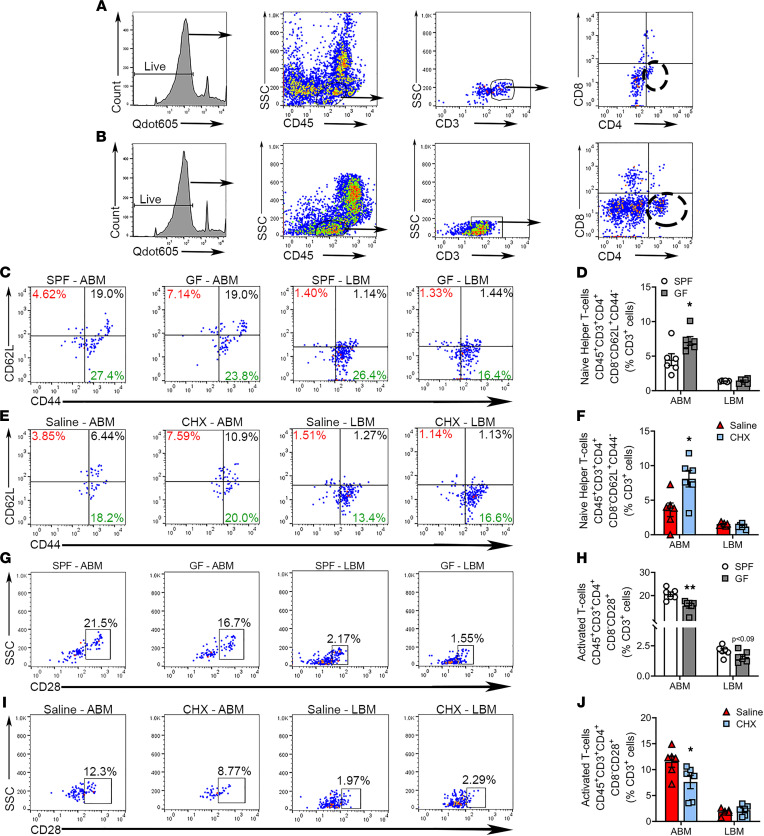
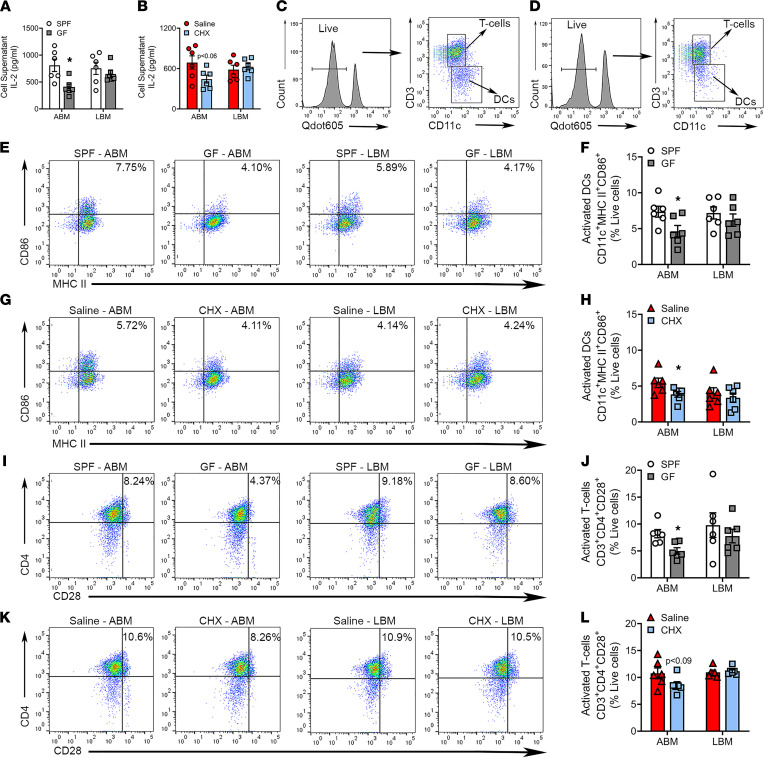
Commensal microbes critically regulate skeletal homeostasis, yet the impact of specific microbiota communities on osteoimmune response mechanisms is unknown. To discern osteoimmunomodulatory effects imparted by the commensal oral microbiota that are distinct from the systemic microbiota, osteoimmunology studies were performed in both alveolar bone and nonoral skeletal sites of specific pathogen-free (SPF) versus germ-free (GF) mice and SPF mice subjected to saline versus chlorhexidine oral rinses. SPF versus GF mice had reduced cortical/trabecular bone and an enhanced pro-osteoclastic phenotype in alveolar bone. TLR signaling and Th17 cells that have known pro-osteoclastic actions were increased in alveolar BM, but not long BM, of SPF versus GF mice. MHC II antigen presentation genes and activated DCs and CD4+ T cells were elevated in alveolar BM, but not long BM, of SPF versus GF mice. These findings were substantiated by in vitro allostimulation studies demonstrating increased activated DCs derived from alveolar BM, but not long BM, of SPF versus GF mice. Chlorhexidine antiseptic rinse depleted the oral, but not gut, bacteriome in SPF mice. Findings from saline- versus chlorhexidine-treated SPF mice corroborated outcomes from SPF versus GF mice, which reveals that the commensal oral microbiota imparts osteoimmunomodulatory effects separate from the systemic microbiome.
共生微生物对骨骼稳态具有重要的调节作用,但特定微生物群落对骨免疫反应机制的影响尚不清楚。为了辨别共生口腔微生物群赋予的骨免疫调节作用,这些作用与系统微生物群不同,在无特定病原体(SPF)和无菌(GF)小鼠的牙槽骨和非口腔骨骼部位以及接受生理盐水或洗必泰口腔冲洗的 SPF 小鼠中进行了骨免疫学研究。SPF 与 GF 小鼠的皮质/小梁骨减少,牙槽骨中破骨前表型增强。TLR 信号和已知具有破骨作用的 Th17 细胞在 SPF 与 GF 小鼠的牙槽骨 BM 中增加,但在长骨 BM 中没有增加。SPF 与 GF 小鼠的牙槽骨 BM 中 MHC II 抗原呈递基因和活化的 DC 和 CD4+T 细胞升高,但长骨 BM 中没有升高。体外同种刺激研究证实,SPF 与 GF 小鼠的牙槽骨 BM 衍生的活化 DC 增加,这些发现得到了证实,但长骨 BM 没有。洗必泰防腐剂冲洗可消耗 SPF 小鼠的口腔细菌,但不会消耗肠道细菌。生理盐水与洗必泰处理的 SPF 小鼠的结果与 SPF 与 GF 小鼠的结果相符,这表明共生口腔微生物群具有独立于系统微生物群的骨免疫调节作用。