Department of Oral Health Sciences and Center for Oral Health Research, College of Dental Medicine, Medical University of South Carolina, Charleston, South Carolina, 29425, USA.
Department of Microbiology and Immunology, Hollings Cancer Center, Medical University of South Carolina, Charleston, South Carolina, 29425, USA.
Sci Rep. 2017 Jul 18;7(1):5747. doi: 10.1038/s41598-017-06126-x.
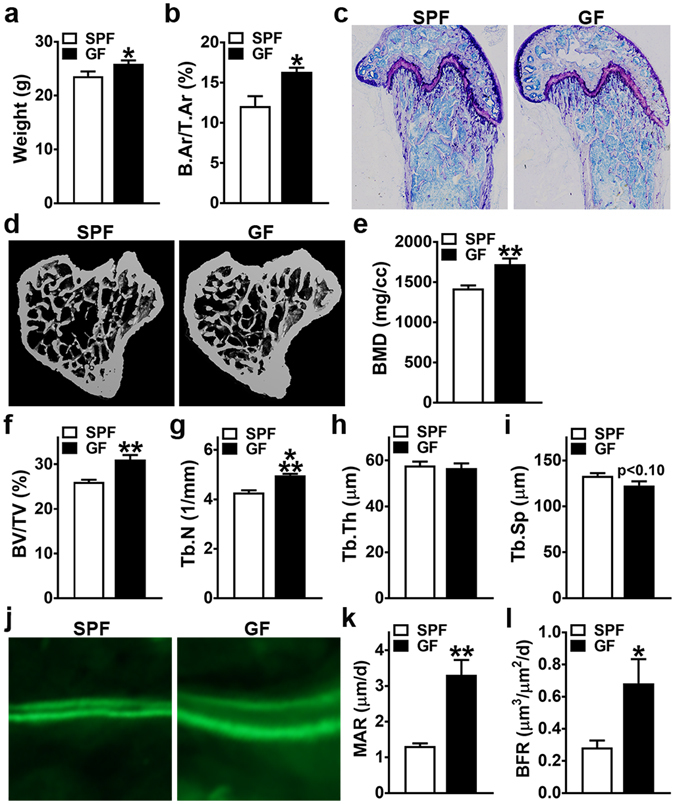
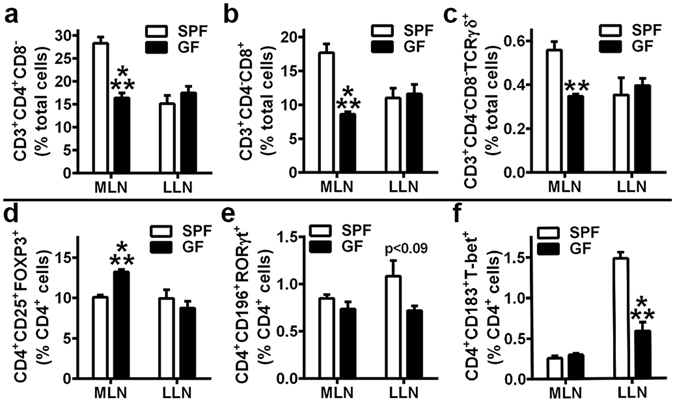
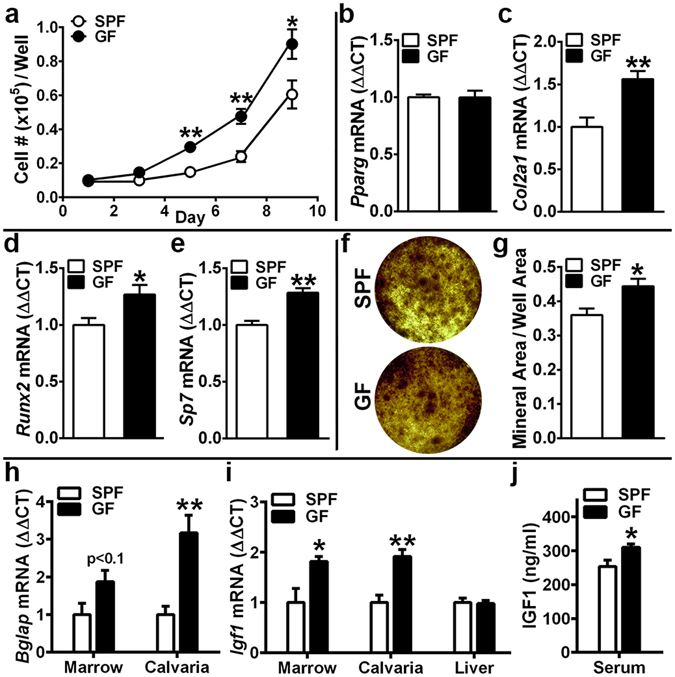
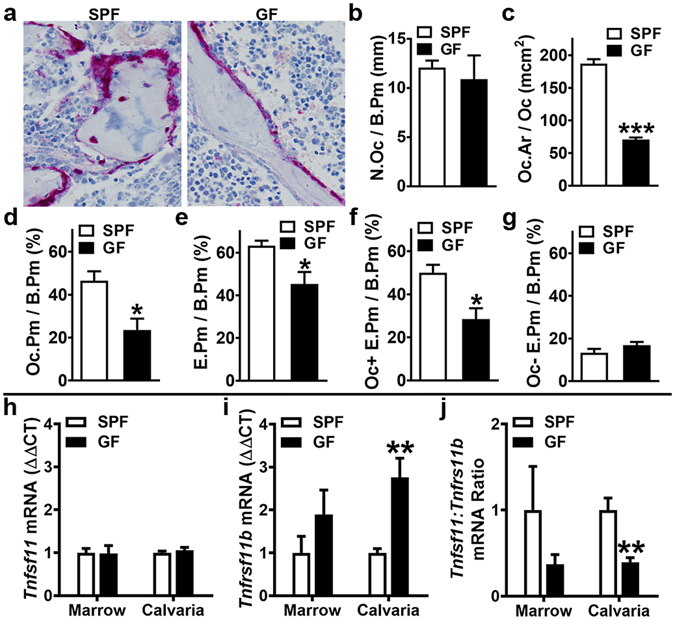
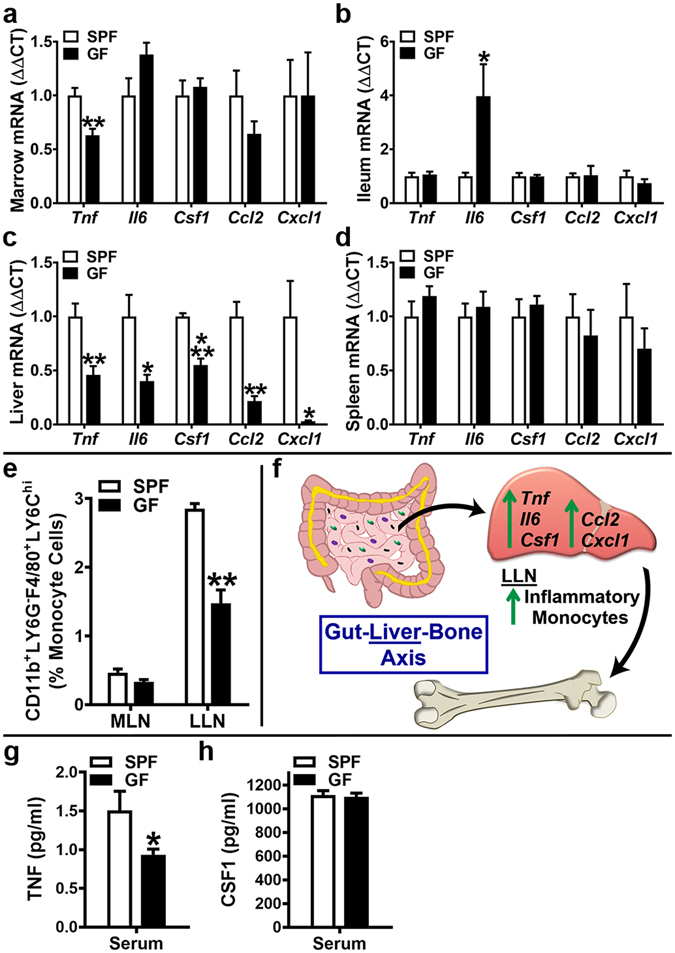
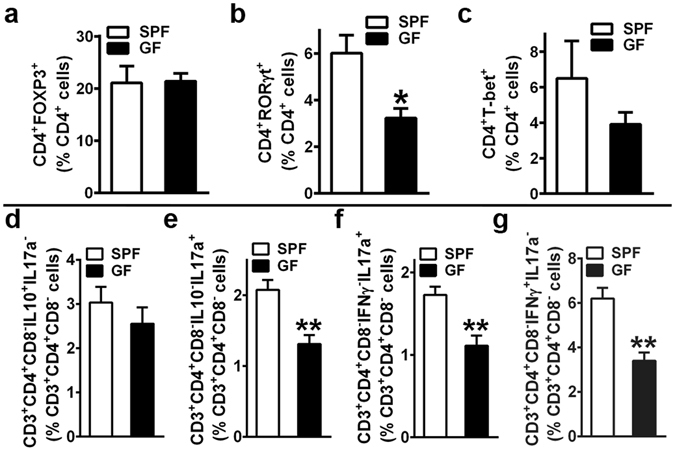
Despite knowledge the gut microbiota regulates bone mass, mechanisms governing the normal gut microbiota's osteoimmunomodulatory effects on skeletal remodeling and homeostasis are unclear in the healthy adult skeleton. Young adult specific-pathogen-free and germ-free mice were used to delineate the commensal microbiota's immunoregulatory effects on osteoblastogenesis, osteoclastogenesis, marrow T-cell hematopoiesis, and extra-skeletal endocrine organ function. We report the commensal microbiota has anti-anabolic effects suppressing osteoblastogenesis and pro-catabolic effects enhancing osteoclastogenesis, which drive bone loss in health. Suppression of Sp7(Osterix) and Igf1 in bone, and serum IGF1, in specific-pathogen-free mice suggest the commensal microbiota's anti-osteoblastic actions are mediated via local disruption of IGF1-signaling. Differences in the RANKL/OPG Axis in vivo, and RANKL-induced maturation of osteoclast-precursors in vitro, indicate the commensal microbiota induces sustained changes in RANKL-mediated osteoclastogenesis. Candidate mechanisms mediating commensal microbiota's pro-osteoclastic actions include altered marrow effector CD4T-cells and a novel Gut-Liver-Bone Axis. The previously unidentified Gut-Liver-Bone Axis intriguingly implies the normal gut microbiota's osteoimmunomodulatory actions are partly mediated via immunostimulatory effects in the liver. The molecular underpinnings defining commensal gut microbiota immunomodulatory actions on physiologic bone remodeling are highly relevant in advancing the understanding of normal osteoimmunological processes, having implications for the prevention of skeletal deterioration in health and disease.
尽管人们已经了解肠道微生物群可以调节骨量,但在健康成人骨骼中,调节正常肠道微生物群对骨骼重塑和稳态的骨免疫调节作用的机制尚不清楚。本研究使用年轻成年无菌和无特定病原体小鼠来描绘共生微生物群对成骨细胞生成、破骨细胞生成、骨髓 T 细胞造血和骨骼外内分泌器官功能的免疫调节作用。我们报告称,共生微生物群具有抗合成代谢作用,抑制成骨细胞生成,促进分解代谢作用,增强破骨细胞生成,从而导致健康状态下的骨丢失。无菌小鼠骨组织 Sp7(Osterix)和 Igf1 以及血清 IGF1 的抑制表明,共生微生物群的抗成骨作用是通过局部破坏 IGF1 信号传导介导的。体内 RANKL/OPG 轴的差异以及体外 RANKL 诱导的破骨细胞前体成熟表明,共生微生物群诱导 RANKL 介导的破骨细胞生成持续变化。介导共生微生物群促破骨作用的候选机制包括骨髓效应性 CD4T 细胞的改变和新的肠道-肝脏-骨骼轴。以前未被识别的肠道-肝脏-骨骼轴暗示,正常肠道微生物群的骨免疫调节作用部分是通过肝脏的免疫刺激作用介导的。定义共生肠道微生物群对生理骨骼重塑的免疫调节作用的分子基础对于深入了解正常骨免疫学过程具有重要意义,对预防健康和疾病中的骨骼恶化具有重要意义。