Department of Microbiology-Immunology and.
Northwestern Scleroderma Program, Feinberg School of Medicine, Northwestern University, Chicago, Illinois, USA.
JCI Insight. 2022 Mar 8;7(5):e151037. doi: 10.1172/jci.insight.151037.
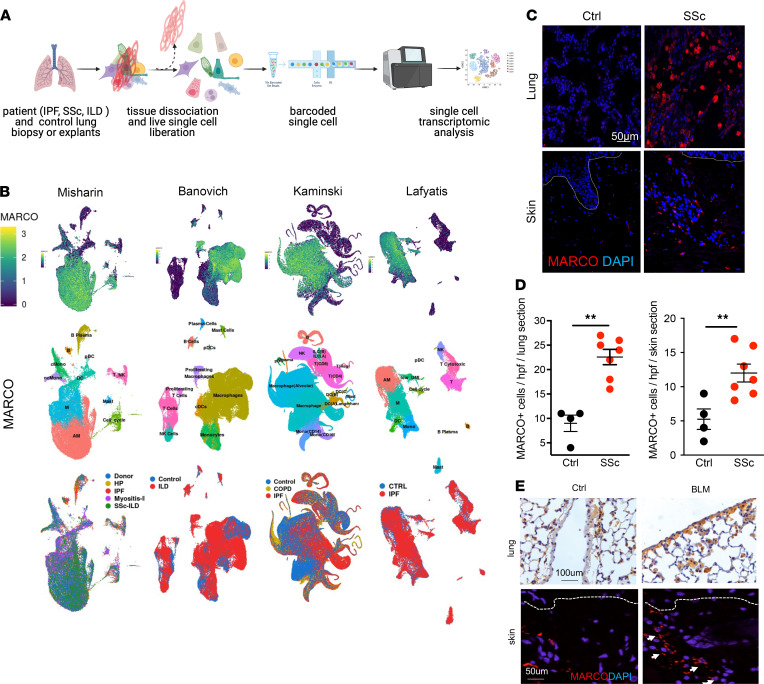
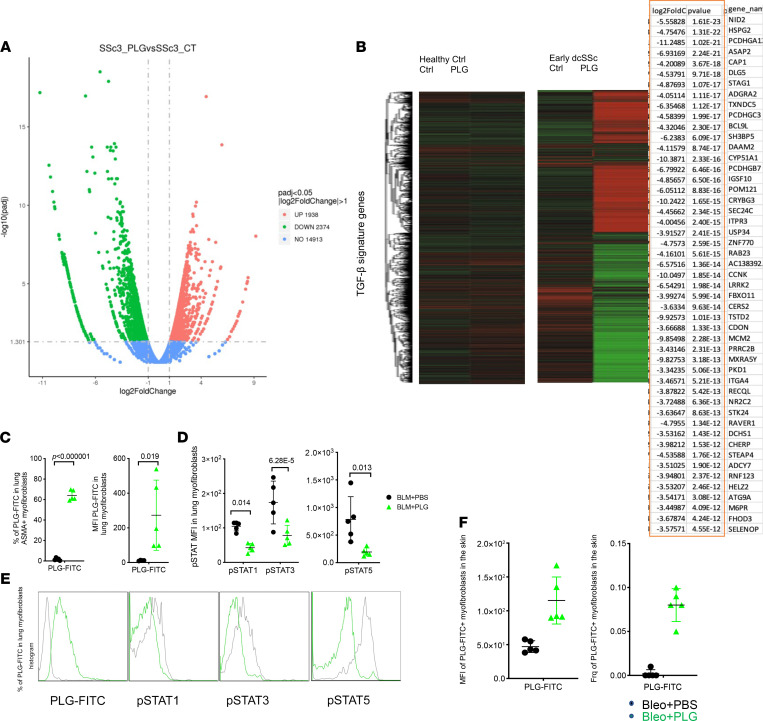
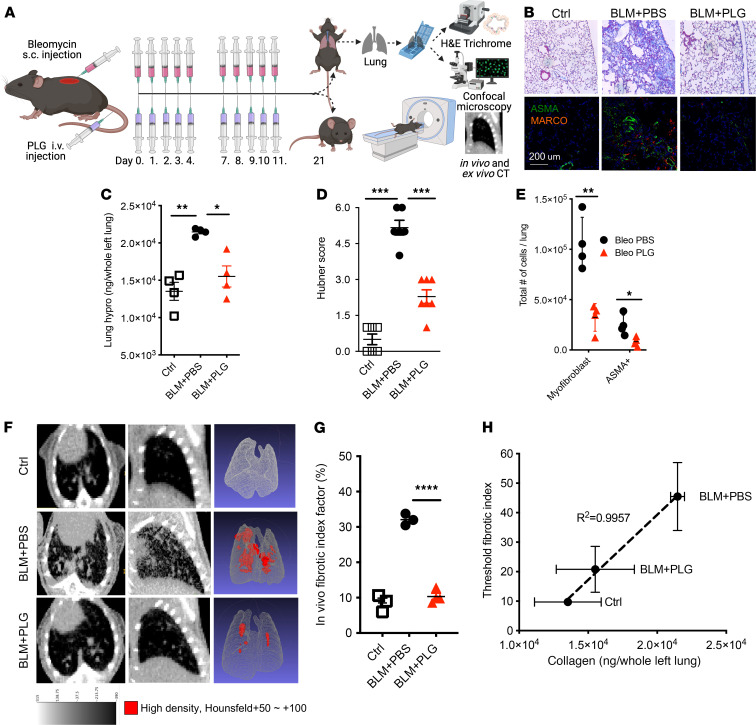
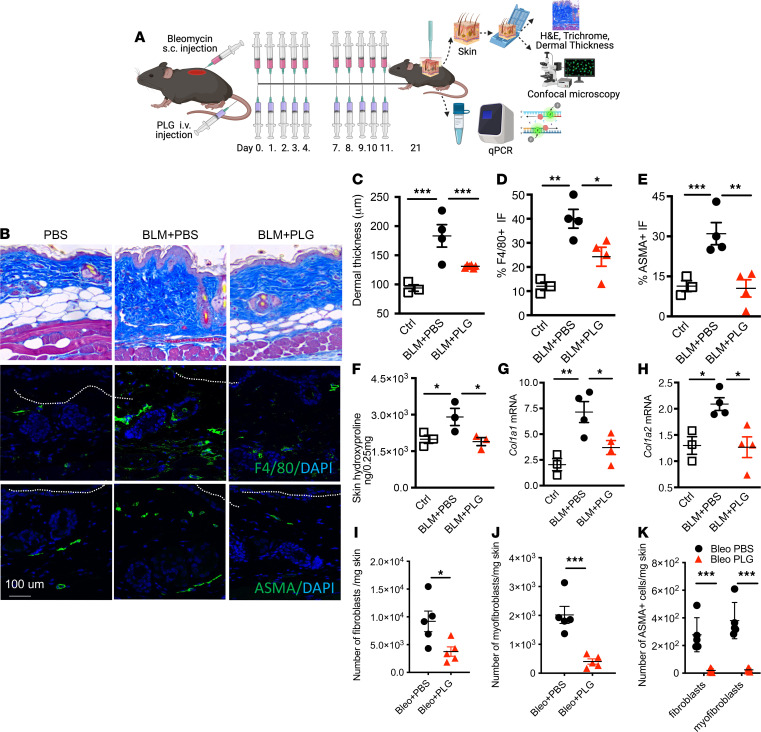
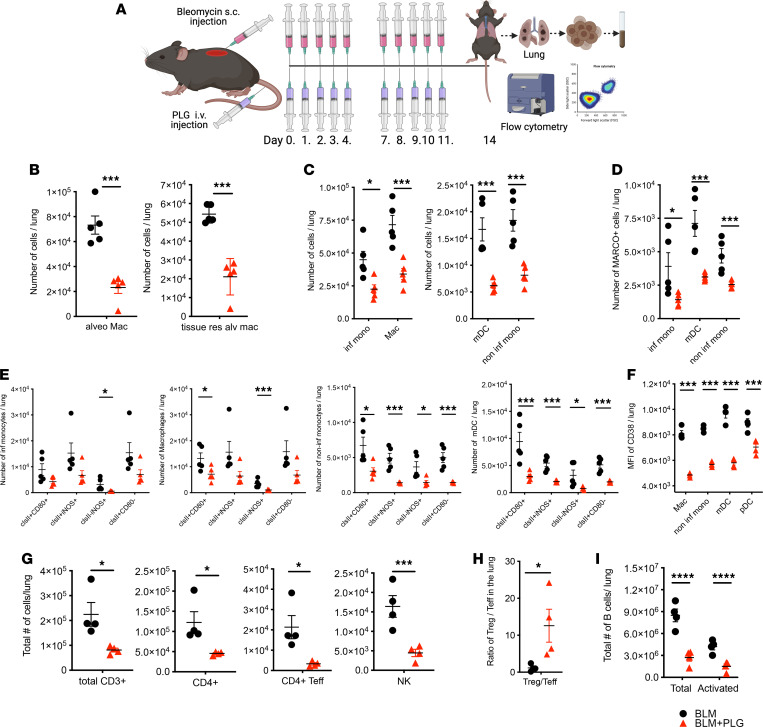
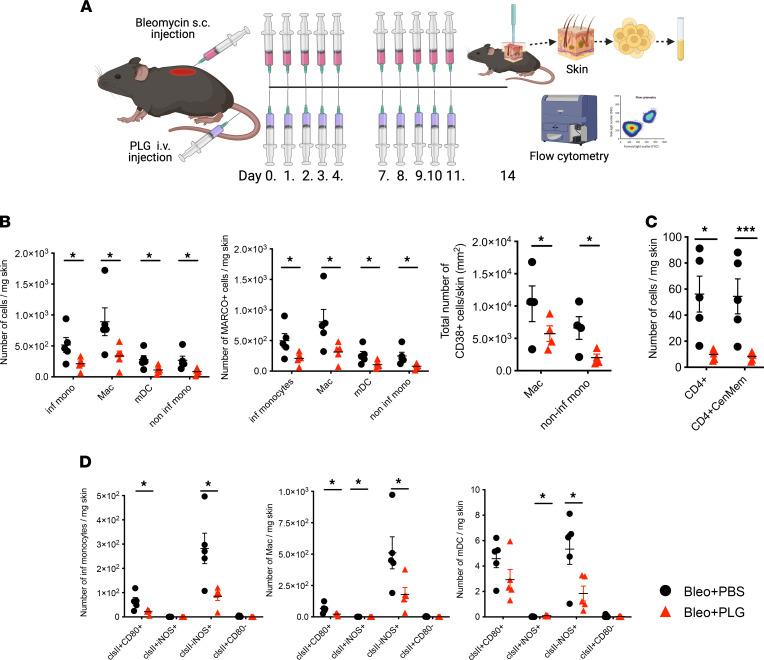
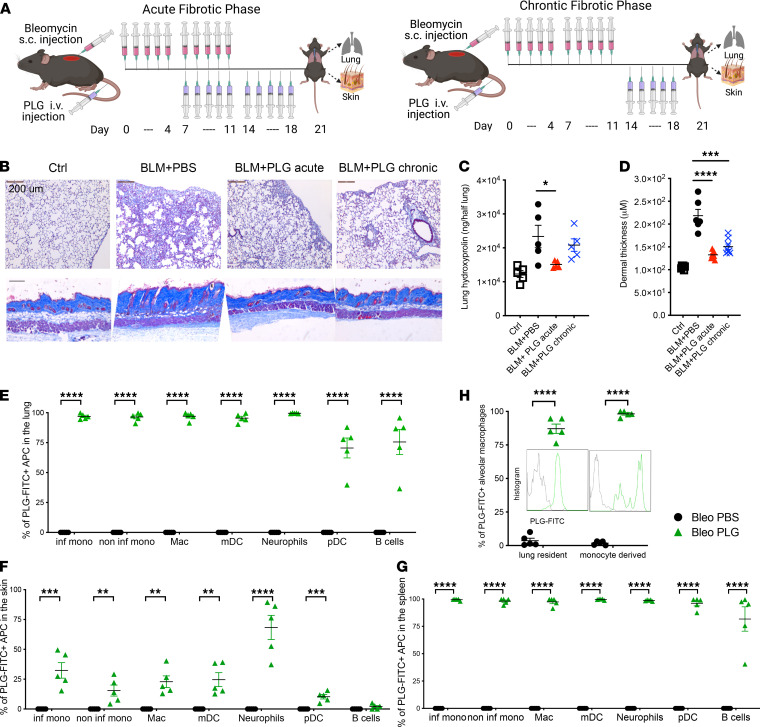
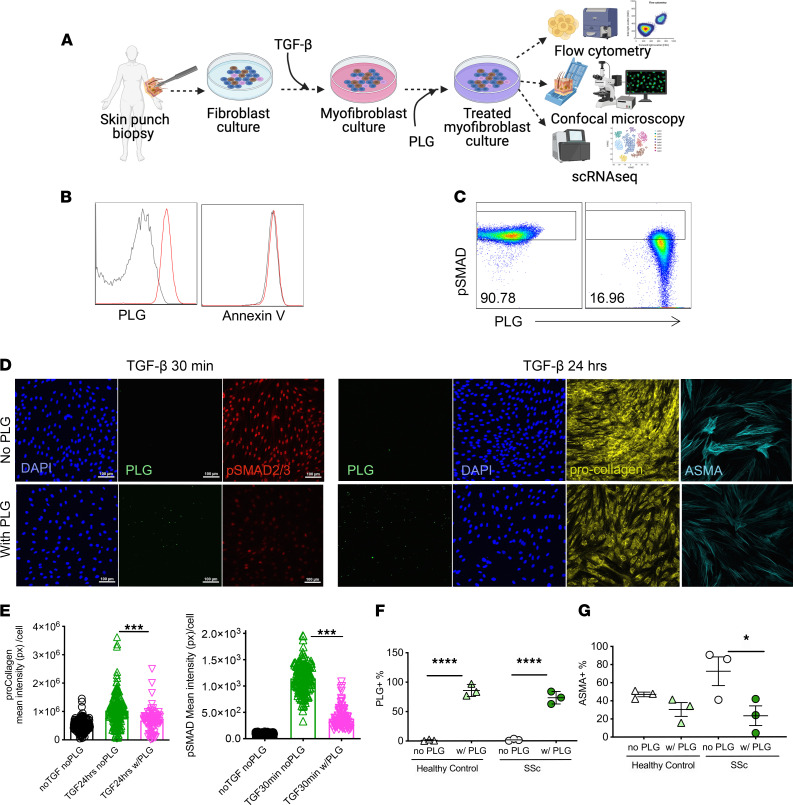
Systemic sclerosis (SSc) is a chronic, multisystem orphan disease with a highly variable clinical course, high mortality rate, and a poorly understood complex pathogenesis. We have identified an important role for a subpopulation of monocytes and macrophages characterized by surface expression of the scavenger receptor macrophage receptor with collagenous structure (MARCO) in chronic inflammation and fibrosis in SSc and in preclinical disease models. We show that MARCO+ monocytes and macrophages accumulate in lesional skin and lung in topographic proximity to activated myofibroblasts in patients with SSc and in the bleomycin-induced mouse model of SSc. Short-term treatment of mice with a potentially novel nanoparticle, poly(lactic-co-glycolic) acid (PLG), which is composed of a carboxylated, FDA-approved, biodegradable polymer and modulates activation and trafficking of MARCO+ inflammatory monocytes, markedly attenuated bleomycin-induced skin and lung inflammation and fibrosis. Mechanistically, in isolated cells in culture, PLG nanoparticles inhibited TGF-dependent fibrotic responses in vitro. Thus, MARCO+ monocytes are potent effector cells of skin and lung fibrosis and can be therapeutically targeted in SSc using PLG nanoparticles.
系统性硬化症(SSc)是一种慢性、多系统孤儿病,具有高度可变的临床病程、高死亡率和复杂的发病机制尚不清楚。我们已经确定了一种具有特征性表面表达的单核细胞和巨噬细胞亚群的重要作用,即具有胶原结构的巨噬细胞清道夫受体(MARCO)在 SSc 的慢性炎症和纤维化以及临床前疾病模型中发挥重要作用。我们发现 MARCO+单核细胞和巨噬细胞在 SSc 患者的病变皮肤和肺部以及博来霉素诱导的 SSc 小鼠模型中与激活的肌成纤维细胞在空间上接近,聚集在病变皮肤和肺部。用一种潜在的新型纳米颗粒,聚(乳酸-共-乙醇酸)(PLG)对小鼠进行短期治疗,PLG 由一种羧化的、获得 FDA 批准的、可生物降解的聚合物组成,并调节 MARCO+炎症性单核细胞的激活和迁移,显著减轻博来霉素诱导的皮肤和肺部炎症和纤维化。从机制上讲,在体外培养的分离细胞中,PLG 纳米颗粒抑制了 TGF 依赖性纤维化反应。因此,MARCO+单核细胞是皮肤和肺部纤维化的有效效应细胞,可以使用 PLG 纳米颗粒在 SSc 中进行治疗性靶向。