Hernandez Jerez Antonio, Adriaanse Paulien, Berny Philippe, Coja Tamara, Duquesne Sabine, Focks Andreas, Marinovich Marina, Millet Maurice, Pelkonen Olavi, Pieper Silvia, Tiktak Aaldrik, Topping Christopher, Widenfalk Anneli, Wilks Martin, Wolterink Gerrit, Rundlöf Maj, Ippolito Alessio, Linguadoca Alberto, Martino Laura, Panzarea Martina, Terron Andrea, Aldrich Annette
EFSA J. 2022 Jan 24;20(1):e07031. doi: 10.2903/j.efsa.2022.7031. eCollection 2022 Jan.
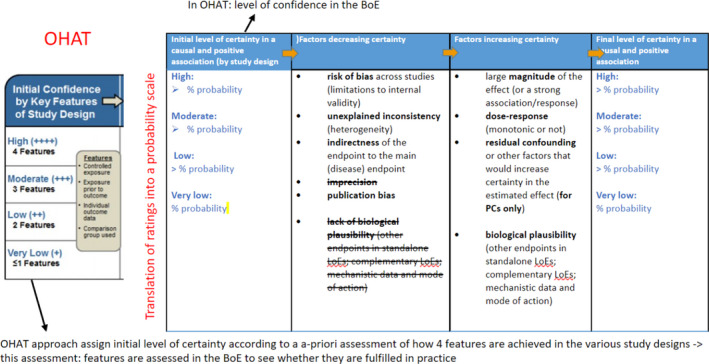
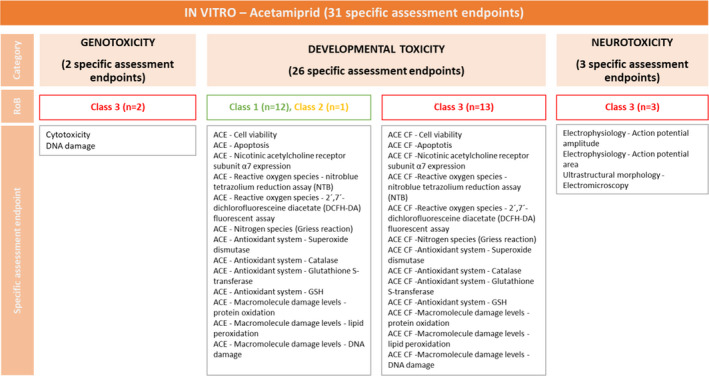
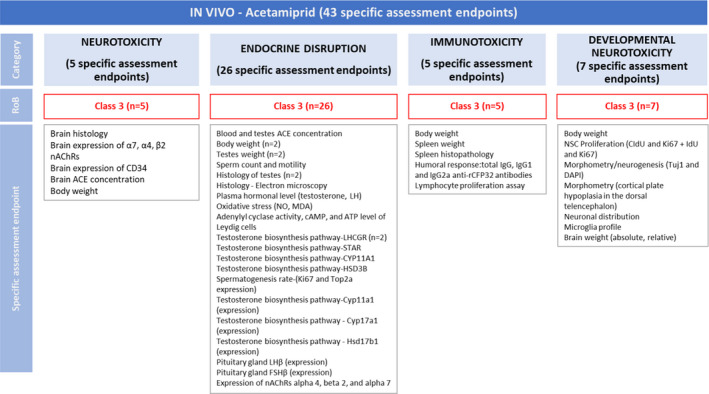
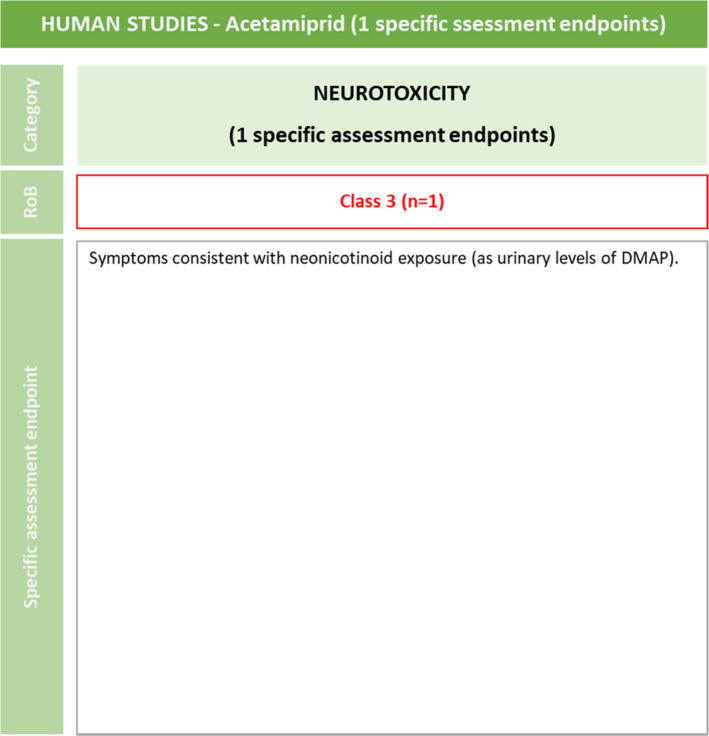
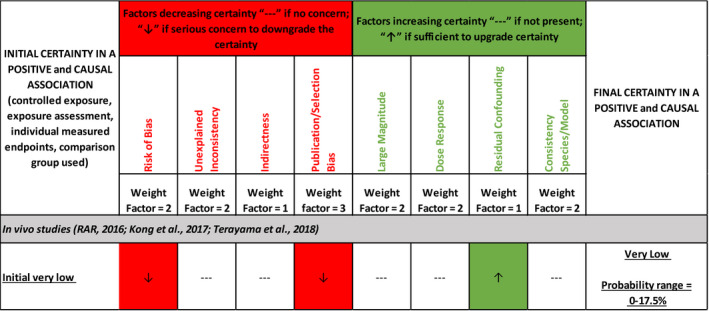
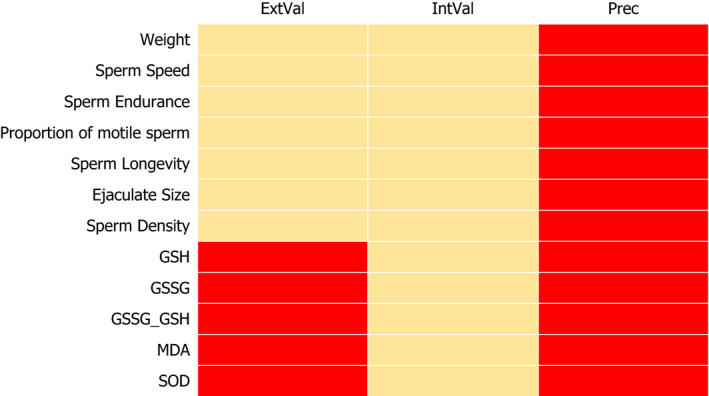
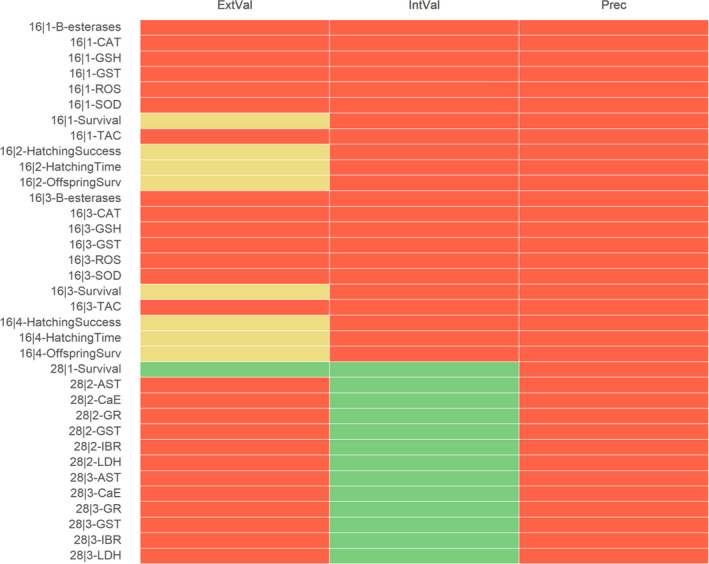
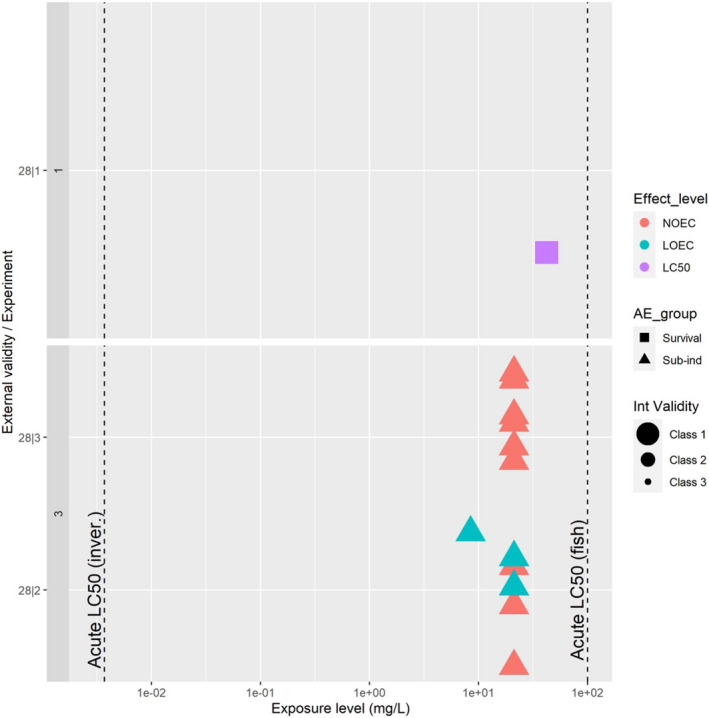
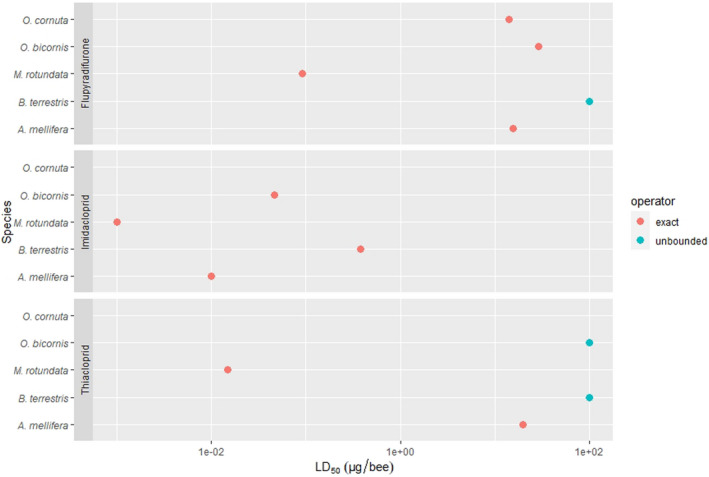
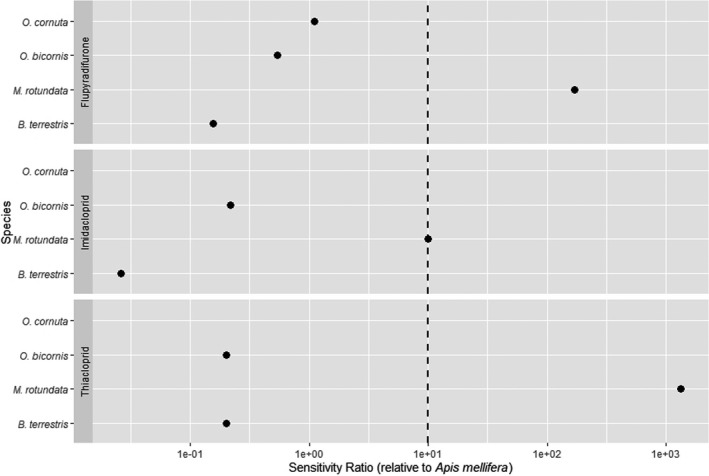
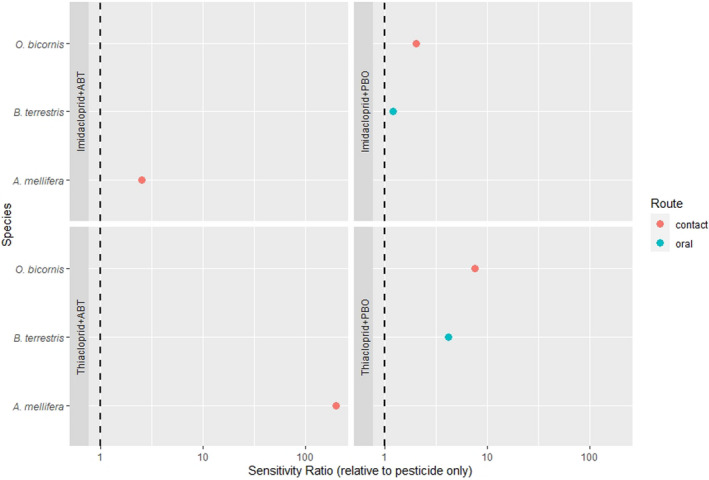
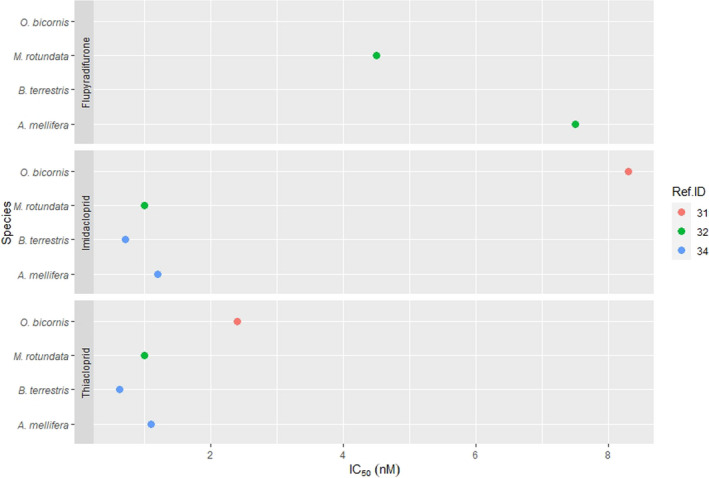
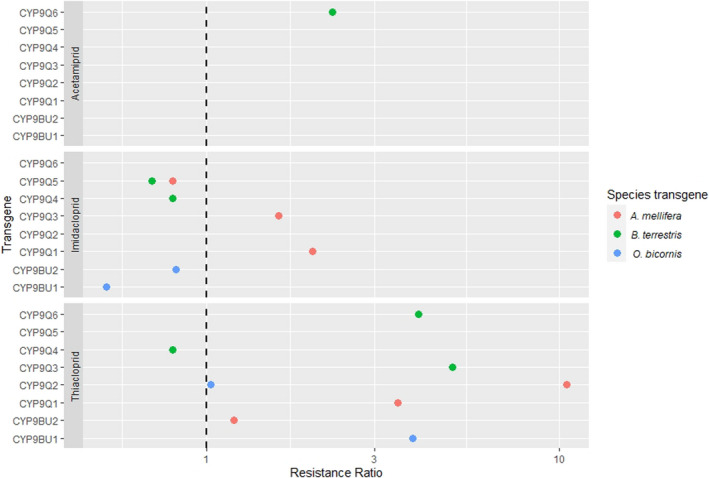
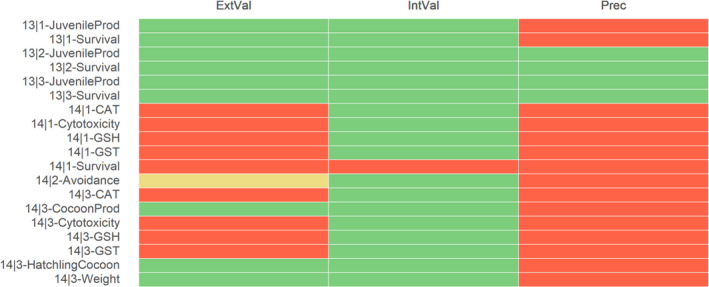
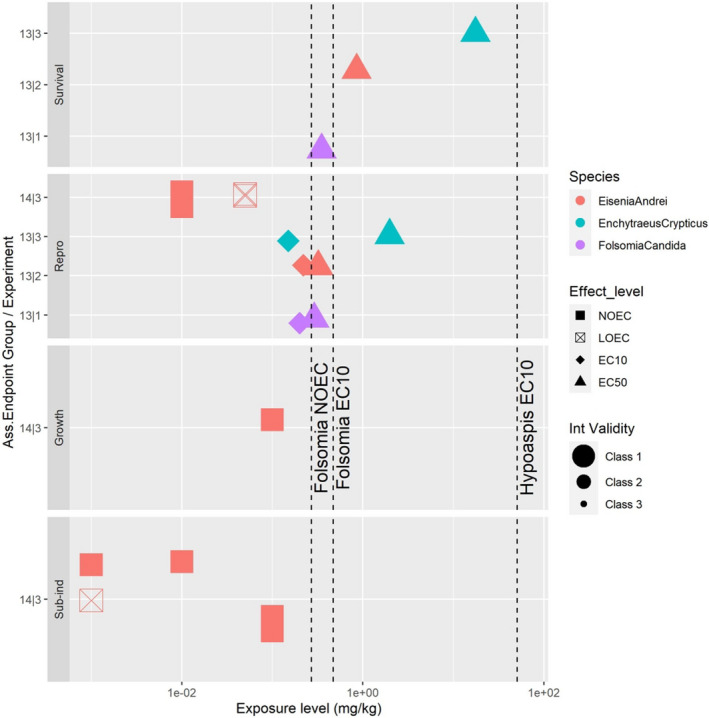
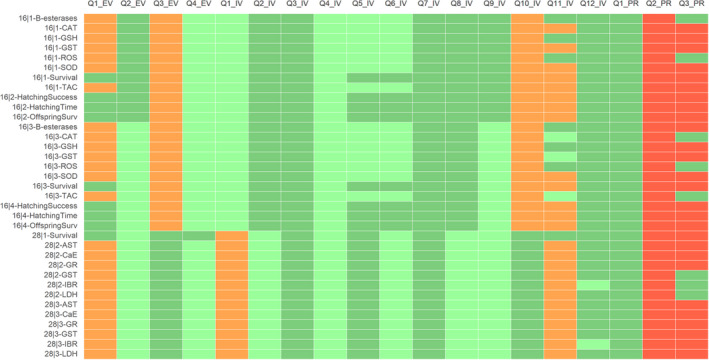
Acetamiprid is a pesticide active substance with insecticidal action currently under the third renewal (AIR3) of the Commission implementing regulation (EU) No 844/2012. Following concerns that this substance may pose high risks to humans and the environment, the French authorities asked the Commission to restrict its uses under Article 69 of Regulation (EC) No 1107/2009. To support this request, competent Authorities from France cited a series of literature papers investigating its hazards and/or exposure to humans and the environment. Consequently, the EFSA PPR Panel was mandated to advise on the likelihood that body of evidence would constitute proof of serious risks to humans or the environment. Therefore, the EFSA PPR Panel evaluated the likelihood of these studies indicating new or higher hazards and exposure to humans and the environment compared to previous EU assessments.A stepwise methodology was designed, including: (i) the initial screening; (ii) the data extraction and critical appraisal based on the principles of OHAT/NTP; (iii) the weight of evidence, including consideration of the previous EU assessments; (iv) the uncertainty analysis, followed, whenever relevant, by an expert knowledge elicitation process. For human health, no conclusive evidence of higher hazards compared to previous assessment was found for genotoxicity, developmental toxicity, neurotoxicity including developmental neurotoxicity and immunotoxicity. However, due to the lack of adequate assessment of the current data set, the PPR Panel recommends conducting an assessment of endocrine disrupting properties for acetamiprid in line with EFSA/ECHA guidance document for the identification of endocrine disruptors. For environment, no conclusive, robust evidence of higher hazards compared to the previous assessment was found for birds, aquatic organisms, bees and soil organisms. However, the potential of high inter-species sensitivity of birds and bees towards acetamiprid requires further consideration.
啶虫脒是一种具有杀虫作用的农药活性物质,目前正处于欧盟委员会实施条例(EU)No 844/2012的第三次续期(AIR3)阶段。由于担心该物质可能对人类和环境构成高风险,法国当局要求欧盟委员会根据条例(EC)No 1107/2009第69条限制其使用。为支持这一请求,法国主管当局引用了一系列调查其对人类和环境危害及/或暴露情况的文献。因此,欧洲食品安全局植物保护产品风险评估小组被授权就该证据是否能证明对人类或环境存在严重风险提供建议。因此,欧洲食品安全局植物保护产品风险评估小组评估了这些研究表明与之前欧盟评估相比对人类和环境有新的或更高危害及暴露的可能性。设计了一种逐步的方法,包括:(i)初步筛选;(ii)根据OHAT/NTP原则进行数据提取和严格评估;(iii)证据权重,包括考虑之前的欧盟评估;(iv)不确定性分析,必要时随后进行专家知识征集过程。对于人类健康,在遗传毒性、发育毒性、神经毒性(包括发育神经毒性)和免疫毒性方面,未发现比之前评估有更高危害的确凿证据。然而,由于缺乏对当前数据集的充分评估,植物保护产品风险评估小组建议根据欧洲食品安全局/欧洲化学品管理局关于识别内分泌干扰物的指导文件,对啶虫脒的内分泌干扰特性进行评估。对于环境,在鸟类、水生生物、蜜蜂和土壤生物方面,未发现比之前评估有更高危害的确凿、有力证据。然而,鸟类和蜜蜂对啶虫脒的种间高敏感性潜力需要进一步考虑。