Brazilian Biorenewables National Laboratory, Brazilian Center for Research in Energy and Materials, Campinas, SP, Brazil.
Graduate Program in Functional and Molecular Biology, Institute of Biology, University of Campinas, Campinas, SP, Brazil.
Nat Commun. 2022 Feb 2;13(1):629. doi: 10.1038/s41467-022-28310-y.
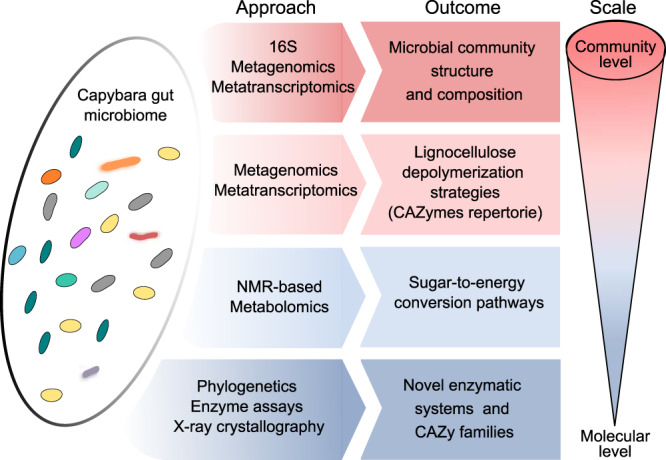
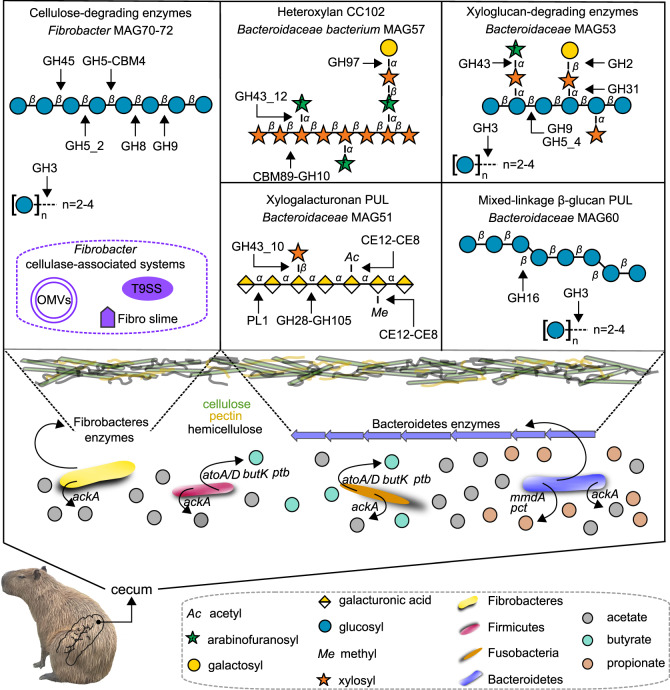
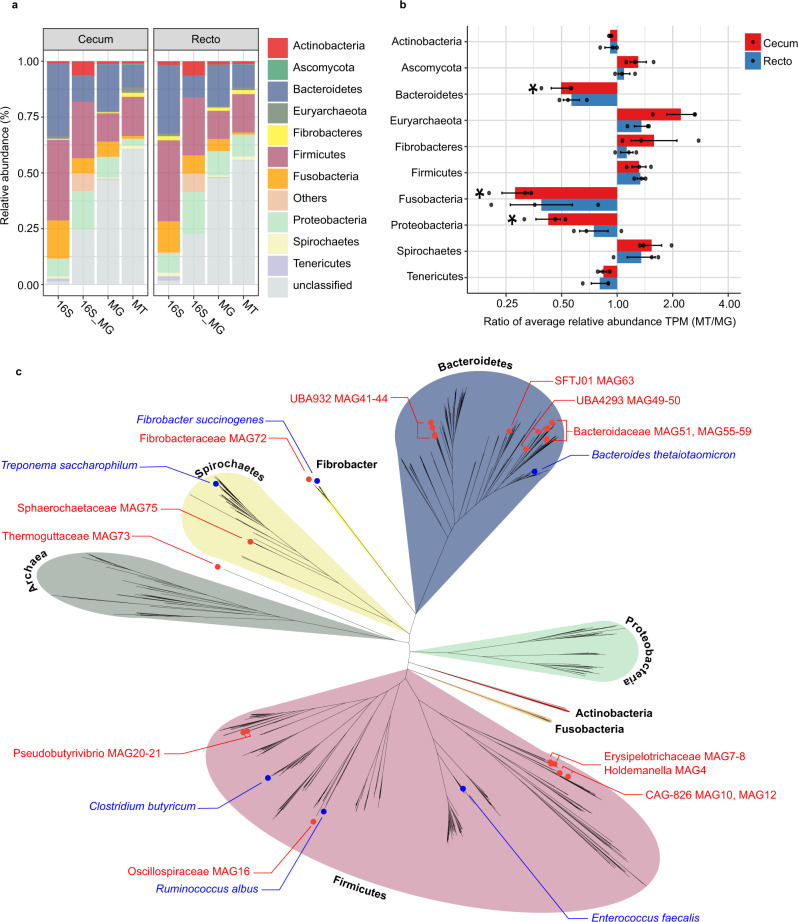
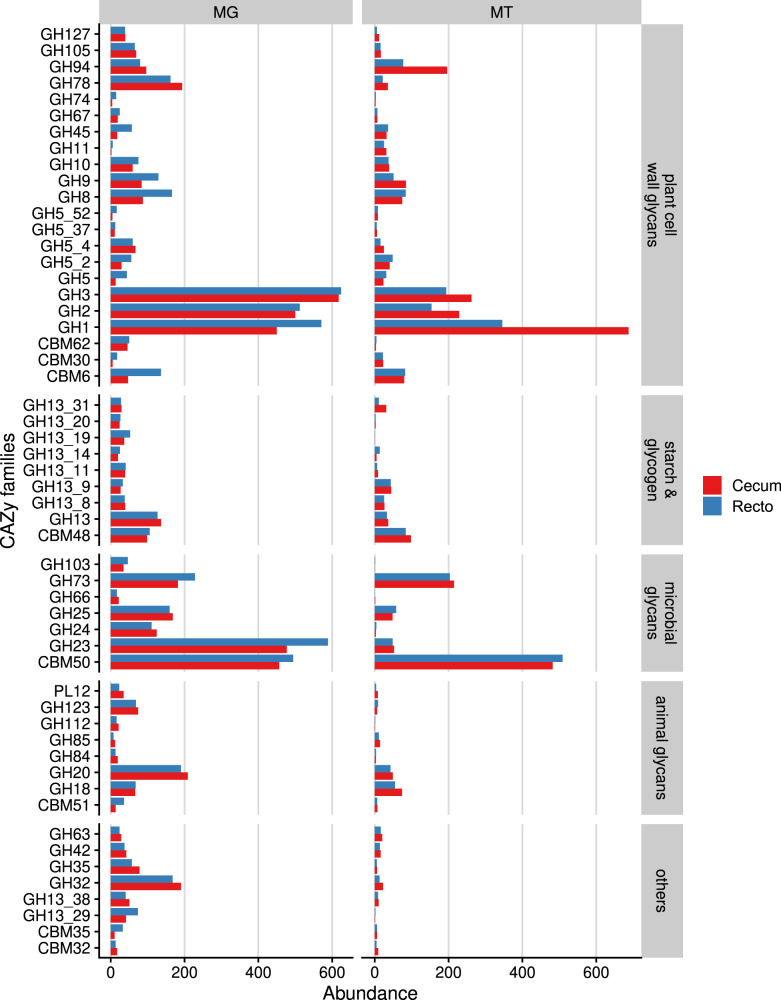
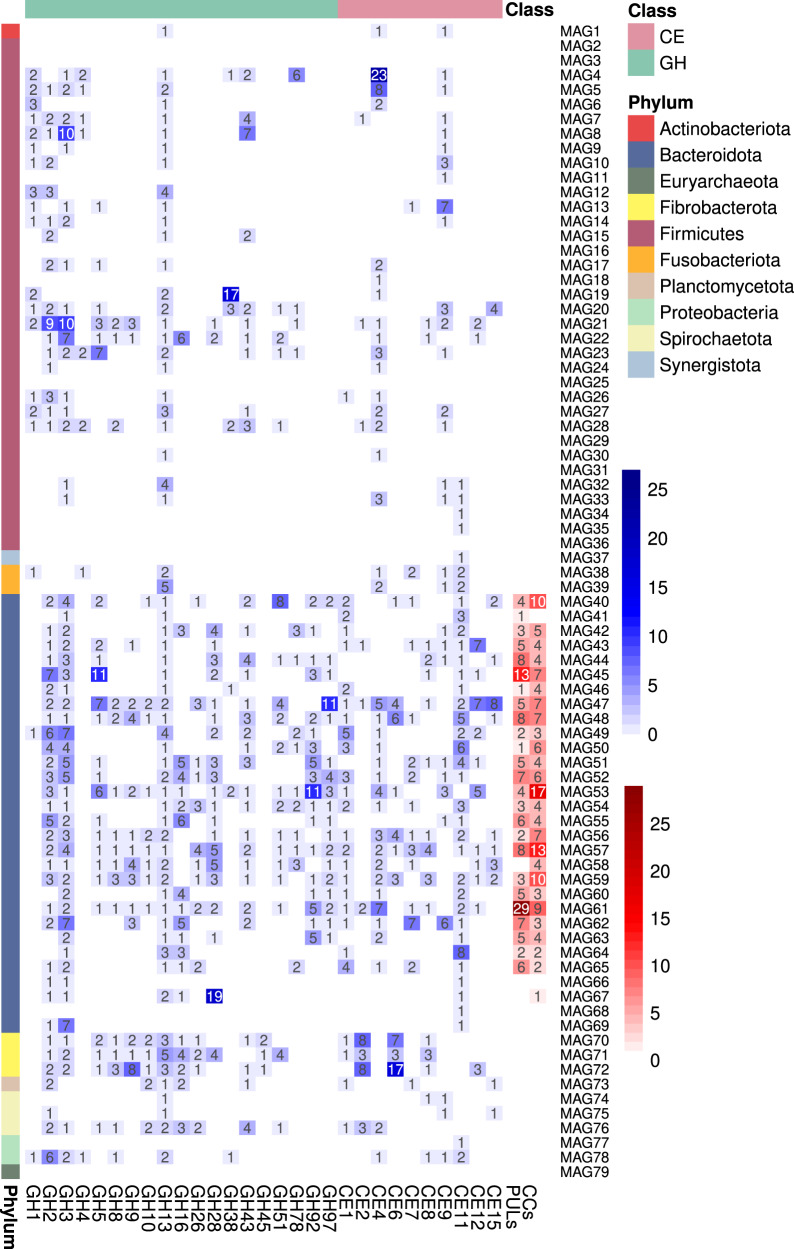
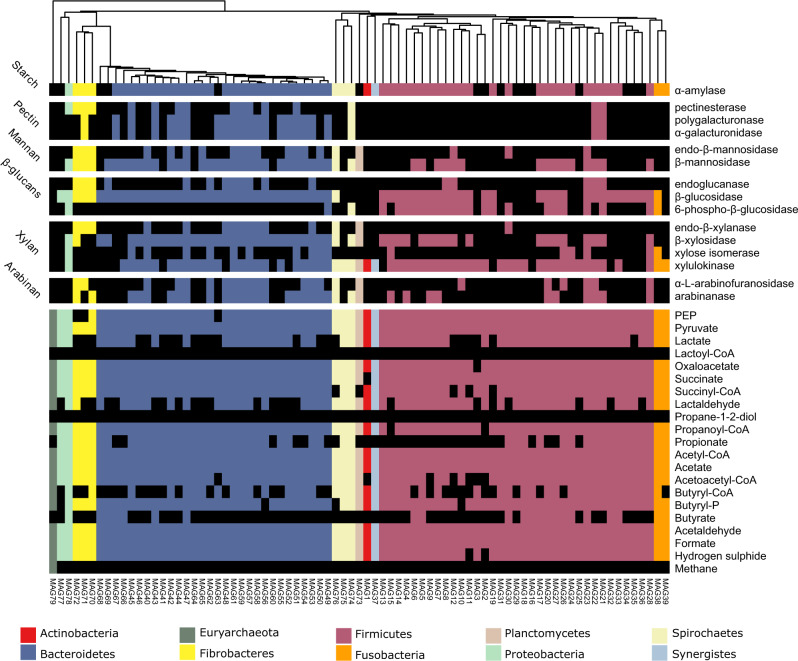
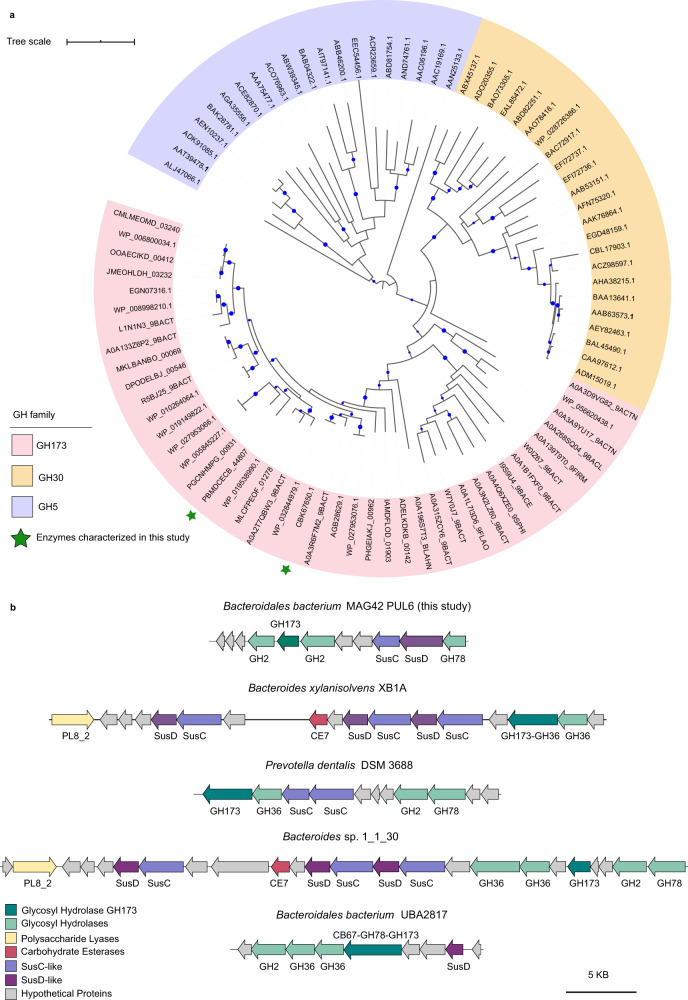
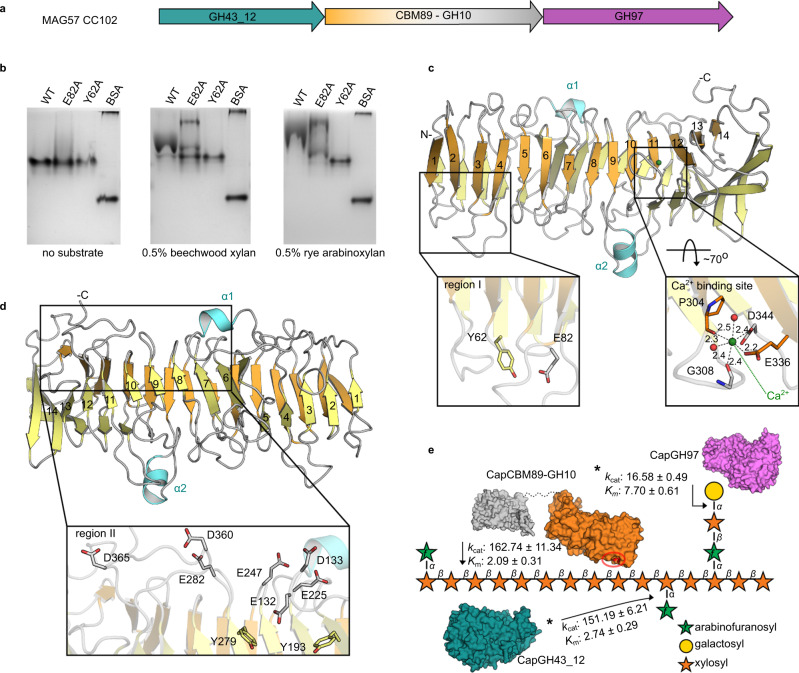
The largest living rodent, capybara, can efficiently depolymerize and utilize lignocellulosic biomass through microbial symbiotic mechanisms yet elusive. Herein, we elucidate the microbial community composition, enzymatic systems and metabolic pathways involved in the conversion of dietary fibers into short-chain fatty acids, a main energy source for the host. In this microbiota, the unconventional enzymatic machinery from Fibrobacteres seems to drive cellulose degradation, whereas a diverse set of carbohydrate-active enzymes from Bacteroidetes, organized in polysaccharide utilization loci, are accounted to tackle complex hemicelluloses typically found in gramineous and aquatic plants. Exploring the genetic potential of this community, we discover a glycoside hydrolase family of β-galactosidases (named as GH173), and a carbohydrate-binding module family (named as CBM89) involved in xylan binding that establishes an unprecedented three-dimensional fold among associated modules to carbohydrate-active enzymes. Together, these results demonstrate how the capybara gut microbiota orchestrates the depolymerization and utilization of plant fibers, representing an untapped reservoir of enzymatic mechanisms to overcome the lignocellulose recalcitrance, a central challenge toward a sustainable and bio-based economy.
最大的活体啮齿动物水豚,能够通过微生物共生机制有效地解聚和利用木质纤维素生物质,但其中的机制仍不明确。本文阐明了参与膳食纤维向短链脂肪酸转化的微生物群落组成、酶系统和代谢途径,短链脂肪酸是宿主的主要能量来源。在该微生物群中,来自纤维杆菌门的非常规酶机制似乎驱动纤维素的降解,而来自拟杆菌门的多种多样的碳水化合物活性酶,组织在多糖利用基因座中,被认为可以处理禾本科和水生植物中常见的复杂半纤维素。通过探索该群落的遗传潜力,我们发现了一个β-半乳糖苷酶家族(命名为 GH173)和一个参与木聚糖结合的碳水化合物结合模块家族(命名为 CBM89),它建立了相关模块之间的前所未有的三维折叠,以连接碳水化合物活性酶。总之,这些结果表明水豚肠道微生物群如何协调植物纤维的解聚和利用,代表了一种未开发的酶机制库,可以克服木质纤维素的顽固性,这是实现可持续和基于生物的经济的核心挑战。