Han Si-Ping, Scherer Lisa, Gethers Matt, Salvador Ane M, Salah Marwa Ben Haj, Mancusi Rebecca, Sagar Sahil, Hu Robin, DeRogatis Julia, Kuo Ya-Huei, Marcucci Guido, Das Saumya, Rossi John J, Goddard William A
Materials and Process Simulation Center, California Institute of Technology, Pasadena, CA 91125, USA.
Department of Molecular and Cellular Biology, City of Hope, Duarte, CA 91010, USA.
Mol Ther Nucleic Acids. 2022 Jan 3;27:797-809. doi: 10.1016/j.omtn.2021.12.039. eCollection 2022 Mar 8.
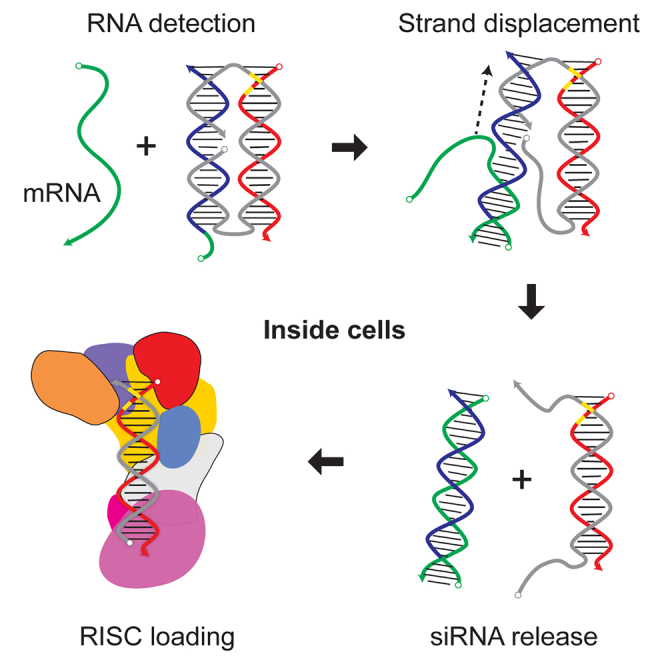
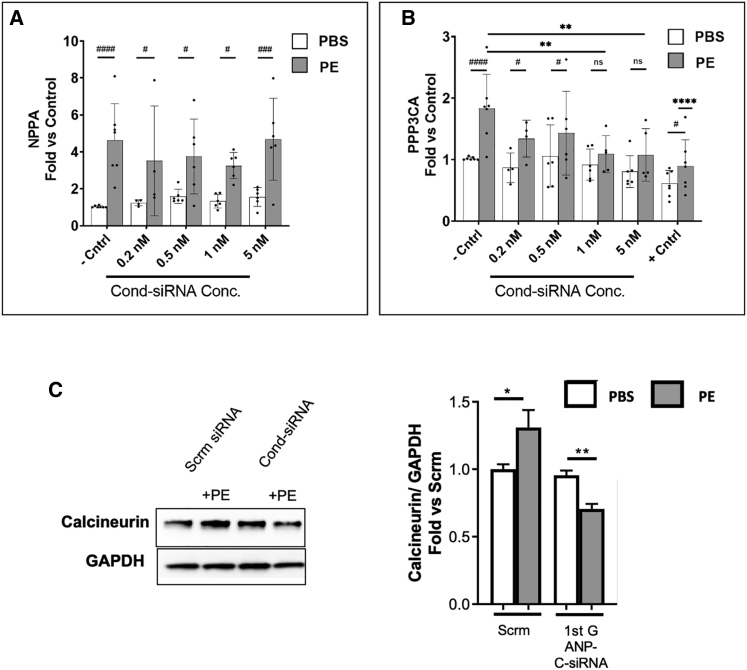
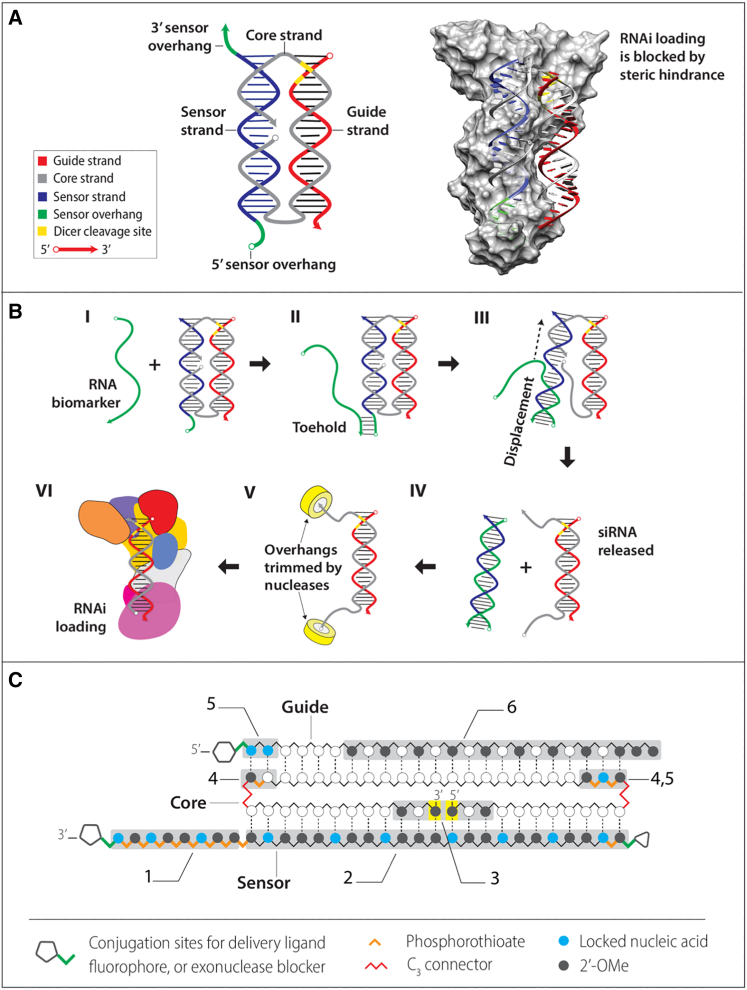
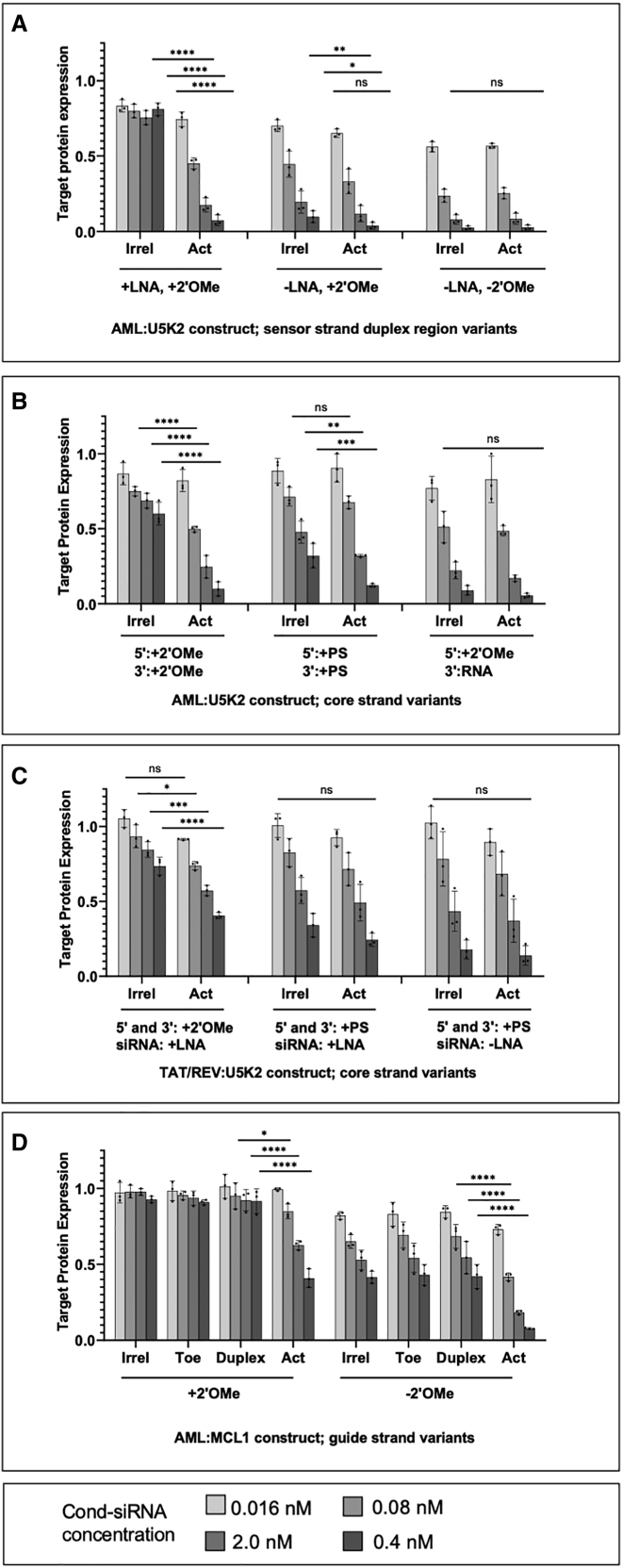
Since Paul Ehrlich's introduction of the "magic bullet" concept in 1908, drug developers have been seeking new ways to target drug activity to diseased cells while limiting effects on normal tissues. In recent years, it has been proposed that coupling riboswitches capable of detecting RNA biomarkers to small interfering RNAs (siRNAs) to create siRNA pro-drugs could selectively activate RNA interference (RNAi) activity in specific cells. However, this concept has not been achieved previously. We report here that we have accomplished this goal, validating a simple and programmable new design that functions reliably in mammalian cells. We show that these conditionally activated siRNAs (Cond-siRNAs) can switch RNAi activity against different targets between clearly distinguished OFF and ON states in response to different cellular RNA biomarkers. Notably, in a rat cardiomyocyte cell line (H9C2), one version of our construct demonstrated biologically meaningful inhibition of a heart-disease-related target gene protein phosphatase 3 catalytic subunit alpha (PPP3CA) in response to increased expression of the pathological marker atrial natriuretic peptide (NPPA) messenger RNA (mRNA). Our results demonstrate the ability of synthetic riboswitches to regulate gene expression in mammalian cells, opening a new path for development of programmable siRNA pro-drugs.
自1908年保罗·埃尔利希提出“神奇子弹”概念以来,药物研发人员一直在寻找新方法,以使药物活性靶向病变细胞,同时限制对正常组织的影响。近年来,有人提出将能够检测RNA生物标志物的核糖开关与小干扰RNA(siRNA)偶联,以创建siRNA前药,从而在特定细胞中选择性激活RNA干扰(RNAi)活性。然而,这一概念此前尚未实现。我们在此报告,我们已实现这一目标,验证了一种简单且可编程的新设计,该设计在哺乳动物细胞中能可靠发挥作用。我们表明,这些条件激活的siRNA(Cond-siRNA)可根据不同的细胞RNA生物标志物,在明显区分的关闭和开启状态之间切换针对不同靶标的RNAi活性。值得注意的是,在大鼠心肌细胞系(H9C2)中,我们构建体的一个版本在病理性标志物心钠素(NPPA)信使RNA(mRNA)表达增加时,对与心脏病相关的靶标基因蛋白磷酸酶3催化亚基α(PPP3CA)表现出具有生物学意义的抑制作用。我们的结果证明了合成核糖开关在哺乳动物细胞中调节基因表达的能力,为可编程siRNA前药的开发开辟了一条新途径。