Bao Minglong, Liang Mei, Sun Xinyi, Mohyuddin Sahar Ghulam, Chen Shengwei, Wen Jiaying, Yong Yanhong, Ma Xingbin, Yu Zhichao, Ju Xianghong, Liu Xiaoxi
Department of Veterinary Medicine, College of Coastal Agricultural Sciences, Guangdong Ocean University, Zhanjiang, China.
Front Vet Sci. 2022 Jan 25;8:808233. doi: 10.3389/fvets.2021.808233. eCollection 2021.
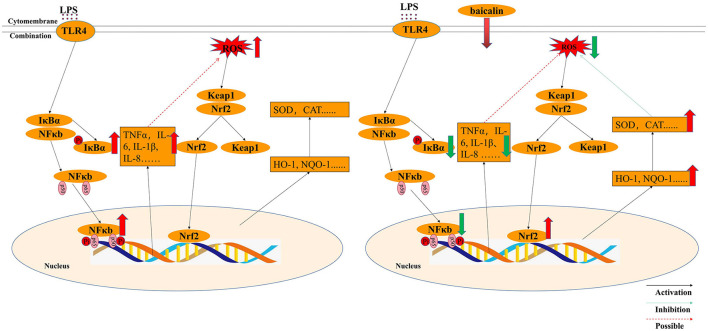
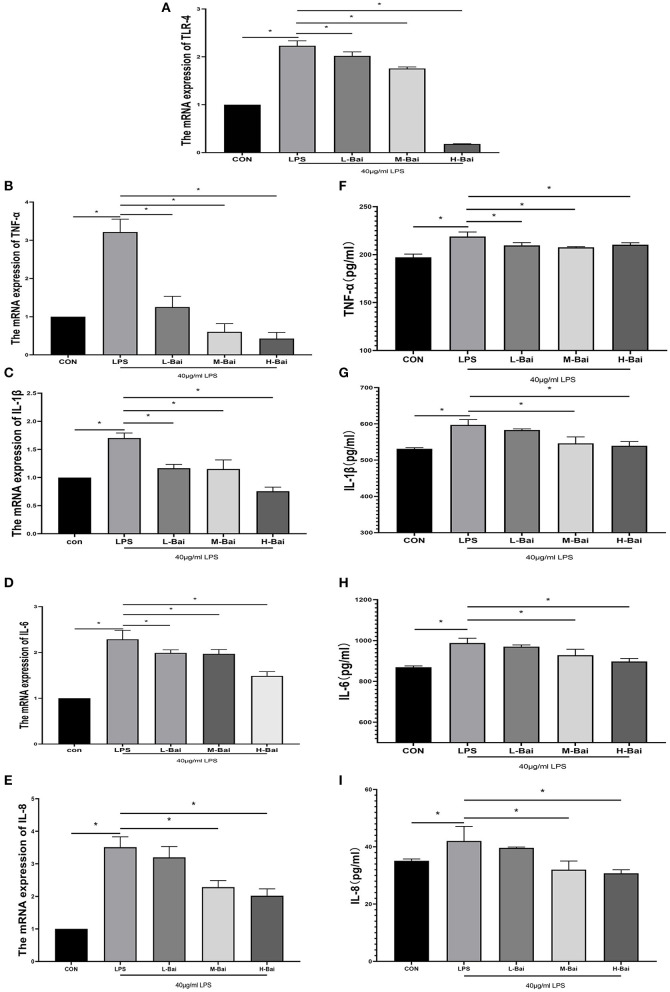
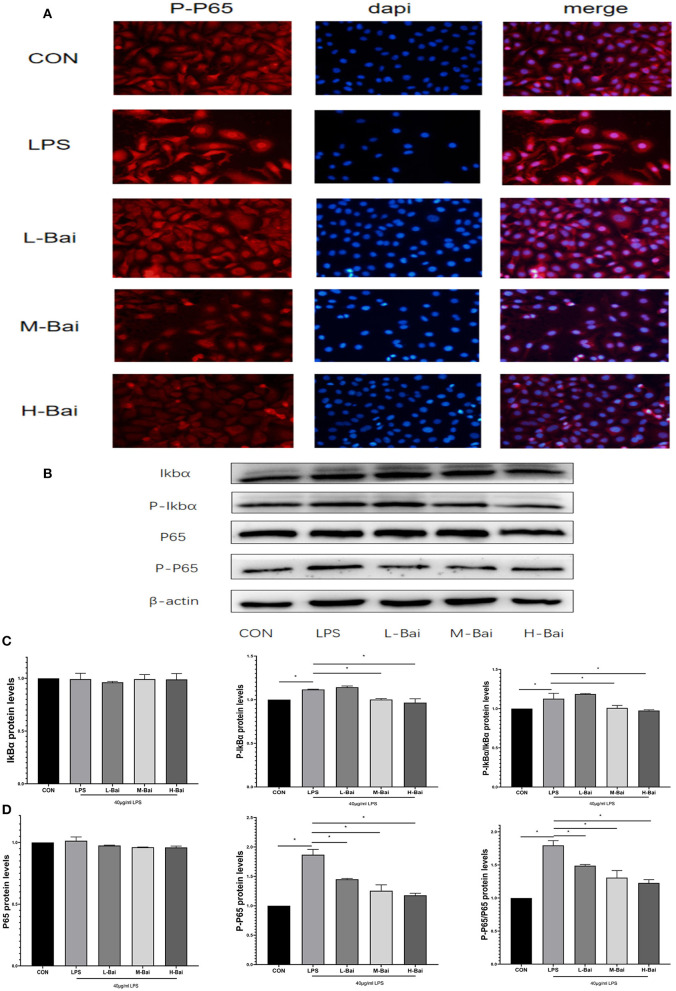
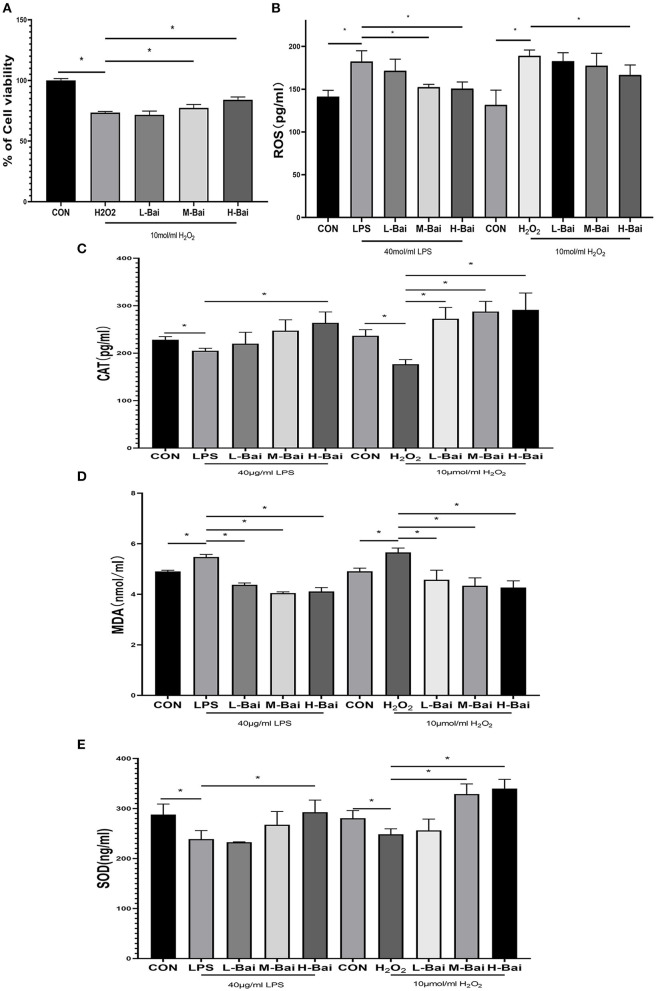
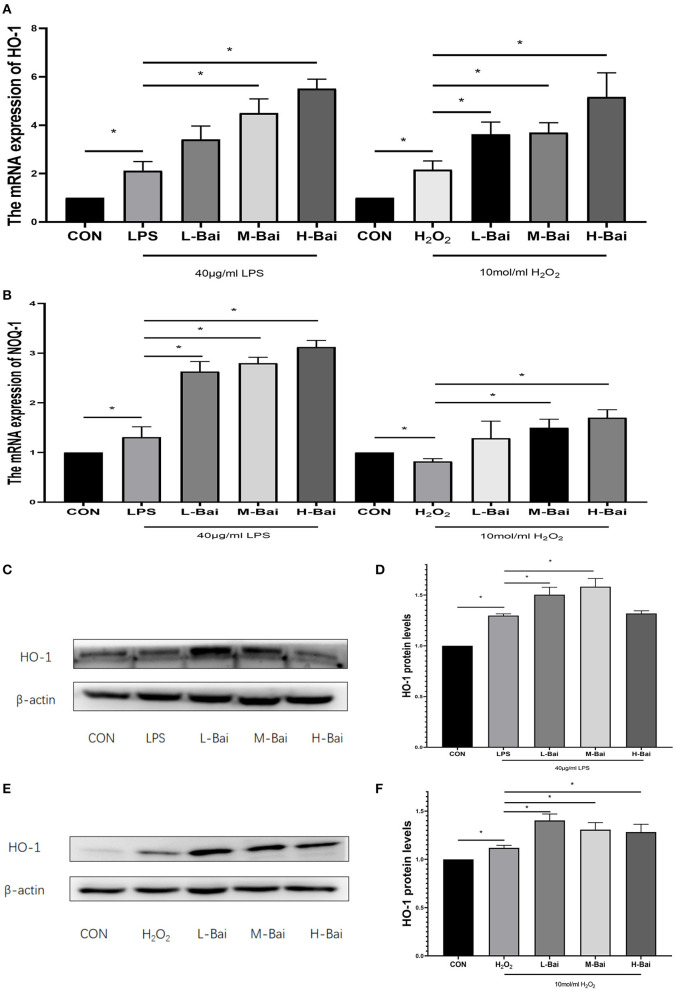
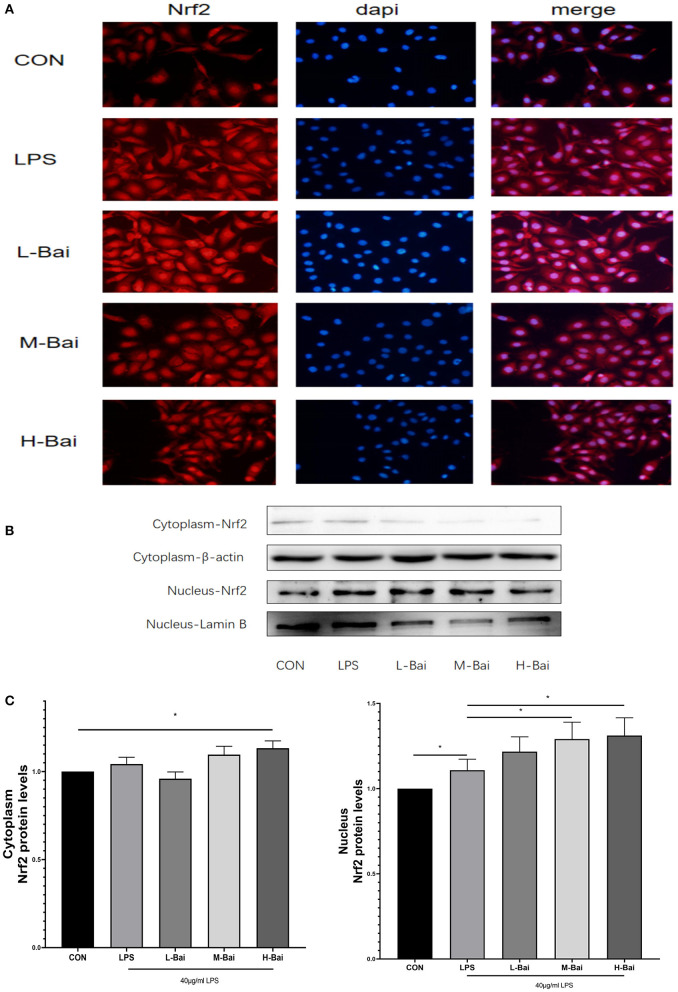
Baicalin is a natural plant extract with anti-inflammatory and anti-oxidant activities. However, the molecular mechanism of baicalin on oxidative stress in IPEC-J2 cells exposed to LPS remains to be unclear. In this study, LPS stimulation significantly increased Toll-like receptor 4, tumor necrosis factor-α, and interleukins (IL-6 and IL-1β) expression in IPEC-J2 cells, and it activated the nuclear factor (NF-κB) expression. While, baicalin exerted anti-inflammatory effects by inhibiting NF-κB signaling pathway. LPS stimulation significantly increased the levels of the oxidative stress marker MDA, inhibited the anti-oxidant enzymes catalase and superoxide dismutase, which were all reversed by baicalin pre-treatment. It was found that baicalin treatment activated the nuclear import of nuclear factor-erythroid 2 related factor 2 (Nrf2) protein, and significantly increased the mRNA and protein expression of its downstream anti-oxidant factors such as heme oxygenase-1 and quinone oxidoreductase-1, which suggested that baicalin exerted anti-oxidant effects by activating the Nrf2-HO1 signaling pathway. Thus, pretreatment with baicalin inhibited LPS - induced oxidative stress and protected the normal physiological function of IPEC-J2 cells via NF-κB and Nrf2-HO1 signaling pathways.
黄芩苷是一种具有抗炎和抗氧化活性的天然植物提取物。然而,黄芩苷对暴露于脂多糖(LPS)的IPEC-J2细胞氧化应激的分子机制仍不清楚。在本研究中,LPS刺激显著增加了IPEC-J2细胞中Toll样受体4、肿瘤坏死因子-α和白细胞介素(IL-6和IL-1β)的表达,并激活了核因子(NF-κB)的表达。而黄芩苷通过抑制NF-κB信号通路发挥抗炎作用。LPS刺激显著增加了氧化应激标志物丙二醛(MDA)的水平,抑制了抗氧化酶过氧化氢酶和超氧化物歧化酶,而黄芩苷预处理可逆转这些变化。研究发现,黄芩苷处理激活了核因子红系2相关因子2(Nrf2)蛋白的核输入,并显著增加了其下游抗氧化因子如血红素加氧酶-1和醌氧化还原酶-1的mRNA和蛋白表达,这表明黄芩苷通过激活Nrf2-HO1信号通路发挥抗氧化作用。因此,黄芩苷预处理通过NF-κB和Nrf2-HO-1信号通路抑制LPS诱导的氧化应激,保护IPEC-J2细胞的正常生理功能。