College of Agronomy and Biotechnology, Yunnan Agricultural University, 52 Fengyuan Road, Kunming 650051, China.
Molecules. 2022 Jan 25;27(3):771. doi: 10.3390/molecules27030771.
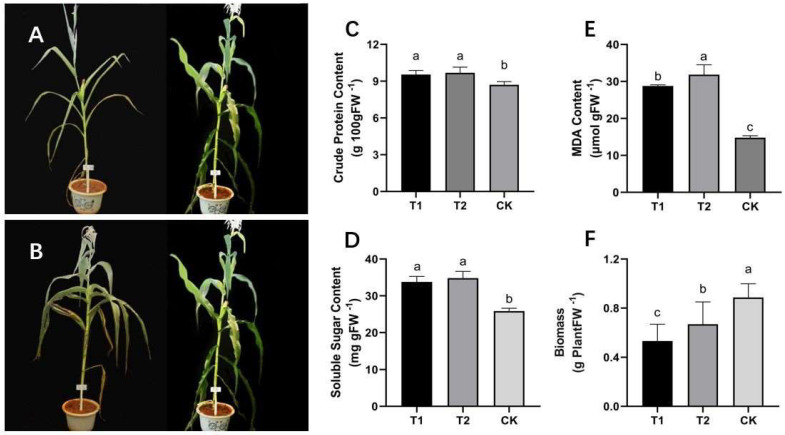
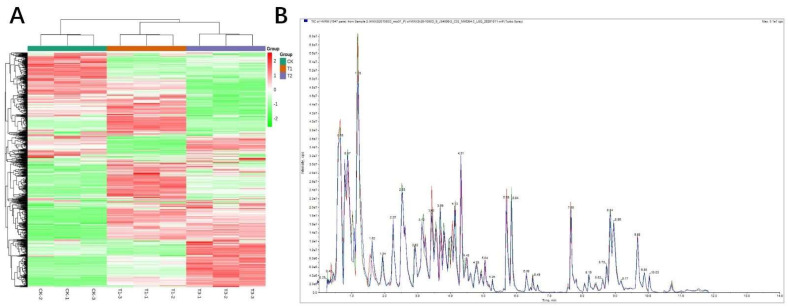
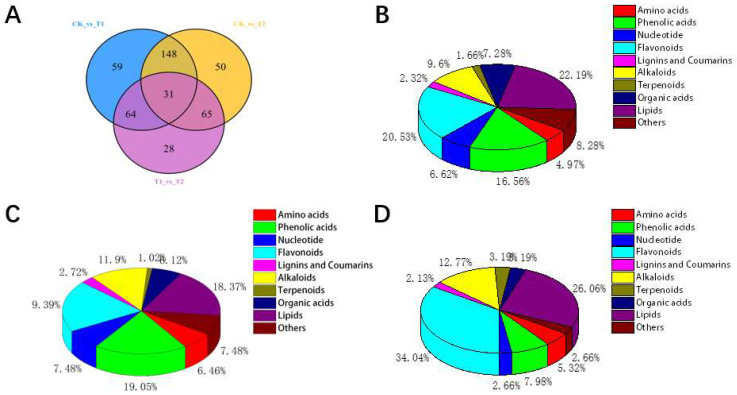
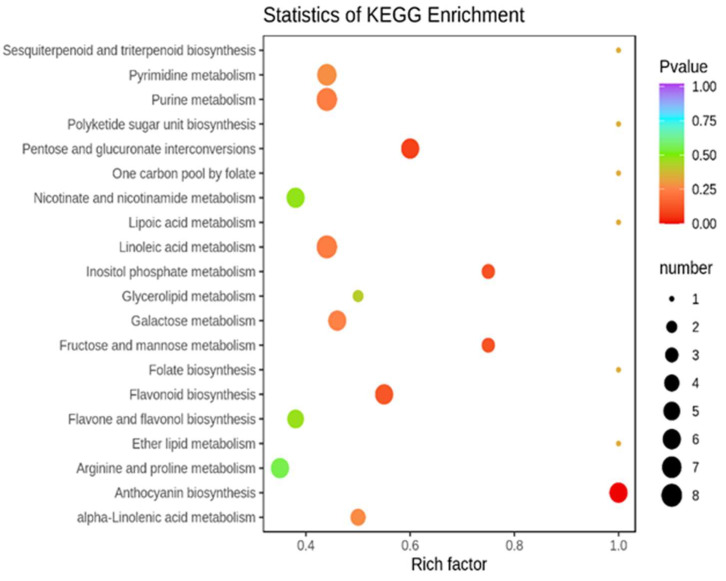
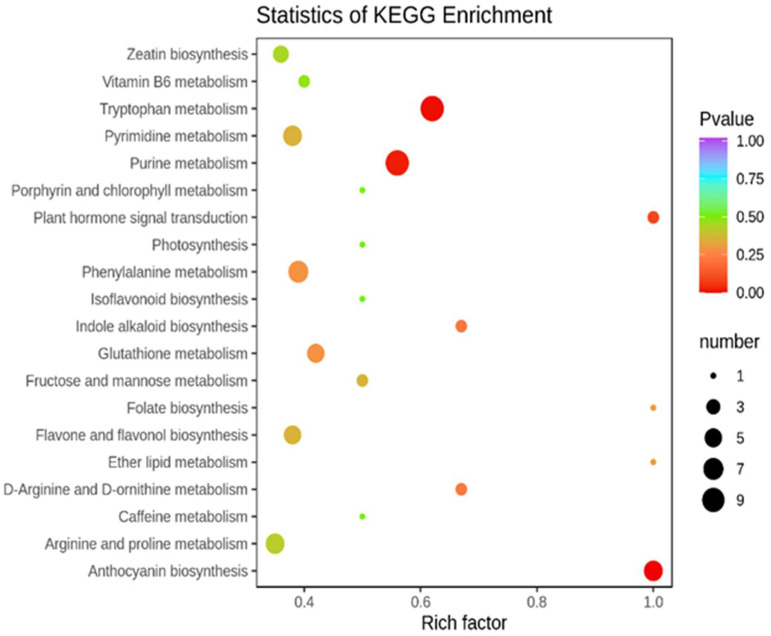
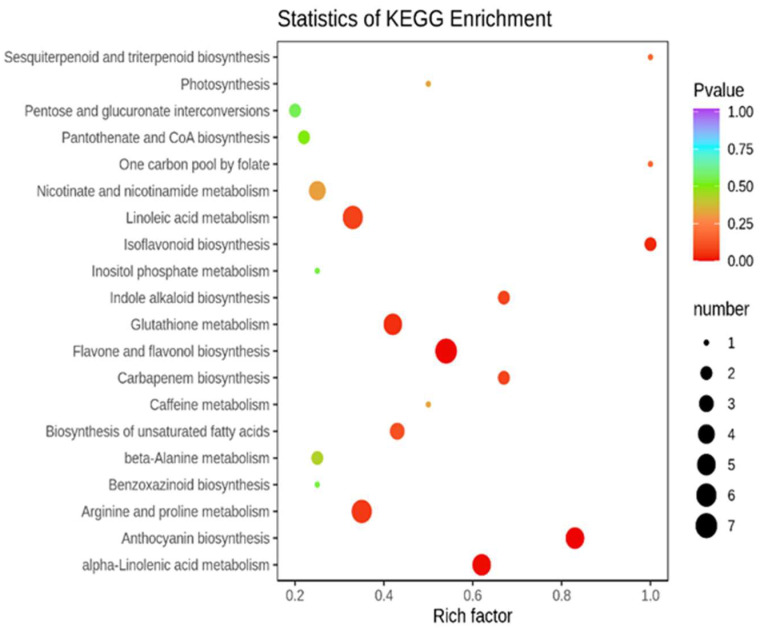
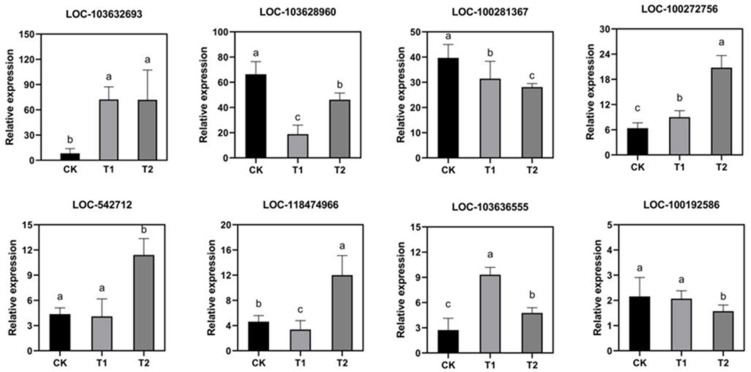
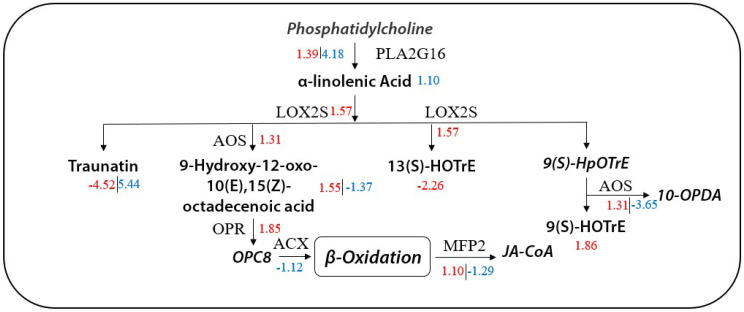
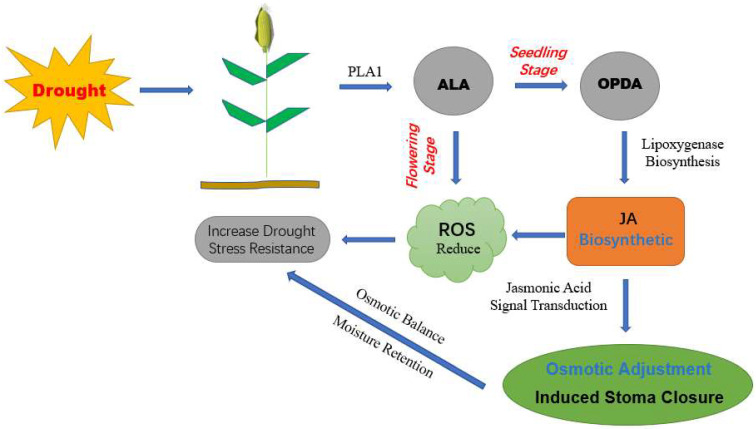
Water shortage caused by long-term drought is one of the most serious abiotic stress factors in maize. Different drought conditions lead to differences in growth, development, and metabolism of maize. In previous studies, proteomics and genomics methods have been widely used to explain the response mechanism of maize to long-term drought, but there are only a few articles related to metabolomics. In this study, we used transcriptome and metabolomics analysis to characterize the differential effects of drought stress imposed at seedling or flowering stages on maize. Through the association analysis of genes and metabolites, we found that maize leaves had 61 and 54 enriched pathways under seedling drought and flowering drought, respectively, of which 13 and 11 were significant key pathways, mostly related to the biosynthesis of flavonoids and phenylpropanes, glutathione metabolism and purine metabolism. Interestingly, we found that the α-linolenic acid metabolic pathway differed significantly between the two treatments, and a total of 10 differentially expressed genes and five differentially abundant metabolites have been identified in this pathway. Some differential accumulation of metabolites (DAMs) was related to synthesis of jasmonic acid, which may be one of the key pathways underpinning maize response to different types of long-term drought. In general, metabolomics provides a new method for the study of water stress in maize and lays a theoretical foundation for drought-resistant cultivation of silage maize.
长期干旱导致的水资源短缺是玉米最严重的非生物胁迫因素之一。不同的干旱条件导致玉米的生长、发育和代谢存在差异。在以前的研究中,蛋白质组学和基因组学方法被广泛用于解释玉米对长期干旱的响应机制,但与代谢组学相关的文章却很少。在这项研究中,我们使用转录组学和代谢组学分析来描述幼苗期和花期干旱胁迫对玉米的差异影响。通过基因和代谢物的关联分析,我们发现玉米叶片在幼苗干旱和花期干旱下分别有 61 和 54 个富集途径,其中 13 和 11 个是显著的关键途径,主要与类黄酮和苯丙烷的生物合成、谷胱甘肽代谢和嘌呤代谢有关。有趣的是,我们发现这两种处理方式下α-亚麻酸代谢途径有显著差异,该途径共鉴定出 10 个差异表达基因和 5 个差异丰度代谢物。一些差异积累代谢物(DAMs)与茉莉酸的合成有关,这可能是玉米对不同类型长期干旱响应的关键途径之一。总的来说,代谢组学为研究玉米水分胁迫提供了一种新方法,为青贮玉米的抗旱栽培奠定了理论基础。