Sun Shuya, Zhang Guanran, Zhang Litao
Graduate School, Tianjin Medical University, Tianjin, China.
Key Laboratory for Experimental Teratology of Ministry of Education, Department of Histology and Embryology, School of Basic Medical Sciences, Shandong University, Jinan, China.
Front Cell Dev Biol. 2022 Feb 3;9:790047. doi: 10.3389/fcell.2021.790047. eCollection 2021.
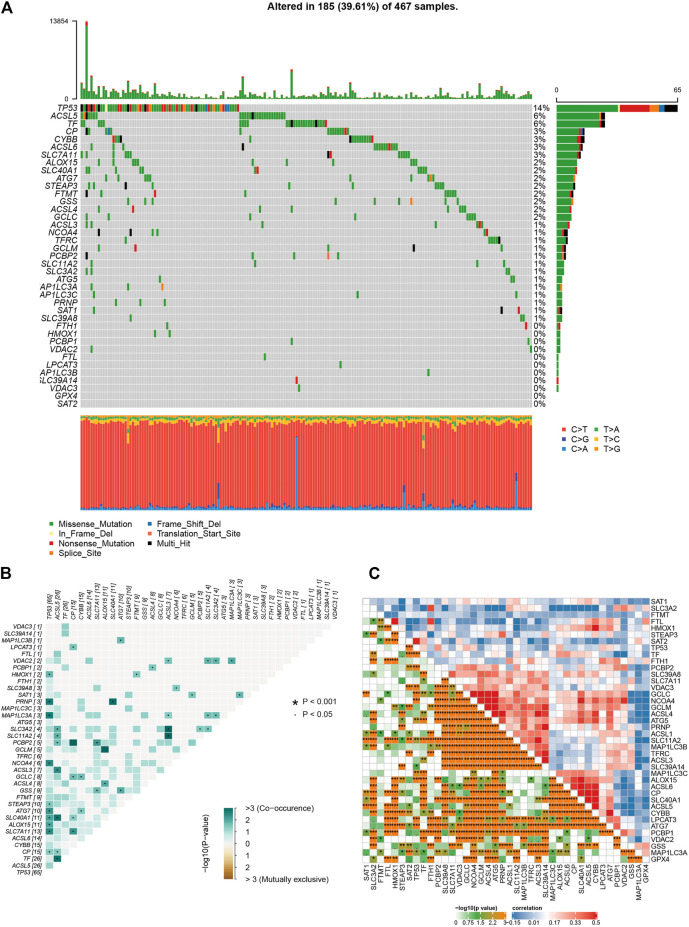
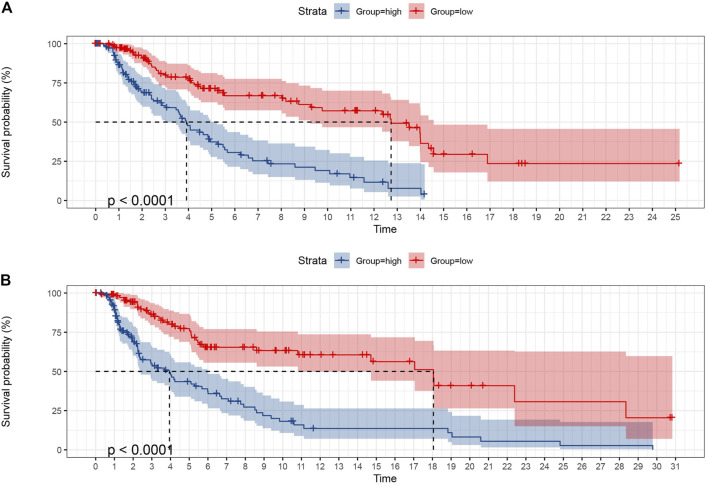
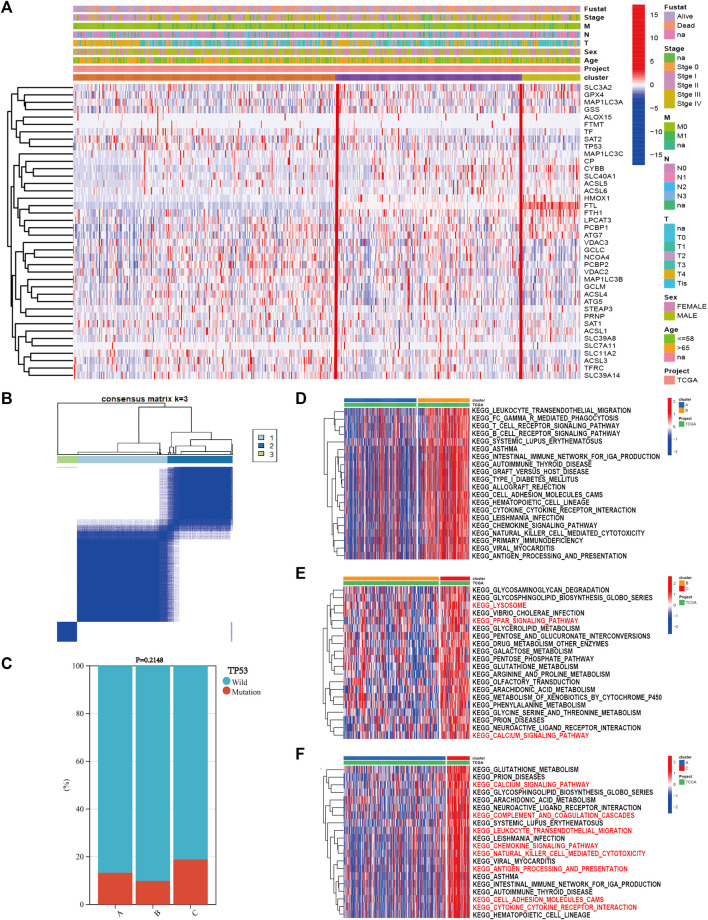
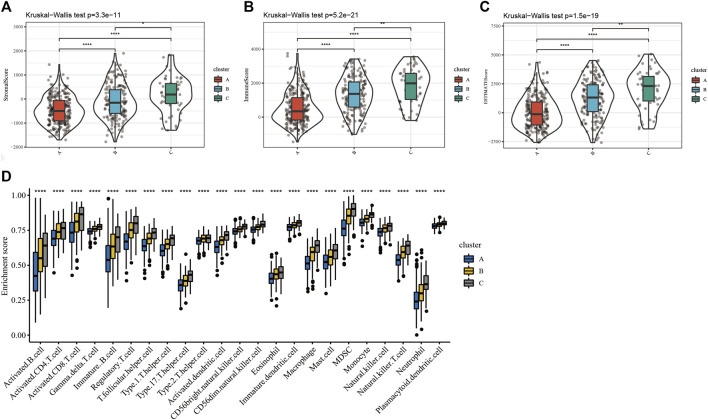
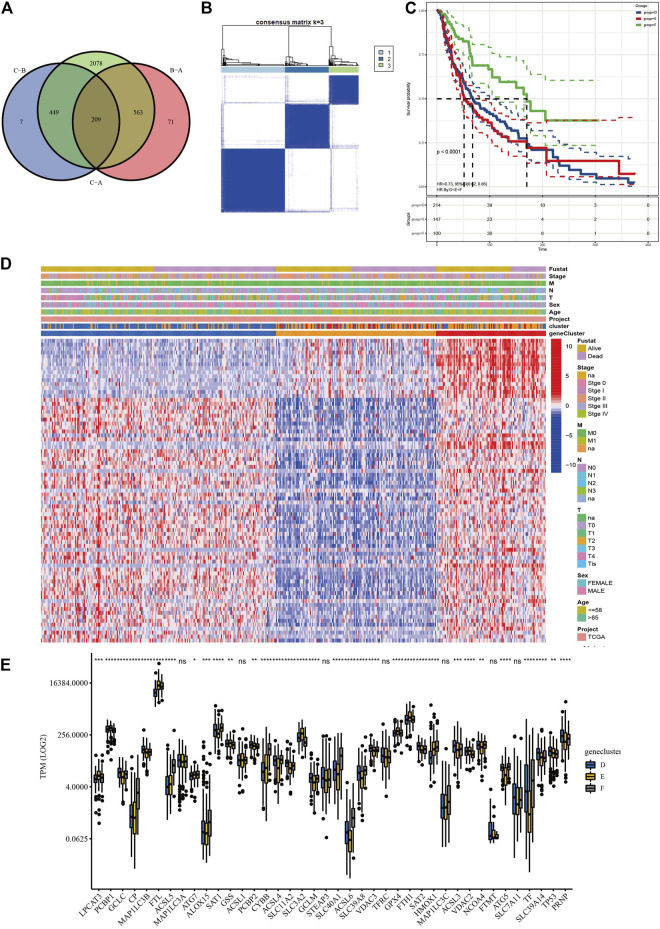
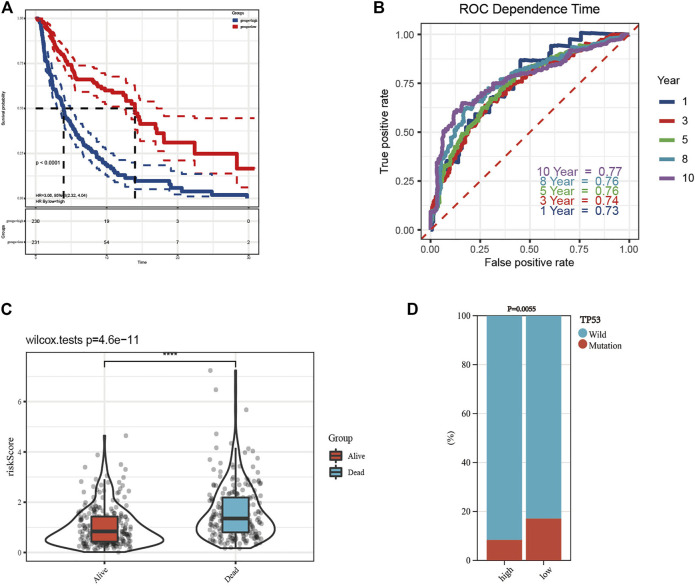
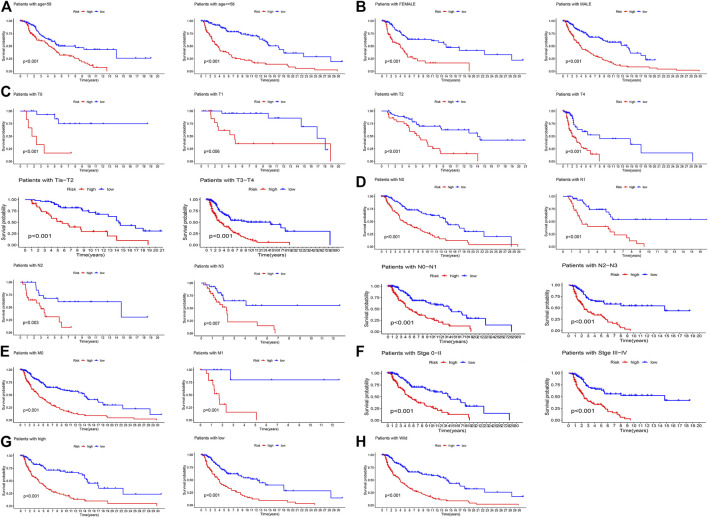
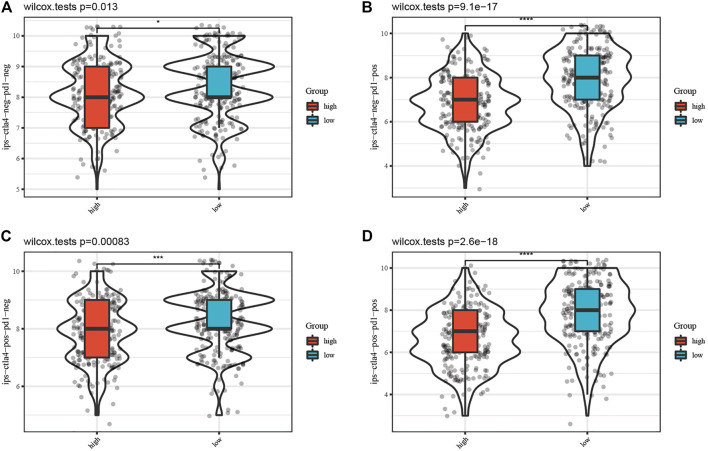
Skin cutaneous melanoma (SKCM) is an aggressive malignant skin tumor. Ferroptosis is an iron-dependent cell death that may mobilize tumor-infiltrating immunity against cancer. The potential mechanism of long non-coding RNAs (lncRNAs) in ferroptosis in SKCM is not clear. In this study, the prognostic and treatment value of ferroptosis-related lncRNAs was explored in SKCM, and a prognostic model was established. We first explored the mutation state of ferroptosis-related genes in SKCM samples from The Cancer Genome Atlas database. Then, we utilized consensus clustering analysis to divide the samples into three clusters based on gene expression and evaluated their immune infiltration using gene-set enrichment analysis (GSEA) ESTIMATE and single-sample gene-set enrichment analysis (ssGSEA) algorithms. In addition, we applied univariate Cox analysis to screen prognostic lncRNAs and then validated their prognostic value by Kaplan-Meier (K-M) and transcripts per kilobase million (TPM) value analyses. Finally, we constructed an 18-ferroptosis-related lncRNA prognostic model by multivariate Cox analysis, and SKCM patients were allocated into different risk groups based on the median risk score. The prognostic value of the model was evaluated by K-M and time-dependent receiver operating characteristic (ROC) analyses. Additionally, the immunophenoscore (IPS) in different risk groups was detected. The top three mutated ferroptosis genes were TP53, ACSL5, and TF. The SKCM patients in the cluster C had the highest ferroptosis-related gene expression with the richest immune infiltration. Based on the 18 prognosis-related lncRNAs, we constructed a prognostic model of SKCM patients. Patients at low risk had a better prognosis and higher IPS. Our findings revealed that ferroptosis-related lncRNAs were expected to become potential biomarkers and indicators of prognosis and immunotherapy treatment targets of SKCM.
皮肤黑色素瘤(SKCM)是一种侵袭性恶性皮肤肿瘤。铁死亡是一种铁依赖性细胞死亡,可能会调动肿瘤浸润性免疫来对抗癌症。长链非编码RNA(lncRNAs)在SKCM铁死亡中的潜在机制尚不清楚。在本研究中,探讨了铁死亡相关lncRNAs在SKCM中的预后和治疗价值,并建立了一个预后模型。我们首先从癌症基因组图谱数据库中探索了SKCM样本中铁死亡相关基因的突变状态。然后,我们利用一致性聚类分析根据基因表达将样本分为三个簇,并使用基因集富集分析(GSEA)、ESTIMATE和单样本基因集富集分析(ssGSEA)算法评估它们的免疫浸润情况。此外,我们应用单变量Cox分析来筛选预后lncRNAs,然后通过Kaplan-Meier(K-M)分析和每百万碱基转录本(TPM)值分析来验证它们的预后价值。最后,我们通过多变量Cox分析构建了一个由18个铁死亡相关lncRNA组成的预后模型,并根据中位风险评分将SKCM患者分为不同的风险组。通过K-M分析和时间依赖性受试者工作特征(ROC)分析评估了该模型的预后价值。此外,还检测了不同风险组中的免疫表型评分(IPS)。铁死亡相关基因的前三位突变基因是TP53、ACSL5和TF。C簇中的SKCM患者具有最高的铁死亡相关基因表达和最丰富的免疫浸润。基于这18个预后相关lncRNAs,我们构建了SKCM患者的预后模型。低风险患者预后较好且IPS较高。我们的研究结果表明,铁死亡相关lncRNAs有望成为SKCM潜在的生物标志物、预后指标和免疫治疗靶点。