Pilch Wanda, Piotrowska Anna, Wyrostek Joanna, Czerwińska-Ledwig Olga, Ziemann Ewa, Antosiewicz Jędrzej, Zasada Mariusz, Kulesa-Mrowiecka Małgorzata, Żychowska Małgorzata
Faculty of Physiotherapy, Institute for Basic Sciences, University of Physical Education, 31-571 Krakow, Poland.
Institute of Physical Culture, State University of Applied Sciences, 33-300 Nowy Sacz, Poland.
Biomedicines. 2022 Jan 26;10(2):269. doi: 10.3390/biomedicines10020269.
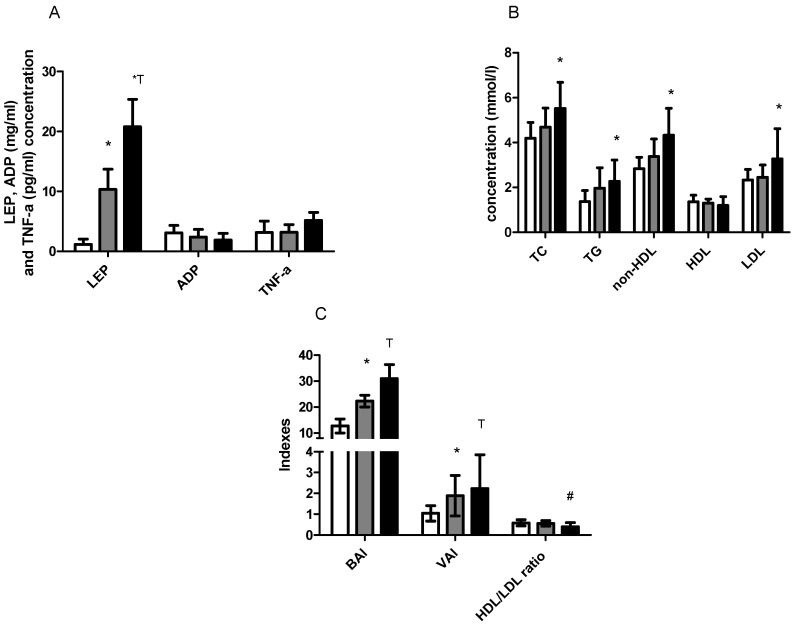
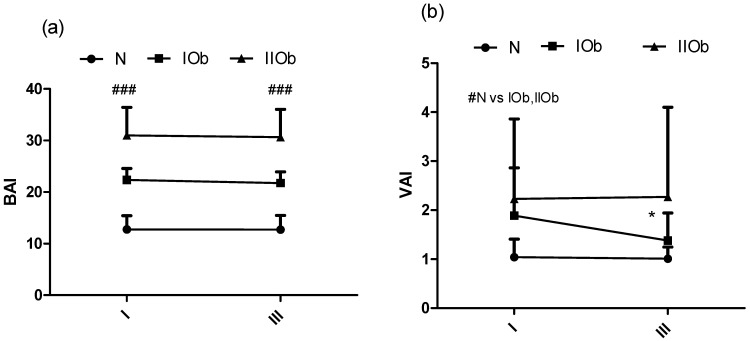
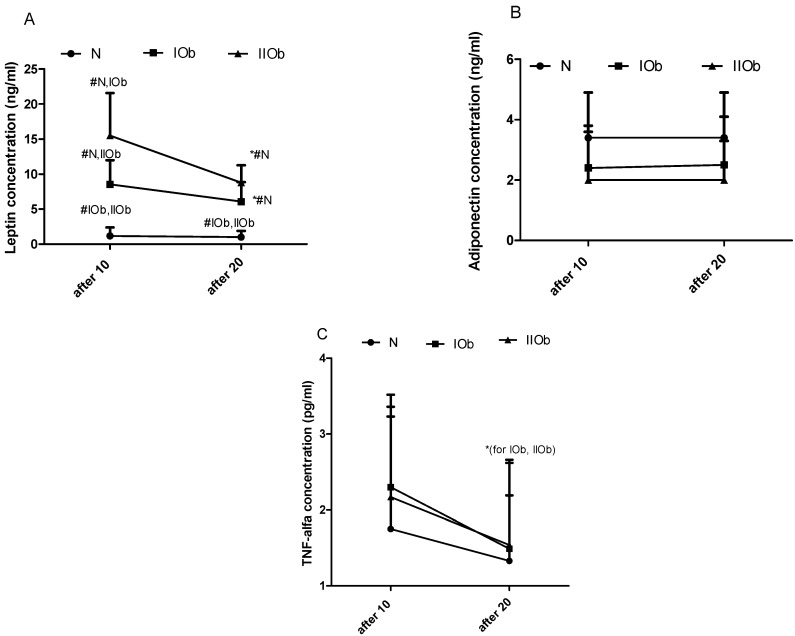
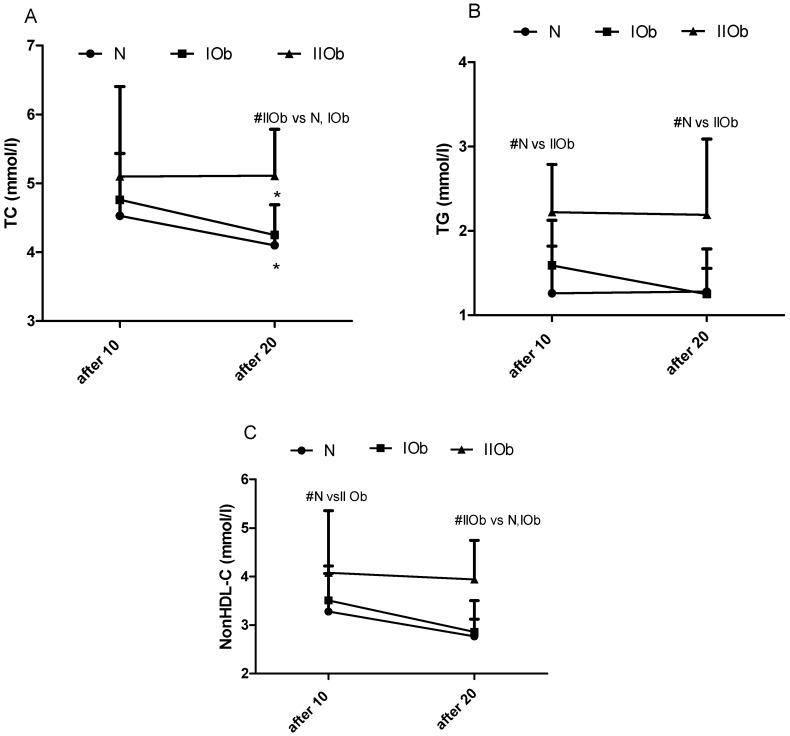
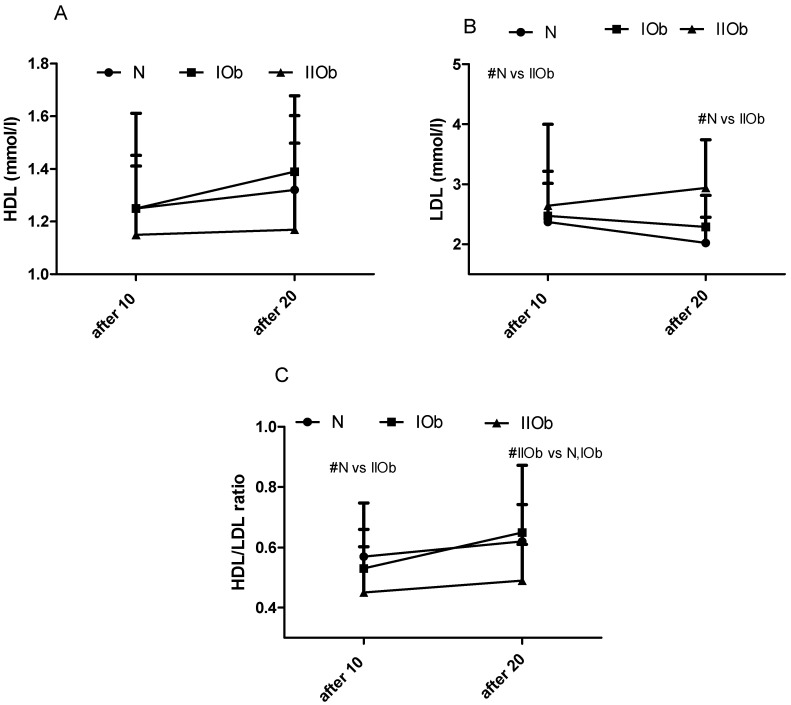
Obesity is associated with chronic inflammation. While cold therapy influences the pro/antioxidative status of an individual, by affecting adipokine levels and the lipid profile, the effect of body mass index (BMI) on the response to cold exposure is unclear. We analyzed the link between BMI and the differences in effects of whole-body stimulation, depending on the number of treatments, on specific physiological parameters in men. Twenty-seven non-active men were divided into three groups: N ( = 9, BMI < 24.9), IOb ( = 9, BMI 30.0-34.9), and IIOb (BMI ≥ 35.0). The subjects participated in 20 3-min cryochamber sessions (-120 °C), 1/day, 5 days/week. Body composition was analyzed before and after treatment. Blood adiponectin (ADP), leptin (LEP), and tumor necrosis factor alpha (TNF-alpha) levels, and the lipid profile were analyzed three times: at baseline and up to 2 h after 10 and 20 sessions. The 20 treatments caused significant changes in body composition. Between 10 and 20 whole-body cryostimulation (WBC) sessions, a significant decreased was observed in the LEP and TNF-alpha levels. No significant changes in the lipid profile were noted. However, a positive tendency to regain the metabolic balance in adipose tissue was apparent in the IOb group in the tested period (decreased TG levels, increased HDL levels or the HDL/LDL ratio, and significantly decreased visceral adiposity index levels). Collectively, for people with obesity increasing the number of treatments above the standard 10 should be recommended.
肥胖与慢性炎症相关。虽然冷疗法通过影响脂肪因子水平和脂质谱来影响个体的促氧化/抗氧化状态,但体重指数(BMI)对冷暴露反应的影响尚不清楚。我们分析了BMI与全身刺激效果差异之间的联系,全身刺激效果差异取决于治疗次数,以及对男性特定生理参数的影响。27名不活跃的男性被分为三组:正常组(n = 9,BMI < 24.9)、肥胖一组(n = 9,BMI 30.0 - 34.9)和肥胖二组(BMI≥35.0)。受试者每天参与1次、每周5天、每次3分钟的20次冷冻舱治疗(-120°C)。在治疗前后分析身体成分。在基线时以及在第10次和第20次治疗后2小时内,三次分析血液中脂联素(ADP)、瘦素(LEP)和肿瘤坏死因子α(TNF-α)水平以及脂质谱。20次治疗导致身体成分发生显著变化。在第10次和第20次全身冷冻刺激(WBC)治疗之间,观察到LEP和TNF-α水平显著下降。脂质谱未发现显著变化。然而,在测试期间,肥胖一组在恢复脂肪组织代谢平衡方面呈现出积极趋势(甘油三酯水平降低、高密度脂蛋白水平或高密度脂蛋白/低密度脂蛋白比值升高,以及内脏脂肪指数水平显著降低)。总体而言,对于肥胖人群,建议将治疗次数增加到标准的10次以上。