Shen Shih-Jyun, Chou Ying-Chao, Hsu Shih-Chieh, Lin Yu-Ting, Lu Chia-Jung, Liu Shih-Jung
Department of Mechanical Engineering, Chang Gung University, Taoyuan 33302, Taiwan.
Department of Anesthesiology, Chang Gung Memorial Hospital at Linkou, Taoyuan 33305, Taiwan.
Polymers (Basel). 2022 Feb 11;14(4):702. doi: 10.3390/polym14040702.
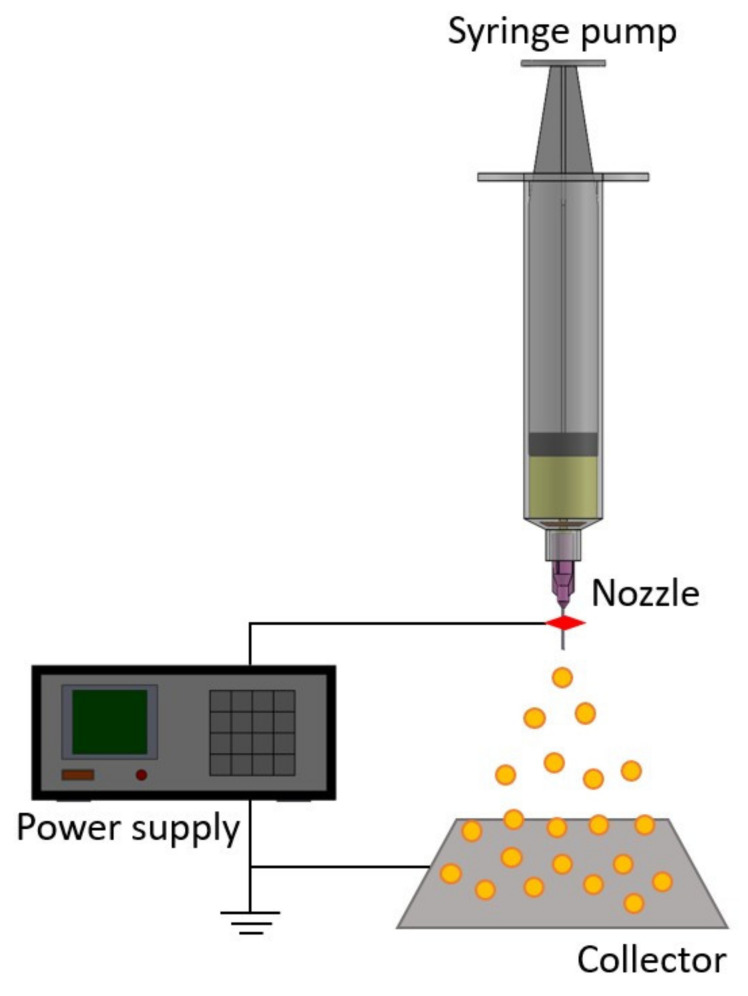
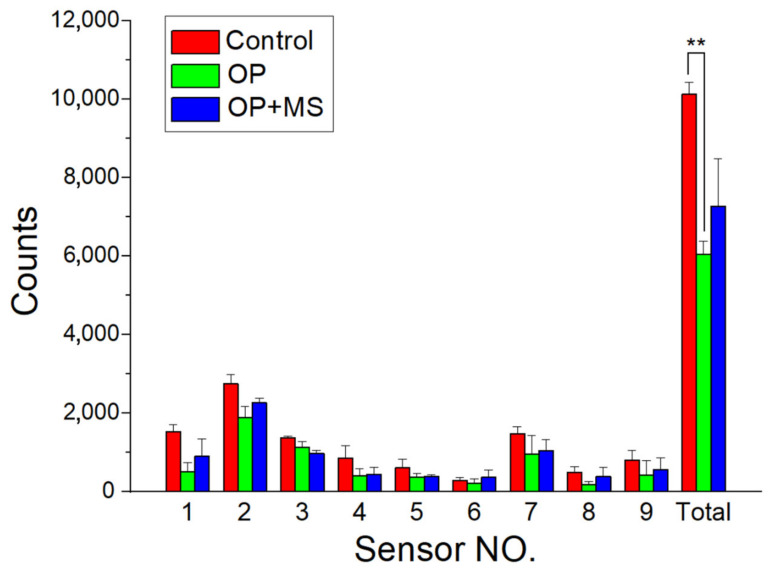
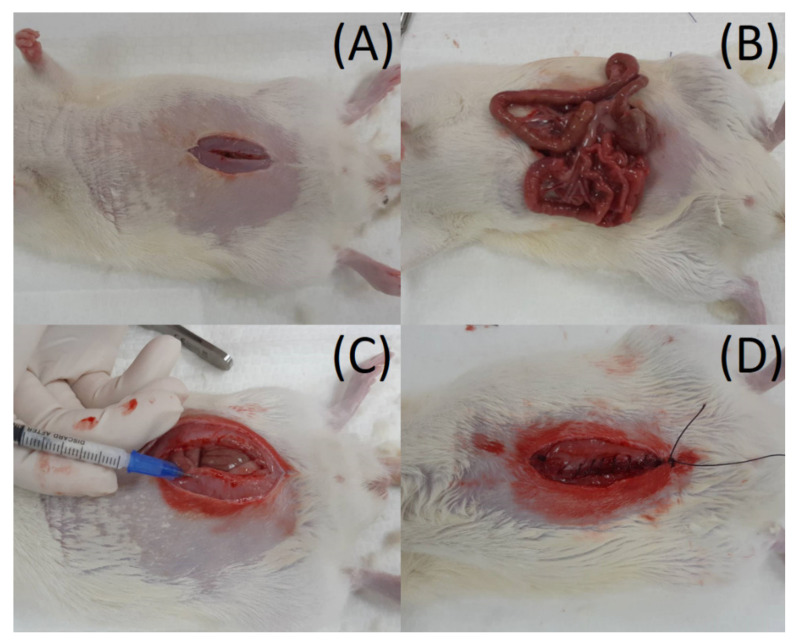
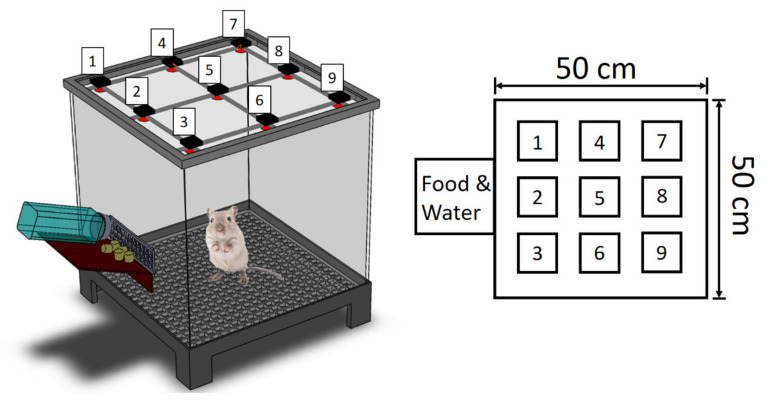
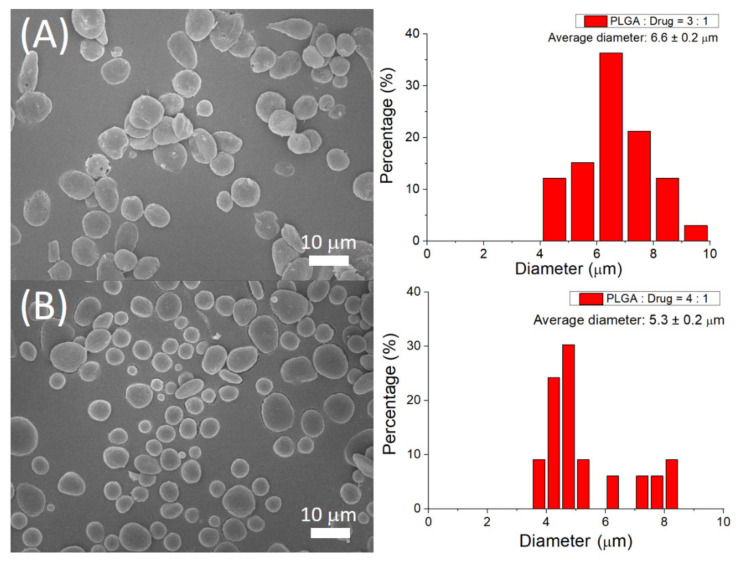
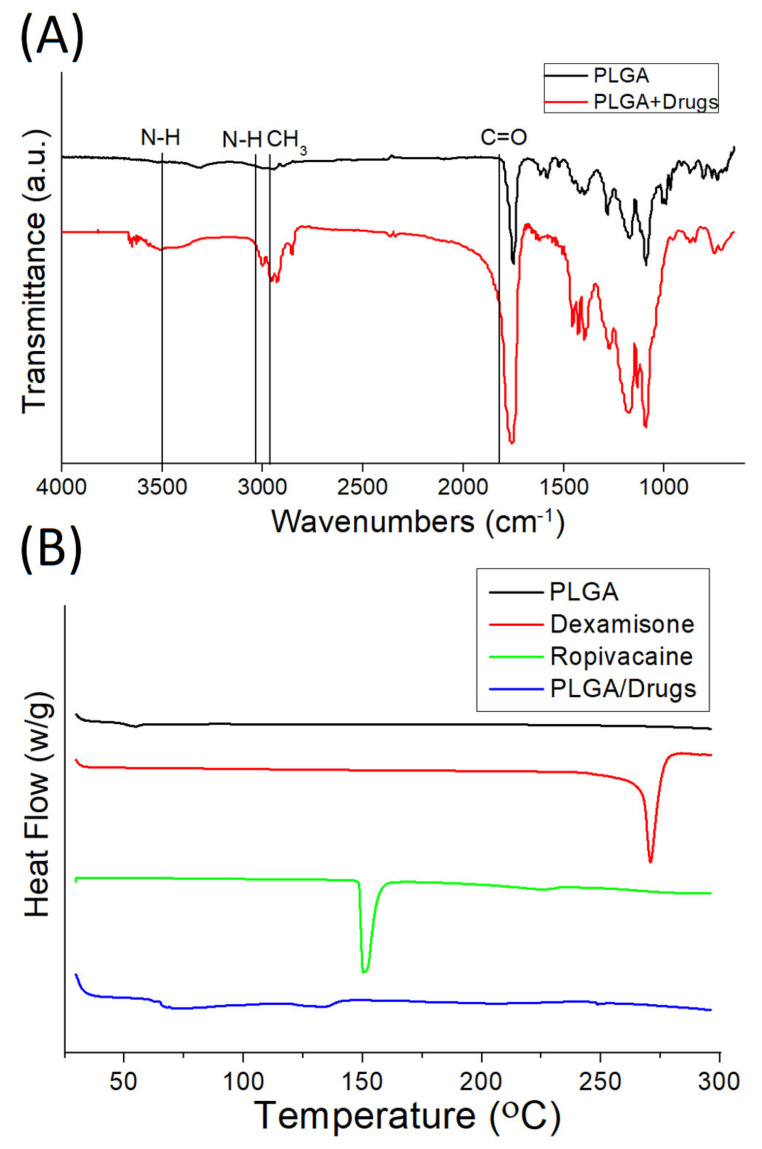
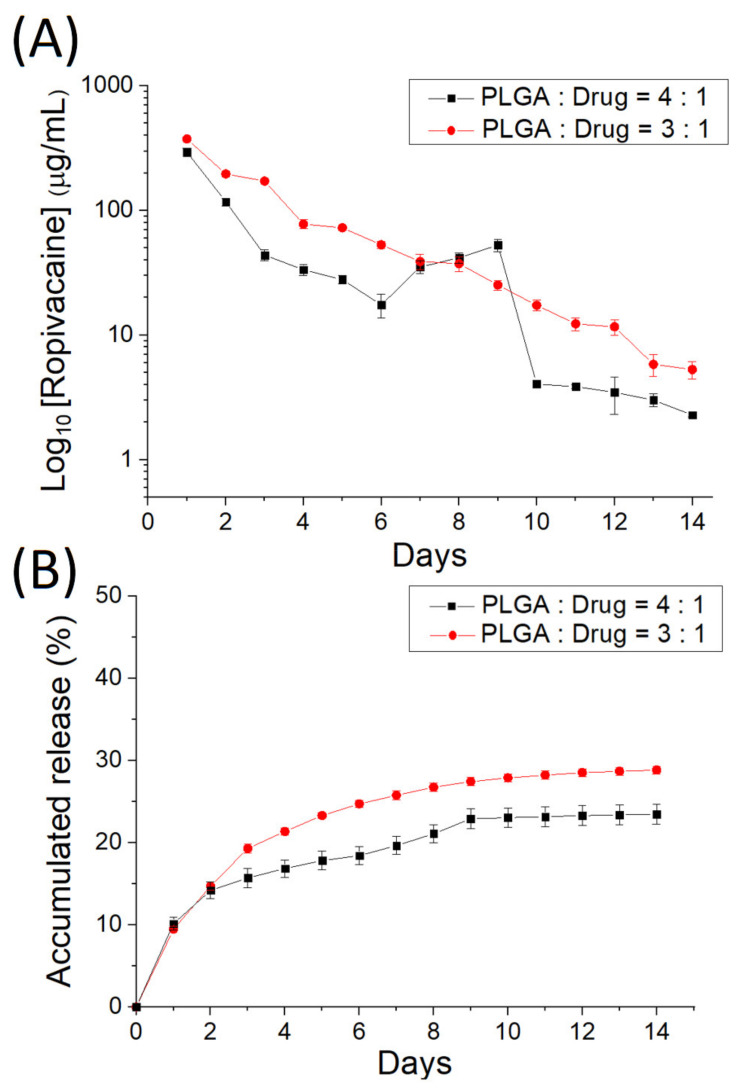
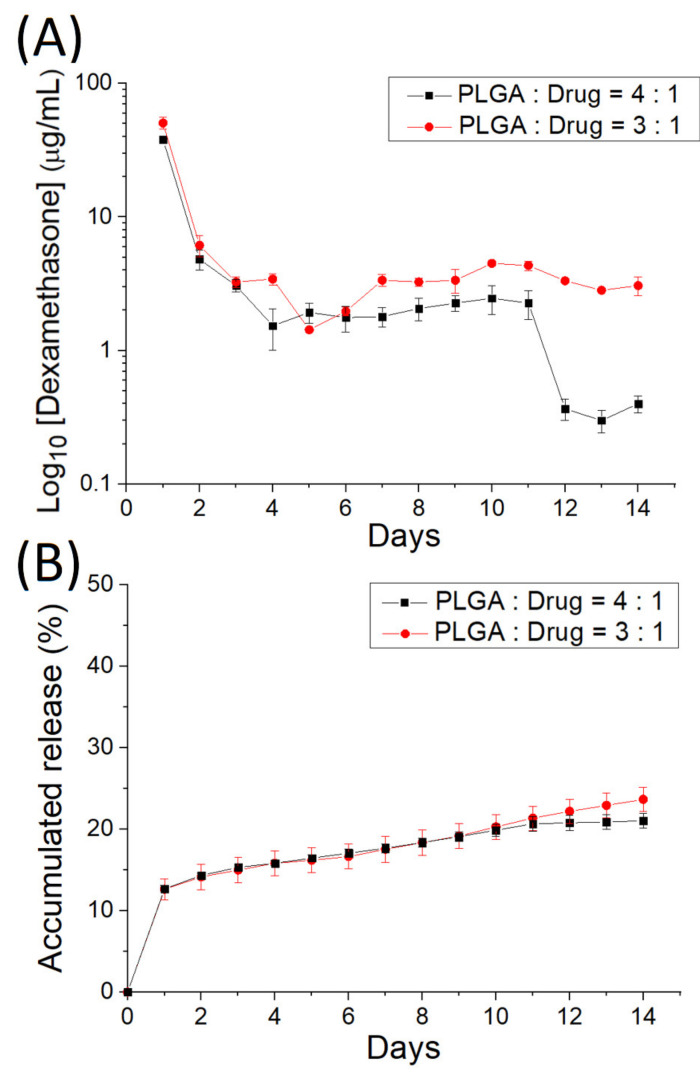
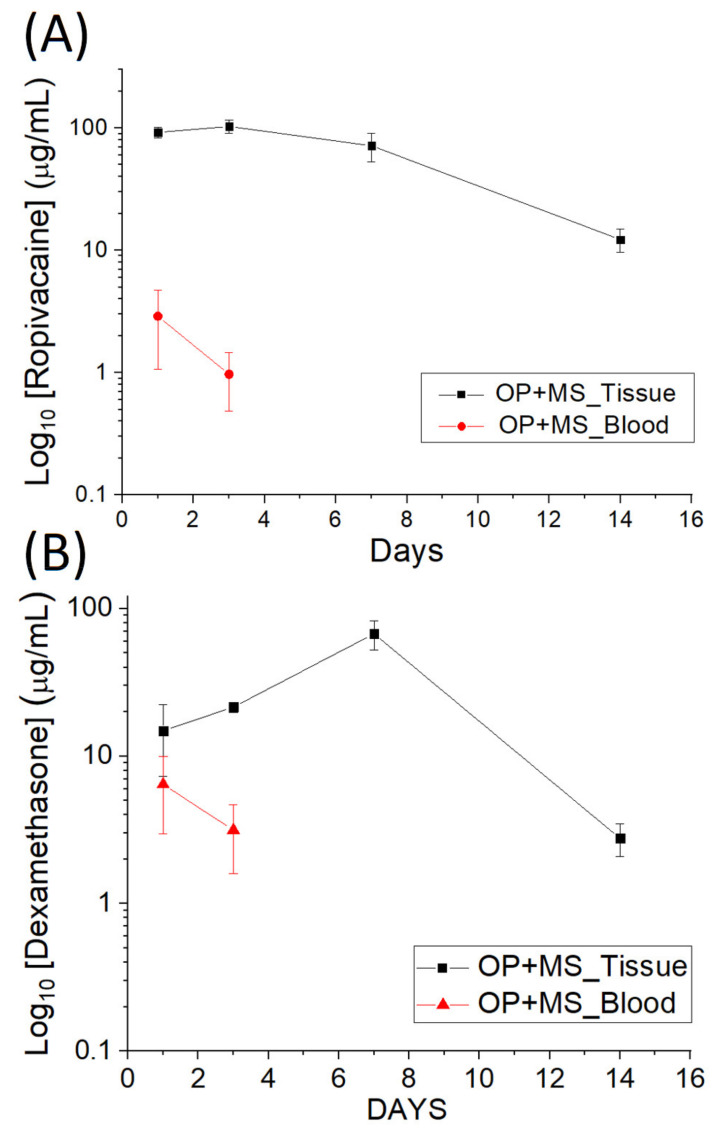
Microencapsulation plays an important role in biomedical technology owing to its particular and attractive characteristics. In this work, we developed ropivacaine and dexamethasone loaded poly(D, L-lactide-co-glycolide) (PLGA) microparticles via electrospraying technique and investigated the release behavior of electrosprayed microparticles. The particle morphology of sprayed particles was assessed using scanning electron microscopy (SEM). The in vitro drug release kinetics were evaluated employing an elution method, and the in vivo pharmaceutical release as well as its efficacy on pain relief were tested using an animal activity model. The microscopic observation suggested that sprayed microparticles exhibit a size distribution of 5-6 µm. Fourier-transform infrared spectrometry and differential scanning calorimetry demonstrated the successful incorporation of pharmaceuticals in the PLGA particulates. The drugs-loaded particles discharged sustainably high concentrations of ropivacaine and dexamethasone at the target region in vivo for over two weeks, and the drug levels in the blood remained low. By adopting the electrospraying technique, we were able to prepare drug-embedded polymeric microparticles with effectiveness and with a sustainable capability for postoperative pain control.
由于其独特且吸引人的特性,微囊化在生物医学技术中发挥着重要作用。在这项工作中,我们通过电喷雾技术制备了负载罗哌卡因和地塞米松的聚(D,L-丙交酯-共-乙交酯)(PLGA)微粒,并研究了电喷雾微粒的释放行为。使用扫描电子显微镜(SEM)评估喷雾颗粒的形态。采用洗脱法评估体外药物释放动力学,并使用动物活动模型测试体内药物释放及其对疼痛缓解的效果。显微镜观察表明,喷雾微粒的尺寸分布为5-6微米。傅里叶变换红外光谱和差示扫描量热法证明药物成功掺入PLGA颗粒中。载药颗粒在体内靶区域可持续释放高浓度的罗哌卡因和地塞米松超过两周,且血液中的药物水平保持较低。通过采用电喷雾技术,我们能够制备具有有效性和术后疼痛控制可持续能力的药物包埋聚合物微粒。