Department of Pharmacology, School of Dental Medicine, Tsurumi University, 2-1-3 Tsurumi, Tsurumi-ku, Yokohama, 230-8501, Japan.
Division of Dental Pharmacology, Department of Oral Science, School of Dentistry, Oh-U University, 31-1 aza Sankakudoh, Tomita-machi, Kohriyama, 963-8611, Japan.
Sci Rep. 2022 Feb 25;12(1):3223. doi: 10.1038/s41598-022-06865-6.
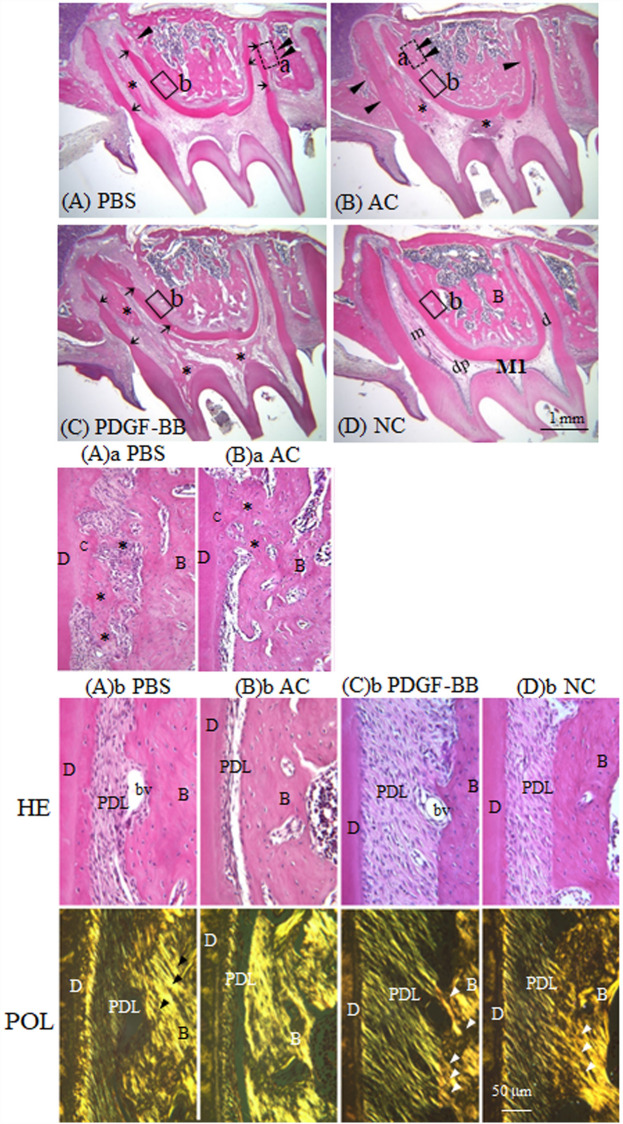
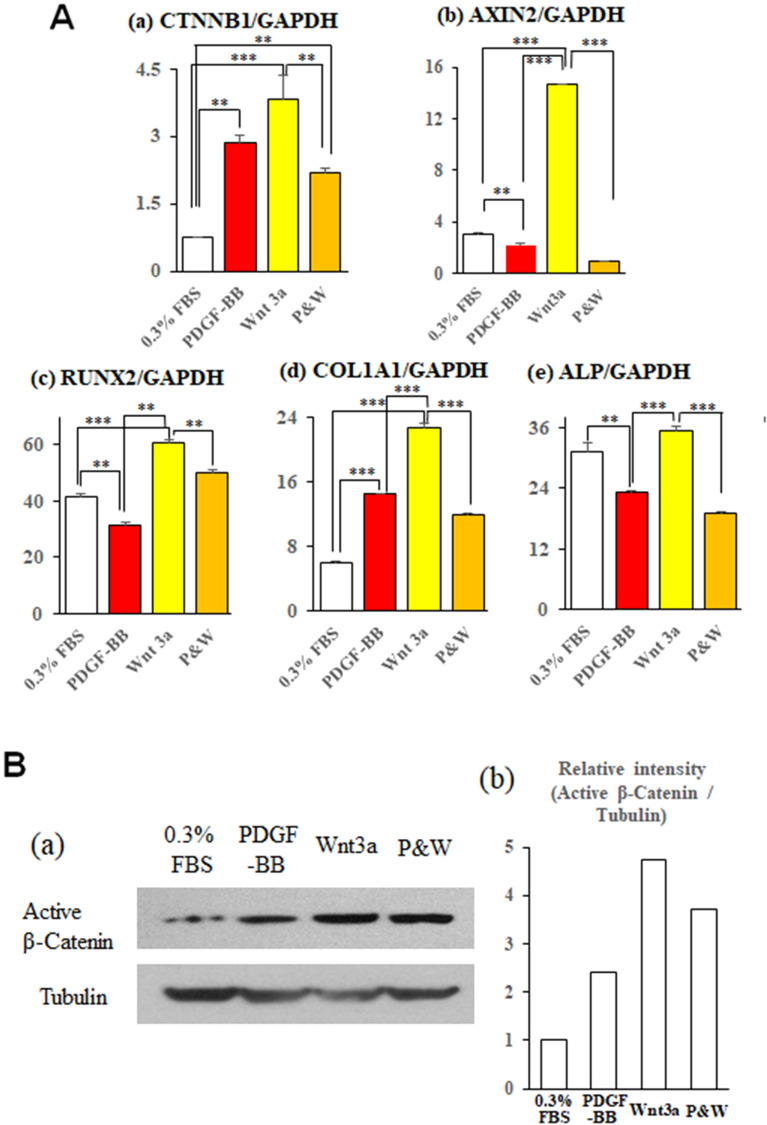
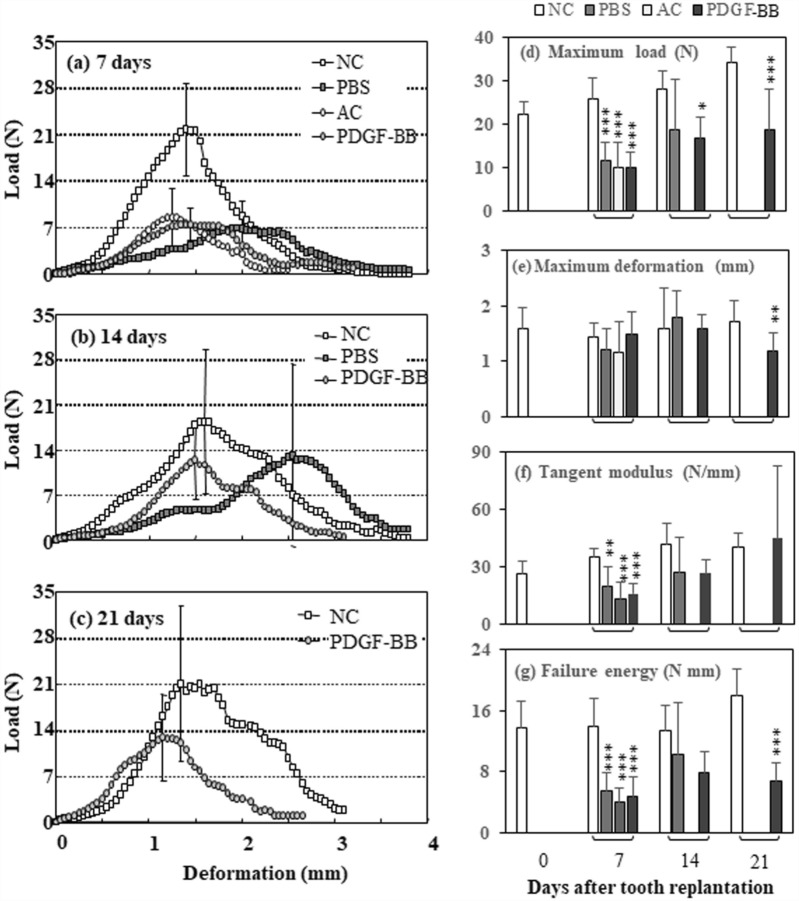
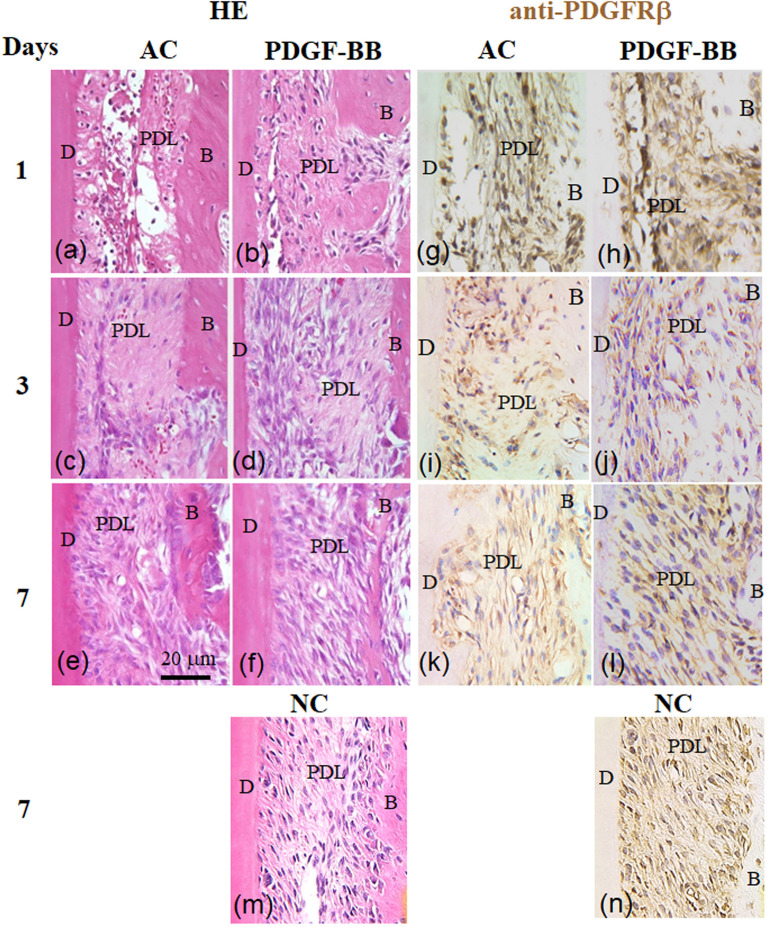
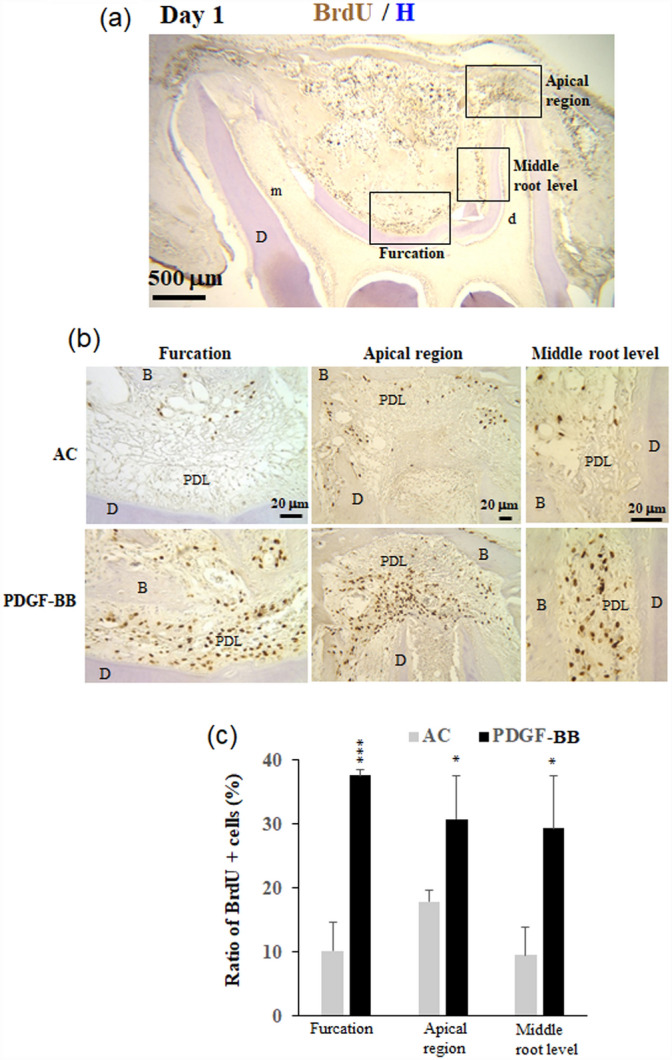
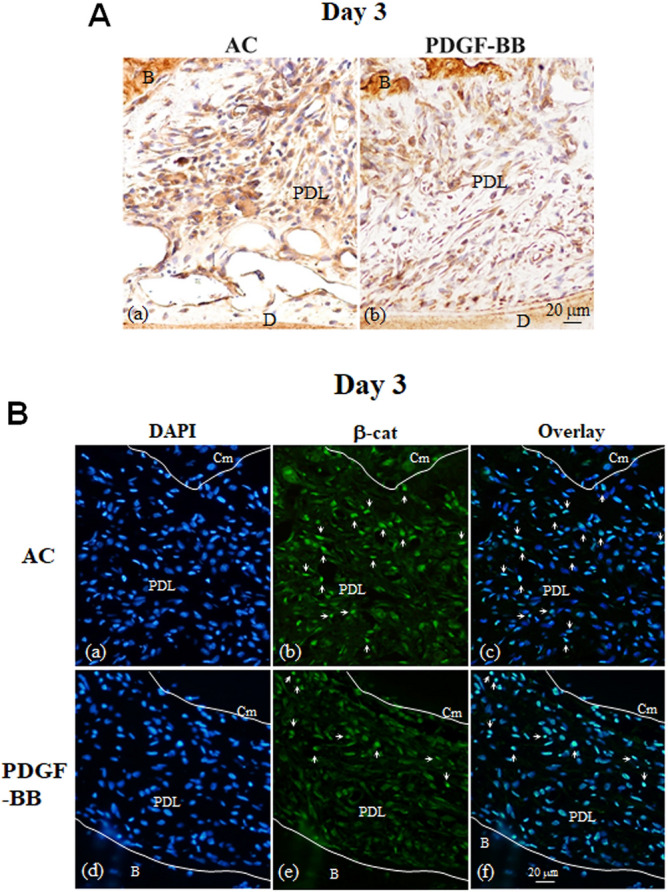
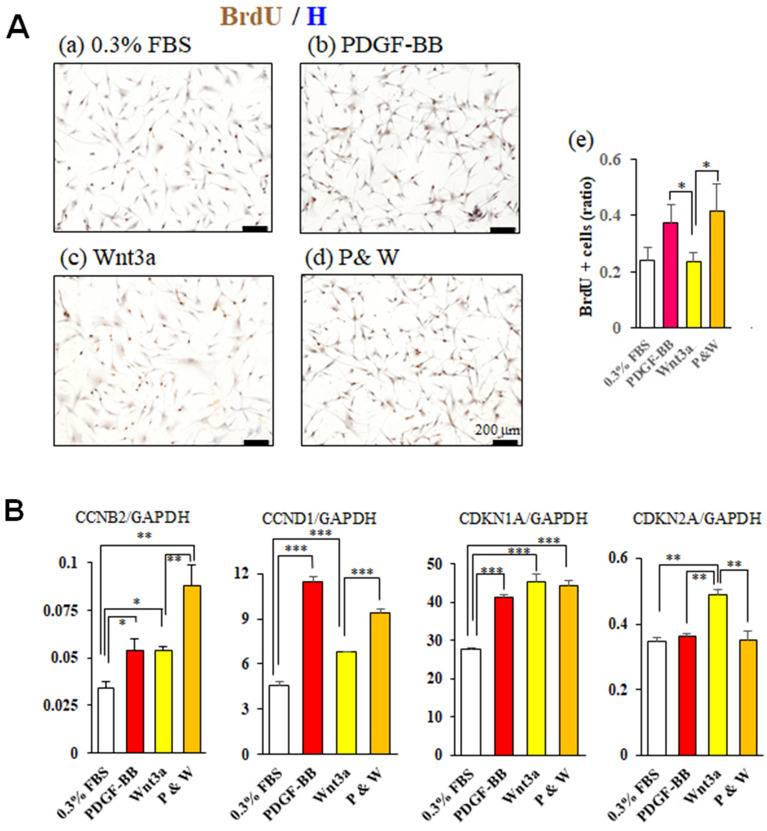
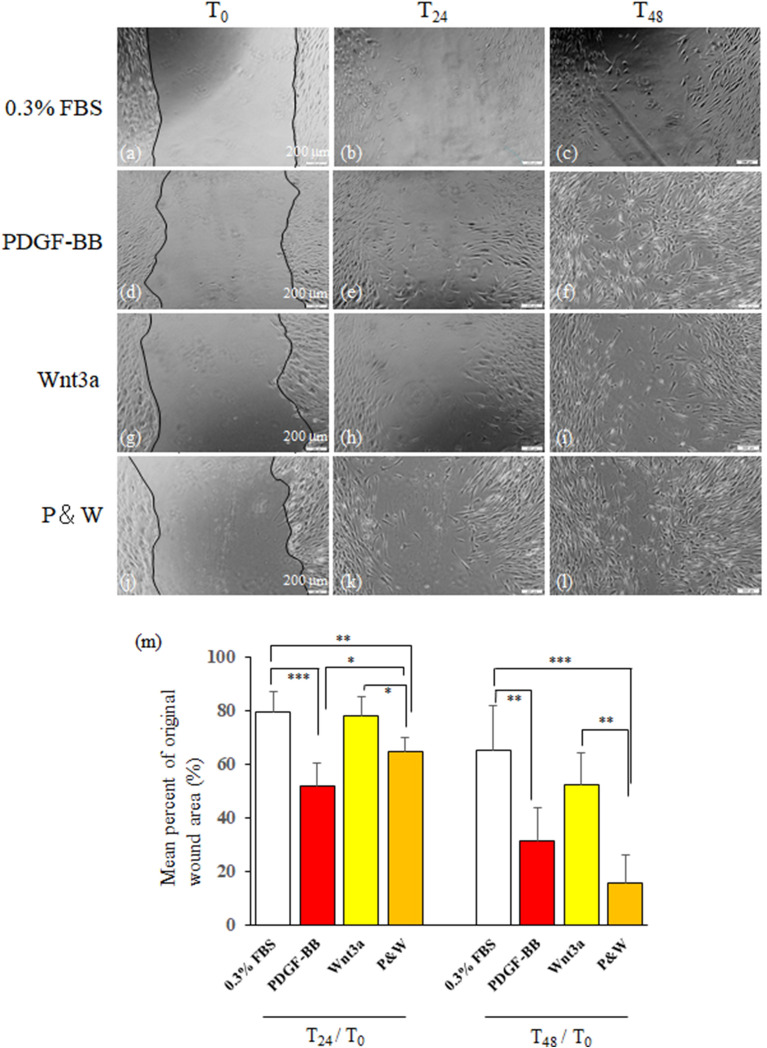
Tooth ankylosis is a pathological condition of periodontal ligament (PDL) restoration after tooth replantation. Platelet-derived growth factor-BB (PDGF-BB) has been proposed as a promising factor for preventing tooth ankylosis. Using rat tooth replantation model, we investigated whether PDGF-BB accelerates the repair of PDL after tooth replantation without ankylosis, and its molecular mechanisms. In PDGF-BB pretreated replanted teeth (PDGF-BB group), ankylosis was markedly reduced and functionally organized PDL collagen fibers were restored; the mechanical strength of the healing PDL was restored to an average of 76% of that in non-replanted normal teeth at 21 days. The numbers of PDGF-Rβ- and BrdU-positive cells in the periodontal tissues of the PDGF-BB group were greater than those of atelocollagen pretreated replanted teeth (AC group). Moreover, in the PDGF-BB group, the periodontal tissues had fewer osteocalcin-positive cells and decreased number of nuclear β-catenin-positive cells compared to those in the AC group. In vitro analyses showed that PDGF-BB increased the proliferation and migration of human periodontal fibroblasts. PDGF-BB downregulated mRNA expressions of RUNX2 and ALP, and inhibited upregulatory effects of Wnt3a on β-catenin, AXIN2, RUNX2, COL1A1, and ALP mRNA expressions. These findings indicate that in tooth replantation, topical PDGF-BB treatment enhances cell proliferation and migration, and inhibits canonical Wnt signaling activation in bone-tooth ankylosis, leading to occlusal loading of the PDL tissues and subsequent functional restoration of the healing PDL. This suggests a possible clinical application of PDGF-BB to reduce ankylosis after tooth replantation and promote proper regeneration of PDL.
牙骨质粘连是牙再植后牙周韧带(PDL)修复的一种病理状态。血小板衍生生长因子-BB(PDGF-BB)已被提出作为预防牙骨质粘连的有前途的因素。使用大鼠牙再植模型,我们研究了 PDGF-BB 是否在不发生牙骨质粘连的情况下加速牙再植后 PDL 的修复,以及其分子机制。在 PDGF-BB 预处理的再植牙(PDGF-BB 组)中,牙骨质粘连明显减少,功能组织化的 PDL 胶原纤维得到恢复;愈合 PDL 的机械强度恢复至非再植正常牙的平均 76%,在 21 天时。PDGF-BB 组牙周组织中 PDGF-Rβ-和 BrdU-阳性细胞的数量多于前胶原预处理的再植牙(AC 组)。此外,与 AC 组相比,PDGF-BB 组牙周组织中骨钙素阳性细胞较少,核 β-连环蛋白阳性细胞数量减少。体外分析表明,PDGF-BB 可增加人牙周成纤维细胞的增殖和迁移。PDGF-BB 下调 RUNX2 和 ALP 的 mRNA 表达,并抑制 Wnt3a 对 β-连环蛋白、AXIN2、RUNX2、COL1A1 和 ALP mRNA 表达的上调作用。这些发现表明,在牙再植中,局部应用 PDGF-BB 可增强细胞增殖和迁移,并抑制骨牙粘连中的经典 Wnt 信号激活,导致 PDL 组织的咬合负荷和随后愈合 PDL 的功能恢复。这表明 PDGF-BB 可能在临床上应用于减少牙再植后的粘连,并促进 PDL 的适当再生。