Research Center of Avian Diseases, College of Veterinary Medicine, Sichuan Agricultural University, Chengdu, 611130, Sichuan, China.
Institute of Preventive Veterinary Medicine, Sichuan Agricultural University, Chengdu, 611130, Sichuan, China.
Vet Res. 2022 Mar 2;53(1):17. doi: 10.1186/s13567-022-01035-y.
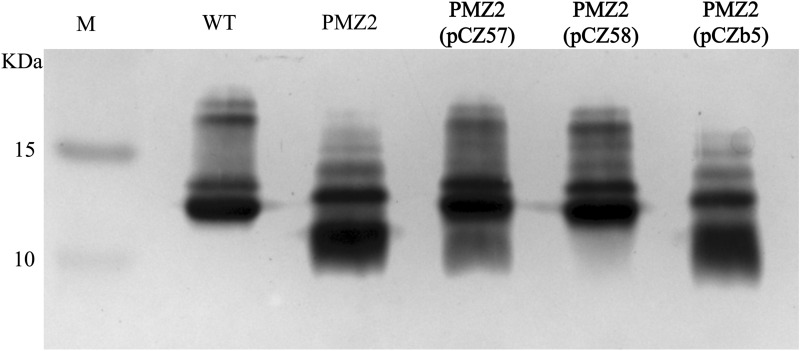
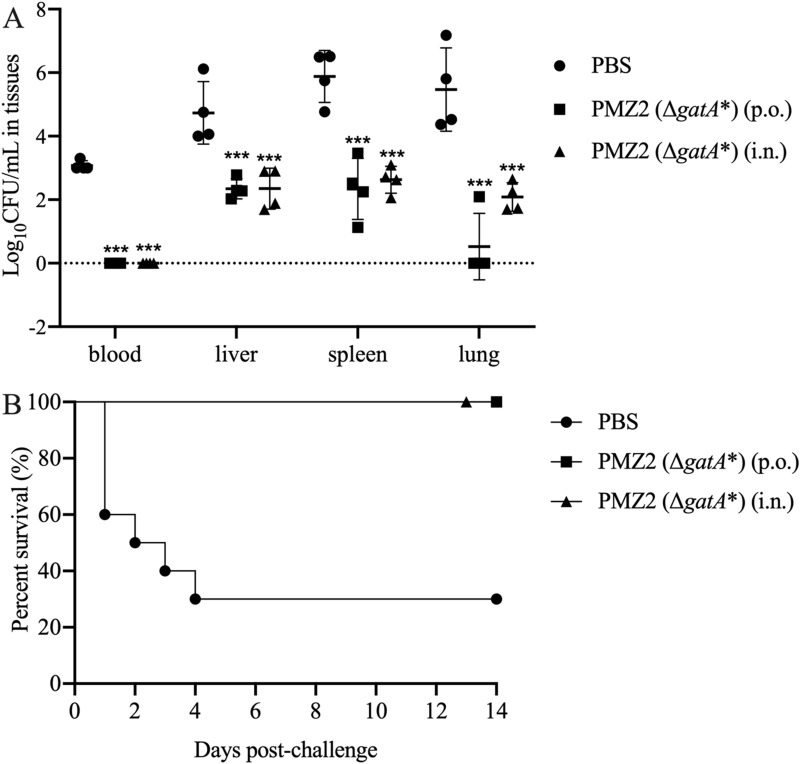
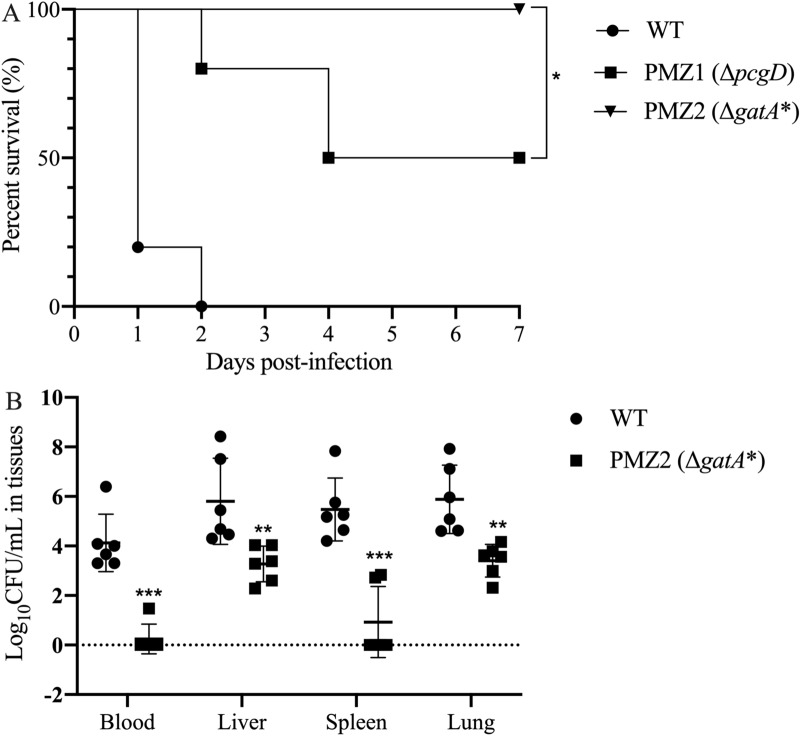
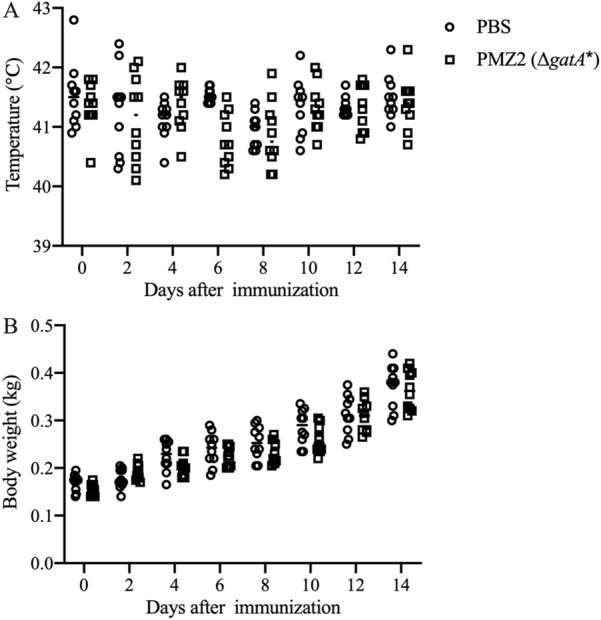
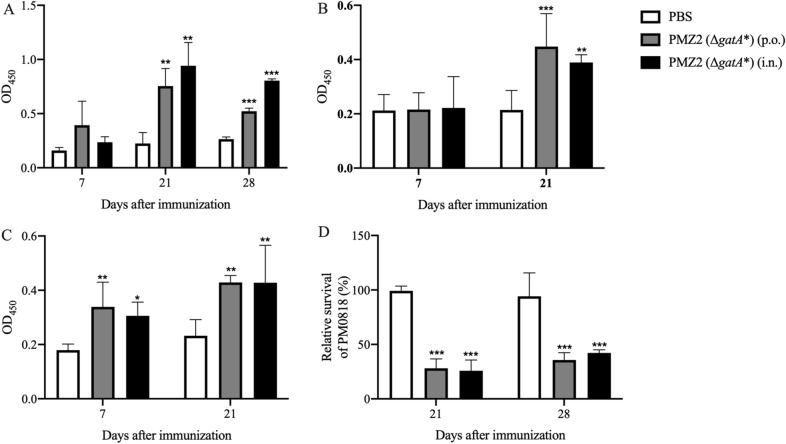
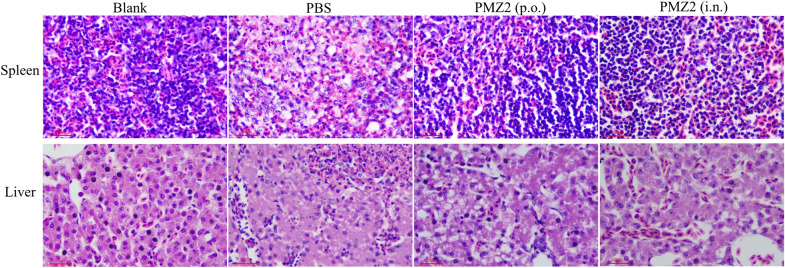
Pasteurella multocida infection frequently causes fowl cholera outbreaks, leading to huge economic losses to the poultry industry worldwide. This study developed a novel live attenuated P. multocida vaccine strain for ducks named PMZ2 with deletion of the gatA gene and first four bases of the hptE gene, both of which are required for the synthesis of the lipopolysaccharide (LPS) outer core. PMZ2 produced a truncated LPS phenotype and was highly attenuated in ducks with a > 10-fold higher LD than the wild-type strain. PMZ2 colonized the blood and organs, including the spleen, liver and lung, at remarkably reduced levels, and its high dose of oral infection did not cause adverse effects on body temperatures and body weights in ducks. To evaluate the vaccine efficacy of the mutant, ducklings were inoculated orally or intranasally with PMZ2 or PBS twice and subsequently subjected to a lethal challenge. Compared with the PBS control, PMZ2 immunization stimulated significantly elevated serum IgG, bile IgA and tracheal IgA responses, especially after the boost immunization in both the oral and intranasal groups, and the induced serum had significant bactericidal effects against the wild-type strain. Furthermore, the two PMZ2 immunization groups exhibited alleviated tissue lesions and significantly decreased bacterial loads in the blood and organs compared with the PBS group post-challenge. All the ducks in the PMZ2 oral and intranasal groups survived the challenge, while 70% of ducks in the PBS group succumbed to the challenge. Thus, the P. multocida mutant with mutation of the gatA gene and part of the hptE gene proved to be an effective live attenuated vaccine candidate for prevention of fowl cholera in ducks.
多杀巴斯德菌感染常引起禽霍乱暴发,给全球家禽业造成巨大经济损失。本研究开发了一种新型的减毒多杀巴斯德菌鸭用活疫苗株 PMZ2,该突变株缺失 gatA 基因和 hptE 基因的前 4 个碱基,这两个基因是脂多糖(LPS)外核心合成所必需的。PMZ2 产生了截断的 LPS 表型,在鸭子中高度衰减,其 LD50 比野生型菌株高 10 倍以上。PMZ2 定植于血液和器官,包括脾脏、肝脏和肺,其水平显著降低,高剂量口服感染不会对鸭子的体温和体重产生不良影响。为了评估突变株的疫苗效力,将鸭用 PMZ2 或 PBS 经口服或滴鼻途径两次免疫接种,随后进行致死性攻毒。与 PBS 对照组相比,PMZ2 免疫接种可显著刺激血清 IgG、胆汁 IgA 和气管 IgA 反应,尤其是在口服和滴鼻两组的加强免疫后,诱导的血清对野生型菌株具有显著的杀菌作用。此外,与 PBS 组相比,PMZ2 免疫接种的两组在攻毒后血液和器官中的组织病变减轻,细菌载量显著降低。PMZ2 口服和滴鼻免疫接种的两组鸭均在攻毒后存活,而 PBS 组的 70%的鸭死亡。因此,缺失 gatA 基因和 hptE 基因部分序列的多杀巴斯德菌突变株被证明是一种有效的预防鸭禽霍乱的减毒活疫苗候选株。