Jo Hyo-Rim, Choi Seong-Kyeong, Sung Won-Suk, Lee Seung-Deok, Lee Byung-Wook, Kim Eun-Jung
Department of Acupuncture & Moxibustion, College of Korean Medicine, Dongguk University Graduate School, Seoul, Republic of Korea.
Department of Acupuncture & Moxibustion, Dongguk University Bundang Oriental Hospital, Seongnam, Republic of Korea.
Evid Based Complement Alternat Med. 2022 Feb 28;2022:4159172. doi: 10.1155/2022/4159172. eCollection 2022.
Warm-needle acupuncture (WA) and fire-needle acupuncture are treatment techniques that use the combination of acupuncture and thermal stimulation. In clinical practice, a new method of fire-needle acupuncture called "heated-needle acupuncture (HA)" has been proposed, wherein the needle is directly heated after insertion. WA and HA share similarities in their methods, and no previous study has sought to assess whether their thermal outcomes are also similar.
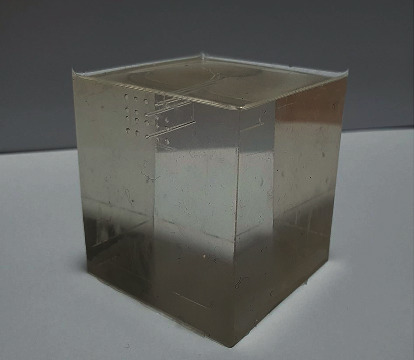
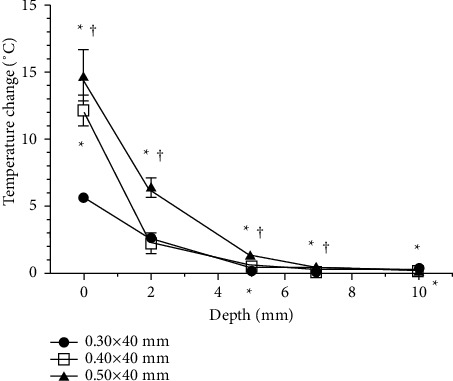
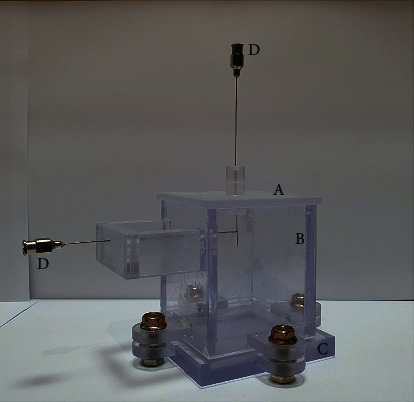
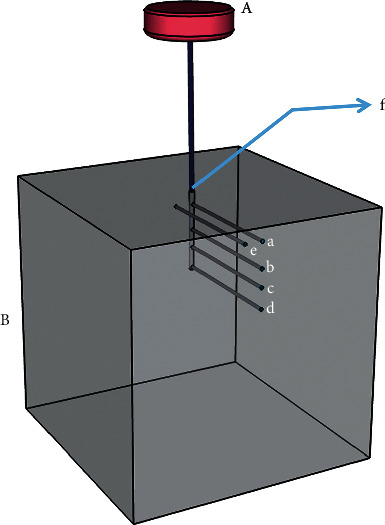
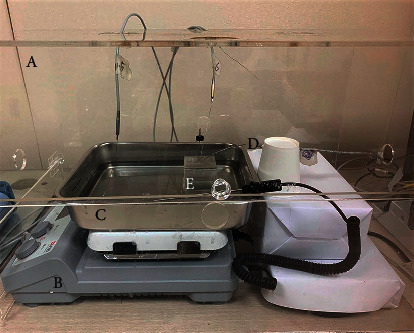
We controlled environmental variables and measured the maximum temperatures and temperature changes of a silicon phantom in which K-type thermocouples were embedded at depths of 0, 2, 5, 7, and 10 mm. WA and HA were also performed with acupuncture needles of various thicknesses (0.30 × 40 mm, 0.40 × 40 mm, and 0.50 × 40 mm).
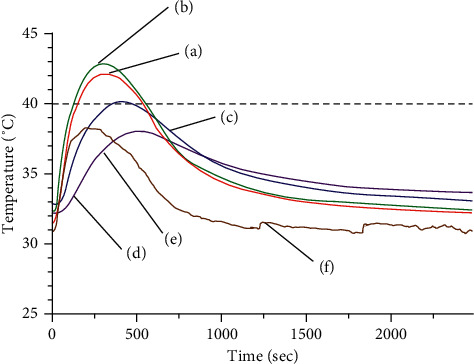
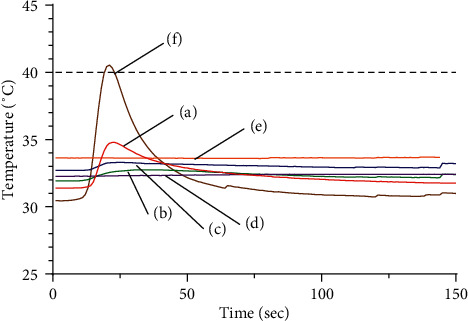
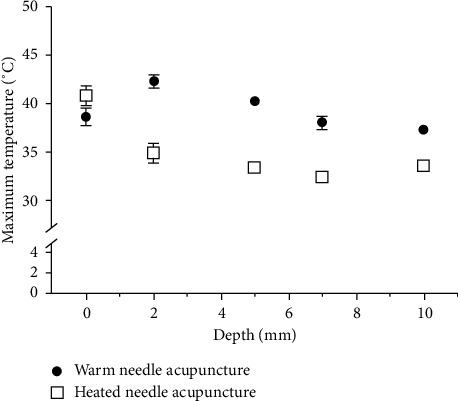
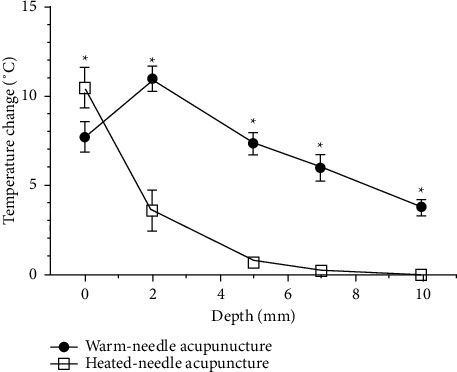
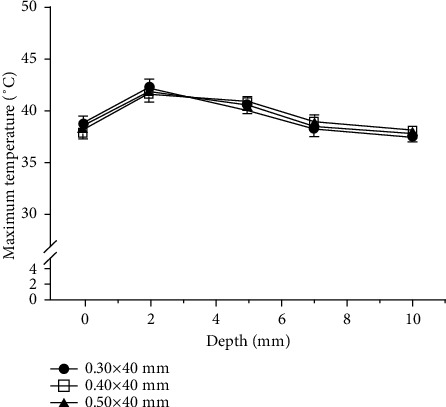
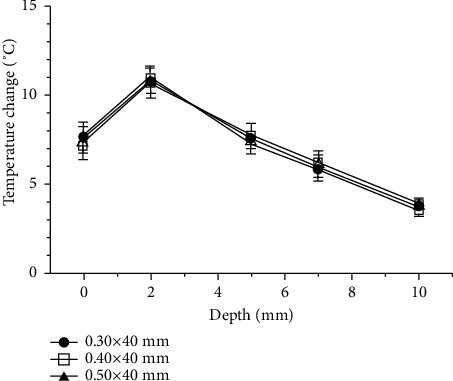
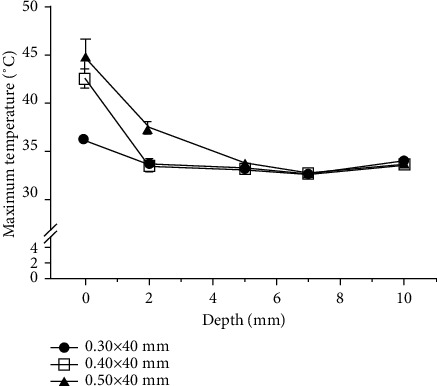
Different time-dependent temperature distributions were observed between the two acupuncture methods: HA yielded a higher maximum temperature and temperature change on the surface, whereas WA yielded higher temperatures at the other tested depths. The thermal patterns were similar among the needles of different thicknesses for each method, with the following exception: while the temperature change and maximum temperature did not differ significantly by needle thickness for WA, these parameters increased significantly with needle thickness for HA.
The two acupuncture procedures yielded different thermal patterns in a controlled environment. Further studies are necessary to reflect the effect of external environment variables occurring in reality.
温针和火针是将针刺与热刺激相结合的治疗技术。在临床实践中,有人提出了一种名为“热针针刺(HA)”的新火针疗法,即在进针后直接加热针体。温针和热针针刺在方法上有相似之处,此前尚无研究评估它们的热效应是否也相似。
我们控制环境变量,测量了一个硅质模型的最高温度和温度变化,该模型在0、2、5、7和10毫米深度处埋入了K型热电偶。还使用了不同粗细的针灸针(0.30×40毫米、0.40×40毫米和0.50×40毫米)进行温针和热针针刺操作。
两种针刺方法观察到了不同的随时间变化的温度分布:热针针刺在表面产生了更高的最高温度和温度变化,而温针在其他测试深度产生了更高的温度。每种方法中不同粗细的针之间热模式相似,但有以下例外:对于温针,温度变化和最高温度在不同针粗之间无显著差异,而对于热针针刺,这些参数随针粗显著增加。
在可控环境中,这两种针刺操作产生了不同的热模式。需要进一步研究以反映现实中外部环境变量的影响。