State Key Laboratory of Crop Biology, College of Horticulture Science and Engineering, Shandong Agricultural University, Tai'an 271018, China.
Int J Mol Sci. 2022 Feb 26;23(5):2585. doi: 10.3390/ijms23052585.
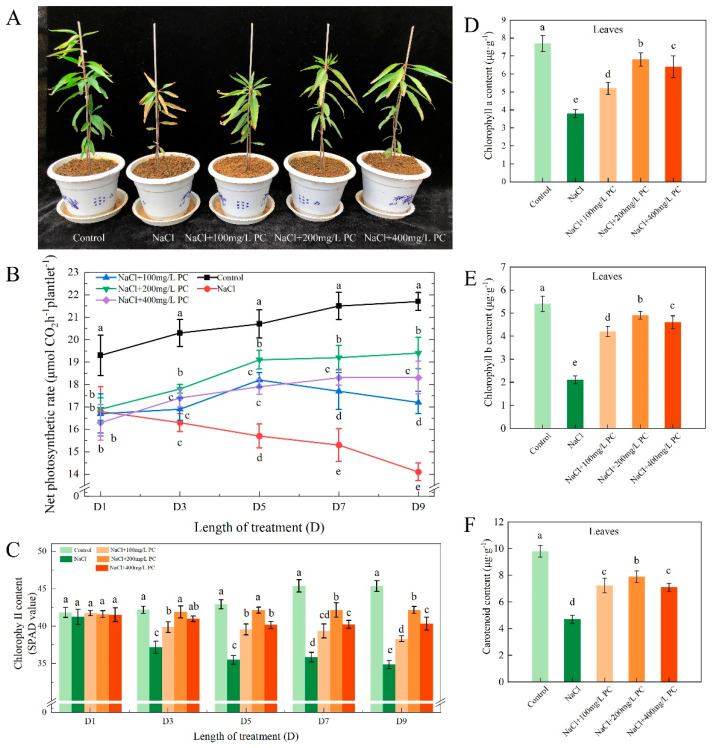
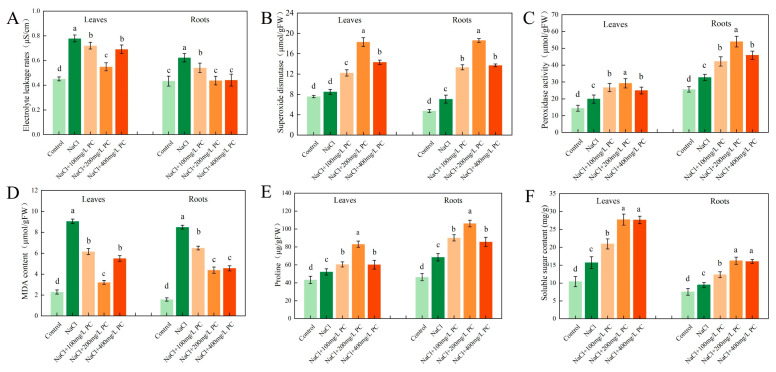
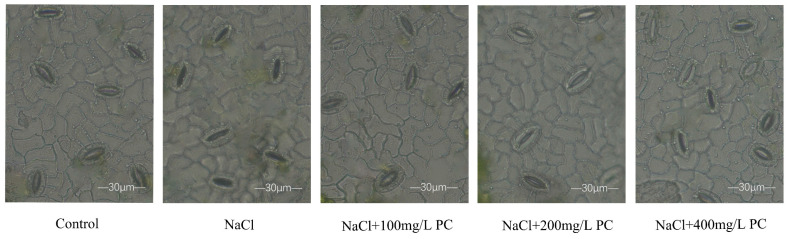
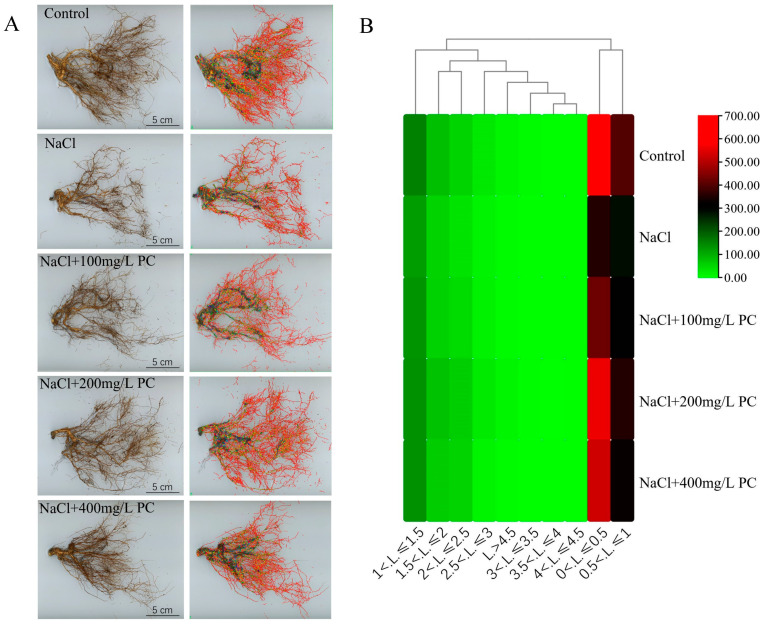
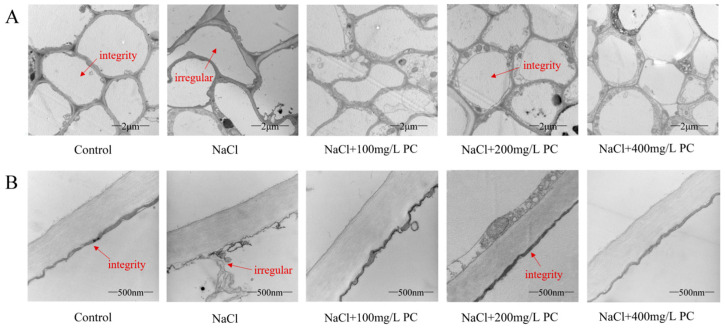
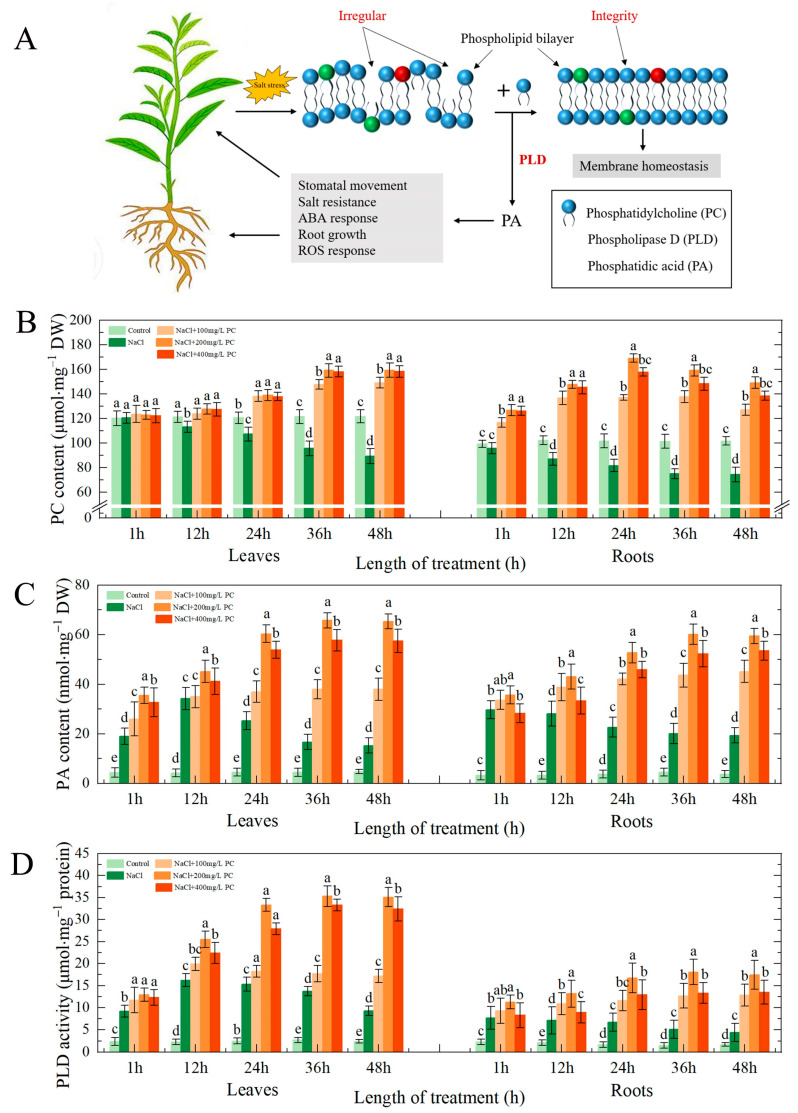
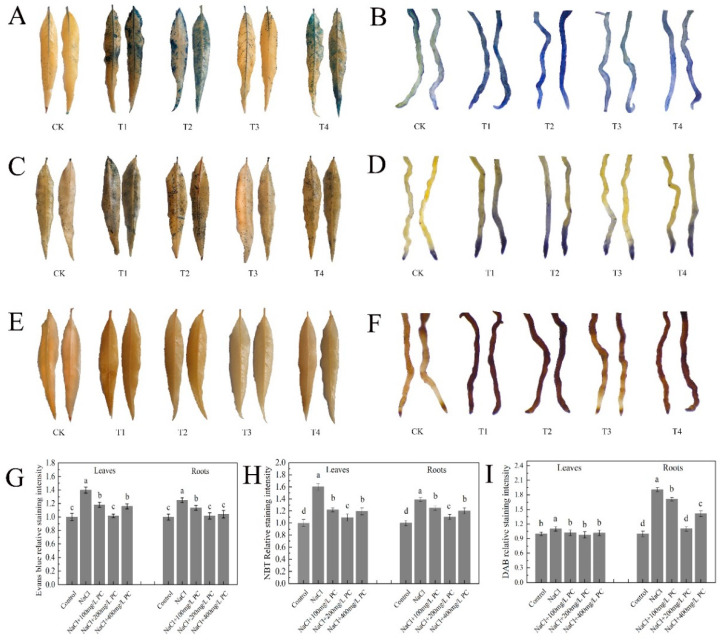
Salt stress is a major adverse abiotic factor seriously affecting fruit tree growth and development. It ultimately lowers fruit quality and reduces yield. Phosphatidylcholine (PC) is an important cell membrane component that is critical for cell structure and membrane stability maintenance. In this study, we found that the addition of external PC sources significantly increased the tolerance of one-year-old peach trees, (L.) Batsch., to salt stress and attenuated their damage. The effect of exogenous application of 200 mg/L PC exerted the most significant positive effect. Its use caused seedling leaf stomatal opening, contributing to normal gas exchange. Moreover, beneficial effects were exerted also to the root system, which grew normally under salt stress. Meanwhile, phospholipase D activity in the cell was promoted. The production of phosphatidic acid (PA) was enhanced by increased decomposition of phospholipids; PA serves as a secondary messenger involved in plant biological process regulation and the reduction in the reactive oxygen species- and peroxide-induced damage caused by salt stress. The possible mechanism of action is via promoted plant osmotic regulation and tolerance to salt stress, reducing salt stress-induced injury to plants.
盐胁迫是一种严重影响果树生长和发育的主要非生物胁迫因素。它最终会降低果实品质,减少产量。磷脂酰胆碱(PC)是一种重要的细胞膜组成部分,对于维持细胞结构和膜稳定性至关重要。在本研究中,我们发现添加外源 PC 来源显著提高了一年桃树对盐胁迫的耐受性,并减轻了其损伤。200mg/L PC 的外源应用效果最为显著。它的使用导致幼苗叶片气孔张开,有助于正常的气体交换。此外,它对根系也有有益的影响,在盐胁迫下根系正常生长。同时,细胞内的磷脂酶 D 活性也得到了促进。磷脂的分解增加了磷酸脂酰胆碱(PA)的产生;PA 作为一种参与植物生物过程调节的二级信使,减少了盐胁迫引起的活性氧和过氧化物引起的损伤。其作用机制可能是通过促进植物的渗透调节和对盐胁迫的耐受性,减轻盐胁迫对植物的损伤。